Best Color Outdoor Cushions Made Simple: A Clear Buying Guide for 2026
Disclosure: We may earn a commission when you buy through links on this page, at no extra cost to you. As an Amazon Associate I earn from qualifying purchases. Learn more

Shopping for the best color outdoor cushions for the first time? Learn the terms, compare options, and avoid rookie mistakes with this easy guide.
Choosing patio cushion colors for the first time feels harder than it should, because a shade that looks rich in a photo can fade, show pollen, or clash with your furniture once it sits in real sun. This guide starts with the basics behind best color outdoor cushions, then walks through fabric, fill, sizing, and care in plain language. By the end, you will know which colors hold up in your climate and which ones ask for constant cleaning.
As you read, use the comparison table below to match colors and fabric types against the seating you already own. A smart first purchase is rarely the boldest color in the listing. It is the color that still looks good after a full season of sun, rain, and weekend use.
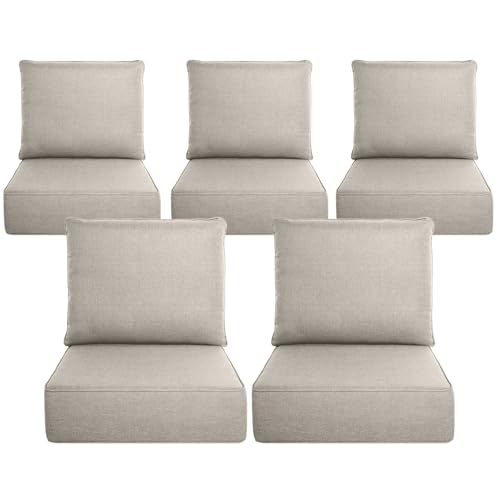
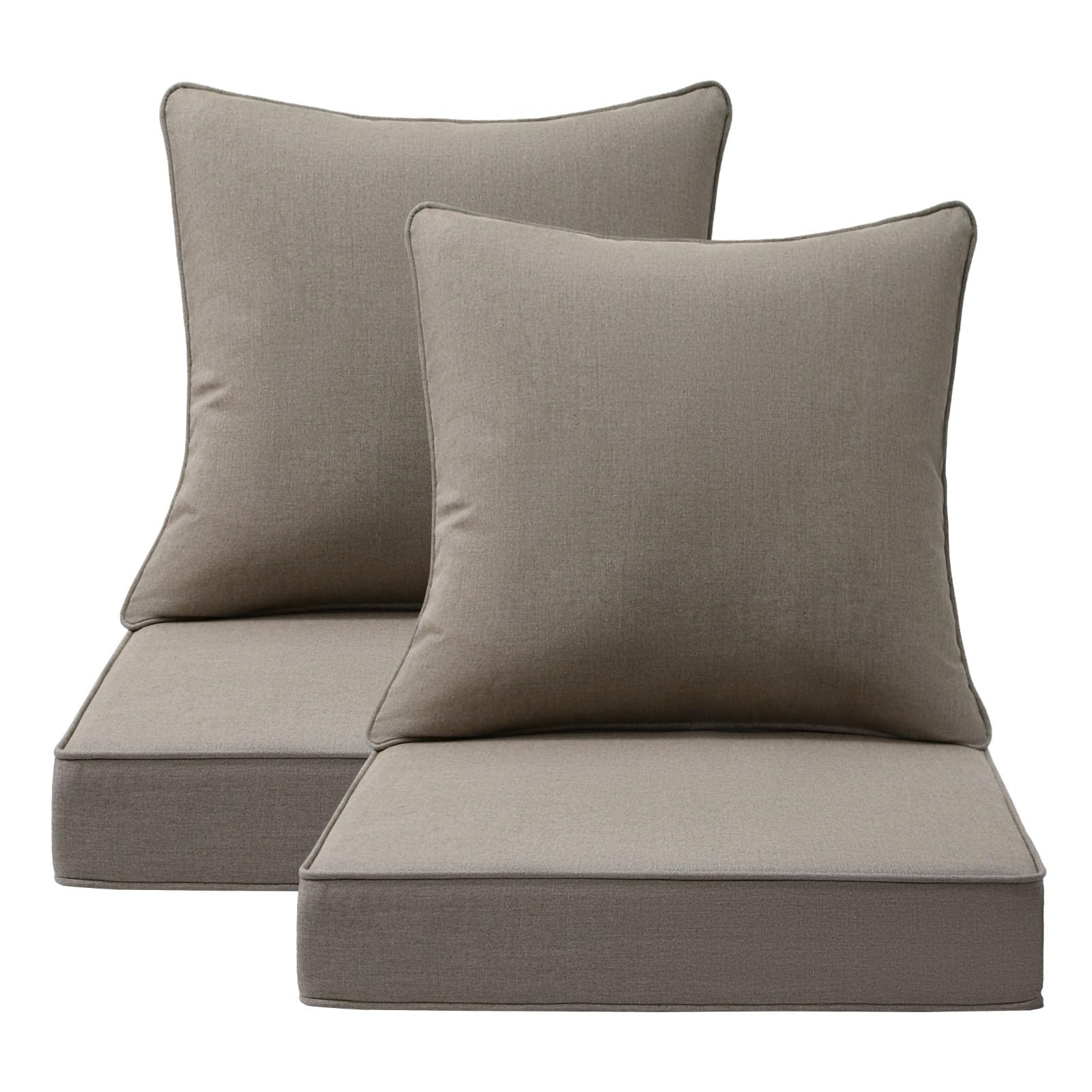
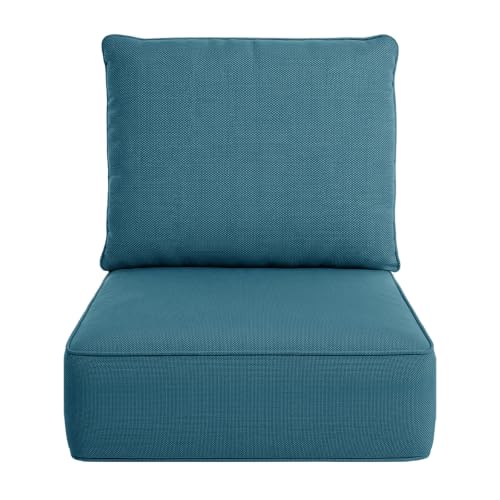
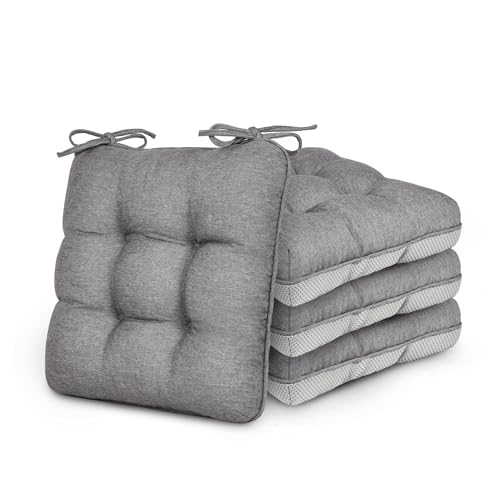

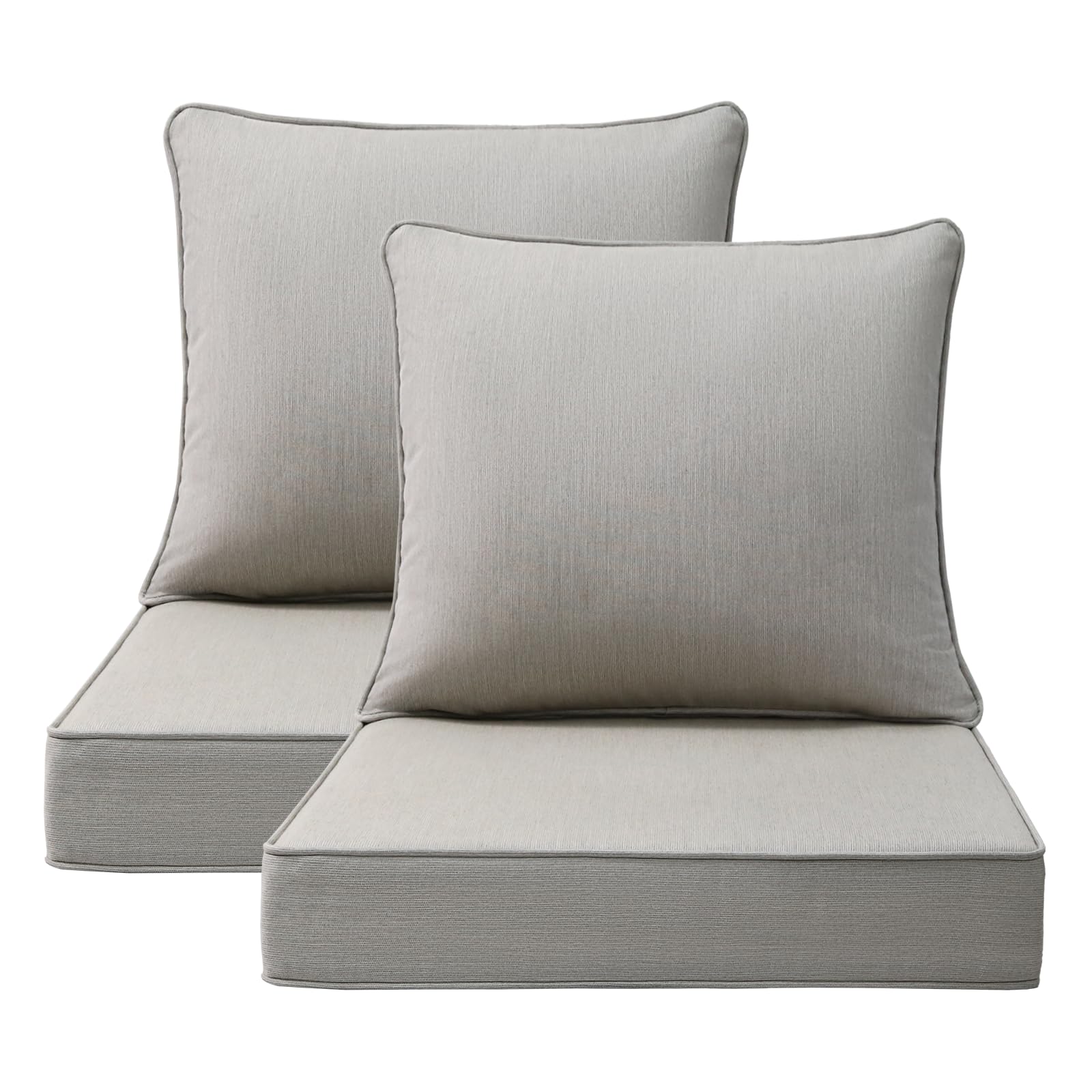
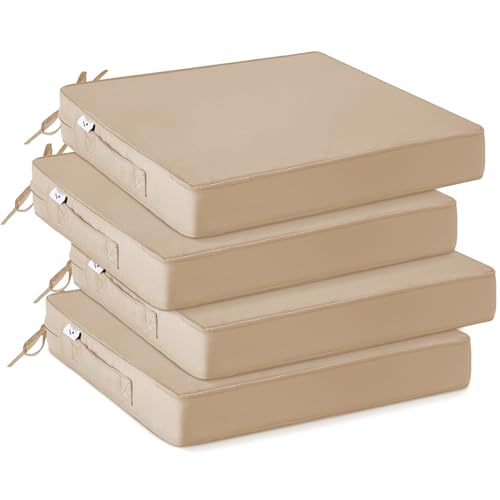
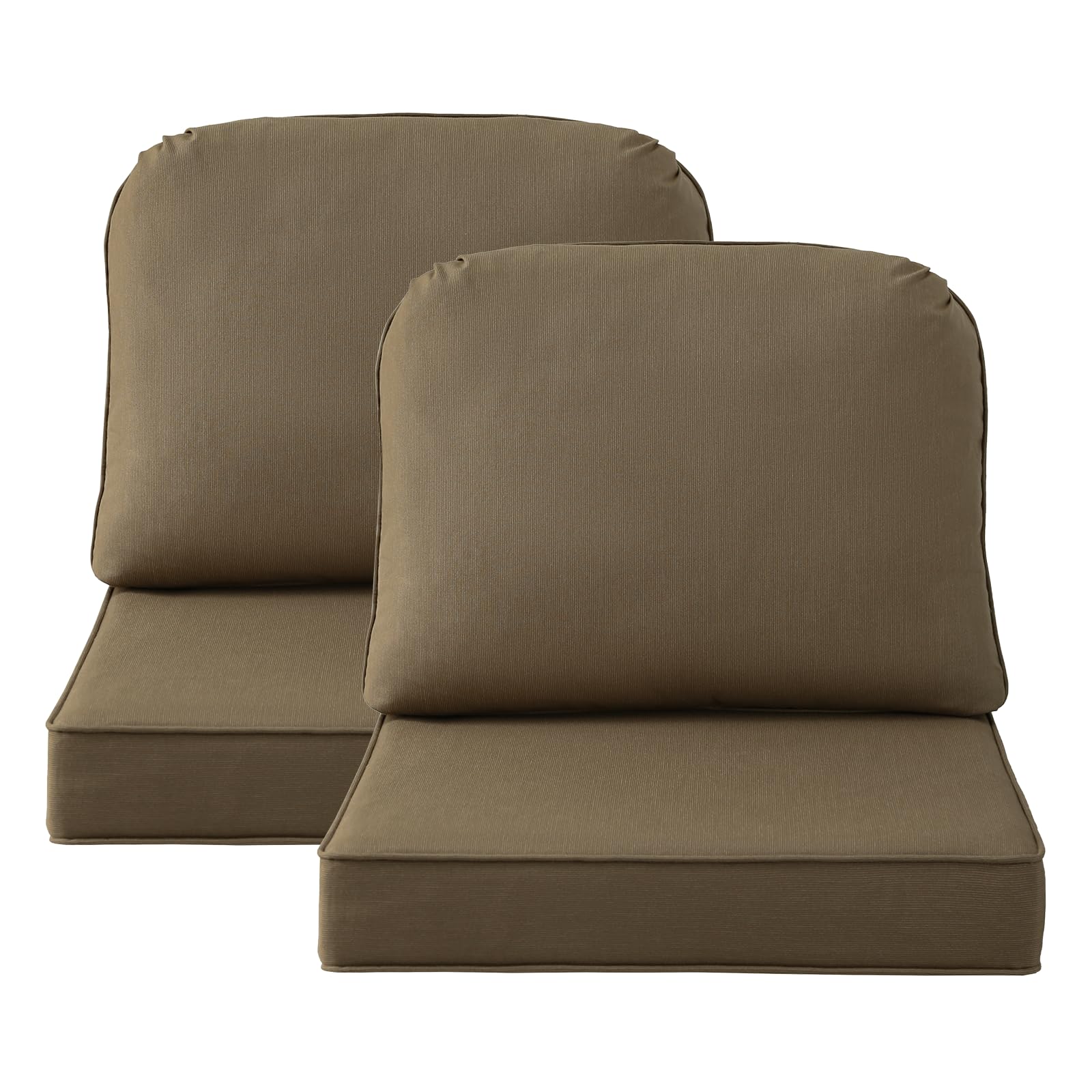
Color Outdoor Cushions 101: The Basics
An outdoor cushion is a padded fabric case made for patio chairs, benches, loveseats, and deep seating. The cover fabric resists sun and moisture far better than indoor fabric, and the fill inside drains or dries faster than a sofa cushion would. Color is not just decoration here, because the dye and fabric together decide how much fading, heat, and visible dirt you will deal with.
Most listings describe cushions by seat size, thickness, fabric name, and whether the cover removes for washing. You will also see terms like solution dyed, which means the color runs through the fiber itself rather than sitting on the surface. That one detail matters more for lasting color than almost any pattern choice, and it is worth learning before you fall for a pretty print.
Start by looking at what stays fixed in your space, such as the furniture frame finish, your deck or patio surface, and the color of your house siding. Cushions are the easiest layer to change, so their color should support those fixed pieces instead of fighting them. If you want a closer look at matching frames and fabrics, see our guide to the best color for outdoor furniture cushions for pairing ideas.
Key Specs Explained in Plain English
Spec sheets for cushions mix helpful facts with vague marketing words, so it helps to know which lines actually predict how a color will age. When you shop for the best color outdoor cushions, the five areas below cover the choices that shape appearance, comfort, and upkeep. Read each one before you judge any cushion by its product photo alone, because photos are taken in soft light that hides weak dye and thin fabric.
Fabric and Fill
Solution dyed acrylic is the fabric most known for holding color, because the pigment is added while the fiber is formed, so sun has less surface dye to break down. Olefin is another strong option that resists fading and dries quickly, while standard polyester costs less but tends to lose color sooner in strong sun. Inside, polyester fiber fill feels soft and affordable, while foam cores feel firmer and hold their shape longer on seats you use daily.
Fill also changes how a color reads, since a plump cushion shows fabric smoothly while a lumpy one creates shadows that make colors look uneven. For a deeper breakdown of weaves and fills, see our guide to the best material for outdoor cushions before you order. New buyers should favor a firm, even fill in a mid tone fabric, because that mix hides small flaws while you learn how much sun your patio really gets.
Color, Pattern, and Fade Resistance
All outdoor colors fade over time, but the rate depends on dye quality, fabric type, and hours of direct sun. Deep reds and dark blues often show fading first, because the change from rich to washed out is easy to see. Light neutrals fade less visibly, yet they show soil sooner. Patterns and multicolor weaves sit in the sweet spot for many patios, since the mix of tones disguises both fading and everyday dust.
Think about direction as well as shade, because a south or west facing seat can get twice the harsh afternoon sun of a shaded corner. If your seating sits in full sun, lean toward solution dyed fabric in a medium tone or a pattern with several related colors. Save the very dark or very bright solid for a covered porch, where the roof does part of the fading work for you.
Comfort, Thickness, and Support
Color gets the attention, but thickness decides whether you stay seated through a long dinner outdoors. Most seat cushions run about 2 to 5 inches thick, and thicker usually suits deep seating chairs with a low frame. Thin pads work fine on dining chairs where your feet rest flat and meals are shorter. Back cushions are usually softer and loftier than seat cushions, since they support your shoulders rather than your full weight.
Support also comes from how the fill is held in place, and tufting, ties, and inner compartments all help stop fill from sliding into one corner. A cushion that sags into a thin spot will crease its fabric, and creased areas catch dirt and fade unevenly. Choose a thickness that fills your chair without folding at the edges, because a smooth, flat surface keeps both comfort and color looking even.
Durability and Care
A durable cushion pairs a sturdy cover with stitching that can handle being moved, stacked, and stored. Look for removable covers with zippers, because washing a cover is far easier than scrubbing a whole cushion. Water resistance helps rain bead and run off, but no patio cushion should sit soaked for days, since trapped moisture invites mildew that can stain light colors for good.
Daily care is simple once it becomes habit, such as brushing off pollen before it settles and blotting spills while they are fresh. Shoppers who want cushions that survive several seasons often compare build details in our guide to the best quality outdoor cushions as a reference. For washing days, our guide to the best cleaner for outdoor cushions explains gentle options that lift soil without stripping dye.
Size and Fit
Measure your seat before you fall for a color, because the prettiest cushion is useless if it hangs over the frame or slides into the gap behind you. Record the seat width, depth, and back height in inches, then compare them with the listing dimensions rather than names like standard or large. Many chairs fall between sizes, and a cushion about half an inch smaller than the seat usually settles in better than one you must force.
Shape matters too, since some dining chairs taper toward the back or have curved corners that square cushions cannot follow. Ties or straps at the back corners keep a well sized cushion from creeping forward as people sit and stand. If you are outfitting dining chairs specifically, see our guide to the best outdoor seat cushions for shapes that suit kitchen style patio sets and benches.
Rookie Mistakes to Avoid
Most first time regrets come from judging cushions indoors, where store light and phone screens flatter every color. The mistakes below are the ones new buyers repeat most, and each one is easy to sidestep once you know it exists. Read them before you order a full set, because returning six bulky cushions is far more annoying than pausing to measure and think.
- Choosing a color from the product photo alone, so the cushions arrive looking two shades brighter than your porch ever will.
- Buying white or cream cushions for an uncovered patio, so pollen, dust, and bird visits show up within the first week.
- Skipping the seat measurements, so the cushions overhang the frame and wear thin along the front edge.
- Picking dark solid colors for full sun seating, so fading shows as pale patches by the middle of the second season.
- Leaving cushions outside through weeks of rain, so mildew stains set into the fabric and never fully wash out.
- Ordering one color for every piece without a pattern or accent, so the whole set looks flat and mismatched pieces later clash.
Getting Started: Setup and First Use
When your cushions arrive, unpack them in a shaded spot and give the fill a few hours to expand, since shipping compresses most foam and fiber. Fluff each cushion by hand, working the fill toward the corners so the surface sits smooth. Check that zippers move freely and that ties are stitched firmly, because spotting a loose tie now is easier than sewing it after a month of use.
Place the cushions and sit in every seat before you remove any tags, checking that your knees bend comfortably and the back cushion meets your shoulders. Fasten ties with a simple bow rather than a tight knot, so you can remove the cushions quickly when a storm rolls in. Spend the first week noticing where sun lands at different hours, and rotate cushions between sunny and shaded seats so they fade at an even rate.
Set a light routine from the start, with a quick brush off once a week and a cover wash whenever soil stops lifting with a damp cloth. Store cushions in a dry, ventilated spot during long wet spells or winter, standing them on edge so air moves around them. This small amount of attention keeps colors close to their first season look far longer than any spray or treatment can.
Frequently Asked Questions
How do you wash outdoor cushions without fading the color?
Start with the mildest method, brushing off loose dirt and sponging spots with cool water and a small amount of mild soap. Rinse well, because soap left in fabric attracts more soil, and air dry the cushions in shade rather than harsh midday sun. One point many new owners miss is that hot water and strong bleach speed up dye loss, so save stronger cleaners for mildew spots only and try them on a hidden corner first.
Do dark outdoor cushion colors fade faster than light colors?
Dark colors do not always fade faster, but fading is far more visible on them because the gap between new and sun worn fabric is bigger. A navy cushion can look chalky after two sunny seasons while a sand colored one quietly lightens. If you love dark tones, choose solution dyed fabric and rotate cushions between seats every few weeks, a habit that spreads sun exposure evenly and delays that washed out look.
Which outdoor cushion colors hide dirt and pollen best?
Medium tones and small patterns hide everyday dirt best, especially tans, warm grays, sage, and multicolor stripes. Pale yellow pollen nearly disappears on warm beige fabric, while it glares on black or white. A useful trick is to match your cushion tone roughly to your patio surface color, since tracked dust then blends in. Avoid pure white anywhere trees drip sap or pollen falls heavily through spring.
Can you leave outdoor cushions outside all year?
You can leave them out through the main season in most climates, but year round exposure shortens their life and dulls color even on quality fabric. Winter storage in a dry deck box or garage keeps the fill from staying damp and the dye from weathering without use. If storage space is tight, at least stand cushions on edge under a covered area during long wet months, which lets water run off instead of pooling in the seat.
How often should you replace outdoor cushions?
Most outdoor cushions last about three to five seasons before the fill flattens or the color tires, though shaded and well stored sets can go longer. Replace a cushion when you can feel the chair frame through the seat or when fading differs sharply between pieces. A smart budget move is to buy replacement covers in the same color family first, since fresh covers over sound fill can make the whole set look new for much less.
Final Thoughts
For a first set, anchor your choice on three things: a fabric that holds dye in your level of sun, a medium tone or pattern that forgives dirt, and measurements that truly fit your chairs. Those basics matter more than chasing the trendiest shade of the season. The product table above can help you compare fabrics and sizes side by side once you know which color family suits your space.
Buy one cushion or one pair first if you feel unsure, live with the color through a sunny week, and then complete the set with confidence. Chosen with a little patience, the best color outdoor cushions will make your patio feel finished every time you step outside, season after season.