Best Color Adirondack Chairs for 2026: Every Type Compared
Disclosure: We may earn a commission when you buy through links on this page, at no extra cost to you. As an Amazon Associate I earn from qualifying purchases. Learn more
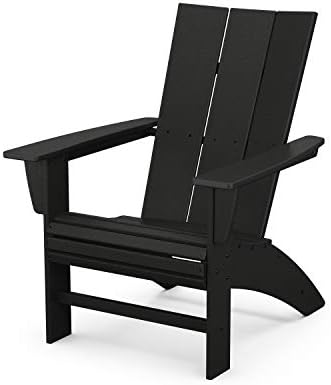
Compare the best color adirondack chairs by material and finish, from painted wood to fade resistant plastic, with prices, care tips, and color advice.
Choosing a chair color sounds simple until you picture it on your own deck. A bold red looks cheerful in a product photo, yet it may clash with your siding, fade unevenly in strong sun, or show pollen and dust after one windy week. The best color adirondack chairs balance three things: a shade you enjoy looking at, a finish that holds that shade outdoors, and a material that suits your climate and budget.
This guide compares the main types side by side, explains how each finish ages, and walks through sizing and care. The comparison table below sums up the types first, then the sections after it explain which color and material pairing fits your yard, your sun exposure, and the look you want to keep for years.





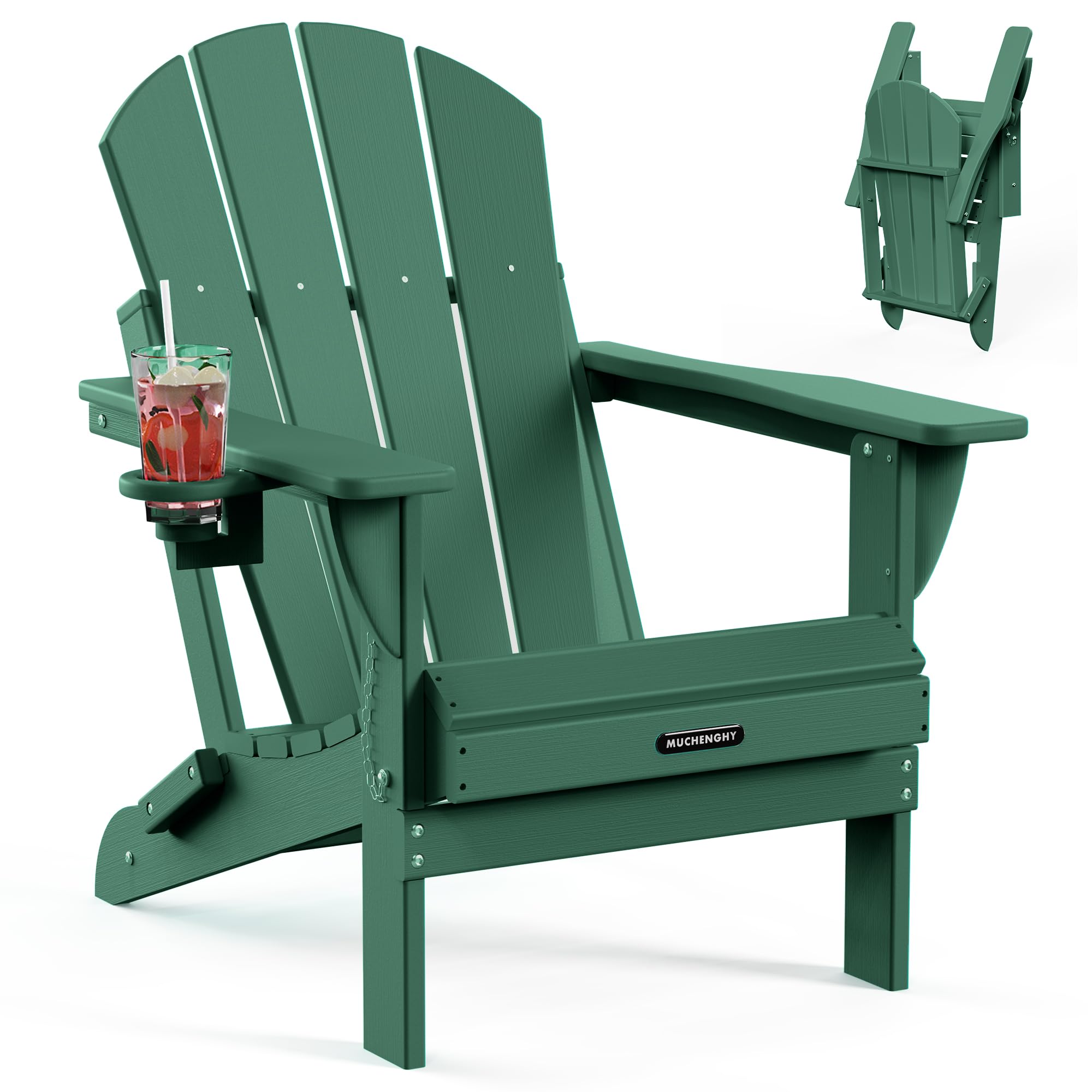

Types of Color Adirondack Chairs Compared
Color on an outdoor chair comes from the material itself, from paint, or from stain, and each route ages differently. The table gives the short version, and the sections below it explain how each type behaves after a few seasons outside.
| Type | Best For | Pros | Cons | Typical Price |
|---|---|---|---|---|
| Painted Wood | Classic bold colors | Widest color choice, easy to repaint | Paint can chip, needs touch ups | about $90 to $220 |
| Stained Wood | Natural wood looks | Grain shows through, easy to refresh | Fewer color options, fades to gray | about $100 to $260 |
| Recycled Plastic | Low upkeep yards | Color runs through the board, resists fading | Heavier, higher starting price | about $180 to $400 |
| Natural Finish Wood | Rustic settings | No coating to peel, ages to silver gray | Needs oil or accepts weathering | about $120 to $300 |
Painted Wood Chairs
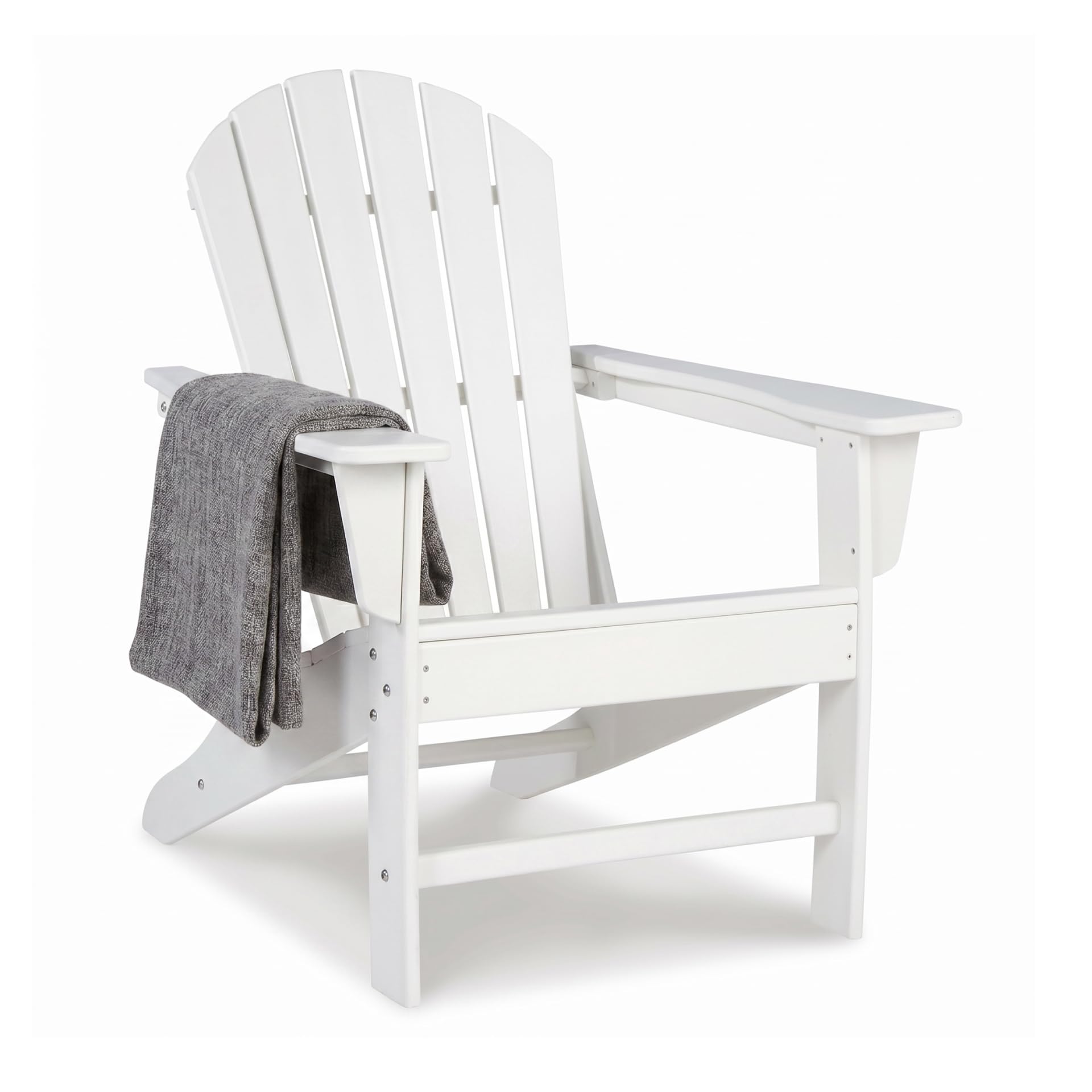
Painted wood chairs offer the widest color range, from white and navy to barn red and forest green, because paint sits on the surface and can be mixed to almost any shade. Our guide to best paint colors for adirondack chairs walks through the most popular shades and where each one works best. Pine chairs cost the least, while cedar and acacia hold paint better in wet climates. The trade off is upkeep: paint eventually chips at the armrests and seat edges, and a chair in full sun may need touch ups every two or three seasons to keep the color even.
Stained Wood Chairs
Stain soaks into the wood instead of coating it, so the grain stays visible under tones like walnut, mahogany, and weathered gray. That makes stained chairs a good middle ground for people who want color without hiding the wood. Stain does not peel, yet it does fade, and most owners refresh it every one or two years with light sanding and a fresh coat. Color choices are narrower than paint, mostly browns, grays, and a few tinted options. For a deeper look at tone options before you commit, see our guide to best stain colors for adirondack chairs.
Recycled Plastic Chairs in Solid Colors
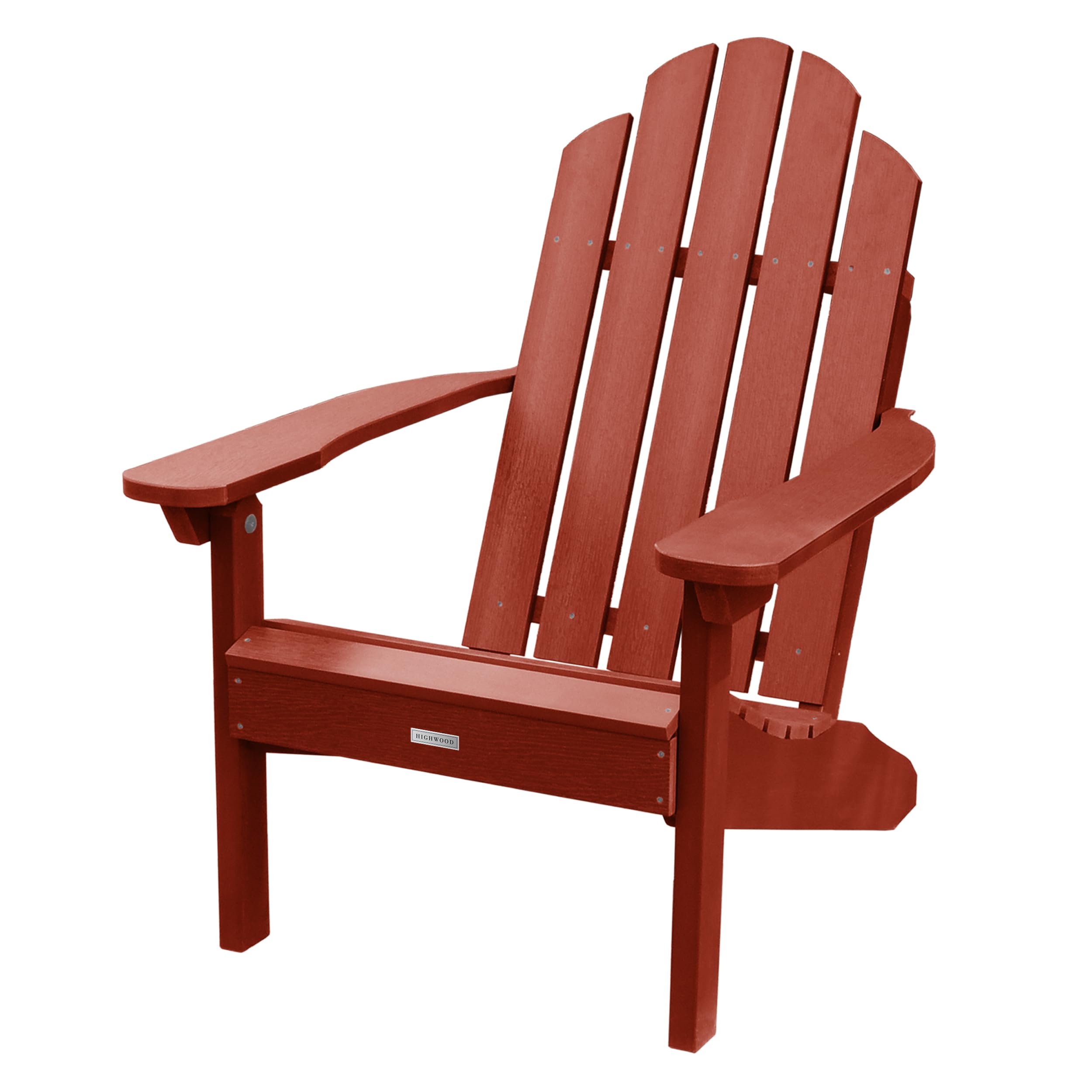
Recycled plastic chairs, often called poly lumber chairs, have color mixed through the whole board rather than applied on top. A scratch does not reveal another color underneath, and boards carry fade warranties because the pigment includes UV protection. These chairs come in a set palette of solids, including bright shades like lime and tangerine that painted wood rarely matches for durability. They cost more up front and feel heavier, which helps in wind but makes rearranging the yard slower.
Natural Finish Wood Chairs
Natural finish chairs in cedar, teak, or cypress rely on the wood itself for color, sealed with clear oil or left bare. Left bare, cedar and teak weather to a silver gray within a year or two, which some owners love and others see as neglect. Oiling once or twice a year keeps the warm brown tones closer to new. This type suits rustic yards and lake houses where a changing patina feels right, with no coating to peel or flake.
Painted Wood vs Recycled Plastic: Which Should You Choose?
These two types cover most buyers. On color choice, painted wood wins easily, since any paint shade is possible. On fade resistance, recycled plastic wins, because the color runs through the board and fades slowly and evenly. On upkeep, plastic needs only soap and water, while painted wood needs inspections and touch ups. On price, painted pine starts lower, yet plastic often costs less over a decade because it rarely needs refinishing. Choose painted wood if you love a specific shade and enjoy light maintenance; choose recycled plastic if the chairs will sit in harsh sun and you want the color to stay put.
How to Choose the Right Adirondack Chair Color
A color that looks right in a store can misbehave outdoors. The three checks below keep the choice practical: how the shade fits your setting, how it handles sun and heat, and whether the chair itself fits the people using it.
Match the Color to Your Setting
Start with the fixed colors around the chairs: siding, decking, stone, and fencing. Neutral shades like white, gray, and sage blend with almost anything and hide dust well, which suits formal patios and small yards where chairs sit close to the house. Bold colors like red, teal, and yellow work best as accents in large yards, near pools, or at lake houses where the chairs are the focal point. If you buy a set, one consistent color reads calmer than a mix, unless a playful mixed set is the look you want. The same contrast thinking applies indoors, as our guide to best color for chairs explains.
How Colors Handle Sun and Heat
Sunlight fades dark and bright pigments faster than pale ones, so a navy or red chair on an unshaded south facing deck will lighten sooner than a white one. Dark colors also absorb heat: black and dark brown seats can feel hot against bare legs on a summer afternoon, while white and sand shades stay noticeably cooler. If your chairs will sit in full sun all day, lighter colors or fade warrantied plastic boards are the safer pick, and placing chairs where they get afternoon shade extends any finish.
Size, Dimensions, and Weight Capacity
Color aside, the chair must fit. Standard adirondack chairs sit low, with seat heights around 13 to 16 inches, which some older users find hard to rise from; taller designs with seats near 18 inches ease that. Check the seat width, usually about 20 to 24 inches, and the listed weight capacity, commonly about 250 to 350 pounds. Deeper seats suit tall sitters, while a more upright back suits readers. Measure your space too, since the reclined back and wide arms give each chair a footprint near 30 by 36 inches. Build quality matters as much as fit, and our guide to best quality adirondack chairs explains the joinery and hardware signs to check.
How to Make Your Adirondack Chairs Last Longer
Wash every chair each spring with mild soap and water, and rinse well; mold and pollen left on a finish will stain it over time. Touch up chipped paint before moisture reaches bare wood, restain stained chairs when water stops beading on the surface, and reoil natural wood if you want to slow the graying. Covers or indoor storage over winter add years to any finish. If your chairs sit near a fire pit, keep them at a safe distance from heat and flying sparks, and never leave the fire unattended. On long sunny afternoons, look after yourselves as well as the chairs: use sunscreen, drink water, and take shade breaks.
Color Adirondack Chairs: Your Questions Answered
Which adirondack chair colors fade the least in strong sun?
Light colors fade the least visibly because there is less pigment to lose. White, sand, and light gray chairs can sit in full sun for years with only mild change, while red, navy, and black show fading sooner and less evenly. Material matters as much as shade: color through plastic boards fade slower than surface paint on wood. If your deck has no shade, pair a pale color with a fade resistant material for the longest lasting look.
Do dark colored adirondack chairs get hot to sit on?
Yes, dark chairs can get uncomfortably hot in direct summer sun. Black and dark brown surfaces absorb more heat than pale ones, and plastic boards hold that heat longer than wood because they are denser. A cushion or a light colored throw solves most of the problem, and moving the chairs into afternoon shade helps too. If your yard faces south or west with no tree cover, mid tone and light colors are the more comfortable everyday choice.
Can I repaint a faded adirondack chair a new color?
Yes, painted wood chairs are the easiest chairs to recolor. Sand the old finish until it feels smooth, wipe away the dust, then apply an exterior primer and two thin coats of outdoor paint, letting each coat dry as the maker directs. You can switch from a light shade to a dark one freely, while going from dark to light may need an extra coat. Recycled plastic is different: its color runs through the board, and paint rarely bonds well to it.
How long does the color on an adirondack chair usually last?
It depends on the finish and how much sun the chair gets. Paint on wood typically looks fresh for about two to four years before chips and fading call for attention, and stain often needs a refresh every one to two years. Color through plastic boards change the slowest, often holding their shade for a decade or more with only slight lightening. Covered storage in winter and a partly shaded spot can nearly double the life of any finish.
Are bright colors harder to keep clean than neutral colors?
Not in the way most people expect. Very light colors like white show mud, pollen, and mildew spots clearly, while very dark colors show dust and dried water spots. Mid tones such as sage, slate, and weathered gray hide both kinds of marks best, which is one reason resorts and rental properties choose them. All finishes clean the same way, with soap, water, and a soft brush, so pick the shade you like and plan a quick wash each spring.
Wrapping Up
The right choice comes down to finish first and shade second. Decide how much upkeep you accept, how hard the sun hits your yard, and whether the color should blend in or stand out, then pick from the product table above with those answers in mind. Do that, and the best color adirondack chairs for your home will still look good long after the first summer.