Best Cleaner for Outdoor Furniture Cushions: Matching the Right Model to Your Routine for 2026
Disclosure: We may earn a commission when you buy through links on this page, at no extra cost to you. As an Amazon Associate I earn from qualifying purchases. Learn more

Pollen, mildew and sunscreen stains need different formulas. Pick the best cleaner for outdoor furniture cushions by fabric code, format and stain type.
There is no single cleaner that suits every patio, because cushions face different fabrics, different messes, and different cleaning habits. A light spray that handles weekly pollen on acrylic may do little for mildew on canvas, while a strong concentrate may be more than a small balcony set ever needs. Choosing the best cleaner for outdoor furniture cushions starts with matching the formula to your fabric and your routine, not with picking the biggest bottle.
This guide walks through who needs each type, the features that actually change results, and the mistakes that can fade color or leave residue behind. Use the comparison table below to narrow your options by format and purpose, then read the sections that fit your cushions most closely.


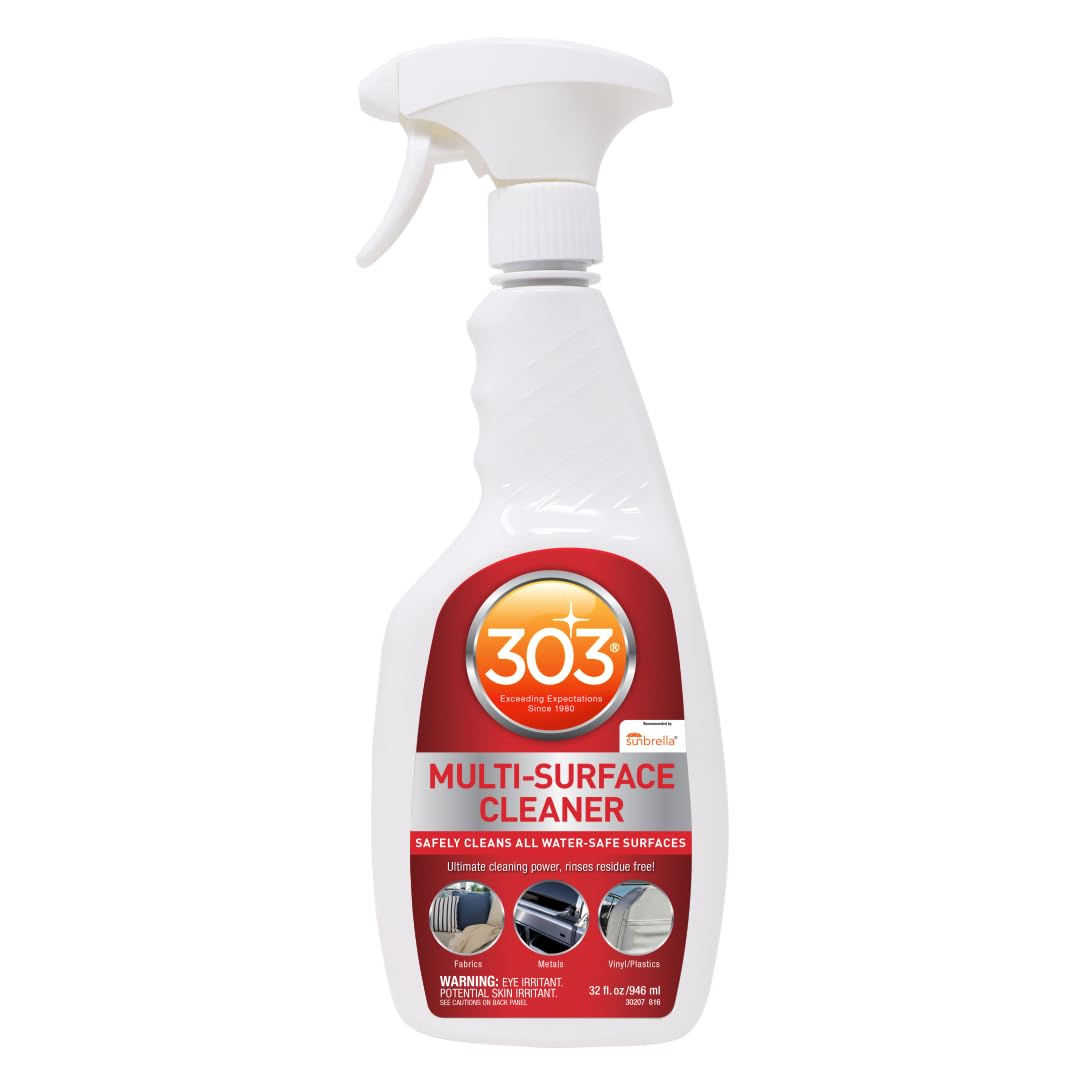

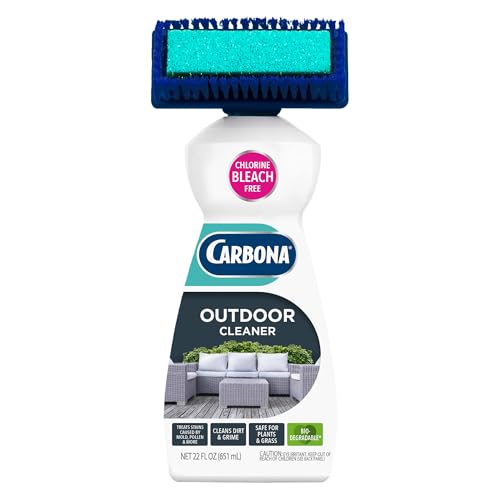

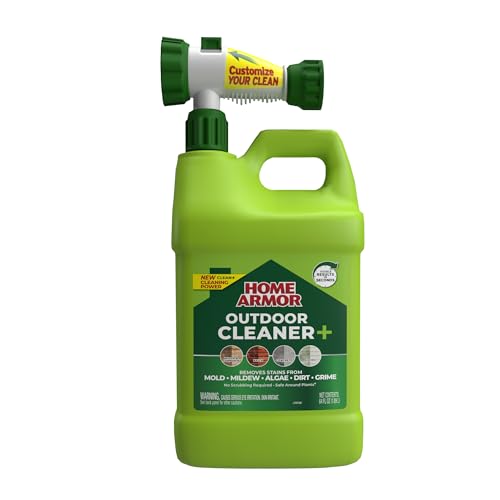


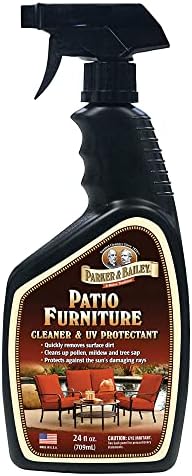
Who Should Buy Which Cleaners?
Start with how you actually use your outdoor seating. Someone who wipes cushions down every week needs speed and gentleness, while someone who uncovers a stored set each spring needs stain lifting power. Your fabric matters too, since a cleaner that is safe on vinyl may be too harsh for a delicate woven cover.
For First Time Buyers
If you have never cleaned patio cushions before, choose a ready to use spray with clear fabric directions and a short dwell time. You avoid measuring, mixing, and guessing, and you can learn how your covers react on one small area first. Look for a label that names your fabric type and states plainly whether rinsing is required. A fragrance free option is a calm starting point if strong scents bother you or your guests.
For People Who Want the Best Performance
If your cushions sit under trees or stay out through humid weather, you likely need heavy duty formulas made for mildew spots, tree sap, and ground in grime. Performance comes from dwell time and agitation, so pick a cleaner that allows several minutes of contact and works well with a soft brush. A gel can help because it clings to vertical cushion backs instead of running off.
For Value Seekers
If you clean a large sectional or several chairs at once, a concentrate usually gives you the lowest cost per cleaning. You mix only what you need, store a smaller bottle, and can adjust the strength within the label range for light or heavy soil. Concentrates and refills also reduce how often you buy a new spray bottle. The tradeoff is effort, because you must measure and label your diluted bottle.
For Gift Shoppers
A cleaner can be a practical part of a housewarming or new patio gift when it is simple and broadly compatible. Choose a ready to use spray with plain directions, a secure cap, and no mixing steps. A mild, fragrance free formula is safer to give than a strong specialty product, since you may not know the cushion fabric.
Key Features to Compare
The product table above can help you sort formats quickly, but the label details below decide whether a cleaner fits your cushions. Read them in order, starting with safety, because a powerful cleaner that damages your fabric is never a good buy. Then weigh format and stain performance against how often you clean. If you are still deciding on the cushions themselves, see our guide to the best outdoor furniture cushions for fabric background before you choose a cleaner.
Ingredients and Safety
Check the ingredient approach before anything else, especially if children or pets use the seating. Many everyday cushion cleaners avoid bleach, which matters because bleach can weaken fibers and strip color from patterned covers. Products with the EPA Safer Choice label have met a program standard for safer chemical ingredients, though you should still follow every label direction. If a cleaner claims it will disinfect, that claim only holds when you keep the surface wet for the full time stated on the label.
Also think about where the rinse water goes. A biodegradable formula can be a better fit near garden beds, but biodegradable does not mean you can pour leftover mix onto plants. Direct runoff to a drain or a bare area away from roots where local rules allow, and let cushions dry fully before anyone sits down.
Format: Spray, Gel, Wipes, and Concentrate
Sprays suit quick spot work and regular upkeep because you can target one stain without soaking the whole cushion. Gels cling well on chair backs and thick edges, giving the formula more contact time on stubborn marks. Wipes are handy for a single chair, but they become costly and wasteful across a deep sectional. A concentrate suits large sets, while a ready to use bottle suits small spaces where simplicity matters most.
Eco Friendly Packaging
Packaging affects both storage and waste over a full season. Refill pouches and concentrate bottles cut plastic per cleaning because one container supports many uses, and a sturdy reusable spray bottle lasts longer than a thin one. Look for refill sizes that match how much you truly use, because the largest refill is not a saving if it sits open for years and loses strength.
Features That Matter for Outdoor Furniture Cushions
Cushion covers carry cleaning codes, and those codes should shape your choice. A W code means water based cleaning is allowed, an S code means solvent based cleaning only, WS allows either, and X means vacuum only with no liquid cleaner at all. Removable covers add another question, since zippers let you treat the cover evenly and rinse it without soaking the foam inside. If your covers are not removable, favor a low moisture method and extra drying time so the inner foam does not stay damp.
Color deserves the same care as fabric type. Dark covers can show pale residue, so a streak free rinse matters more on them, while white covers show mildew and sunscreen marks quickly. If color choice is still open for your next set, our guide to the best color for outdoor furniture cushions explains how shade affects visible dirt and fading.
Effectiveness on the Specific Mess
Match the cleaner to the mess in front of you instead of expecting one formula to do everything. Pollen and dust usually lift with a mild cleaner and light brushing, while cooking grease and sunscreen need a formula that can break down oils. Mildew spots call for a product that names mildew on the label, plus sun and air while drying. Hard water from sprinklers can leave pale mineral marks similar to limescale on frames and vinyl, and those marks respond to mineral focused cleaning rather than extra scrubbing.
Technique changes results as much as chemistry does. Work from the outside of a stain toward the center so you do not spread it, and blot rather than grind the brush into woven fabric. Rinse until the water and the cloth come away clear, because dried residue attracts new dirt and can make a clean cushion look dull within weeks. When you compare results, the best cleaner for outdoor furniture cushions is the one that lifts your main stain without leaving that residue behind. For a broader comparison, see our guide to the best cleaner for outdoor cushions alongside this one.
Common Mistakes to Avoid When Buying Cleaners
- Choosing by price alone, because the cheapest bottle can cost more later if it fades color or fails on mildew and must be replaced.
- Ignoring the fabric cleaning code, because a water based cleaner on an X code cover can soak the filling and leave lasting odor.
- Buying a large concentrate for a tiny balcony set, because opened product may lose strength before you use it up.
- Assuming natural always means gentle, because plant based ingredients can still irritate skin or affect delicate dyes.
- Skipping a hidden spot test, because a cleaner that is fine on one cover can lighten a different dye in minutes.
- Overlooking rinse needs, because a formula that needs heavy rinsing is a poor fit where water access is limited.
How to Make Your Cleaner Last Longer
Store the bottle upright with the cap fully closed, in a shaded place that stays above freezing and away from strong heat. Heat and sunlight can weaken many formulas over time, and a loose cap lets air in and invites spills. Keep concentrates in their original container so the mixing directions and warnings stay with the product. If you dilute a mix into a spray bottle, write the product name, the mix strength, and the date on the bottle.
Use only as much as the label directs, since doubling a concentrate does not double cleaning power and often leaves more residue to rinse. Always read the label before a new season, because directions can differ between a spray and a concentrate from the same maker. Never mix bleach with ammonia or with acids, and work in moving air so fumes do not build up. When a cleaner smells unusual or stops performing as promised, replace it rather than adding more per use.
Good cushion habits extend the life of every bottle too. Brush loose dirt off dry cushions before it rains, and store covers dry so mildew has less chance to start. If a cushion is torn or flattened beyond comfort, cleaning will not restore it, and our guide to the best replacement cushions for outdoor furniture can help you plan the next step.
FAQs
What features matter most in cleaners for outdoor furniture cushions?
Fabric safety matters most, followed by stain type and rinse needs. Check the cleaning code on your cover, confirm the formula names your main mess, and decide whether you can rinse fully where you clean. Also confirm the label gives a clear dwell time, since vague directions often lead to rushed and uneven results.
What cleaners for outdoor furniture cushions should never be mixed together?
Bleach based cleaners should never be mixed with ammonia or with acidic products such as vinegar based cleaners. Mixing can release harmful gases, and the risk holds even in small amounts in a bucket or spray bottle. Use one product at a time, rinse tools and surfaces fully between products, and empty any leftover mix safely instead of combining it with a fresh batch. If a label warns against mixing, treat that warning as absolute.
Is cleaner for outdoor furniture cushions safe to use around kids and pets?
Most cushion cleaners are safe for family use when you follow the label and let surfaces dry completely before contact. Keep children and pets away during cleaning and rinsing, and store bottles closed and out of reach afterward. If a child or pet swallows cleaner or shows irritation, follow the label first aid guidance and contact a professional or poison control right away.
Are natural cleaners for outdoor furniture cushions as effective as regular formulas?
Natural cleaners can handle dust, pollen, and light food marks well, especially when you clean often and give the product enough dwell time. They may work more slowly on mildew, sap, or heavy grease, where heavy duty formulas are often stronger. The word natural is not a promise of safety or strength, so judge by the label claims and your fabric code.
How often should you use cleaner on outdoor furniture cushions?
Use a full cleaner when visible soil, spots, or odor appear, and rely on dry brushing and plain water spot rinses for light weekly dust. Cushions under trees or near a grill may need attention every few weeks in season, while covered sets in dry climates may need far less. Cleaning too often with strong formulas can wear dyes and fibers, so match frequency to actual dirt rather than a fixed calendar.
The Bottom Line
The right choice comes down to three checks: your fabric code, your most common mess, and the format you will actually use each season. First time buyers do well with a simple spray, large sets reward a concentrate, and shaded humid patios often need a stronger stain focused formula. Compare your shortlist in the product table above, test any new product on a hidden area, and let cushions dry fully before use. Chosen that way, the best cleaner for outdoor furniture cushions is simply the one that fits your cushions, your messes, and your routine.