Best Color Cushions for Outdoor Furniture: Matching the Right Model to Your Routine for 2026
Disclosure: We may earn a commission when you buy through links on this page, at no extra cost to you. As an Amazon Associate I earn from qualifying purchases. Learn more

Compare the best color cushions for outdoor furniture by fade resistance, fabric and fill so the shade you pick lasts in sun and shade.
There is no single shade that suits every patio, porch, and pool deck, because sun, shade, and daily use change what a color has to handle. Choosing best color cushions for outdoor furniture starts with your routine, how many hours of direct sun the seats get, how often people eat outside, and how much cleaning you will actually do. The comparison table below gives you a quick way to compare colors and fabrics side by side.
Light shades keep seats cooler and brighten shaded corners, while deep shades hide pollen and splash marks but absorb more heat. Patterns hide everyday dust between cleanings and set the mood of the whole space. This guide walks through color choice by use case first, then covers fabric, fill, sizing, and care so you can match a set to your furniture and climate.


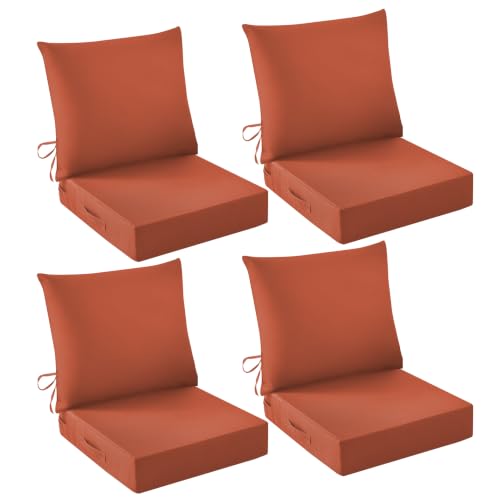

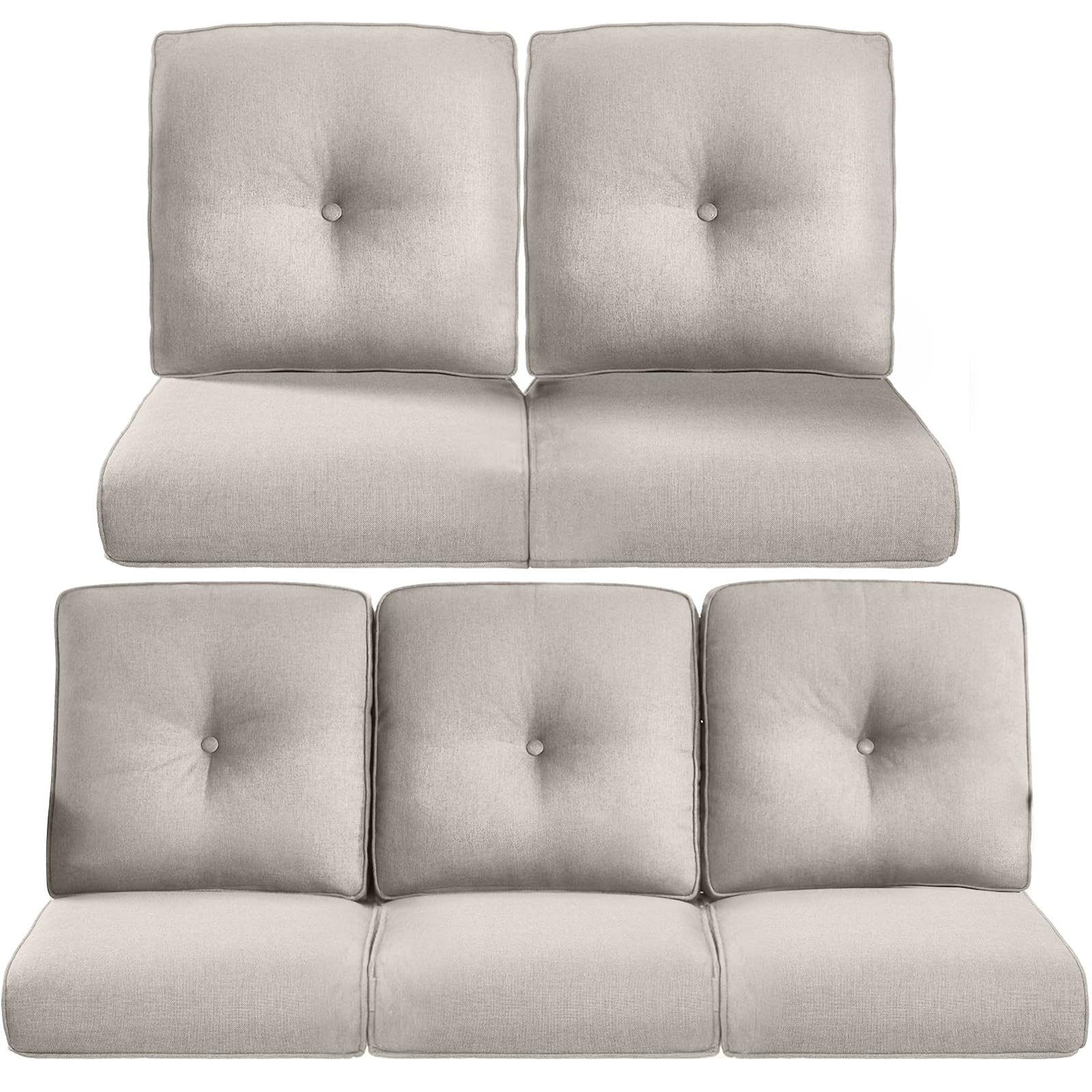
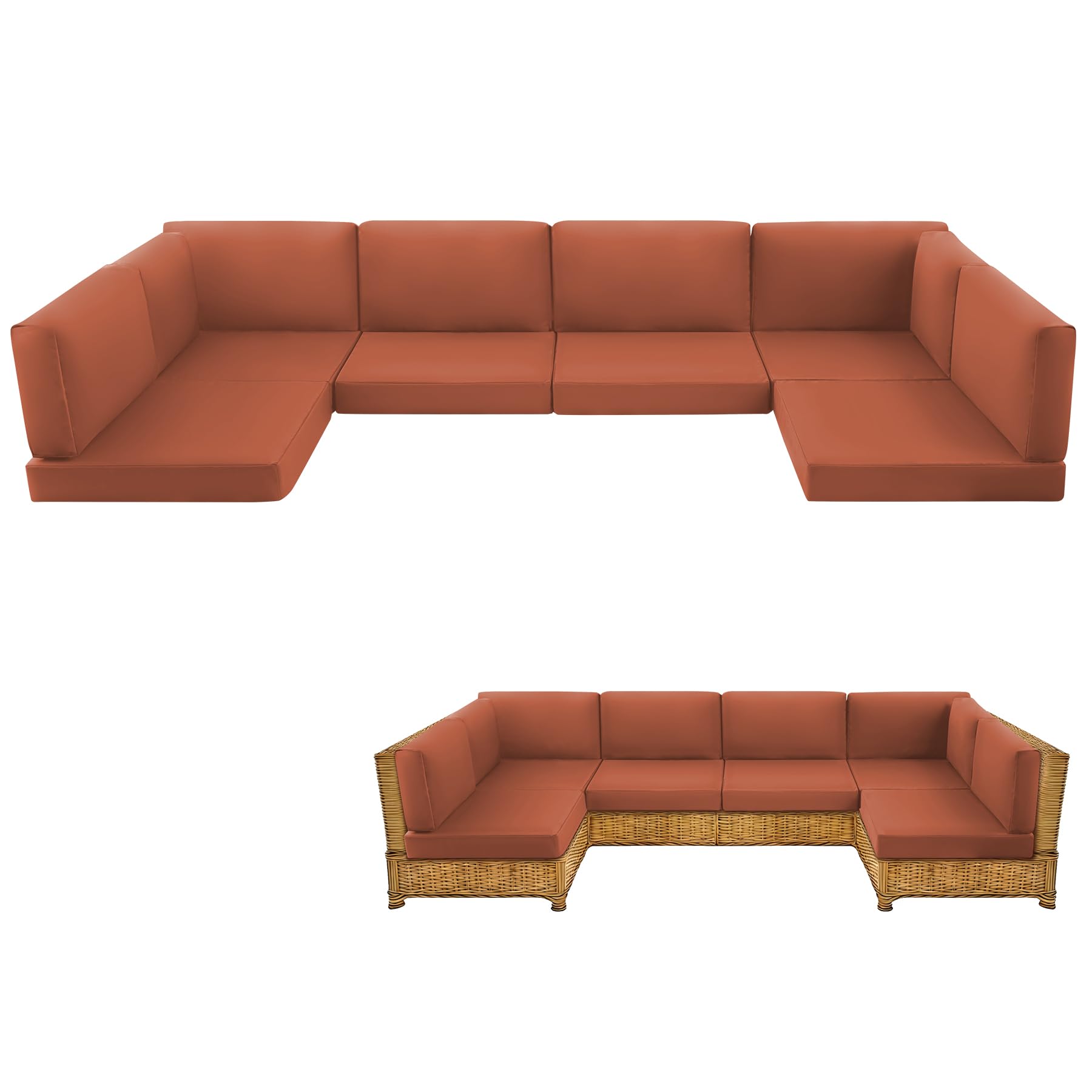


Who Should Buy Which Color Cushions?
Start with the spot where the cushions will live, not with a color chart. A seat that bakes in afternoon sun needs a different shade and fabric than a chair under a covered porch. If you would rather skip cushion care entirely, see our guide to the best outdoor furniture without cushions for lower upkeep seating ideas before you commit to fabric at all.
For Patios in Full Sun All Day
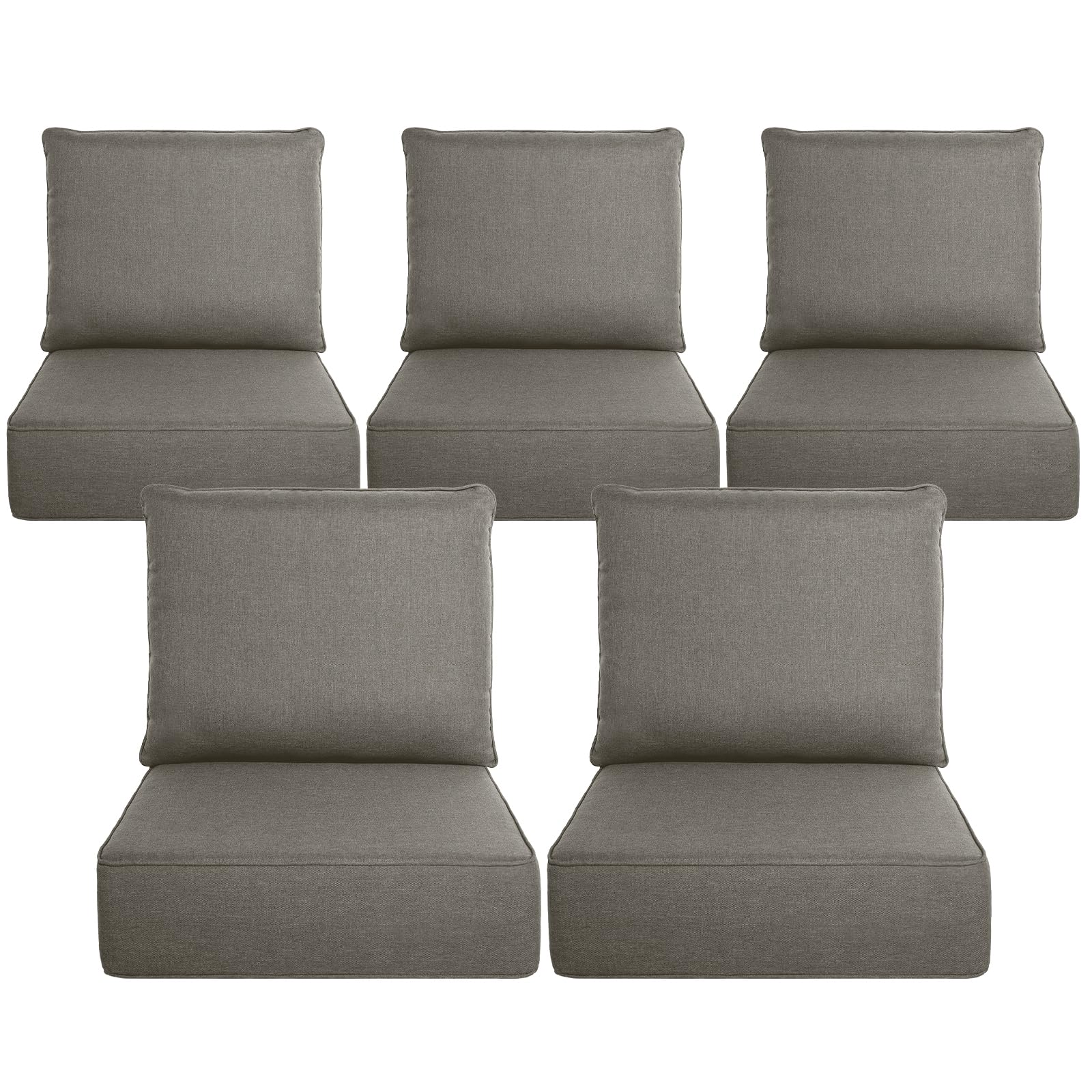
You need colors that resist fading and stay comfortable when the fabric gets warm. Look for solution dyed fabrics in mid tone shades such as warm gray, taupe, sage, or faded terracotta, because pigment runs through the fiber and mid tones show less change over time than very dark or very pale shades. Avoid pure white in harsh sun, since glare can feel tiring and any splash or leaf stain stands out at once. Pair the shade with a quick drying fill so a passing shower does not leave seats soggy for hours.
For Covered Porches and Shaded Decks
Shade gives you more freedom, because fading slows down and heat buildup matters less. This is the place for deeper colors like navy, forest green, or burgundy, and for soft light colors that would stain too fast in an open yard. Watch moisture instead, since shaded fabric dries slowly and can develop mildew if it stays damp. Choose covers with good airflow, store cushions upright after rain, and pick a fill that sheds water rather than holding it like a sponge.
For Poolside Seating and Outdoor Dining
Seats near water and food face sunscreen, wet towels, and spills at almost every gathering. Busy patterns and mid tone solids hide small marks best, while smooth tightly woven fabrics release sunscreen and food residue with a simple wipe. Blues and greens suit pool areas and stay visually cool, but test a dark shade in direct sun because it can feel hot on bare legs.
Key Features to Compare
The product table above is a useful starting point, but color alone tells you little about how a cushion will look after a full season outside. When you compare the best color cushions for outdoor furniture, weigh the five factors below together, because fabric, fill, and shade work as a system. A beautiful color on the wrong fabric will fade or stay damp no matter how carefully you clean it.
Fabric Choice and How Color Holds Up in Sun
Fabric decides how long any color lasts outdoors. Solution dyed acrylic carries color through each fiber, so sunlight and cleaning cause far less fading than surface dyed polyester, which can lighten within a single strong season. Olefin is another durable option that resists moisture and stains and holds mid tone colors well. If you want a deeper look at shade selection itself, see our guide to the best color for outdoor cushions and compare its advice with the sun exposure in your own yard.
Cushion Fill, Support, and Drying Speed
Fill shapes comfort and decides how fast a cushion dries after rain. Dense foam gives firm even support for dining chairs and benches, but solid foam can hold water if the cover lacks vents or drainage. Wrapped foam with a polyester layer balances support with a softer surface for lounge seating. Loose polyester fill feels plush at first yet flattens faster and suits back pillows better than seat cushions.
Light Shades, Dark Shades, and Heat
Color changes how a seat feels on a hot afternoon, not just how it looks. Dark cushions absorb sunlight and can become uncomfortably warm on bare skin, while pale shades reflect light and stay noticeably cooler in the same spot. Pale fabric shows soil, pollen, and pet hair more quickly, so it needs more frequent brushing and washing. A practical middle path is a mid tone seat cushion with lighter or patterned throw pillows, which keeps heat moderate and lets you refresh the look by swapping small pieces.
Patterns, Solids, and Hiding Dirt and Pollen
Patterns earn their keep in busy yards because stripes, small prints, and textured weaves disguise dust and pollen between cleanings. Solid colors give a calmer look and make it easier to match replacement pieces later, since a plain dye lot is simpler to coordinate than a discontinued print. Light pollen shows less on pale yellow and light gray, dark soil shows less on brown and charcoal, and leaf stains show less on green tones.
Covers, Ties, and Zippers That Make Care Easier
Small construction details decide how easy a color is to keep looking fresh. Removable covers with zippers let you wash the fabric before stains set, which matters most for light colors. Ties or straps keep cushions from sliding and bunching, and bunching creates uneven wear and uneven fading across the surface. Check that replacement covers are sold for the style you choose, because recovering costs less than replacing the whole set.
How to Measure and Match Cushions to Your Furniture
Measure each seat before you order, because outdoor frames vary more than indoor chairs. Record the width, depth, and thickness of the old cushion or of the seat frame itself, and note whether corners are square or rounded. A cushion that is too small shifts and exposes the frame, while one that is too large buckles and wears at the folds. If your frames are still sound, see our guide to the best replacement cushions for outdoor furniture for sizing help focused on refits.
Match color to the frame and the setting, not only to your taste. Warm wood frames pair well with cream, terracotta, and deep green, while black or white metal frames suit almost any shade and look sharp with strong contrast. Look at the flooring and nearby plants as well, since a cushion color that echoes your deck stain or garden foliage tends to look settled rather than random. For complete patio sets with mixed chair styles, see our guide to the best outdoor cushions for patio furniture for layout ideas across a whole set.
Order one cushion first when you can, and view the color outside at the time of day you use the space most. Screen photos and indoor lighting shift shades, especially blues and grays, which can look cooler outside. Sit on the sample in warm weather to judge heat and firmness together.
Common Mistakes to Avoid When Buying Color Cushions
Most regrets with outdoor cushions come from a few repeat errors that are easy to sidestep.
- Choosing white or very pale cushions for an uncovered yard, so pollen and splash marks force constant washing and the set rarely looks clean.
- Picking a dark color for seats in strong afternoon sun, so the fabric becomes too hot for bare legs and fades unevenly across the set.
- Guessing sizes from memory instead of measuring each frame, so cushions slide, buckle, or leave hard frame edges exposed.
- Ignoring fabric type and buying by color alone, so a surface dyed fabric fades fast even though the shade looked rich in photos.
- Forgetting storage for the wet season, so cushions left outside all winter develop mildew and lose color before their second summer.
How to Make Your Outdoor Cushions Last Longer
Brush loose dirt and pollen off the cushions weekly, and wipe spills the same day before they set into the weave. Wash removable covers in cool water with mild soap, then air dry them fully before putting them back, since trapped moisture invites mildew and odor. Rotate and flip seat cushions every few weeks so sun and body weight wear the fabric evenly. If you are comparing full sets while you plan care, see our guide to the best outdoor furniture cushions for construction details that affect upkeep.
Store cushions in a dry ventilated spot during long wet spells and through winter, standing them on edge so air can move around them. Avoid sealed plastic in humid weather, because condensation builds inside and stains fabric. Lift cushions after heavy rain so the underside dries fully.
Frequently Asked Questions
What colors fade least on outdoor furniture cushions in full sun?
Mid tone colors on solution dyed fabric fade least in full sun. Shades like warm gray, taupe, and sage change slowly and evenly, so small shifts stay hard to notice across a set. Very dark colors show fading as pale patches, and bright reds lose depth quickly on cheaper surface dyed fabric. Rotating cushions so each one shares the sunniest spot also keeps fading even from month to month.
Do dark outdoor furniture cushions get too hot to sit on?
Yes, dark outdoor furniture cushions can get uncomfortably hot in direct sun. Black and deep navy absorb far more heat than pale shades, which can matter for shorts and bare legs at midday. In a shaded or breezy spot the difference shrinks a lot and dark colors work well. One useful test is to place a dark towel on the seat at your usual hour and sit on it before ordering a full set.
How do you clean outdoor furniture cushions without fading the color?
Clean outdoor furniture cushions with cool water, mild soap, and a soft brush, then rinse well and air dry. Harsh bleach and strong detergents strip dye and weaken fibers, so reserve bleach only for plain white fabrics whose care label allows it. Treat stains promptly, test any cleaner on a hidden corner first, and wash all cushions in a set the same way so they age at the same rate and keep matching.
Should outdoor furniture cushions match the frame color exactly?
No, outdoor furniture cushions usually look better with contrast or a close tone rather than an exact match. An exact match can look flat and makes small color differences between materials stand out in daylight. Cream cushions on dark wood or charcoal cushions on white metal give clear definition and hide wear well. Pull one color from nearby planters, an umbrella, or outdoor rugs to tie the set together without matching everything.
How thick should outdoor furniture cushions be for dining chairs and lounge chairs?
Dining chairs work best with cushions about 2 to 3 inches thick, while lounge chairs usually need about 4 to 6 inches. Thin firm pads keep dining posture upright and let chairs slide under the table, and thicker cushions spread weight during long relaxed sits. Back cushions can be softer and thicker than seat cushions on the same chair. Always check that added thickness still lets your knees clear the table edge and armrests.
Final Thoughts
Start with sun and use, then choose fabric, then pick the shade. A solution dyed fabric in a mid tone that suits your light and hides your local dirt will look good far longer than a trendy color on weak fabric. The product table above can help you compare sizes, fabrics, and shades once you know which group fits your space.
Measure carefully, test one cushion outside if you can, and plan simple weekly care and dry storage from the start. With those basics in place, the best color cushions for outdoor furniture for your home are simply the ones that stay comfortable, cleanable, and true to color season after season.