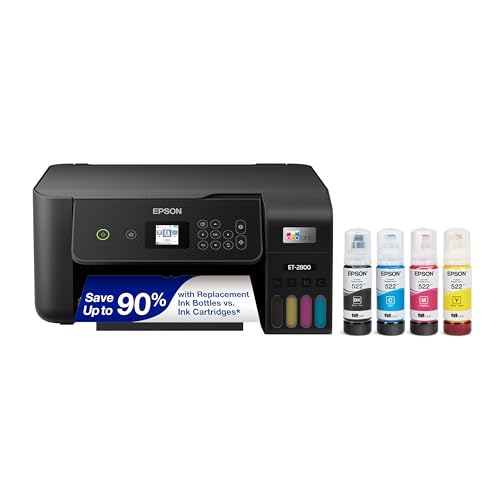
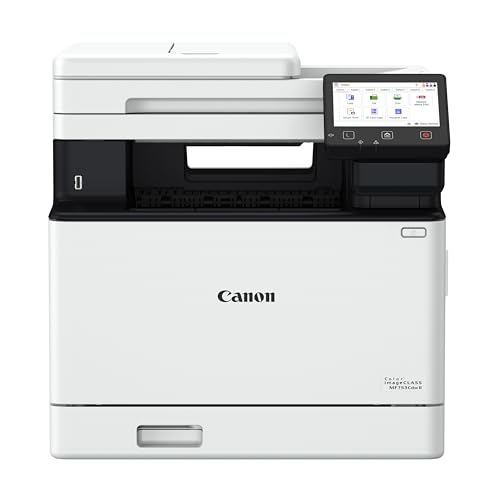
Best Color Inkjet Printers for Home Office: A Buyer Checklist for 2026
Disclosure: We may earn a commission when you buy through links on this page, at no extra cost to you. As an Amazon Associate I earn from qualifying purchases. Learn more

Use this checklist to choose the best color inkjet printers for home office, covering speed, duplex printing, paper capacity, ink costs, and setup.
A home office printer works harder than a casual home machine. It handles reports before a deadline, scans signed pages, and prints color charts that need to look sharp in a meeting. That is why this guide treats best color inkjet printers for home office shopping as a checklist exercise rather than a race for the longest feature list.
Work through the criteria below in order, score each candidate against them, and use the comparison table below to see which type of machine matches your weekly workload.
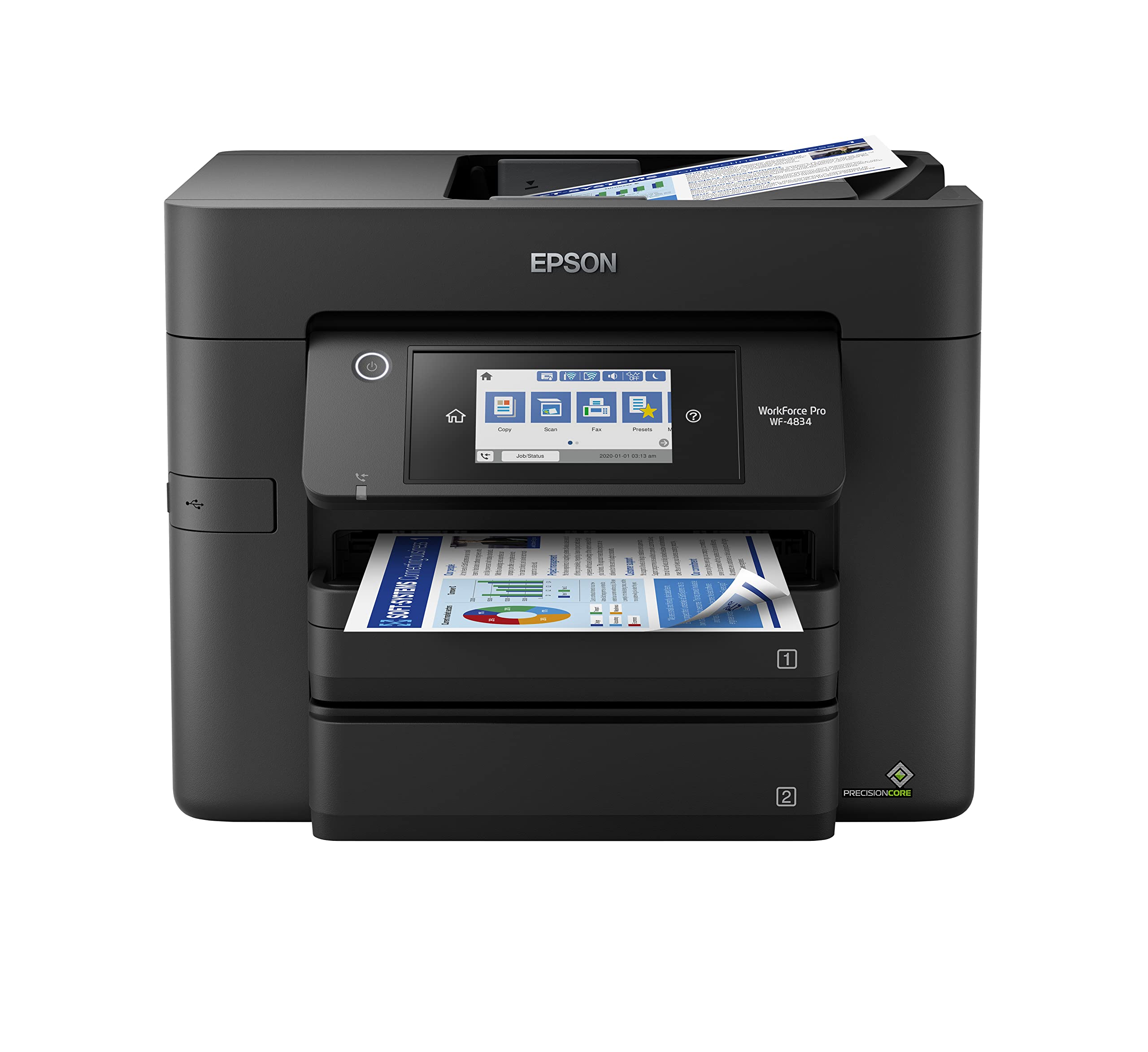


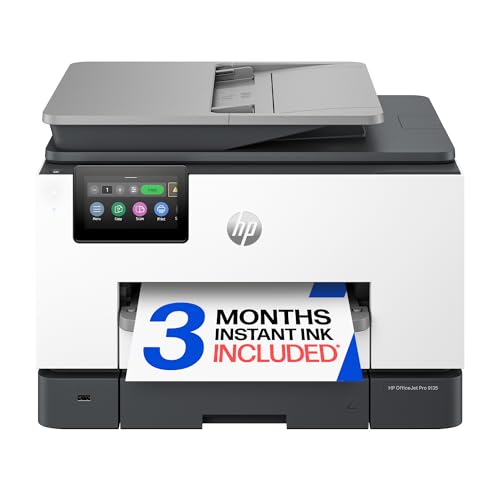
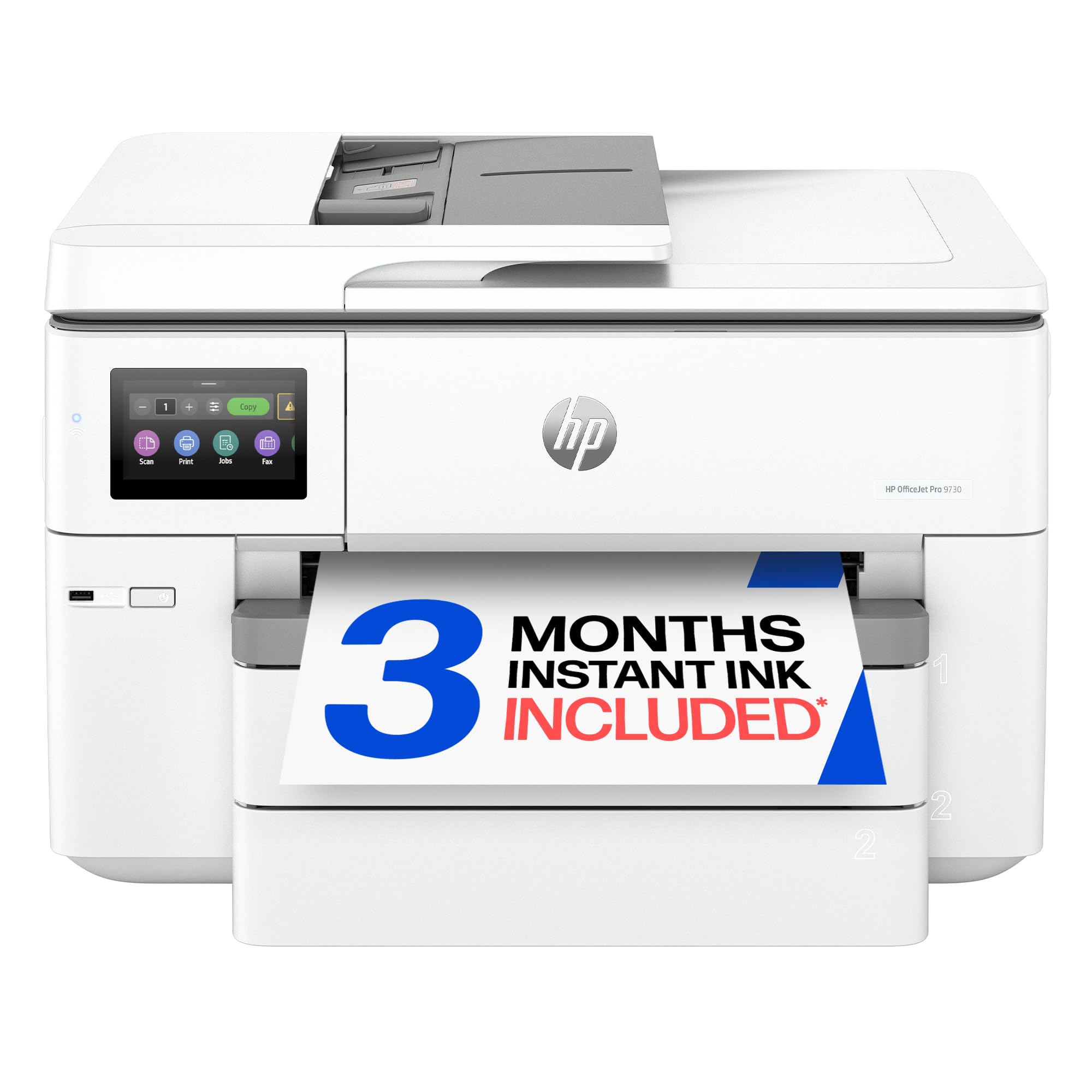
How We Evaluate Color Inkjet Printers
Each criterion below includes a practical threshold, so you can judge a specification sheet without guessing. A printer that passes most of these checks will feel dependable during a busy work week.
Features That Matter for Home Office
Home office work mixes text documents, color presentations, scanning, and copying in a single day, so an all in one design is the sensible baseline. Look for an automatic document feeder that holds at least 20 sheets, automatic two sided printing, and a flatbed scanner for books and thick items. A color screen with clear menus speeds up copying and scanning to email. These features matter more than novelty extras, because you will use them every week, and each one removes a small delay that adds up across a working month.
Printer Type
Inkjet suits a home office that prints color regularly, because it handles graphics and photos as well as text. Ink tank versions of the same technology suit higher volumes, since their bottles lower the cost of every page. Laser machines print text faster and can be better for a document only office, which is why some readers also compare the best home office color laser printers before deciding.
Footprint and Noise
A home office is often a spare room or a corner of a bedroom, so size and sound shape your comfort. Measure your desk depth and check the printer dimensions with the output tray extended, because that is the space it truly needs. Compact models around the width of a standard laptop desk shelf fit most setups. Noise ratings are given in decibels, and lower is better for calls. A quiet mode helps during video meetings, though it slows printing. Place the printer on a stable surface away from your microphone to keep vibration and fan sound off your calls.
Print Speed
Print speed is measured in pages per minute, often shortened to PPM. For a home office, look for at least 10 pages per minute in color and faster for black text, so a 20 page report does not stall your morning. Treat maker figures as best case numbers, since they are measured on simple pages with light coverage. Real documents with charts and images print more slowly on any machine. First page out time matters too: a printer that wakes and prints the first page within seconds feels faster across a day of short jobs than a higher PPM rating suggests.
Print Quality and Resolution
Resolution is measured in DPI, meaning dots per inch, and higher numbers can produce finer detail. For office work, text sharpness matters more than the highest DPI figure, because clients judge a proposal by clean letters and solid color blocks. Check that the printer handles color graphics without banding, which shows as stripes across large filled areas. A practical know how point: print your test page on the paper you actually use, since cheap thin paper can make a good printer look mediocre by letting ink soak through and blur fine text.
Paper Handling and Duplex
Paper handling decides how often you stop work to refill or clear a jam. A main tray holding at least 150 sheets suits most home offices, and a rear feed slot helps for envelopes, labels, and thicker stock. Automatic duplex, meaning two sided printing without manual flipping, halves paper use on long documents and looks more professional. Confirm the printer supports the paper sizes you use, such as legal size for contracts. If you print from several computers, our guide to the best inkjet printers for home office covers shared access in more depth.
Three Price Tiers That Pass the Checklist
Instead of naming specific models, this section describes what each price tier generally delivers, so you can match any candidate in the product table above to the right expectations.
The Balanced Tier
The balanced tier, usually around $200 to $350, is where most home offices should shop. Machines here typically add an automatic document feeder, duplex printing, a larger tray, and ink tank or generous cartridge options to the basic feature set. Color quality is strong enough for client facing material, and speeds suit a full work day. The limitation is usually size, since these models are wider and heavier. If you print every day and scan every week, this tier gives the best mix of capability and running cost without moving into small business pricing.
The Value Tier
The value tier, usually around $100 to $200, covers offices that print a few times a week rather than all day. Expect solid text and color, wireless printing, and scanning, but a smaller tray and slower handling of long documents. Cartridge costs need watching in this tier, so calculate cost per page before you buy. The main limitation is endurance: light duty cycles mean heavy months can wear the machine faster. For a side business, school administration, or a part time remote role, this tier keeps the purchase sensible while still looking professional on paper.
The Heavy Use Tier
The heavy use tier, usually around $350 to $600, focuses on volume. Ink tank systems dominate here because their running costs stay low across thousands of pages. Expect larger trays, faster duplex printing, higher monthly duty ratings, and sturdier feeders that jam less with mixed paper. These machines are bigger and cost more upfront, which is the main trade off. Choose this tier if two or more people share the printer, or if you print reports, handouts, or mailings weekly. Readers with lighter needs can compare the best color inkjet printers for home guide for smaller scale criteria.
Quick Buyer Checklist
- Does it print, scan, and copy in one machine?
- Does the document feeder hold at least 20 sheets?
- Is automatic two sided printing included?
- Does the main tray hold at least 150 sheets?
- Is the cost per color page acceptable for your volume?
- Does it connect by dual band WiFi and support phone printing?
- Does it fit your desk with the output tray open?
- Is the warranty at least one year with clear support options?
If a candidate fails more than two of these questions, keep looking. Our comparison of the best color printers for home office can help you widen the search beyond inkjet models.
Red Flags to Watch For
- Vague specifications. A listing that hides pages per minute, tray size, or duty cycle numbers is asking you to guess at core performance.
- Very cheap replacement ink from unknown sellers only. If reputable ink is hard to find, you may face clogs and poor color with no good alternative.
- A strikingly low purchase price with costly cartridges. This pattern often means the maker profits from ink, and your yearly cost can exceed the printer price.
- A short warranty with paid support only. Office equipment needs backup, and a warranty under one year signals low confidence from the maker.
- No current drivers for your operating system. Without updated software, scanning and wireless features can fail after a routine computer update.
How to Make Your Color Inkjet Printer Last Longer
Print a color page at least once a week to keep nozzles clear, because inkjet heads clog when they sit dry. Use genuine ink or a reputable alternative, keep spare ink on hand so you never leave a tank empty, and store paper flat and dry. Place the printer on a level surface with ventilation space around it, and update firmware when the maker releases a fix. These habits cost little and prevent most of the faults that send office printers to recycling early.
Frequently Asked Questions
What features matter most in color inkjet printers for home office?
A document feeder, duplex printing, and low cost per page matter most, because they shape daily speed and yearly cost. One point buyers often miss is scan quality for archived paperwork: a scanner with at least 1200 DPI optical resolution keeps small print on receipts and contracts readable years later. Check that before purchase if you scan records you must keep for tax or legal reasons.
Inkjet or laser: which is cheaper long term?
For a color printing home office, inkjet with an ink tank is usually cheaper long term, while laser wins for very heavy text only printing. The crossover depends on your color share. If most pages carry color charts or images, laser toner costs for four cartridges add up quickly. Track your last three months of printing before deciding, because an honest page count beats a guess and often surprises people in one direction or the other.
Are ink tank printers worth it?
Yes, for a home office that prints weekly, ink tank models are usually worth the higher purchase price. Bottles can cover thousands of pages, so a busy office may go a year or more between refills. A practical extra is workflow: transparent tanks let you order ink before it runs out, which avoids the classic deadline morning with an empty cartridge. Just confirm bottle prices for your shortlisted type, since they vary between makers.
What does cost per page mean?
Cost per page is the ink cost of one printed page, calculated from the price of a cartridge or bottle divided by its page yield. Remember that yield tests use pages with light coverage, while office documents with logos, charts, and shaded tables use more ink. A sensible approach is to compare models using the published figures, then assume your real cost will be somewhat higher across the board, which keeps the comparison fair.
Can one inkjet handle both documents and color photos?
Yes, most color inkjets handle both, and the difference is mainly in the paper trays and ink system. A model with a rear feed slot or a dedicated photo tray makes glossy paper easier to load, while a plain paper tray and document feeder keep daily office work quick. If photos are a big part of your work, check that the printer lists the photo paper sizes you use before you order.
Our Verdict
Score every candidate against the checklist: document feeder and duplex first, then cost per page, then paper capacity and footprint. The right tier depends on your weekly volume, not on the longest feature list. With that approach, the best color inkjet printers for home office choice becomes clear, and the product table above will confirm which style fits your budget. If your printing is mostly personal with occasional work tasks, the guide to the best inkjet printers for home may match your needs better.