Best Color Inkjet Printers for Home: Which One Fits the Way You Use It for 2026
Disclosure: We may earn a commission when you buy through links on this page, at no extra cost to you. As an Amazon Associate I earn from qualifying purchases. Learn more

Learn how to choose the best color inkjet printers for home with clear guidance on ink costs, print quality, paper handling, and wireless printing.
There is no single printer that suits every household, because homes print in very different ways. A family printing school projects, a crafter printing labels, and a parent printing the odd boarding pass all need different things from best color inkjet printers for home shopping. Start with your habits, not with the longest feature list you can find.
This guide sorts the choice by use case first, then walks through ink costs, paper handling, and wireless features. Use the comparison table below to see how the main types line up, then read the sections that match how you actually print each month.
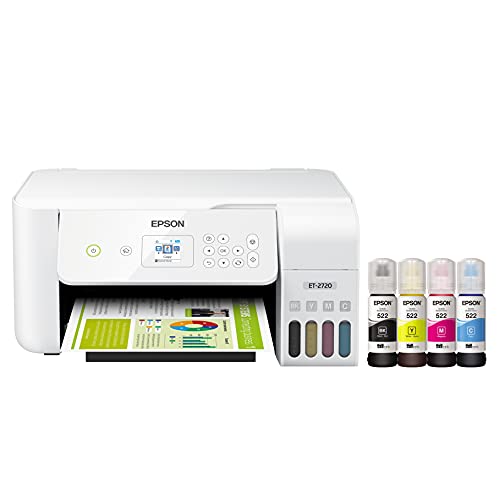
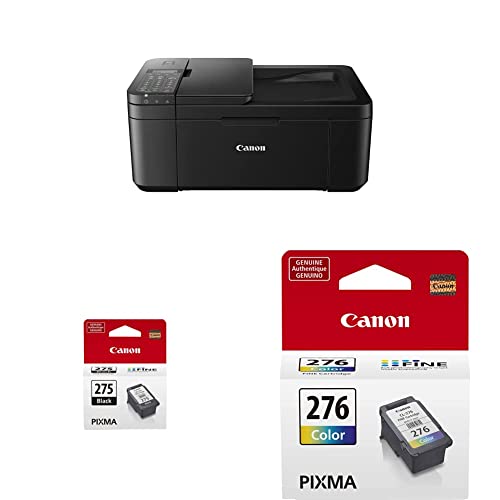
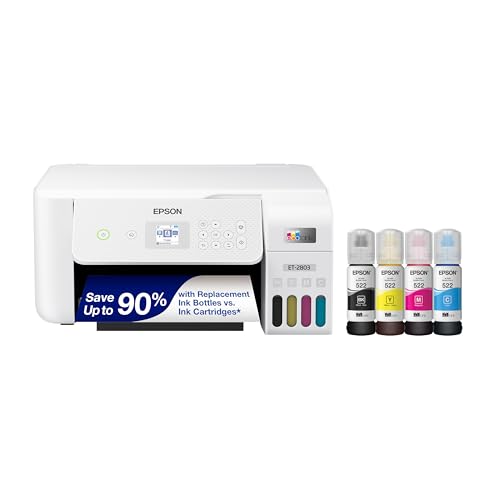


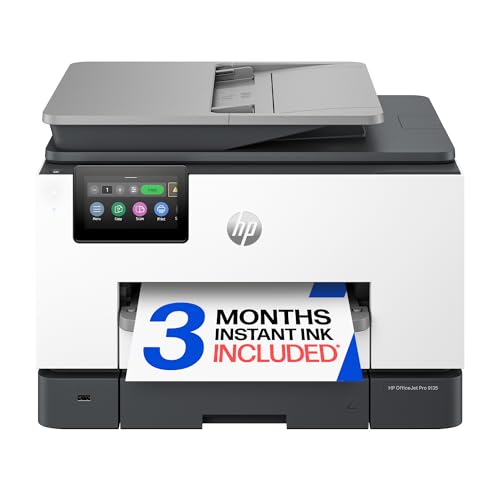
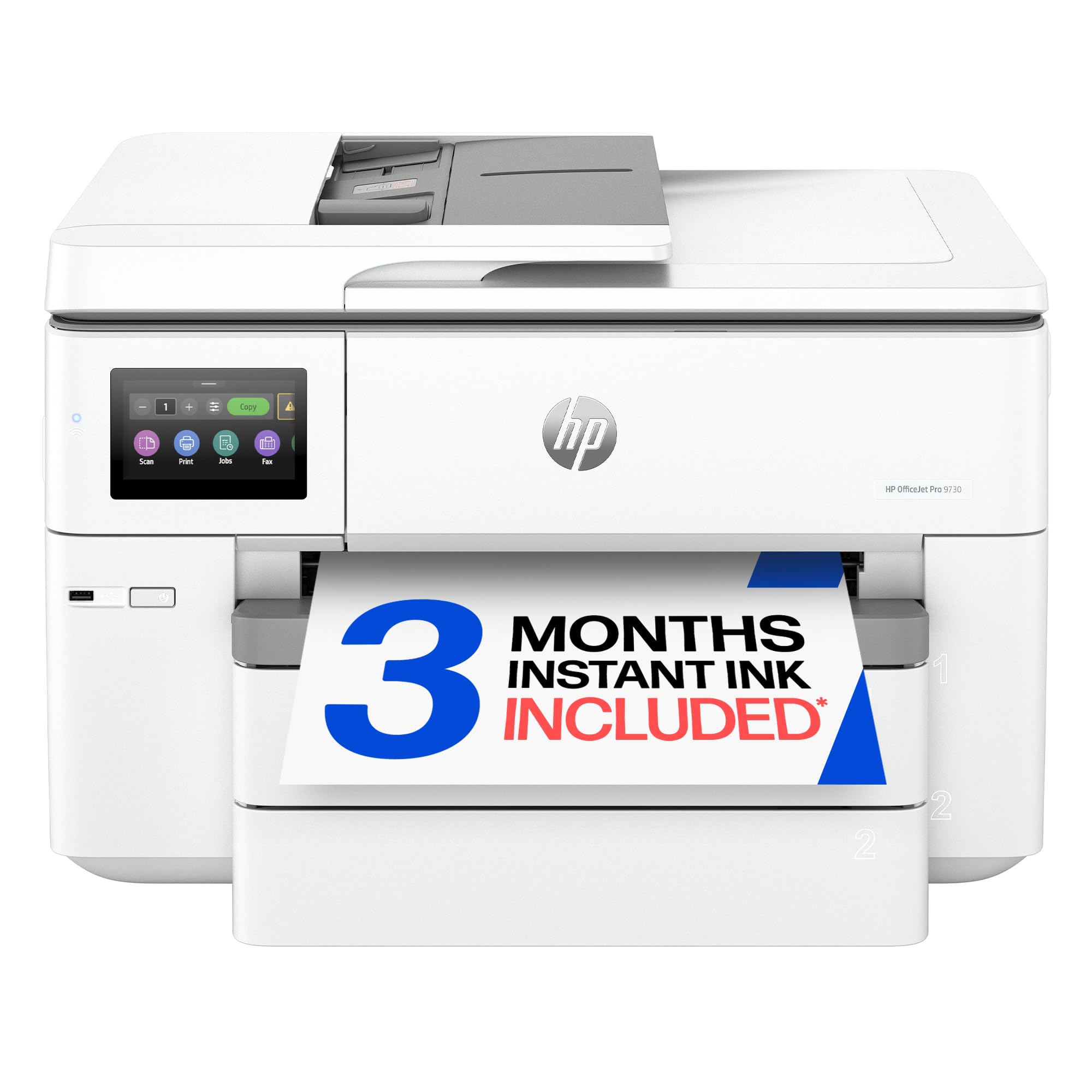
Who Should Buy Which Color Inkjet Printers?
Matching the printer to the person prevents the two most common regrets: paying for speed you never use, and buying a low priced machine whose ink costs surprise you later. The three groups below cover most homes, and many households sit between two of them, so note which description sounds closest before you compare prices.
For Busy Households and Power Users
If your home prints often and prints varied material, from game guides and character sheets to return labels and event tickets, you want a model that starts fast and handles mixed paper sizes without fuss. Prioritize a generous input tray, automatic two sided printing, and a clear control screen so switching tasks takes seconds. Strong WiFi matters here because several people and devices will send jobs at once. A printer that keeps a steady connection and clears its queue without errors will feel far better in daily use than one with a slightly higher headline speed but clumsy software.
For Remote Workers and Creators
Working from home adds scanning, copying, and the occasional contract or invoice to your printing mix, so an all in one design with an automatic document feeder saves real time. Creators printing photos, proofs, or artwork should look closely at color accuracy, support for thicker media, and borderless printing for standard photo sizes. If your desk also serves client calls and shared projects, you may want to compare the options in our guide to the best color inkjet printers for home office, which focuses on heavier daily output. Quiet operation matters too when the printer shares a room with your workspace.
For Students and Everyday Users
Students and light users print in bursts: essays and study notes one week, then nothing for a while. A compact cartridge or compact tank model with simple controls and a small footprint usually fits best on a dorm desk or a kitchen counter. Look for easy wireless setup, because students print from laptops, tablets, and phones in equal measure. Ink cost still matters, but at low volume the price gap between systems stays small, so convenience and reliability should lead your decision. Choose a model whose replacement ink is easy to find locally as well as online.
Key Features to Compare
Once you know your group, compare the features below in order. They affect what you pay and how the printer behaves long after the first week, which is where most buying guides stay too vague to help you.
Reliability and Support
Reliability shows up in small ways: drivers that install cleanly, firmware updates that arrive without drama, and a maker who still supports the model two or three years later. Before you buy, check that current drivers exist for your computer operating system and that the maker offers a clear warranty of at least one year. Read the support pages for your shortlisted type to see how easy it is to find cleaning and alignment instructions. A printer you can maintain yourself with guided routines will spend more time printing and less time showing error codes at the worst moment.
Connectivity and Mobile Printing
Most homes now print from phones as often as from computers, so wireless performance is a core feature, not a bonus. Dual band WiFi holds a connection better in busy homes, and AirPrint or the maker app lets guests and family members print without installing full drivers. A USB port still helps as a backup for a large file or a router problem. During setup, place the printer where the signal is strong, because a weak connection causes more failed jobs than any print setting. If you are comparing broader options beyond inkjet, our overview of the best inkjet printers for home explains how connection types differ across home models.
Cost per Page and Ink Costs
Cost per page is the ink cost of one printed page, and it decides the true price of owning the printer. Cartridge models cost less upfront but use small cartridges that can push color pages to a high cost each. Ink tank models cost more at purchase, yet their bottles hold far more ink, so each page costs much less and refills happen rarely. Print mostly text with a little color and the gap narrows. Print color often and the tank system usually wins within the first year or two of steady use.
Printer Type
Standard inkjet printers suit mixed home printing because they handle text, graphics, and photos well at a modest purchase price. Ink tank designs are the same core technology with a refillable reservoir, best when your monthly volume is high or several people share one machine. Laser printers print text faster and suit document heavy homes, but their color photo quality is weaker and the machines cost more upfront. Dedicated photo printers give the richest photo output yet make poor everyday machines.
Common Mistakes to Avoid When Buying Color Inkjet Printers
- Judging by purchase price alone. A low priced printer with costly cartridges can pass a pricier tank model in total cost within a year of regular color printing.
- Ignoring where the printer will live. Measure the shelf or desk space, and leave room for the paper tray to open and for output to land without curling onto the floor.
- Skipping the warranty and support check. Confirm the warranty length and how service works in your area before you buy, not after the first fault.
- Buying far more printer than you need. Extra trays and office features add cost and size that a light user will never benefit from.
- Forgetting paper costs. Photo paper and card stock add up, so factor your real media use into the monthly budget.
Care and Maintenance Tips
Print something in color at least once a week, even a small test page, because inkjet nozzles can clog when the printer sits idle for long stretches. Use genuine ink or a reputable alternative that the maker supports, since poor ink can cause clogs and faded color that cleaning cycles cannot fix. Keep paper stored flat in its wrapper away from humidity so sheets feed straight. Run the built in cleaning and alignment utilities only when print quality drops, because each cleaning cycle uses ink. Wipe dust from the exterior and the paper path gently with a dry cloth.
If several devices share the printer, you may also find it useful to read our broader guide to the best computer printers for home, which covers how home networks handle shared printing queues.
FAQs
Can a color inkjet printer print good photos at home?
Yes, a color inkjet can print good everyday photos, especially on photo paper with the correct paper setting chosen in the print dialog. Models with extra photo inks or a dedicated photo tray do better with skin tones and gradients, but a standard home inkjet is plenty for snapshots, school projects, and cards. For frequent large prints, look for borderless printing in the sizes you use and budget for photo paper as a running cost.
What does cost per page mean?
Cost per page means the ink or toner cost of printing one page, found by dividing a cartridge or bottle price by the number of pages it yields. A useful detail many guides skip is that makers measure yield with a standard test page that uses light coverage. Your real pages, especially photos and dense graphics, use far more ink, so your true cost per page will be higher than the published figure. Treat published numbers as a comparison tool between models, not as a promise.
Inkjet or laser: which is cheaper long term?
Inkjet is usually cheaper long term for typical home color printing, and laser is usually cheaper for heavy text printing. The deciding factor is volume. At a few dozen pages a month, a basic inkjet has the lowest total cost because the machine itself costs less. At several hundred text pages a month, laser toner yields pull ahead. Households that print photos have little real choice, since inkjet photo quality is clearly better, which keeps inkjet ahead for mixed home use.
Are ink tank printers worth it?
Yes, ink tank printers are worth it when your household prints in color every week or shares one printer among several people. The higher purchase price buys bottles that can print thousands of pages, so the savings grow with every refill you avoid buying as cartridges. They are less worthwhile if you print only a few pages a month, because the ink may sit unused for years. One extra benefit is planning: a clear tank shows the ink level at a glance, so you rarely run dry mid job.
The Bottom Line
Start with your use case, then weigh cost per page and wireless reliability above headline speed. Match the printer type to your volume, check support and warranty before you buy, and use the product table above to confirm which style fits your budget. Chosen that way, the best color inkjet printers for home become a short list of machines that fit your habits instead of a confusing wall of similar boxes. For households leaning toward richer photo and craft output, our guide to the best color printers for home use adds useful context on color focused choices.