
Best Color Changing Smart Light Bulbs in 2026: Types and Buying Guide
Disclosure: We may earn a commission when you buy through links on this page, at no extra cost to you. As an Amazon Associate I earn from qualifying purchases. Learn more
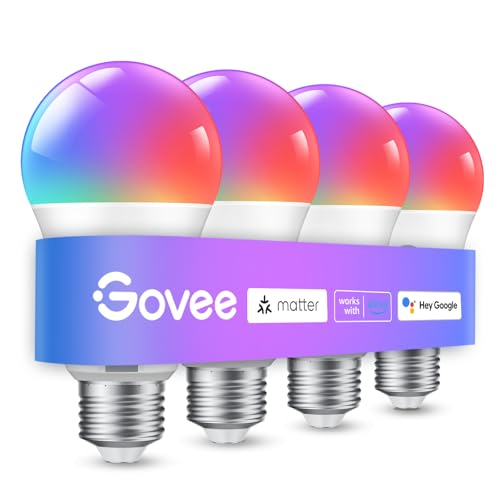
Compare the best color changing smart light bulbs by brightness, color quality, connection and fixture fit to match each room.
A single white bulb rarely suits every moment in a room. You want bright white light for cleaning and homework, soft warm light for dinner, and a calm blue or amber glow for a movie. The best color changing smart light bulbs give you all of that from one socket, controlled from your phone or by voice. Our guide to the best smart light bulbs covers the wider category if you are still weighing white only models.
This guide skips brand hype and focuses on what changes your daily experience: brightness, color quality, connection type, fixture fit, and control options. Compare the main bulb types in the comparison table below, then match a bulb to each room instead of buying a full set on impulse.


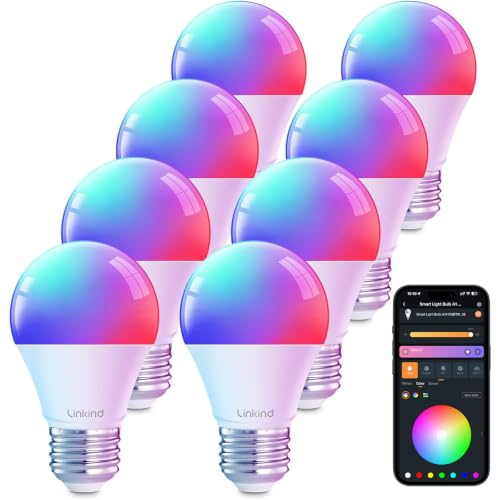


Types of Color Changing Smart Light Bulbs at a Glance
Color bulbs come in a few shapes and connection styles, and the right type depends on the fixture you already own.
- Standard A19 bulbs: The everyday shape for table lamps, floor lamps, and most ceiling fixtures with a standard screw base. This is the safest first purchase for most rooms.
- BR30 flood bulbs: A wide shape made for recessed ceiling cans. The broad beam suits kitchens and living rooms where light needs to spread across the whole space.
- Filament style bulbs: Clear glass with a visible glowing element, made for open fixtures and pendants where the bulb is part of the look. Brightness is usually lower.
- Globe and candle shapes: Made for bathroom vanities, chandeliers, and decorative fixtures where a standard shape looks out of place or will not fit.
Across all shapes, you will see WiFi bulbs that connect straight to your router, Bluetooth bulbs with a short control range, and bulbs built on Matter, Thread, or Zigbee that use a hub or border router for a more stable network.
How to Evaluate Color Changing Smart Light Bulbs
Judge every model against the same short list so marketing terms do not steer you. Check brightness in lumens, the white range in kelvins, and how rich the colors look next to a plain white bulb. Note the shape so the bulb suits the fixture, and confirm how it connects before you order. Energy use in watts and price per bulb matter most when you plan to outfit several rooms.
Ecosystem fit deserves the same attention as the bulb itself, because the app decides how pleasant daily control feels. A Philips Hue vs Govee comparison shows how two large ecosystems differ in app layout, hub needs, and scene options, and the same questions apply to any system you consider.
Who Should Buy Color Changing Smart Light Bulbs
Renters Who Want a New Look Without Rewiring
If you rent, you cannot swap fixtures or add dimmer switches, but you can unscrew a bulb. Color bulbs let you shift a dull room from cold white to warm and welcoming in minutes, and you take them with you when you move. Choose WiFi or Matter models that need no extra wiring, and keep the original bulbs so you can refit them at move out.
Families Sharing One Room for Many Tasks
A living room or kitchen that hosts homework, crafts, meals, and movie night needs light that changes with the task. Bright neutral white helps kids see schoolwork clearly, while a soft color scene in the evening signals that the day is winding down. Look for saved scenes and schedules in the app, plus group control so one tap changes every bulb in the room together.
Hosts and Creators Who Set a Scene
If you host game nights, stream, or record video in a spare room, color is a practical tool rather than a novelty. A colored accent bulb behind a desk or shelf adds depth on camera and sets a mood for guests without extra lamps. Prioritize smooth dimming and accurate colors at low brightness, and add music sync only if you host often, because that feature adds cost you may rarely use.
How to Choose the Right Smart Light Bulbs
Connection Type: WiFi, Bluetooth, Matter, Zigbee, and Thread
WiFi bulbs are the simplest start because each bulb joins your home network directly and works with no hub. The trade off is that many bulbs add traffic to your router. Bluetooth bulbs cost less and set up fast, but you control them only when your phone is nearby. Matter over Thread and Zigbee systems route signals through a hub or border router, which usually gives faster response in a home with many bulbs.
Features Worth Paying For, and Ones to Skip
Pay for saved scenes, schedules that run on their own, and an away mode that varies light while you travel, because you will use them weekly. Music sync that pulses color with sound is fun for parties but adds little for daily lighting, so skip paying extra for it if your budget is tight.
Lumens and Color Temperature
Brightness is measured in lumens, and most rooms feel well lit with about 800 lumens per bulb, equal to an old 60 watt bulb. Kitchens and work areas often feel better at 1100 lumens or more. Color temperature runs from warm white near 2700 kelvins to daylight near 5000 to 6500 kelvins. Color bulbs should offer that full white range plus saturated colors, because a bulb that does color well but gives a weak white will annoy you every morning.
Fixture Size and Placement
Measure the fixture before you buy, because smart bulbs are often a bit taller and wider than plain bulbs and may not fit inside a narrow glass shade. Leave airflow around bulbs in enclosed fixtures, since trapped heat shortens bulb life. Outdoors, only use bulbs rated for damp or wet locations in a covered fixture; our guide to the best outdoor smart light bulbs explains outdoor ratings.
Dimming and Smart Options
Smart bulbs dim inside the app or by voice, and the better models fade smoothly down to a faint glow without flicker or a sudden drop to off. Check the stated dimming range if you want a true night light level in a hallway or nursery. Scenes let you save a mix of brightness and color per bulb, so a reading scene and a movie scene can live in the same lamp.
Installation in Sockets, Lamps, and Fixtures
Most color bulbs install like any bulb: power off, screw the bulb into the socket until snug, power on, and pair it in the app. There is no wiring and no electrician for a standard socket swap. Lamps with a built in dimmer dial can starve a smart bulb of steady power, so set the dial to full. Keep the wall switch on after setup, because cutting power takes the bulb offline.
How Much Should You Spend?
Basic color bulbs cost about $8 to $15 each, and they cover scenes, schedules, and voice control for most homes. Models at about $15 to $30 each usually add better color richness, smoother low dimming, or a Matter or Thread radio. Paying over $30 per bulb makes sense mainly for a large system where hub support protects a bigger investment. Buying one bulb first to test color quality costs less than returning a full set.
Color Changing Compared With Other Smart Light Bulbs: Pros and Cons
White only smart bulbs cost less and often give slightly cleaner white light for the money, while tunable white bulbs shift from warm to cool white with no colors at all. Color bulbs earn their higher price when you use scenes and mood shifts, not just white light at full brightness.
- Pro: One bulb covers task light, warm evening light, and colored accent light, so you need fewer lamps.
- Pro: Color scenes help signal routines, such as homework time or bedtime, without extra devices.
- Con: Color models cost more per bulb, and the gap grows when you outfit a whole home.
- Con: Saturated colors are dimmer than white light from the same bulb, so color alone rarely lights a work task well.
Voice Control and Platform Fit
Check that the bulb works with the assistant already in your home before you buy a set. If your household runs on Alexa speakers, the guide to the best smart light bulbs for alexa covers routine setup in depth. Homes built around Google speakers should start with the best smart light bulbs for google home guide, which explains grouping bulbs by room for natural voice commands.
Common Mistakes to Avoid
- Buying bulbs before checking the base type and shade clearance, which leads to returns when the bulb will not fit.
- Putting a smart bulb on a wall dimmer set below full power, which causes flicker, buzzing, and dropped connections.
- Choosing Bluetooth only bulbs for a whole home, then finding the range too short to control distant rooms.
- Judging color from the app color wheel alone, because wall paint and daylight shift how a color looks in your room.
How to Make Your Smart Light Bulbs Last Longer
Heat is the main enemy of a smart bulb, because the radio and control electronics sit inside the bulb body. Use bulbs in open or vented fixtures when you can, and avoid running a bulb at full brightness inside a sealed ceiling dome for hours.
Leave the wall switch on and control the bulb through the app, a schedule, or voice, because frequent hard power cuts stress the electronics and force the bulb to reconnect each time. Update the bulb firmware in the app when prompted, since updates often fix dropouts.
FAQ
Are color changing smart light bulbs worth the extra cost?
They are worth it when you will actually use scenes and color accents in at least one main room. A simple test helps: buy color bulbs for the living room or bedroom first and keep plain smart bulbs in closets and halls. That mix keeps the cost down while putting color where you spend your evenings. If a room only ever needs plain white light, the color premium buys you nothing there.
How long do color changing smart light bulbs last?
Most are rated for about 15000 to 25000 hours of use. At three hours per day, that works out to well over ten years, so the app support may end before the light itself does. Using saturated colors does not wear the bulb faster, because the same light elements produce both white and colored light. A bulb that dies in the first year usually points to heat in the fixture or a faulty unit worth a warranty claim.
How do you clean color changing smart light bulbs?
Turn the power off and let the bulb cool fully, then unscrew it and wipe the surface with a dry or slightly damp soft cloth. Never spray cleaner straight onto the bulb and never soak it, because liquid can reach the base electronics. Dust the bulb every few months, since a dust layer dulls brightness and traps a little heat.
Can color changing smart light bulbs work without WiFi?
Yes, in a limited way. Bluetooth models pair straight to your phone and keep working during an internet outage, as long as you are within range. Hub based systems on Zigbee or Thread can also run scenes and schedules locally on the hub with no internet. What you lose without internet is remote control away from home and most voice assistant commands, because those services run online.
Do color changing smart light bulbs work with a wall dimmer switch?
Most do not work well with a traditional wall dimmer, even if the bulb itself is dimmable in the app. A wall dimmer cuts and reshapes the power the bulb expects, which can cause flicker at low settings and random color shifts. The reliable setup is a plain switch left on, with all dimming done in the app or by voice. If you need a physical control, use a wireless remote made for smart lighting.
Final Thoughts
Start with the room where light mood matters most, pick the bulb shape that fits that fixture, and choose the connection type your home can support well. The product table above pulls the short list together so you can compare brightness, white range, and hub needs side by side. Chosen with those basics in mind, the best color changing smart light bulbs turn one ordinary socket into task light, warm evening light, and a color accent you will use every week.


