
Best Cold Weather Security Cameras for Every Need in 2026: How to Pick the Right One
Disclosure: We may earn a commission when you buy through links on this page, at no extra cost to you. As an Amazon Associate I earn from qualifying purchases. Learn more

Compare the best cold weather security cameras by temperature ratings, night vision, power and storage for freezing nights.
There is no single camera that suits every cold home. A camera that thrives on a sheltered porch in Ohio may shut down on an exposed wall in Minnesota, and a battery model that lasts all summer may fade fast in January. The best cold weather security cameras match your lowest winter temperature, your power access and the distance you need to watch.
Start with how you will use the camera each day. Note your coldest nights, whether an outlet sits near the mounting spot, and whether you need clear faces at a door or a wide view of a yard. Then use the comparison table below to check temperature ratings and power types before you look at price.
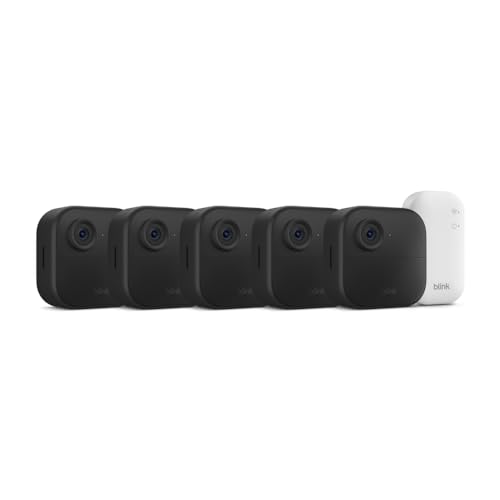
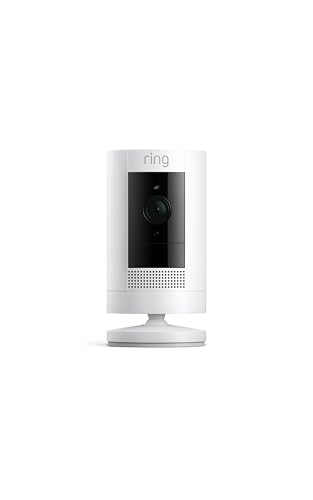
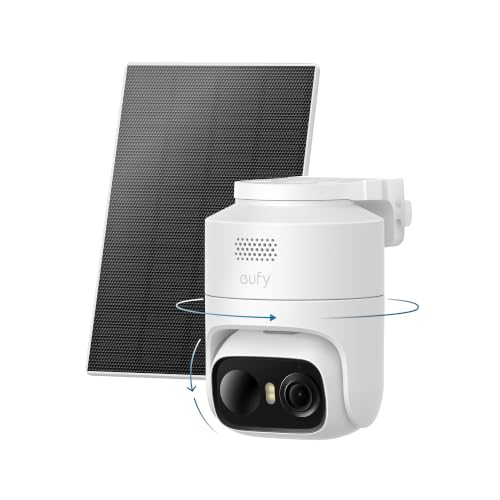


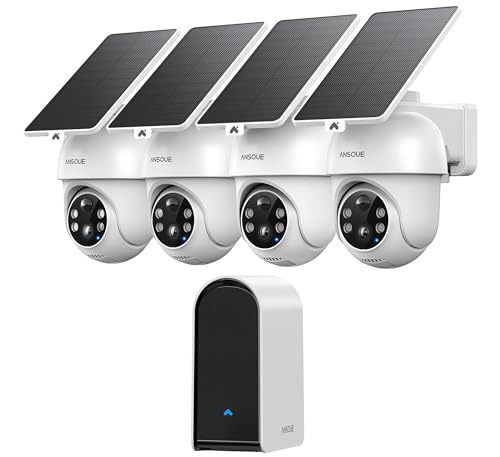
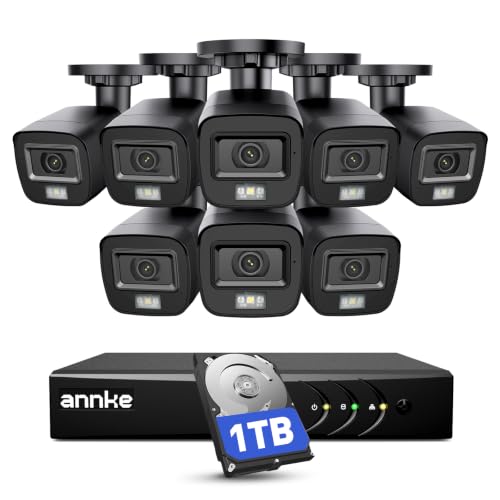

Who Should Buy Which Cold Weather Security Cameras?
Your property shape and winter pattern should drive the choice. Pick the group below that sounds most like your home, then carry its priorities into the comparisons that follow.
Homeowners Guarding Doors and Driveways Through Snow Season
You need reliable alerts when deliveries, visitors and cars arrive in the dark and in falling snow. Prioritize a low minimum operating temperature, strong night vision and person detection that ignores blowing snow. A wired model or a battery model with a spare pack suits a busy front door. If your focus stays fully outdoors, see our guide to the best outdoor cold weather security cameras.
Cabin and Rural Owners Checking Property From Far Away
You may visit only a few times each winter, so the camera must restart on its own after an outage and store video locally when the connection drops. Choose a wide field of view for yards and access roads, plus a housing that sheds ice. For wooded lots, see our guide to the best trail cameras for cold weather alongside a security model at the building.
Households With Detached Garages, Barns and Long Driveways
Your camera sits far from the router and often far from an outlet, so range and power matter more than extra resolution. A wired connection gives the steadiest feed where cable can reach, while a battery model with a large pack suits a gate or barn door. Check the wireless range in your yard, because walls and metal siding weaken the signal.
Key Features to Compare
Compare these five areas in order, because a camera that fails in deep cold cannot make up for it with a sharper picture in mild weather.
Night Vision With Infrared or Color in Snow and Fog
Infrared night vision shows a gray picture that stays clear when snow reflects light back at the lens, and it draws little power. Color night vision uses a small spotlight or a sensitive sensor to show the color of a coat or car. That spotlight can glare on falling snow and may bother neighbors. Choose infrared for long rural views and color for a short porch view where clothing color matters.
Privacy and Security With Encryption and Two Factor Sign In
Your camera records private moments, so the account behind it deserves as much care as the lens. Look for encrypted video in transit and at rest, plus two factor sign in so a stolen password alone cannot open your feed. Check whether the maker lets you delete clips from its servers and whether family sharing uses separate logins.
Two Way Audio and a Siren for Talking and Deterring
Two way audio lets you greet a delivery driver or tell a stranger at the side gate that you can see them, without opening the door in a storm. Sound quality drops in wind, so wind reduction helps your voice carry farther. A siren can startle someone trying a garage door at night, but use it with care in dense neighborhoods.
Weather Resistance, Temperature Rating and Seals
The temperature rating tells you the coldest air the camera can work in, and many winter ready models are rated to minus 20 degrees Fahrenheit or lower. A model that stops near freezing will miss the nights you worry about most. An IP65 rating means the housing resists dust and water jets, while IP66 adds protection against stronger spray and driven snow. Check that port covers seal tightly, because meltwater finds small gaps when ice thaws.
Video Resolution and Field of View for Faces and Plates
2K resolution gives enough detail to recognize a face at a porch or a plate in a short driveway, while higher resolution helps only when the lens stays clean and the light is good. Field of view decides how much of the scene fits in one frame, and most home models cover about 110 to 140 degrees. A very wide view can make a distant face too small to identify. Favor a narrower view for a long approach road.
Choosing Power, Storage and Placement for Winter Conditions
Power is where cold hurts most. Lithium batteries lose capacity as temperature falls, so battery powered wireless cameras that run for months in summer may need a charge every few weeks in deep cold. Wired power avoids that drop and suits your most important door. Solar panels help only on a sunny wall, and snow cover can pause charging for days. When you shortlist best cold weather security cameras for a distant building, value honest winter runtime over a long summer claim, and see our guide to the best wireless security cameras for cold weather.
Storage and placement decide whether winter video survives a bad week. Local storage on a card or a home hub keeps recording when WiFi drops in a storm, but choose a card rated for cold and constant writing. Cloud storage protects clips if a camera is stolen, at the cost of a monthly plan. Mount the camera about 8 to 10 feet high under a small overhang, angled down so faces pass through the center of the frame. For broader placement ideas, see our guide to the best outdoor cameras for cold weather.
Lens clarity needs its own plan in winter. Warm moist air from a dryer vent can fog a cold lens, and freezing fog can coat it with ice. Place the camera away from vents and from spots where roof runoff drips, because drips freeze into a curtain that blocks the view. A small hood and a slight downward tilt help snow slide off.
Common Mistakes to Avoid When Buying Cold Weather Security Cameras
Most winter failures come from a short list of avoidable choices.
- Buying by summer battery claims leaves you climbing a ladder to recharge in the coldest month.
- Ignoring the minimum temperature rating means the camera may stop recording on the coldest nights of the year.
- Mounting beside a bright wall light washes out faces and turns falling snow into a wall of glare.
- Choosing the widest view for a long driveway makes distant visitors too small to recognize.
- Skipping a cold rated memory card risks lost clips when the card fails in freezing weather.
Care and Maintenance Tips for Cold Weather Security Cameras
Check each camera at the start of winter and again after major storms. Wipe the lens with a soft dry cloth, clear snow with a brush rather than hot water, and confirm that mounts still feel tight after freeze and thaw cycles. Inspect cable jackets for cracks, because stiffened cable can split where it bends.
Bring spare batteries indoors to warm before charging, and never charge a frozen pack. Update the camera software while the weather is mild, confirm that alerts reach your phone, and review your storage once a season so a full card does not overwrite clips you wanted to keep.
Frequently Asked Questions
How much storage do cold weather security cameras need?
Most cold weather security cameras need about 64 to 128 gigabytes of local storage for two to four weeks of motion clips. A busy driveway fills a card faster in winter because blowing snow triggers more events. Choose continuous recording only on wired power, since it drains batteries quickly and shortens card life.
Are wired or wireless cold weather security cameras more reliable in winter?
Wired cold weather security cameras are more reliable in winter because their power never fades with temperature. Wireless models remain a sound choice where running cable is impractical, as long as you plan shorter charging intervals and keep a charged spare ready. For a critical entrance, wired power plus a battery backup covers both cold snaps and brief outages.
Can cold weather security cameras work without WiFi?
Yes, cold weather security cameras can work without WiFi when they record to local storage on a card or hub. You will lose live viewing and phone alerts until the connection returns, but the clips stay on the device for later review. This setup suits remote barns and cabins, provided you visit often enough to check the card.
Are cold weather security cameras easy to hack?
Cold weather security cameras are not easy to hack when you use a unique password and keep the software current. Most break ins trace back to reused passwords or accounts shared with too many people. Turn on sign in alerts and remove old shared users each season, so a single account problem exposes as little of your home as possible.
Do cold weather security cameras need a subscription?
No, cold weather security cameras do not need a subscription when they offer local storage and basic motion alerts for free. A paid plan usually adds cloud backup, longer clip history and smarter alerts that sort people, vehicles and animals. Add up a full year of plan cost before you buy, because a required plan can erase a low camera price over time.
The Bottom Line
Put the temperature rating first, then power, then night vision, and let resolution refine a shortlist that already survives your winter. A homeowner at a front door, a cabin owner far away and a household watching a detached garage will land on different models, and that is the point of choosing by use.
Use the product table above to compare ratings, and confirm outlet access and wireless range at the exact mounting spot before you order. When you judge best cold weather security cameras by the coldest week of your year rather than the mildest, you buy once and stay covered all season.


