Best Color Film Cameras: Everything to Know Before Your First Purchase for 2026
Disclosure: We may earn a commission when you buy through links on this page, at no extra cost to you. As an Amazon Associate I earn from qualifying purchases. Learn more

Shopping for the best color film cameras for the first time? Learn the terms, compare options, and avoid rookie mistakes with this easy guide.
Buying your first film camera feels different from buying almost any other camera, because most models are used, each one has its own history, and the film itself shapes your photos as much as the body does. This guide walks you from the basic terms to a confident shortlist, so you can judge the best color film cameras for your budget without guessing.
You will learn how film formats compare, what lens and exposure terms actually mean, and what a used camera should look like before you pay for it. Start with the comparison table below, then use the sections that follow to check each camera against your own way of shooting.




Color Film Cameras 101: The Basics for First Time Buyers
A color film camera records each photo on a strip or sheet of film coated with light sensitive layers. When you press the shutter, light reaches the film for a fraction of a second and leaves an invisible image. A lab later develops that film into negatives, then scans or prints them so you can see and share the finished pictures.
Unlike a digital camera, a film camera has no sensor, no memory card, and no screen for checking shots on the spot. That slower pace is the appeal for many people, but it also means every frame costs money and mistakes show up days later. If you want a broader look at how these models overlap with other film bodies, see our guide to the best cameras with film for extra context.
One more term matters before you shop. Color negative film, the most common choice for beginners, is forgiving of small exposure errors and is developed with the standard C41 process at nearly any lab. Slide film punishes exposure mistakes, so save it until your metering habits are solid.
Who Should Buy Which Style of Color Film Camera?
Casual Shooters Who Want Simple Everyday Photos
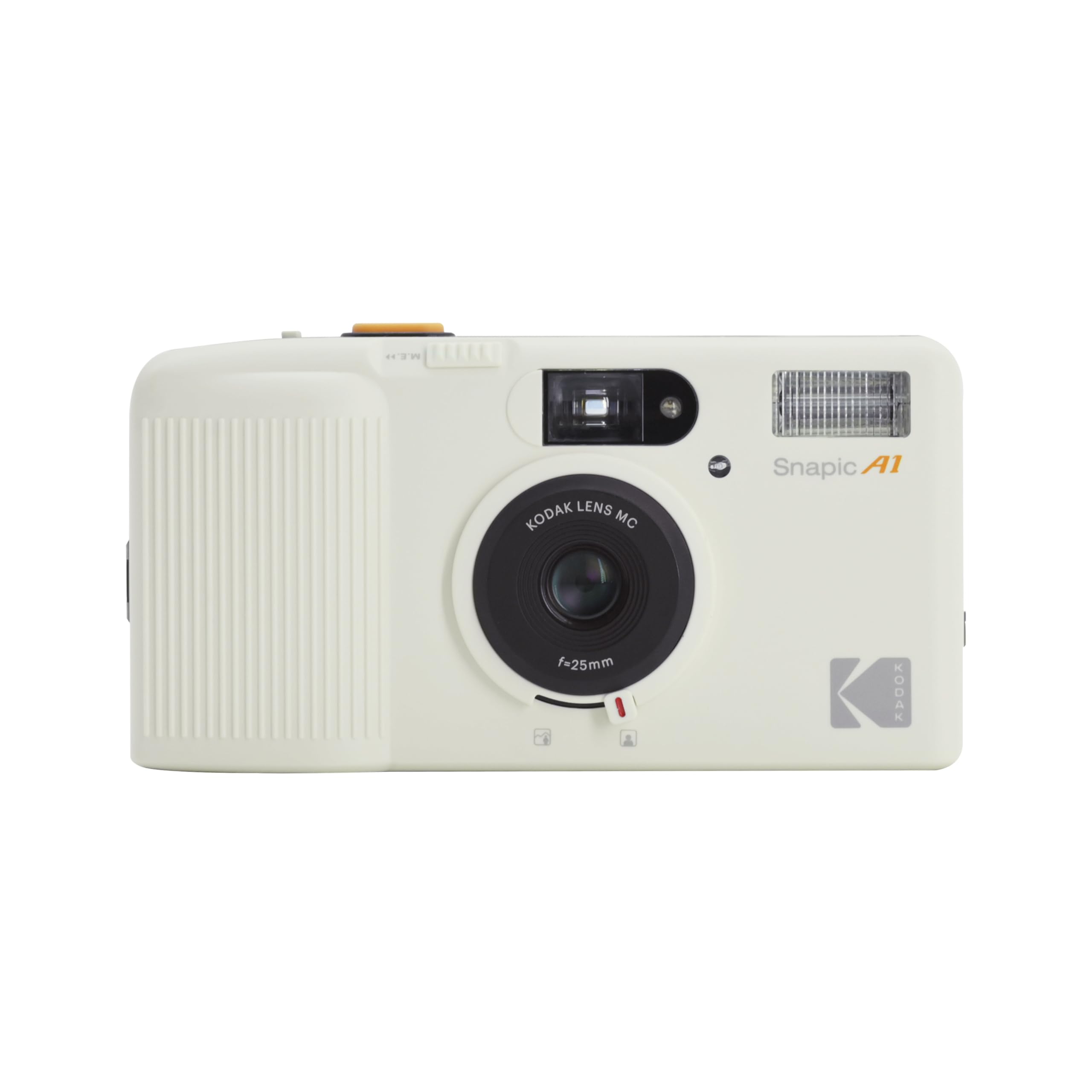
A point and shoot model with automatic exposure and a built in flash suits you if you mainly photograph friends, family gatherings, and days out. You load the film, frame the shot, and let the camera handle focus and settings. Look for a working flash, a clean lens, and a zoom or fixed lens in good optical shape.
Learners Who Want Real Manual Control
An SLR, short for single lens reflex, suits you if you want to learn how aperture and shutter speed shape a photo. You view the scene through the lens itself, swap lenses as your skills grow, and control focus by hand on most classic models. Choose a body with a working light meter and a standard 50mm lens, and plan a little practice time. Readers comparing dedicated learning bodies can also see our guide to the best starter film cameras alongside this one.
Slow Paced Shooters Who Care Most About Print Quality
A medium format camera suits you if you shoot portraits, landscapes, or projects where large prints and fine detail matter most. The waist level viewing style on many models encourages slow, deliberate work. Expect a heavier body, fewer frames per roll, and higher cost per photo, with image quality that rewards patience.
Key Specs Explained in Plain English
The spec sheet of a film camera looks short next to a digital one, yet each line changes your results. When you compare the best color film cameras side by side, work through the factors below in order, because format and lens decisions are hard to change later.
Film Format and Image Quality
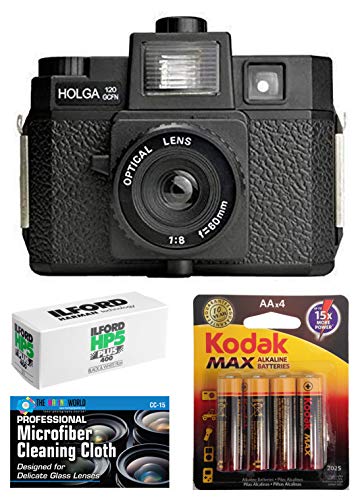
Format describes the size of each frame on the film. Standard 35mm film gives 24 or 36 exposures per roll, small cameras, and the lowest cost per shot. Half frame models fit twice as many smaller frames on the same roll, trading some detail for economy. Medium format film, usually called 120 film, gives far larger negatives, smoother tones, and better large prints, but only about 10 to 16 frames per roll and much bulkier bodies.
Lens Type and Focal Length
Some cameras have a fixed lens you can never change, while SLR and rangefinder bodies accept interchangeable lenses. Focal length, written in millimeters, describes the view: about 35mm to 50mm on a 35mm camera feels natural for everyday scenes, wider lenses suit interiors and landscapes, and 85mm or longer flatters portraits. The widest aperture, shown as a number like f/2 or f/2.8, controls how much light the lens admits and how blurred the background can look. Many compact models offer optical zoom instead, which trades a slower aperture for framing flexibility.
Focus and Exposure Control
Focusing systems fall into three groups: fully manual, where you turn the lens ring yourself; autofocus, common on later compacts and SLRs, where the camera locks onto your subject; and fixed focus, where everything beyond a few feet stays acceptably sharp. Exposure works in a similar range, from fully automatic program modes to manual dials guided by a built in meter.
Condition, Light Seals, and Meter Accuracy on Used Cameras
Most color film cameras you will find are decades old, so condition matters as much as the model name. Ask whether the light seals, the foam strips that keep the back light tight, have been replaced, since crumbling foam causes streaks across your negatives. Check that the shutter fires at every speed, the film advance feels smooth, and the meter reacts when you point the camera from shade toward a bright window. A recent service record or a test roll shot with the camera is worth paying a little more for.
Film Stock Choice and Sensitivity
Film speed, the ISO number on the box, tells you how sensitive the film is to light. ISO 100 and 200 stocks suit bright days and give fine grain and clean color. ISO 400 handles mixed light, indoor windows, and dull weather, which makes it the most flexible starting point. ISO 800 helps in dim rooms but shows more grain and costs more per roll.
Batteries and Power
Power needs vary more than new buyers expect. Some classic bodies are fully mechanical and need a battery only for the light meter, so they still shoot if the cell dies. Others are fully electronic and stop working without power, often using small button cells or common AA batteries in a grip. Before buying, confirm the battery type is still sold, check the compartment for white or green corrosion, and budget for a fresh cell.
Rookie Mistakes to Avoid
- Buying the cheapest body you find without checking the light seals, so stray light fogs your first rolls and you blame the film instead.
- Loading ISO 100 film for an indoor birthday party, so slow shutter speeds blur nearly every frame.
- Opening the back before rewinding the roll, which destroys every undeveloped frame in a second.
- Ignoring developing and scanning prices when setting your budget, so the camera sits unused once the real running cost sinks in.
- Choosing a rare format or a camera that needs discontinued batteries, so film and power become a search project instead of a hobby.
- Judging a used camera by its looks alone, since clean cosmetics can hide a dead meter or sticky shutter.
Getting Started: Loading Film and Shooting Your First Roll
Start in a shaded spot, open the back, and drop the film canister into the chamber on the left. Pull the film leader across to the take up spool, close the back, and advance until the counter shows frame one. Set the ISO dial to the number on the film box before you shoot anything, because the meter depends on that setting for every exposure on the roll.
Shoot the first roll in good daylight and treat it as a test of the camera as much as of your eye. Note which frames were indoors or in shade, and keep the negatives when the lab returns your scans, since negatives are your true originals. Use a soft lens cloth, never your shirt, to clean the lens, and carry a spare battery on trips so an electronic body never leaves you stranded. If instant prints tempt you for parties instead, see our guide to the best instant film cameras for that different style of shooting.
How to Make Your Color Film Camera Last Longer
Store the camera in a cool, dry place with the lens capped, and take batteries out before long storage so a leaking cell cannot corrode the contacts. Fire the shutter at a few speeds every month or two during quiet periods, since regular gentle use keeps old mechanisms from growing sluggish. Wipe the body with a dry cloth after shoots near the sea or in dusty places, and keep sand away from the film door in particular.
Have the light seals and meter checked by a repair shop every few years, or sooner if you notice light streaks on your negatives. Keep unexposed film in its box in the fridge, let it warm up before loading, and send exposed rolls for developing promptly rather than leaving them in a hot car.
FAQs About Buying a Color Film Camera
Which color film camera setup works better in low light?
A fast lens and ISO 400 or 800 film work better in low light than any camera body alone. Choose a lens that opens to f/2.8 or wider, brace your elbows, and expect slower shutter speeds to demand a steady hand. One extra option is pushing film, where you rate ISO 400 film at 800 and tell the lab, which adds contrast and grain but rescues dim scenes when no faster stock is on hand.
What specs matter most for beginners buying a color film camera?
A working meter, a healthy shutter, and a lens around 35mm to 50mm matter most for a beginner. Those three decide whether your first rolls come back exposed and sharp. Format and extra modes can wait. One point the spec lists rarely show is the viewfinder: a bright, clear finder makes manual focusing far easier to learn, so look through it before buying and reject bodies with heavy haze or a dim, yellowed view.
What do the numbers 50mm and f/2 mean on a film camera lens?
The 50mm figure is the focal length, and f/2 is the widest aperture, the largest opening the lens can use. A 50mm f/2 lens gives a natural view and gathers enough light for indoor shots without flash. Smaller f numbers mean a wider opening and usually a heavier, pricier lens. These markings follow the same meaning on every brand, so once you learn to read one lens barrel, you can judge almost any listing at a glance.
Is a smartphone enough instead of a color film camera?
A smartphone is enough if you only want quick, sharp photos to share right away. A film camera earns its place when you enjoy a slower process, want prints and negatives you keep, or like the look of real film color and grain. Many people use both, and readers weighing a modern body as well can see our guide to the best digital cameras for that side of the comparison.
How much should you spend on your first color film camera?
A sound used body and lens usually costs about $50 to $250, depending on type and condition. Set aside about $30 to $60 more for your first few rolls of film plus developing and scanning, so the camera actually gets used. Money spent on a serviced body with fresh light seals usually beats a bargain body that needs repairs, because one repair bill can erase the saving on a cheap purchase.
Final Thoughts
Keep your shortlist simple: pick the 35mm format unless you have a clear reason to go larger, insist on a working meter and healthy light seals, and start with ISO 400 film so mixed light never stops you. Use the product table above to compare bodies side by side against those points, and cross check your choice with our guide to the best film photography cameras if you want a wider view of the category. Chosen with care, the best color film cameras reward you with a slower, more deliberate way of making pictures.