Best Collapsible Colander: A Buying Guide for 2026
Disclosure: We may earn a commission when you buy through links on this page, at no extra cost to you. As an Amazon Associate I earn from qualifying purchases. Learn more

Compare the best collapsible colander by design, capacity, hole size, heat limits and storage.
A colander that lives in a crowded drawer or a narrow cabinet can decide how easy weeknight cooking feels. If you are hunting for the best collapsible colander for your home, the right choice depends on how many people you cook for, how much storage you can spare, and which foods you drain most often. This guide sorts those choices by household size, kitchen layout, and budget.
Use the comparison table below to see how the main designs differ at a glance. If you are still weighing a fixed model against a folding one, our guide to the best colander gives useful background on the wider category before you narrow your shortlist here.


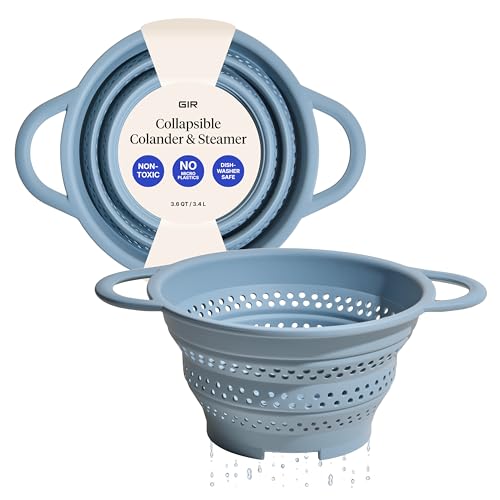
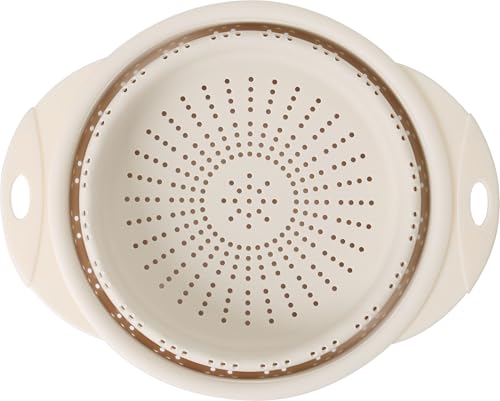


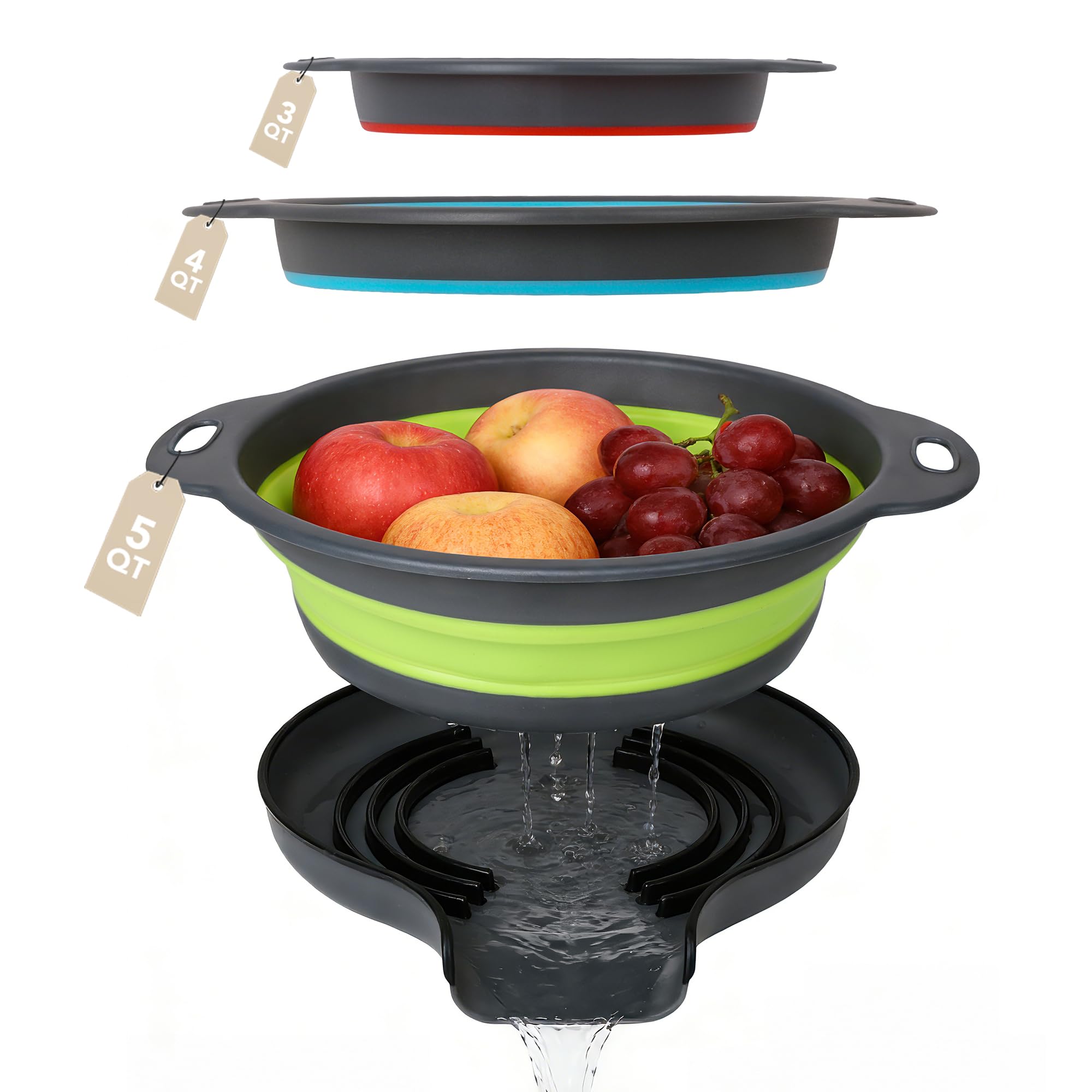
Quick Answer: Three Designs That Fit Most Homes
Most households end up choosing between three designs. A round folding bowl suits general draining and rinsing, collapses to a shallow disc, and stores in a drawer or hangs on a hook inside a cabinet door.
An extending arm design rests across the sink, keeps food clear of the basin, and frees both hands for pouring a heavy pot. A nested set gives you two or three sizes, so a small rinse and a family pasta night do not force the same bowl.
Pick the design that matches your sink and storage spot first. Capacity, hole size, and material matter next, and the checklist below covers each one.
Before You Buy: A Quick Checklist for Choosing a Colander
Size: Match It to Your Space and Your Household
Capacity is usually listed in quarts. A small bowl of about 2 quarts handles berries, herbs, and a single portion of pasta without taking over the sink. A midsize bowl of about 3 to 4 quarts suits two to four people for vegetables, beans, and most pasta shapes. A large bowl of about 5 to 6 quarts fits family batches and big salad greens, but it needs a wider sink and a deeper storage spot when folded. Measure your drawer height and sink width before you order, since folded thickness varies more than the product photos suggest.
Which Type Fits Your Routine
Think about the draining task you repeat most. A footed folding bowl sits steady in the sink for rinsing produce. An extending arm model keeps drained food above sink water, which helps when the basin is busy. Readers who prefer a rigid bowl for daily heavy use may compare a best stainless steel colander instead. If your sink is wide and you often drain while washing up, a best over the sink colander design can suit your routine well, provided the arms reach both rims with room to spare.
Features Worth Paying For and Ones to Skip
Handles earn their cost when you lift a full bowl from the sink, and they should stay cool and feel firm when wet. A stable base ring or short feet keep the bowl from tipping while you pour. Extendable arms help only if they lock or grip the sink edge rather than slide. Skip decorative extras you will rarely use, such as novelty shapes that reduce usable capacity, and be wary of very thin folding walls with extra panels, since each extra fold is another seam that can trap food and weaken over time.
Materials and Food Safety
Most folding colanders pair a plastic frame with flexible silicone walls, while some use plastic throughout. Look for a clear food grade label and a BPA free statement from the maker, and check the stated heat limit before you pour boiling water through it. Silicone generally tolerates heat well and folds without cracking, but it can hold onto strong odors from garlic or onions. Firmer plastic frames hold their rim shape better, which helps the bowl sit level, yet they can become brittle if stored near a hot oven vent.
Dishwasher Safe or Hand Wash Only
Many folding models are listed as dishwasher safe, but the top rack is the safer place because heating elements can warp thin plastic rims. Hand washing takes a minute and lets you flex each fold open so trapped starch and seeds rinse out. If your household relies on the dishwasher after every meal, choose a model whose maker states dishwasher use without conditions. If you mostly rinse produce, hand washing is quick, and a simpler bowl with fewer seams will clean faster either way.
Realistic Budget Ranges
Expect simple single bowls under $15, usually one size with basic handles and a modest heat rating. The middle band of about $15 to $25 brings sturdier rims, better feet, and nested sets that cover more tasks. Spending about $25 to $50 makes sense for a large extending arm design or a set with finer drainage holes and thicker silicone. Paying more should buy stronger hinges, clearer heat limits, and a better fit for your sink, not just a larger box or extra accessories you will store elsewhere.
Types Compared: How Hole Size and Shape Change the Job
Drainage holes decide which foods a folding colander handles well. Large round holes drain pasta and potatoes fast, and for shape specific advice see our guide to the best colander for pasta. Small perforations suit rice, quinoa, and lentils, which slip through wide slots and end up in the sink.
Shape matters just as much. A deep bowl holds leafy greens without spilling when you shake it, while a shallow wide bowl spreads berries in one layer so they rinse without bruising. Square and rectangular bowls use sink corners better and pour from a corner with less dripping, but round bowls are easier to swirl under the tap for an even rinse.
Stability separates good designs from frustrating ones. A bowl that flexes at the rim can bow under a full load of cooked pasta and spill at the sink edge. Look for a rigid rim, a wide base ring, and folding walls that lock open with a firm stop you can feel.
How Collapsible Colanders Are Compared
We compare designs using five criteria that match daily home use: ease of use, durability of the folding walls and hinges, cleaning effort, fit for common sinks and drawers, and value for the price band. Our comparisons draw on maker specifications, stated heat limits and capacities, and patterns in verified buyer reviews about cracking, warping, and staining. We favor designs whose stated specs you can confirm on the product page before ordering.
What We Like and What We Do Not Like About Collapsible Colanders
The clear win is storage. A folded bowl takes the space of a dinner plate, which matters in apartments, shared houses, and kitchens where every drawer already holds two layers of tools. Folding walls also make the bowl lighter than a rigid metal bowl of similar capacity, so lifting it from the sink feels easier for many cooks.
The trade offs are real. Folding seams collect starch and need deliberate cleaning, and a flexible wall will never feel as rigid as solid metal under a heavy load. Heat limits vary, so a model that is fine for rinsed vegetables may not suit draining a large pot of boiling pasta. Treat the folding design as a storage solution with good daily performance, not as a stronger version of a fixed colander.
Common Mistakes to Avoid
- Buying by unfolded capacity alone, since a bowl that fits your pasta batch may still be too thick when folded for your only free drawer.
- Ignoring hole size, since wide slots that drain pasta quickly will lose rice and small grains straight into the sink.
- Skipping the sink measurement, since extending arms that fall short of both rims will dip and shift under a heavy pot.
- Pouring boiling water through a model with a low stated heat limit, since warped folding walls may stop collapsing evenly.
- Choosing the cheapest thin walled bowl for daily family use, since cracked hinges mean a full replacement rather than a small repair.
Cost of Ownership and Care
A folding colander has almost no running cost, so ownership cost is mostly about how soon you replace it. Thick walls, gentle storage, and prompt cleaning stretch that timeline. Our step by step guide on how to clean a colander covers soaking and seam care in detail. Store the bowl fully dry and folded flat without heavy pans resting on it, since constant pressure can set a crease in the wall. Keep it away from sharp knives in a drawer, because a nick in silicone can grow into a tear.
Use also affects how long it lasts. Support the base with one hand when you carry a full hot load, and let very hot drained food rest in the sink rather than holding the bowl in the air. For a full walkthrough of draining and rinsing technique, see how to use a colander. These habits cost nothing, yet they protect the hinges and rim that decide whether the bowl still folds flat after years of dinners.
Your Questions, Answered
What is the most reliable colander brand?
No single brand guarantees reliability, because folding colanders fail at hinges, seams, and rims rather than at the label. A more useful check is whether the maker publishes a clear heat limit, states the folded thickness, and offers a warranty of at least a year. Consistent recent reviews that mention the same model holding its shape carry more weight than a famous name on a thin walled design with vague specifications.
How do you clean a collapsible colander after starchy foods?
Rinse the bowl right after draining pasta or rice, before the starch dries into the folds. Open and close the walls a few times under running water to flush each seam, then wash with warm soapy water and a soft brush along the creases. A short soak loosens residue that a quick rinse missed. Dry it fully open on a rack, since folding it away damp can leave a stale smell in the seams by the next use.
Is a collapsible colander worth it for a small kitchen?
Yes, if storage is your main constraint and your draining tasks are light to moderate. The space you save is real every single day, while the limits appear only with very heavy loads or very high heat. A small kitchen with one shallow drawer gains more from a folding bowl than a large kitchen with a deep cabinet, where a rigid bowl stores just as easily. Match the purchase to the storage pain you actually feel.
How long does a collapsible colander last?
A well kept folding colander often serves for several years of regular home use. Lifespan depends less on the calendar and more on heat exposure, how often it folds each week, and whether heavy pans rest on it in storage. Early signs that replacement is near include walls that stay partly folded when opened, white stress marks along a crease, and a rim that no longer sits level in the sink during a normal load.
Are collapsible colanders sturdy enough for a full pot of pasta?
Many are, provided the bowl is rated for boiling water and sits on its base in the sink while you pour. Pour slowly with the pot close to the bowl, and let the sink carry the weight instead of holding the bowl by its handles in midair. A model with a rigid rim and a wide base ring handles this job far better than a thin bowl with a narrow foot, even when both list the same quart capacity.
What is the best collapsible colander?
The right answer depends on the one check many shoppers skip: measure the exact drawer or shelf where the folded bowl will live, then compare that height with the folded thickness on the product page. A bowl that passes that check, matches your most common food, and fits your sink will serve you better than a larger or pricier design that migrates to a countertop because it has nowhere to go.
Final Thoughts
Start with your storage spot and your sink, then match capacity and hole size to the foods you drain every week. The product table above pulls those trade offs together, so revisit it once you know which design fits your home. For most space tight households, the best collapsible colander is simply the one that folds flat enough to disappear, yet feels steady under a real dinner load.