Best Coffee Kitchen Scales (2026): A Guide for Real Homes
Disclosure: We may earn a commission when you buy through links on this page, at no extra cost to you. As an Amazon Associate I earn from qualifying purchases. Learn more

The best coffee kitchen scale has fine steps, a timer, and a platform that fits your brewer. Compare everyday, espresso, and dual purpose types.
Morning coffee at home often goes sideways for a simple reason. One day you scoop a little extra, the next day a little less, and the cup never tastes the same twice. A best coffee kitchen scale fixes that guesswork by letting you weigh beans and water the same way every time. This guide helps you choose by counter space, how many people you brew for, and what you want to spend.
You will find a quick answer first, then a checklist covering types, features, materials, and budget. Use the product table to scan the main differences.
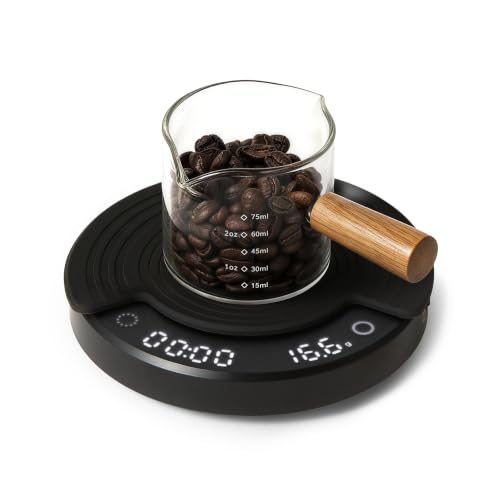


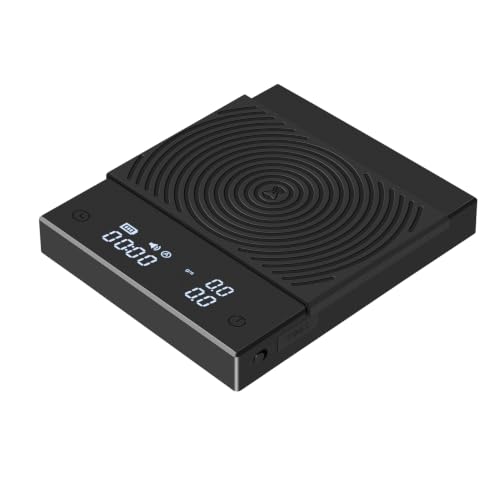


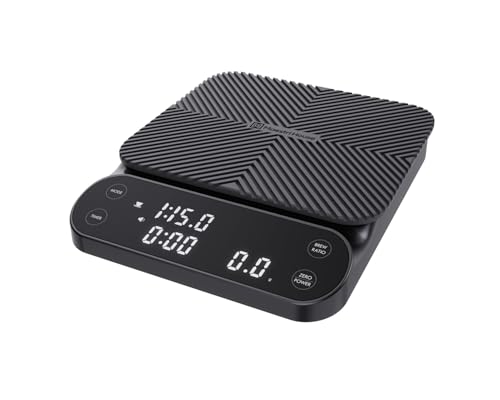


Quick Answer: The Main Types in 30 Seconds
If you brew mostly pour over or drip coffee and want simple daily use, a basic digital model with 0.1 gram steps and a built in timer covers most homes well. If you pull espresso shots, you need a slimmer platform that fits under a portafilter and reacts fast. If you also bake and portion food, a larger dual purpose model with a higher capacity earns its counter space. Pick the type that matches your routine first.
Before You Buy: A Quick Checklist for Choosing a Kitchen Scale
Which Type Fits Your Routine
Start with how you actually brew. A standard digital coffee scale reads in grams, switches to ounces for kitchen tasks, and usually handles up to about 3 kilograms, plenty for a kettle pour and a serving vessel. High precision models read in 0.1 gram steps and respond fast, which matters when a few grams change extraction. Smart and Bluetooth models send weights to an app that logs your ratio, useful if you track recipes but not needed for a good cup. Slim espresso focused models slide onto a drip tray where a wide platform will not fit. Platform size alone rules out many options, so think about your brewer first.
Features Worth It and Ones to Skip
A built in timer is worth having because ratio and time together tell you why a cup tasted sour or bitter, and most coffee scales now pair the two on one display. Tare with one tap is essential, since you zero out the vessel before you add beans or water dozens of times a week. A pull out display helps on larger kitchen models where a big bowl or carafe can cover a fixed screen. An app, nutrition tracking, and a bundled bowl sound appealing but add cost and steps you may never use for coffee. Skip nutrition databases unless you truly log meals, and skip a bowl if you already own vessels you prefer. For wider context on dual use models, see our guide to the best kitchen scale for general kitchen work.
Materials and Food Safety
Most platforms are stainless steel, tempered glass, or plastic with a steel top plate. Stainless steel wipes clean, resists staining from coffee oils, and tolerates a warm vessel. Glass wipes flat with no seams, but it can chip if a heavy kettle knocks the edge. Plastic costs less and keeps weight low, though it can hold odors and scuff more easily. Whichever material you choose, look for a sealed surface around the buttons and display, because grounds and water will reach those edges during daily brewing.
Wipe Clean or Hand Wash Only
No coffee scale belongs in a dishwasher and none should sit under running water unless the maker rates it as waterproof. Heat, steam, and harsh detergent can damage the load cell and electronics inside. Plan on a quick wipe with a damp cloth after brewing. Models described as waterproof usually mean the platform resists spills during use, not that you can soak the unit in a sink. Treat water resistance as spill protection and your scale will stay accurate far longer.
Realistic Budget Ranges
Budget shapes what you can expect, so set a range before you shop. Under about $15 you get basic weighing in 1 gram steps, fine for French press and cold brew but coarse for espresso. About $15 to $50 is where most homes should shop, with 0.1 gram steps, a timer, and a rechargeable battery becoming common. About $50 to $100 adds faster response and sturdier construction. Above about $100 you pay for app logging and premium materials. Spending more does not fix a poor match on size, so confirm fit before you pay for extras.
Types Compared: What Each Style Does Best
Instead of chasing a single winner, compare three broad types against your home. The first type is the everyday brewer, a medium platform with a timer, 0.1 gram steps, and USB charging. It suits one to four cups at a time and stores flat in a drawer. The second type is the espresso type, compact and low in height, with a fast sensor and a display you can read while a shot runs. The third type is the dual purpose kitchen type, larger and rated for higher loads, so the same unit weighs coffee in the morning and flour or portioned food later. If baking is half your plan, our guide to the best kitchen scale for baking covers capacity and bowl friendly design in more detail.
Each type involves a clear trade off. Everyday brewers balance price and function but may be too wide for an espresso drip tray. Espresso types fit tight spaces and react quickly, yet their small platforms feel cramped under a large carafe. Dual purpose models save space and money because one unit does two jobs, but they often read in 1 gram steps and lack a timer, which limits pour over control. Match the trade off to the drink you make most often, not the drink you make once a month.
Battery choice belongs here too. Disposable batteries are simple to swap, but costs add up with daily brewing. A best rechargeable kitchen scale removes that errand and usually charges over USB, though you must plug it in before the battery fades mid brew. Check the low power warning, because a clear icon beats a fading display you might misread.
How to Judge Coffee Kitchen Scales
Judge options on ease of use, durability, cleaning, design, and value, using maker specifications and buyer feedback. Ease of use means large readable numbers, a tare button you can find without looking, and a timer you can start with wet hands. Durability means a stable platform with no wobble. The goal is criteria you can apply to any model, so your choice holds up after the first week.
Coffee Scales Compared With Other Kitchen Scales
A general kitchen scale and a coffee scale look alike, but they solve different problems. A kitchen scale favors capacity, often 5 kilograms or more, and speed matters less because a bowl of flour does not change while you watch. A coffee scale favors small steps, a fast response, and a timer, because water weight climbs second by second during a pour. You can weigh beans on any accurate kitchen scale, and for French press that may be enough. For pour over and espresso, the timer and fine steps stop being extras and become the reason to own a dedicated unit. If you already own a good kitchen scale, try it for a week of brewing before you buy a second unit.
Household size matters here as well. A solo brewer needs only a small platform and modest capacity. A home that brews a large carafe for three or four people needs headroom in platform size and maximum weight, because the vessel plus water can pass 2 kilograms quickly. The best coffee kitchen scale options cover that range, so small and large homes can find a fit without paying for unused capacity.
Common Mistakes to Avoid
- Buying a wide kitchen platform for espresso, then finding it cannot fit on the drip tray under the group head.
- Choosing 1 gram steps for pour over, then struggling to hit a target ratio because each small pour jumps past the number you wanted.
- Ignoring total height with your vessel on top, so the carafe touches the spout or blocks your view of the display.
- Paying for app logging and nutrition features you never open, while skipping the timer you would use every morning.
- Storing the scale with a heavy kettle resting on it, which can strain the sensor and shift readings over time.
- Placing the scale on a soft mat or uneven counter, which causes drifting numbers that look like a faulty unit.
Cost of Ownership and Care
Ownership costs stay low when you plan for small things. Rechargeable models need only a USB cable you likely own, while battery models need fresh cells a few times a year with daily use. Keep a soft brush near your grinder to sweep grounds off the platform before they work into the seams. Store the scale flat, dry, and away from steam, with nothing heavy stacked on top. For step by step daily technique, see how to use a kitchen scale for weighing, tare, and unit basics.
FAQ
Are coffee kitchen scales worth it for French press and cold brew?
Yes, though the benefit is consistency more than precision. Coarse methods forgive small errors, so 1 gram steps can work, but weighing still removes the biggest variable, which is how tightly you pack a scoop. A scale also helps you scale a recipe up for guests without guesswork. If French press is your only method, a basic model is enough and you can skip paying for a fast sensor or app features.
How do you clean a coffee kitchen scale without damaging the sensor?
Turn the scale off, brush away dry grounds first, then wipe the platform with a cloth that is damp but not dripping. Keep liquid away from charging ports, seams, and the gap around the display. Never spray cleaner directly onto the unit, because fluid can run under the platform and reach the load cell. For a full routine covering spills and sticky residue, follow how to clean a kitchen scale and dry the unit fully before your next brew.
What coffee to water ratio should a home brewer start with on a scale?
A practical starting point is about 1 to 15, meaning 20 grams of coffee to 300 grams of water for a single large mug. Brew once at that ratio, taste, then adjust by small steps. Use a stronger 1 to 14 if the cup tastes thin and a gentler 1 to 16 if it tastes harsh. Change only the ratio between brews and keep grind and water temperature steady, so the scale shows you exactly what caused the difference in the cup.
Can a coffee kitchen scale replace a separate scale for portioning food?
For many homes, yes, within its capacity limit. A coffee model handles spices, snacks, and single portions with more precision than a basic kitchen unit. The limit appears with large mixing bowls and bulk meal prep, where a wider platform and a higher maximum weight work better. Check the stated capacity before you rely on one unit for holiday baking. If you regularly weigh more than about 3 kilograms at once, keep a larger kitchen scale as your second unit.
Why do coffee kitchen scale readings drift or jump during a pour?
Drift usually comes from the surface or the air, not from a broken sensor. A running dishwasher, a nearby fan, or a counter that flexes under your arm can move the numbers. Heat from a fresh kettle placed partly off the platform can also shift a reading. Center the vessel, keep the scale away from vents, and let the display settle for a second before you record a weight. If numbers still jump on a still and level counter, low battery power is the next likely cause.
Final Thoughts
The right choice comes down to fit, fine steps, and a timer you will actually use. Small homes and espresso drinkers should favor a compact fast model, busy family kitchens should favor a sturdy dual purpose platform, and most pour over drinkers will be happiest with a mid priced everyday brewer. Compare your short list against the product table, confirm the platform fits your brewer and vessel, and you will land on the best coffee kitchen scale for your counter the first time.