
Best Colander Guide for Your Home: Size, Type and Care for 2026
Disclosure: We may earn a commission when you buy through links on this page, at no extra cost to you. As an Amazon Associate I earn from qualifying purchases. Learn more

Match colander size, type and material to your sink and cooking habits so the one you buy drains well and stores easily.
It is pasta night, the pot is heavy with boiling water, and the colander balanced in your sink is a touch too small for the job. Half the noodles crowd the rim while you try to pour slowly and keep your hands clear of the steam. Choosing the best colander for your home prevents that scramble, and the right choice depends on your sink, your storage space, and how many people you cook for.
This guide walks through size, type, material, and care in plain terms, so you can match one colander to your daily routine instead of buying twice. Use the product table to see the main types side by side before you read the details.


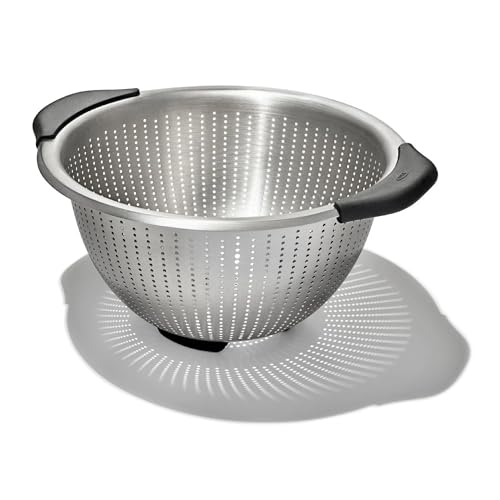

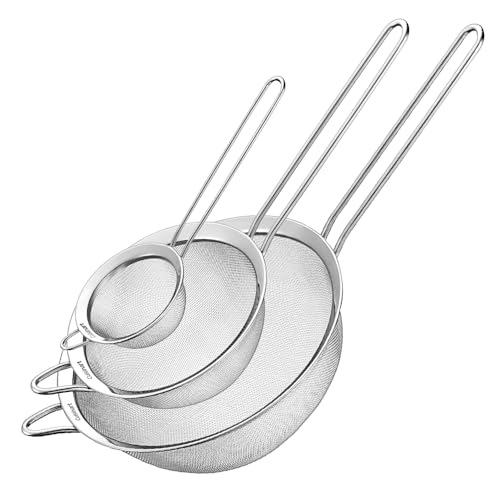
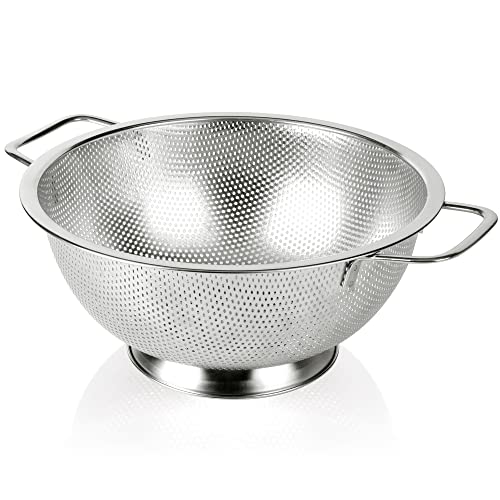

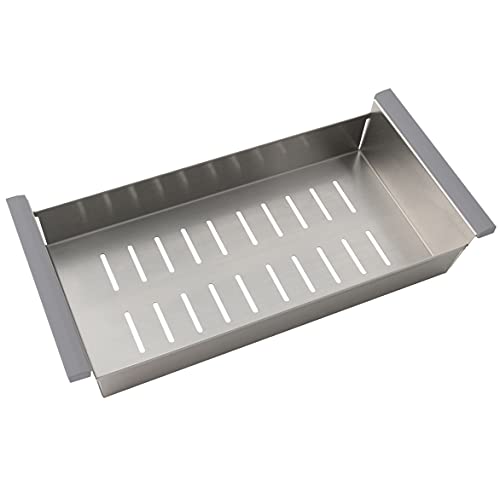


Quick Answer: Three Types in 30 Seconds
Most homes are covered by one of three types. A footed metal bowl suits families who drain pasta, potatoes, and large amounts of produce in one load. A collapsible silicone model suits small kitchens where drawer and cabinet space is tight. A simple plastic or mesh model suits light use, small budgets, and cooks who mostly rinse fruit, beans, and salad greens.
Buy for the largest meal you cook most weeks, not for the biggest holiday meal of the year. An oversized colander you rarely use will mostly block a cabinet.
Before You Buy: A Quick Checklist for Choosing a Colander
Start with your sink and your storage, then think about food. The choice gets much easier once you know the space it must work in and the meals it will drain most often.
Size: Match It to Your Space
Small colanders around 1 to 2 quarts handle a can of beans, a portion of berries, or pasta for one person without taking much room. A 3 quart size covers most weeknight jobs for two or three people, from rinsing rice to draining ground meat. A 5 quart size gives a family room to shake water off a full pot of pasta or a large batch of potatoes. Measure your sink width before you buy, and leave space for the pot to tilt above the bowl without hitting the faucet.
Which Type Fits Your Routine
A footed bowl stands on its own in the sink, so both hands stay free to hold the pot, which matters with heavy or hot loads. An over the sink style rests on extendable arms across the basin and keeps food up out of standing water in the sink bottom. A clip on strainer snaps onto the pot rim and saves space, though it drains slower and suits smaller amounts. A fine mesh strainer catches rice and quinoa that would slip through round holes, while a standard perforated bowl drains bulky food faster.
Features Worth It and Ones to Skip
Two sturdy handles are worth having, since a full load of wet pasta is heavier than it looks and one handle forces an awkward grip. A stable ring base or short feet keep the bowl from rocking when you pour, and smooth rolled rims are gentler on your hands and on a coated sink. Skip decorative cutouts that reduce draining area, extra nested pieces you will never separate, and very tall feet that lift the bowl so high the pot no longer clears it comfortably.
Materials and Food Safety
Stainless steel resists rust, does not absorb odors, and tolerates hot pasta water without warping, which is why many cooks treat it as the default. Plastic costs less and feels light, but it can stain from tomato sauce and may soften if you rest it against a hot pan. Silicone handles heat well and folds soft against other items in storage. Whatever you choose, look for a clear food grade label from the maker and avoid any model with flaking coating inside the bowl.
If durability is your top concern, our guide to the best stainless steel colander explains gauges and rim construction in more depth.
Dishwasher Safe or Hand Wash
Most metal and silicone colanders can go in the dishwasher, and that convenience matters if you cook pasta several times a week. Plastic models vary, and some warp on a hot bottom rack, so check the care label before the first wash rather than after. Fine mesh needs a rinse right after use, since starch and small seeds dry into the weave and become stubborn. If your household runs the dishwasher nightly, a dishwasher safe model removes one small but daily friction point.
Realistic Budget Ranges
At under $15 you can expect a serviceable plastic or thin metal bowl that handles rinsing and light draining well. In the range of about $15 to $25, bowls get thicker, handles feel firmer, and bases stand more steadily in the sink. At about $25 to $50 you are paying for heavier steel, better finishing, and larger capacity. Spending more mainly buys durability and comfort, not a different result on the plate.
Three Types Compared: Colanders for Different Homes
A Footed Metal Bowl for Most Homes
This is the workhorse pattern, a round bowl with many holes, two side handles, and a ring base that holds food above the sink floor. It drains fast, rinses clean, and copes with hot and cold food alike. For a family that cooks pasta, potatoes, and vegetables in rotation, this type covers nearly every job without special storage. Its main trade off is bulk, since a rigid 5 quart bowl claims real cabinet space and will not squeeze into a shallow drawer.
A Simple Plastic or Mesh Type for Light Use
A basic plastic bowl or a mesh strainer with a handle costs little and weighs almost nothing, which makes it easy to grab for rinsing berries or draining a can of beans. Mesh versions also handle small grains that escape a perforated bowl. The trade off is lifespan and heat tolerance, so treat this type as a light duty helper rather than the bowl you pour a huge pot of boiling pasta into every night. It suits students, new cooks, and second homes well.
A Heavy Stainless Steel Type for the Long Term
A heavier steel bowl with welded handles and a solid base costs more at the start, then asks little of you for years. It will not stain from curry or sauce, it does not hold smells, and it can move from draining pasta to holding washed fruit on the counter. The trade off is weight and price, and the bowl can feel like a lot of tool for a cook who only rinses small amounts. For daily cooks, that solidity is the point.
How to Compare Colanders
Judge colanders on ease of use, durability, cleaning, design, and value, using maker specifications and patterns in buyer reviews. Ease of use means stable standing, comfortable handles, and fast draining without food escaping. Durability means sound welds and rims that keep their shape. Cleaning and design cover dishwasher options and storage footprint, and value weighs all of that against the price bands described above.
Quick Guidance by Household and Space
Small kitchens and apartment cooks should look first at folding designs, since a flat stored bowl frees a whole drawer. Our guide to the best collapsible colander covers fold strength and hinge wear. Couples cooking pasta twice a week do well with a 3 quart footed bowl, while larger families should start at 5 quarts and confirm the bowl fits under the faucet.
Pasta focused cooks have extra needs, from fast draining to handles that stay cool to grip, and the guide to the best colander for pasta focuses on exactly those jobs. If your sink is deep and you hate food sitting in drained water, the best over the sink colander options lift the load clear of the basin. New cooks can also read how to use a colander for safe pouring angles and ways to keep steam away from your hands.
Common Buying Mistakes to Avoid
- Buying by quart size alone without measuring your sink, so the bowl blocks the faucet or tips when the pot rests on it.
- Choosing fine mesh for every job, so bulky pasta drains slowly and starch clogs the weave during a busy meal.
- Ignoring handle construction, so a loaded bowl flexes or a spot welded handle works loose after months of heavy use.
- Paying for a large nesting set when you only ever use one size, so the extra bowls become storage clutter.
- Forgetting replacement cost, so a very cheap thin bowl that warps in one season ends up costing more than one sturdy bowl.
Cost of Ownership and Care
A colander has no running costs, so ownership cost is really about replacement and storage. A sturdy metal bowl bought once usually beats replacing a thin plastic bowl every year or two, and it needs no accessories beyond what your kitchen already has. Dry any colander fully before you put it away, since water trapped under a ring base can leave marks in a closed cabinet and encourage odors on plastic.
Store rigid bowls where heavier pans will not crush the rim out of round, and keep silicone models away from sharp knives that can nick the surface. For step by step methods matched to each material, see how to clean a colander.
Your Questions, Answered
What is the most reliable colander brand?
Reliability tracks construction more than the name stamped on the handle. Look for a maker that states the material grade clearly, offers a warranty of at least a year, and sells the same model steadily rather than renaming it often. Consistent hole sizing and handles that are riveted or fully welded are stronger signs than a famous logo. Reading recent reviews for repeated mentions of the same fault, such as a base that rusts, tells you more than a star average alone.
How do you clean a colander?
Start by shaking loose food into the trash, then soak the bowl in warm soapy water for a few minutes so dried starch softens instead of tearing at the holes. A soft bottle brush pushed from the inside out clears mesh without bending it, and a paste of baking soda lifts tomato stains from plastic. Rinse from the outside inward to flush particles out of the holes, then shake well and air dry upside down so water escapes the base ring.
Is a colander worth it?
Yes, if you drain or rinse food more than once a week, because using a pot lid to drain leaves a gap where food escapes and steam hits your fingers. A colander also rinses produce under running water in a way a lid never can, and it doubles as a counter bowl for washed fruit. The worth shows up in small daily saves, fewer lost noodles, less splashing, and a safer pour, rather than in any single dramatic moment.
How long does a colander last?
A heavy steel colander can serve for a decade or more, since there are no moving parts to fail and the bowl tolerates heat and knocks well. Plastic models often show warping, stains, or brittle handles after a few years of hot draining, and thin mesh can tear where it meets the frame. Folding silicone sits between the two, lasting well until a hinge crease splits. Replace any colander once holes deform or a handle loosens, since a dropped load of hot food is a burn risk.
What is the best colander?
The right answer depends on one detail many buyers skip, the height of your faucet. A tall family bowl is useless if your pot cannot tilt beneath the tap, so measure that clearance and let it break ties between finalists. After that check, most households land on a footed metal bowl in the size they use weekly. If two models still seem equal, choose the one that stores where you will actually reach for it on a busy night.
Final Thoughts
For most homes, a footed metal bowl in the size you cook weekly is the best colander choice you can make without overthinking it. Small kitchens gain more from a folding model, and light duty cooks can save money with a simple plastic or mesh helper. Look back at the product table above, match the type to your sink and storage, and you will have a tool that quietly earns its space every single week.


