Best Coffee Frothers: How to Choose the Right One for 2026
Disclosure: We may earn a commission when you buy through links on this page, at no extra cost to you. As an Amazon Associate I earn from qualifying purchases. Learn more
Learn how to choose coffee frothers by froth type, milk capacity, and cleaning, with tips for lattes, cappuccinos, and daily coffee routines for smart buying.
Good froth turns ordinary coffee into a cafe style drink at home, and the frother you choose decides texture more than any other factor. When you compare best coffee frothers, froth style, capacity, and cleaning matter most. This guide explains each type, so you can make smooth, creamy milk without a complicated routine.
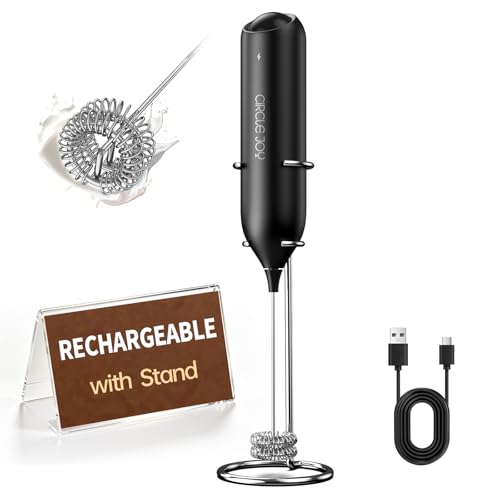
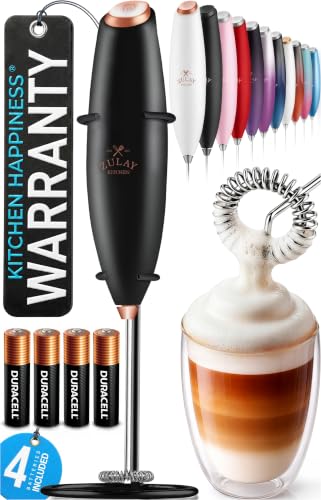
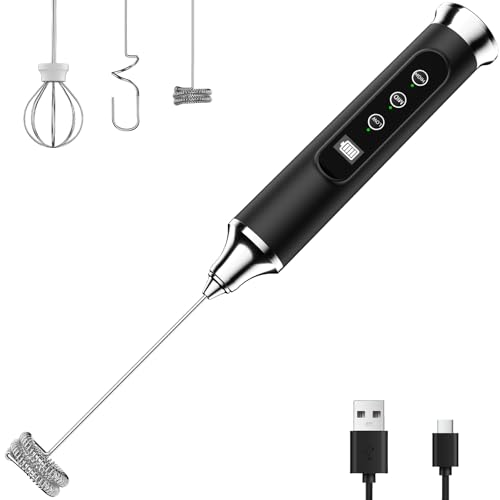
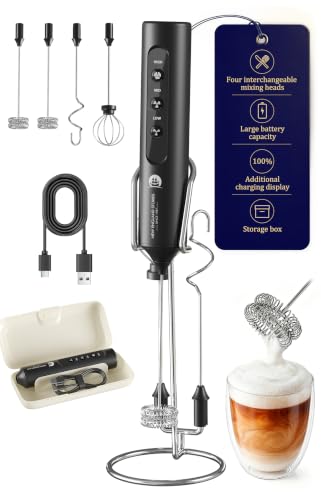
The product table gives a quick overview of the main choices. The sections that follow explain who each type suits, the types available, and the features that matter most, so you can narrow the choice to what fits your room, routine, and budget.



Who Should Buy Which Type
Different buyers need different strengths from coffee frothers. The groups below cover the most common situations, and each one notes what to prioritize first.
For Latte Lovers
Latte lovers need fine, silky microfoam that blends with espresso rather than sitting on top. An electric frother with a heating function or a steam wand gives the smoothest result. Choose a model that heats gently, since overheated milk tastes flat and loses sweetness.
For Cappuccino Fans
Cappuccino fans want thick, airy foam that holds its shape. A frother that whips more air suits this style, and a larger jug helps for two drinks at once. Look for a model with a foam setting or a whisk that creates volume without scorching.
For Occasional Users
Occasional users benefit from a simple handheld frother that stores easily and costs little. It froths one drink at a time and needs a little practice, but it is perfect for weekend coffee. Choose one with a strong motor and easy cleaning, since weak models frustrate quickly.
Types Compared
The main types differ in size, performance, and upkeep. Comparing them side by side makes it easier to see which trade off you are happy to accept.
Electric Jug Frothers
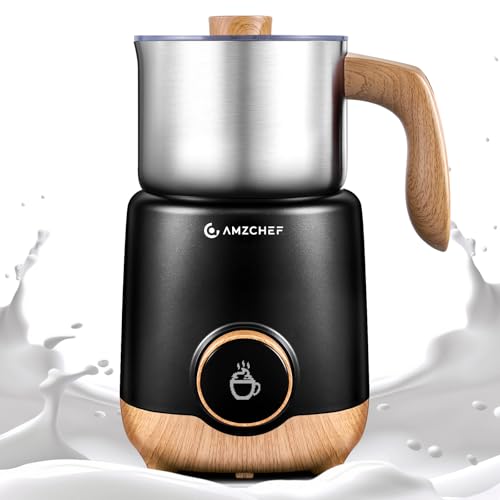
Electric jug frothers heat and froth milk automatically at the press of a button. They suit daily use and give consistent results. Check capacity carefully, since the frothing maximum is often lower than the heating maximum.
Handheld Frothers
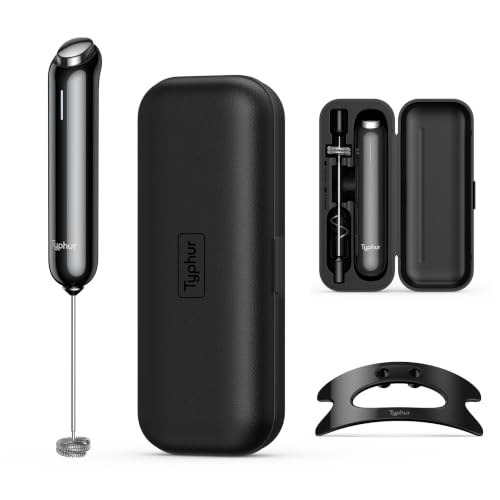
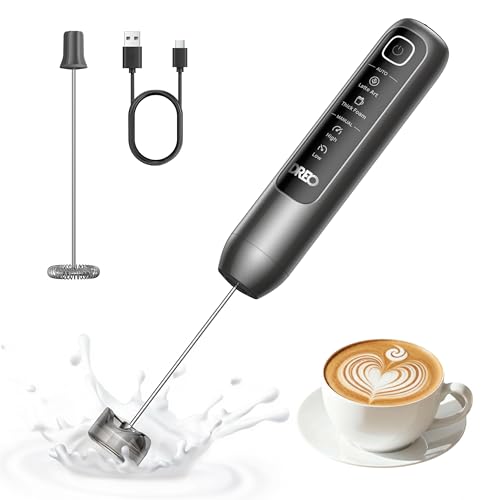
Handheld frothers are small battery powered whisks that froth milk in any jug. They cost little, store easily, and suit travel or occasional use. They need practice to create fine foam, and they do not heat milk on their own.
Steam Wand Frothers
Steam wand frothers, found on espresso machines, use steam to heat and texture milk with great control. They give the finest microfoam with practice, but they need cleaning after every use. They suit enthusiasts who already own an espresso machine.
Related guides that may help: For coffee makers with a frother built in, see best coffee makers with frother. For milk frothers in general, read about best milk frothers for coffee. For coffee pot makers, check best coffee pot makers. And for coffee machine makers, explore best coffee machine makers.
Key Features to Compare
Use the features below as a checklist when you compare options in the product table above. A model that scores well on the points that matter to you will usually serve you better than one with a long list of extras you never use.
Froth Texture
Froth texture ranges from fine microfoam for lattes to thick foam for cappuccinos. A frother with adjustable settings or interchangeable whisks gives more control. Decide which drinks you make most, and favor texture for those drinks over versatility you will not use.
Capacity
Capacity decides how many drinks you can make at once. A jug that froths 150 ml suits one drink, while larger jugs suit two or more. Note that frothing capacity is lower than heating capacity, since foam expands. Choose capacity for your usual household, not a rare gathering.
Heating
Heating matters if you want warm drinks without a separate step. Some frothers heat milk to a set temperature, while handheld models do not heat at all. Overheating scorches milk, so a model with temperature control or automatic shutoff gives better taste.
Cleaning
Cleaning decides whether a frother stays in daily use or ends up in a cupboard. Nonstick jugs and removable whisks clean fastest, while fixed parts trap milk residue. Rinse immediately after use, since dried milk is much harder to remove and can affect taste.
Milk Temperature Control
Milk temperature greatly affects taste, since overheated milk tastes flat and scorched. A frother with automatic shutoff or temperature control helps, especially for beginners. Aim for warm, not boiling, milk, and use a thermometer until you learn the right feel.
Common Mistakes to Avoid
A common mistake is filling a jug to the heating line when frothing, which causes overflow as foam expands. Another is using milk straight from a very cold fridge without checking the frother guidance, which can give uneven foam. Follow the frothing fill line, use fresh cold milk, and clean at once after use.
Getting the Most From Your Choice
Rinse the jug and whisk immediately after every use, and wash removable parts following maker guidance. Descale electric models as directed, since mineral buildup affects heating. Store handheld frothers dry, and replace batteries promptly when power fades, since weak power gives poor foam.
Planning Your Purchase
Decide which drinks you make most often, since latte foam, cappuccino foam, and hot chocolate each favor different froth textures. A frother that excels at one may disappoint at another, so favor the drink you make daily over occasional variety.
Check jug capacity against household size, remembering that frothing capacity is lower than heating capacity. A jug that seems generous for heating may only froth one drink, which frustrates mornings when two people want coffee at once.
Plan cleaning into the routine, since a frother that is hard to clean will soon sit unused. Rinse immediately after use, and choose removable parts when possible. A simple frother cleaned daily beats a fancy one cleaned rarely.
Questions to Ask Before You Order
- Which drinks do I make most: lattes, cappuccinos, or hot chocolate?
- How many drinks do I make at once?
- Do I need heating, or will I heat milk separately?
- How much time will I spend cleaning after each use?
- Where will the frother be stored, and how much space is available?
Write down your answers before you order. They make it much easier to compare the options in the product table above without getting distracted by features you do not need.
Frequently Asked Questions
What milk froths best?
Whole milk usually gives the richest, most stable foam, while skimmed milk gives light, airy foam that fades faster. Plant milks vary greatly: barista versions are made to froth better than standard ones. Try a few types with your frother, since results depend on both milk and frother.
Why is my foam too bubbly?
Large bubbles usually come from too much air, milk that is too warm, or a whisk speed that is too high for the drink. Use fresh cold milk, keep the whisk just below the surface for fine foam, and stop once the milk doubles in volume. Practice with small batches to learn the right timing.
Can I froth plant based milk?
Yes, many plant milks froth well, especially barista editions made for coffee. Oat and soy barista milks often give the best results, while almond milk can be thinner. Shake the carton well, use cold milk, and expect some variation between brands.
Do I need to heat milk before frothing?
Electric jug frothers heat milk themselves, while handheld frothers need milk heated separately. Heat milk gently to about 60 degrees, since overheating scorches it and ruins taste. A thermometer helps at first, though experience soon replaces it.
How do I clean a milk frother?
Rinse immediately after use, since dried milk sticks stubbornly. Wash removable jugs and whisks with warm soapy water, and wipe steam wands at once after every use. Descale electric models following maker guidance, and never immerse an electric base in water.
Can I froth cold milk for iced coffee?
Yes, many frothers can froth cold milk for iced drinks, though texture differs from heated foam. Cold foam tends to be lighter and less stable, so drink it promptly. Check your frother guidance, since some electric models only froth heated milk.
One Last Check Before You Order
Before ordering, think about the milk you actually use, since dairy and plant milks froth differently in the same machine. If you use a plant milk daily, check that the frother handles it well, and try a small jug first during the return period.
Final Thoughts
The right pick among best coffee frothers makes the foam you actually drink, in the quantity you need, with cleaning you will tolerate daily. Compare the product table above with your favorite drinks in mind, and favor texture and ease over extra settings.
Check the product table above once more against your shortlist, then choose the option that fits your space, routine, and budget best.