
Best Colanders for pasta: Size, Type and Care Guide for 2026
Disclosure: We may earn a commission when you buy through links on this page, at no extra cost to you. As an Amazon Associate I earn from qualifying purchases. Learn more

Match hole size, capacity and storage to how you cook pasta so the colander you choose drains well and stays easy to clean.
Pasta night gets messy fast when a pot is heavy, steam is rising, and the colander in your sink is too small for the noodles inside it. Choosing the best colander for pasta for your home comes down to your sink, your storage space, and how many people you cook for most weeks. This guide focuses on those real home factors, so you can match size, type, and budget before you order.
Use the product table to compare styles at a glance, then work through the checklist that follows. If you are still weighing the wider category, our guide to the best colander covers uses beyond pasta.






Quick Answer: What Matters Most for Pasta at Home
For most homes, a footed bowl style colander in a 5 quart size handles a full box of pasta plus cooking water without crowding. Small kitchens often do better with a collapsible or over the sink style that stores flat or rests across the basin. Your sink depth, cabinet height, and household size matter more than extra features, so start with fit and drainage speed, then look at material and care.
Before You Buy: A Quick Checklist for Choosing a Colander for Pasta
The points below follow the order that causes the most returns: size first, then type, then the details you live with every day.
Size: Match It to Your Space
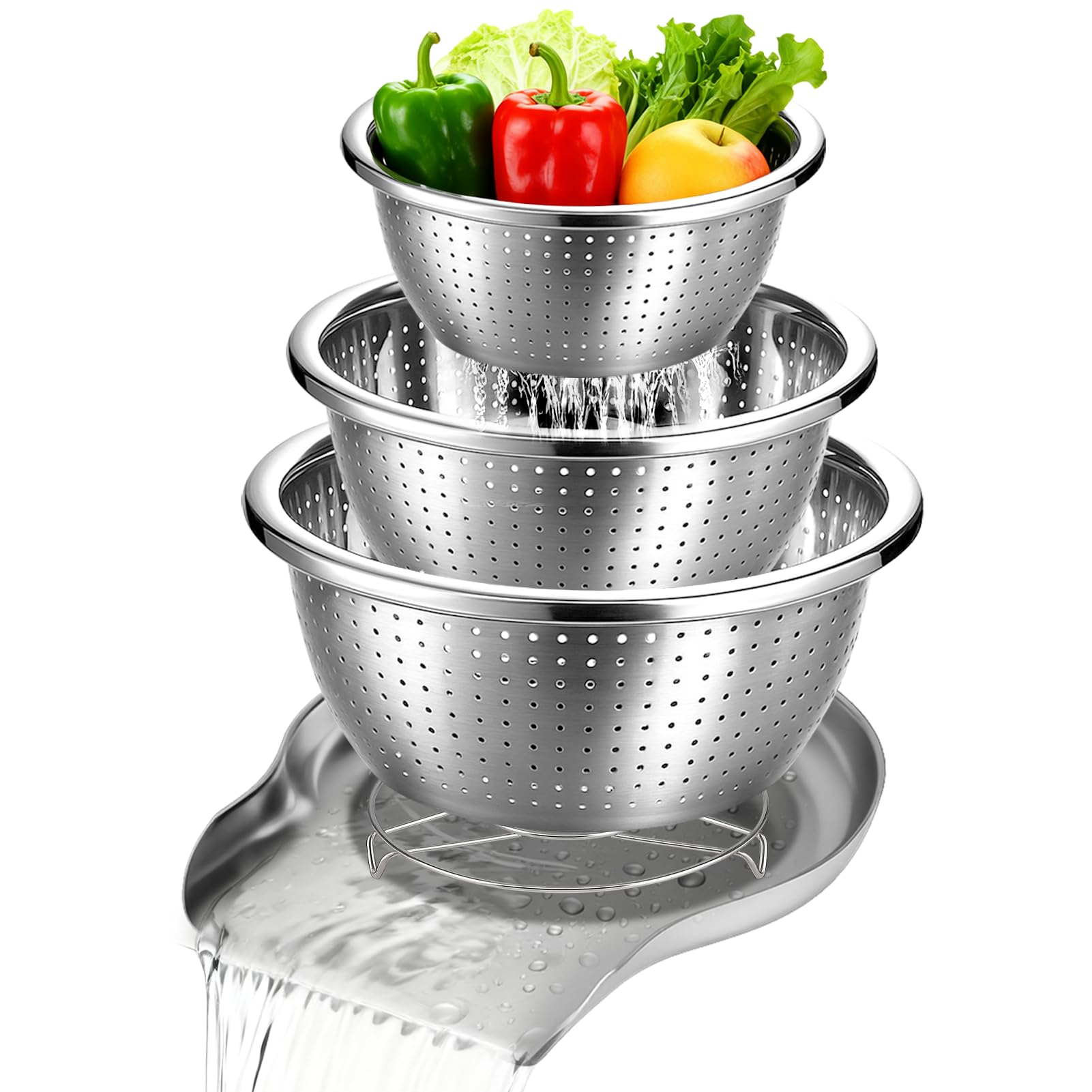
A 3 quart colander suits one or two servings and a small sink, but it fills quickly once pasta swells in the water. A 5 quart bowl gives room for a standard box of spaghetti or penne to move and drain without spilling over the rim. Measure your sink width and cabinet shelf height before you choose, since a wide bowl that cannot sit flat or store upright will annoy you daily. Sets sound useful, yet one right size bowl usually beats three sizes you rarely reach for.
Which Type Fits Your Routine
A classic footed bowl sits in the sink and leaves both hands free to hold the pot, which suits most family cooking. An over the sink style rests on extendable arms and frees the basin below for rinsing, and our guide to the best over the sink colander explains that layout in depth. A clip on strainer attaches to the pot rim and saves space, but it can feel unsteady with a heavy load. Collapsible and mesh styles store flat, while plastic and silicone options weigh less than metal.
Features Worth Paying For and Ones to Skip
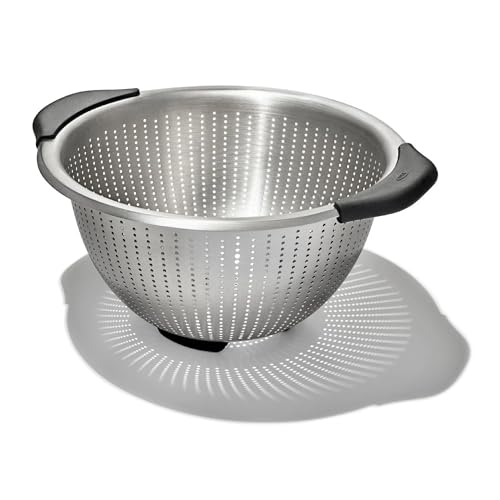
Pay for two sturdy handles that stay cool and give you a firm grip when the bowl is full and wet. A stable base with short legs keeps the bowl raised above sink water, so drained pasta does not sit in a puddle. Holes that cover the sides as well as the bottom drain faster and help rinse starch away. Skip decorative patterns with large slots that let small shapes like orzo slip through, and skip extra lids or inserts you will wash but seldom use.
Materials and Food Safety
Stainless steel resists heat, stains, and odors, and it will not warp when boiling water hits it straight from the pot. If that durability appeals to you, see our guide to the best stainless steel colander for material focused advice. Silicone and plastic cost less and feel lighter, but you should confirm they are rated for contact with hot food and boiling water. Fine mesh suits small pasta and rinsing, though it can trap starch and needs a more careful wash.
Dishwasher Safe or Hand Wash
Most metal and silicone colanders go in the dishwasher, which matters if you cook pasta several times a week. Fine mesh often cleans better by hand, since starch film can bake on during a hot dry cycle. Think about your sink routine honestly. A colander that needs soaking and scrubbing after every use will sit in the sink, while one that rinses clean in seconds gets put away and used more often.
Realistic Budget Ranges
At about $15 and under, expect simple plastic or basic metal bowls that drain well but may flex under a full pot. In the range of about $15 to $25, you get sturdier steel, better handles, and a more stable base for family size loads. At about $25 to $50, you pay for thicker metal, finer perforations, and designs that store or span the sink with more care. Spending more does not drain pasta faster by itself, so tie the budget to size and material first.
Three Styles That Fit Real Homes
Compare the three styles below against your kitchen. Each one solves a different home problem.
The Everyday Footed Bowl for Most Homes
This is the default choice for families who cook pasta once a week or more and have room to store a bowl. The raised base, two handles, and wide rim make it steady in the sink and simple to carry to the counter. It handles long noodles and short shapes equally well, and it doubles as a washing bowl for vegetables. Choose this style when you value stability over storage tricks and when your sink is deep enough for the bowl plus a tall pot above it.
The Compact Option for Small Kitchens
Apartments, dorms, and small homes benefit from a design that folds flat or clips to the pot, since cabinet space is the real limit. Our guide to the best collapsible colander shows how flat storage works in tight kitchens. These compact styles drain a modest amount well, but they hold less than a full family pot and can feel crowded with long spaghetti. Pick this route when storage space decides the purchase and you usually cook one or two portions at a time.
The Durable Metal Bowl as a Long Term Choice
A thick stainless steel bowl costs more at first, but it resists dents, rust, and heat damage over years of weekly use. Micro perforated sides drain quickly while holding small pasta shapes that slip through large holes. This style suits cooks who dislike replacing kitchen tools and who want one bowl for pasta, produce, and grains. It weighs more than plastic when full, so consider grip strength and handle comfort if you lift heavy pots often.
How to Evaluate a Pasta Colander Before You Order
Read the listed capacity, the bowl diameter, and the hole size together, not in isolation. Check verified buyer comments for notes about stability in a sink, handle comfort when wet, and whether small pasta escapes. Look at maker specifications for material grade and care limits, and favor clear information over bold claims. A good listing answers how it drains, how it stores, and how it washes without you guessing.
Living With It: What Really Matters Day to Day
The best strainer for pasta in daily life is the one that fits your sink routine without extra steps. You fill the pot, drain, shake once, and move the pasta back to the pot or a serving bowl. If the colander tips, clogs, or needs two hands plus a spoon to stay put, you will dread that step. Think about who else cooks in your home too. A lighter bowl may suit an older family member, while a wide over the sink style helps when counter space near the stove is scarce.
Storage shapes satisfaction more than most buyers expect. A bowl that nests inside mixing bowls or hangs from a hook earns its place, while an awkward shape gets left on the counter. For safe handling, our notes on how to use a colander cover grip, sink placement, and pouring angle in practical detail. Reserve a little pasta water before you drain if your sauce needs it, since a fast draining bowl leaves little behind in the sink.
Common Buying Mistakes to Avoid
- Buying a 3 quart bowl for a family of five, so pasta piles above the rim and drains slowly.
- Choosing large holes for a home that cooks orzo and other small shapes, so food washes into the sink.
- Ignoring sink width, so an over the sink model cannot rest level on both edges.
- Paying for a large set when one well sized bowl would cover nearly every pasta night.
- Picking a style that stores poorly in your cabinets, so it lives on the counter and gets in the way.
Cost of Ownership and Care
A colander has no running costs, so ownership cost is mostly replacement cost. A thin bowl that dents, cracks, or loses a handle within a year costs more over time than a sturdier bowl bought once. Rinse yours right after draining to stop starch from drying into a hard film, and dry metal fully before storing to limit water marks. Our guide to how to clean a colander covers stuck starch and mesh care without harsh methods. Store it where air can circulate, not trapped under heavy pans that can bend the rim.
FAQ
What is the most reliable type of colander for pasta?
A footed stainless steel bowl is usually the most reliable type because it resists heat, dents, and stains over years of use. Reliability also depends on welded or firmly attached handles and a base that does not rock in the sink. If you cook small pasta often, choose fine perforations over large slots, since a bowl that loses food in the sink fails at its main job no matter how sturdy it feels.
How do you keep pasta from sticking in a colander?
Pasta sticks when it sits drained for too long while its surface starch cools and sets. Move it back to the pot or bowl promptly and toss it with sauce or a little cooking water right away. If you must hold it briefly, shake the bowl gently and keep the wait short. Rinsing is useful for pasta salad, but for hot dishes it washes away starch that helps sauce cling.
Is a colander worth it if you already own a pot lid?
Yes, for most homes a colander is worth it because draining against a lid leaves gaps that let noodles escape and steam burn your hands. A bowl gives you a full, even drain and a place to shake off extra water safely. The lid method can work for a tiny portion in a pinch, but it gets risky as pot size and water volume grow, which is exactly when control matters most.
How long does a colander for pasta last?
A sturdy metal colander can last many years with simple rinsing and thorough drying after each use. Plastic and silicone styles may show wear sooner if they meet very hot pans or sharp utensils often. Replace yours when the base wobbles, holes tear or warp, or handles loosen, since a sudden failure with boiling water is a safety problem, not just an annoyance in the kitchen.
What size colander do you need for a family pasta night?
Most families do well with a 5 quart bowl, which holds a full box of pasta plus room to shake and rinse. A household that cooks two boxes at once for guests should size up or drain in two batches rather than packing one bowl tight. Packed pasta drains slowly and cools unevenly, so a little extra room improves both texture and safety when you carry the bowl.
Final Thoughts
Start with your sink, your storage, and the number of people at your table, and the right style becomes clear. The product table above pulls those choices together, so compare size, type, and care side by side before you decide. For most homes, the best colander for pasta is a stable 5 quart bowl that drains fast, washes easily, and stores where you can reach it on a busy weeknight.


