
Best Clip on Watches: Types Compared and How to Choose for 2026
Disclosure: We may earn a commission when you buy through links on this page, at no extra cost to you. As an Amazon Associate I earn from qualifying purchases. Learn more

Compare the best clip on watches by type, movement, case size, and features with a clear buying guide for nurses, hikers, and daily carry use.
A clip on watch keeps time off your wrist, clipped to a bag, a belt loop, a uniform, or a backpack strap where a quick glance is easy. Shopping for the best clip on watches gets confusing because the same clip format comes with very different movements, batteries, and features. This guide compares the main types side by side so the choice becomes clear.
Some buyers need a silent, simple dial for work in healthcare or food service, where wristwatches may be restricted. Others want a rugged outdoor timepiece with a compass friendly build, or a smart model that tracks steps while it hangs from a pack. Start with the type comparison below, then use the selection checks that follow and the comparison table below.

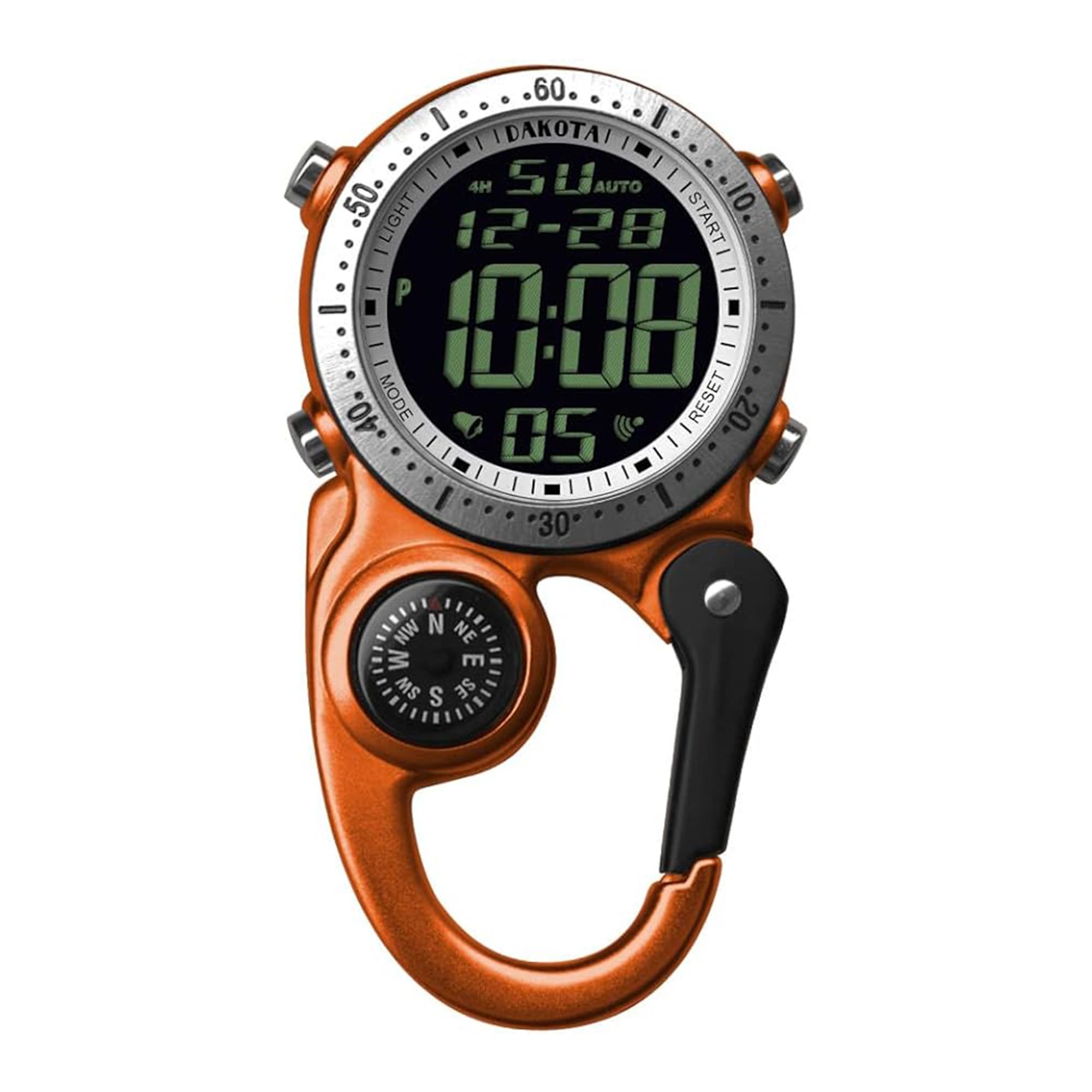
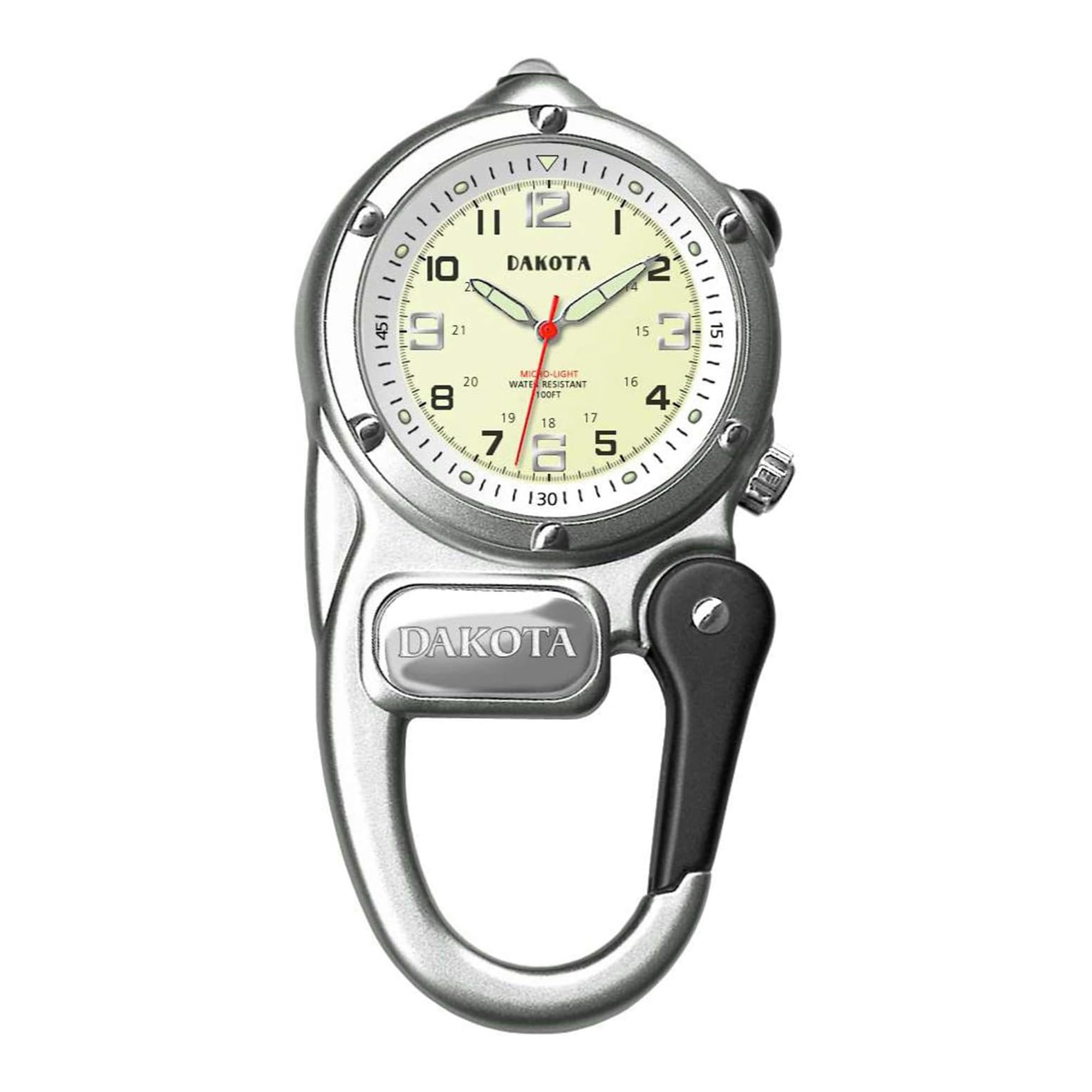


Types of Clip on Watches Compared
Four movement types cover almost every clip on model you will find. Quartz and solar suit most people because they are accurate, light, and easy to own. Automatic models appeal to buyers who love mechanical watchmaking and accept more care and cost. Smart models add phone linked features, but they need charging and a compatible phone. Price follows type as well: simple quartz models often sit under $50, solar and tougher outdoor builds run about $50 to $150, and automatic or full smart models can go above that range.
Automatic Watches
An automatic watch runs on a mechanical movement powered by motion, with a spring that stores energy as you move through the day. Its strengths are craft, a smooth sweeping second hand, and no battery to replace. Its limits are real for a clip on format, because a watch clipped to a bag moves less than one on a wrist, so it may stop if it sits still for a day or two. Accuracy also trails quartz, often by several seconds a day. Choose this type if you value the mechanical feel, plan to keep the watch moving or wound, and accept service every few years.
Smartwatches
A smart clip on model links to your phone for notifications, step counts, timers, and sometimes GPS route records. It suits hikers and active workers who want data without a wrist device, and a bright screen is easy to read at a glance. The trade offs are charging every few days, software that ages faster than a simple dial, and a higher price for features you may not use. Battery life varies widely, from about two days to two weeks, so check that figure against your routine. Choose smart if the added data solves a real problem for you, not just because it is available.
Quartz Watches
A quartz watch uses a battery powered crystal to keep time with excellent accuracy, usually within a few seconds a month. It is the most practical type for a clip on watch: light, affordable, tough enough for daily knocks, and ready the moment you clip it on. Most nurse watches, student watches, and simple outdoor clip models use quartz for exactly these reasons. The only routine care is a battery change every two to four years, which most jewelers can do quickly. If you want low cost, low fuss, and a clear dial, quartz is the default choice.
Solar Watches
A solar watch uses a light powered cell that charges through the dial, so regular daylight or indoor light keeps it running without battery swaps. It keeps quartz level accuracy while removing the main quartz chore, which suits buyers who dislike maintenance. A full charge can power many models for several months in the dark, though exact reserves vary. The limits are a higher starting price than basic quartz and the need for some light exposure, so a watch stored in a dark drawer will eventually stop. Choose solar if your watch will see light most days and you plan to own it for years.
Automatic Watches vs Smartwatches: Which Should You Choose?
These two types sit at opposite ends of the clip on range, so compare them on five points. For power, the automatic runs on motion and never needs a charger, while the smart model needs regular charging but gives far more functions. For accuracy, the smart model wins because it syncs with your phone, while the automatic drifts slightly and needs resetting. For features, smart brings notifications, alarms, and activity data, while automatic offers only time and sometimes a date. For lifespan, a cared for automatic can run for decades, while a smart model depends on software support and battery health. For daily fit, choose automatic for simple timekeeping with character, and smart for connected tools you will actually use each day.
If a dark, uniform friendly dial matters more than the movement, our guide to the best black on black watches covers that style in wristwatch form.
How to Choose the Right Clip on Watch
Smart and Fitness Features
List the features you will use weekly before you pay for them. Useful basics include a clear alarm, a countdown timer, a stopwatch, and a backlight for night shifts or early starts. Step counting and heart rate tools can motivate active users, but a clip on position gives less consistent body data than a wrist sensor, and no clip on watch replaces a medical device. GPS is worth it mainly for hikers who want a simple route record without carrying a phone in hand. Every added feature costs battery life or money, so a short honest list saves both.
Movement Type (Quartz, Automatic, Solar, Smart)
Match the movement to your tolerance for upkeep. Quartz asks only for a battery change every few years and holds time best per dollar. Solar removes even that task if the watch sees light often. Automatic asks for regular wear or winding and periodic service, and rewards you with mechanical craft. Smart asks for charging and phone pairing, and rewards you with data and alerts. Think about where the watch will live: a bag that moves daily suits automatic poorly but solar well if the dial faces light, while a uniform clip that you grab and go suits quartz best.
Case Size and Wrist Fit
Clip on watches are not worn on the wrist, but case size still decides readability and weight. Most cases run about 38 to 44 mm across, and larger dials with bold numerals read fastest for work and outdoor use. Thickness matters when the watch hangs against other gear, because a thick case snags and swings more. Lug to lug length matters less here than on a wristwatch, yet a compact case still clips more neatly to a narrow strap or loop. If you have low vision or work in dim light, prioritize dial contrast and lume, the glow material on hands and markers, over a few millimeters of size.
Strap and Bracelet Options
On a clip on watch, the attachment is the strap, so judge it like one. A strong carabiner style clip with a locking gate is the safest choice for bags and belt loops. A simple spring clip costs less and works for light indoor use, but it can open if it catches on something. Some models add a short chain, a pin back for uniforms, or a quick release strap so you can swap between clip and wrist wear. Check that the clip metal matches the case finish if looks matter, and check the gate action, because a stiff or loose gate is the part you will notice every day.
How to Make Your Clip on Watch Last Longer
Care follows the movement. Service automatic watches every 5 to 7 years so oils and seals stay in good shape. Rinse any watch after saltwater exposure with fresh water and dry it fully, even if it carries a water resistance rating, because ratings cover fresh water splashes better than salt and grit. Store watches away from magnets, which can disturb mechanical movements and compass linked features. For quartz and solar models, keep the clip gate clean, replace a worn clip early, and never force a battery door that feels stuck.
Clip on Watches: Your Questions Answered
Is a smartwatch worth it over a classic watch?
It is worth it only if you will use its connected features most days, such as timers, step goals, or phone alerts while your hands are busy. For simple time checks at work or on a trail, a classic quartz model costs less, runs for years on one battery, and never needs charging. Many buyers find a basic dial plus a phone covers everything a smart clip model would add.
What case size fits my wrist?
For a clip on watch, wrist size does not decide the case, readability does. Choose about 38 to 42 mm for a clear dial that still clips neatly to a uniform or a strap. Go toward 44 mm if you need large numerals or you will read the watch from arm length in poor light. If you plan to swap the piece onto a wrist strap sometimes, measure your wrist and keep the case at the smaller end of that range.
How long does a watch battery last?
A typical quartz battery lasts about two to four years, depending on how often you use the backlight, alarm, or stopwatch. Solar models avoid swaps by charging from light, with reserves that often run for months after a full charge. Smart models are different, needing a charge every few days or weeks. When a quartz second hand starts jumping in steps, that is a common low battery signal and a prompt to visit a jeweler.
Quartz or automatic: which is better?
Quartz is better for accuracy, price, and grab and go ease, which suits the clip on format well. Automatic is better if you love mechanical movements and accept winding, slight time drift, and service costs. A clip on automatic also faces a real limit, because it moves less than a wrist worn watch and can stop when left still. For most work and outdoor uses, quartz gives the better daily result.
How water resistant should a watch be?
For daily splashes and rain, a rating around 30 to 50 meters is enough for a clip on watch used at work or on walks. For swimming or regular water exposure, look for 100 meters or more and a case built for it. Remember that water resistance can fade as seals age, so have seals checked when a battery is changed. Never press buttons underwater unless the maker clearly allows it.
The Bottom Line
Choose the movement first, then dial readability, then the strength of the clip itself. Quartz suits most buyers, solar suits low maintenance owners, smart suits data lovers, and automatic suits mechanical fans who keep the watch moving. Check the clip gate and case size in person if you can, compare your short list with the product table above, and you will pick the best clip on watches option for your work, your pack, and your budget.


