
Best Cold Weather Hiking Shoes: Warm, Light Options for Winter Trails in 2026
Disclosure: We may earn a commission when you buy through links on this page, at no extra cost to you. As an Amazon Associate I earn from qualifying purchases. Learn more

Compare winter hiking shoes by lining, waterproofing, grip and fit so the best cold weather hiking shoes keep feet warm on packed snowy trails.
Cold weather hiking shoes sit between a trail runner and a full winter boot: they are lower and lighter, but they add insulation, a lining that blocks slush, and an outsole that bites into snow. The best cold weather hiking shoes suit packed trails, dry cold, and short or fast hikes where a tall boot would feel heavy. The product table lists low cut and mid cut winter options, and this guide explains how to choose between them.
The big trade is height. A shoe lets your ankle move freely and weighs less on your feet, but snow and water can enter over the collar, and you get less ankle support on uneven ground. Know which of those matters more for your usual trail before you compare brands.


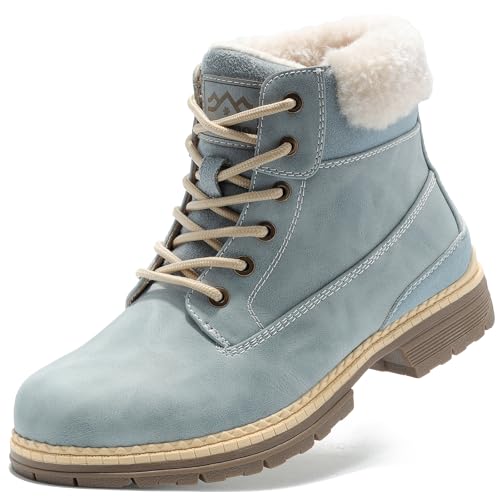
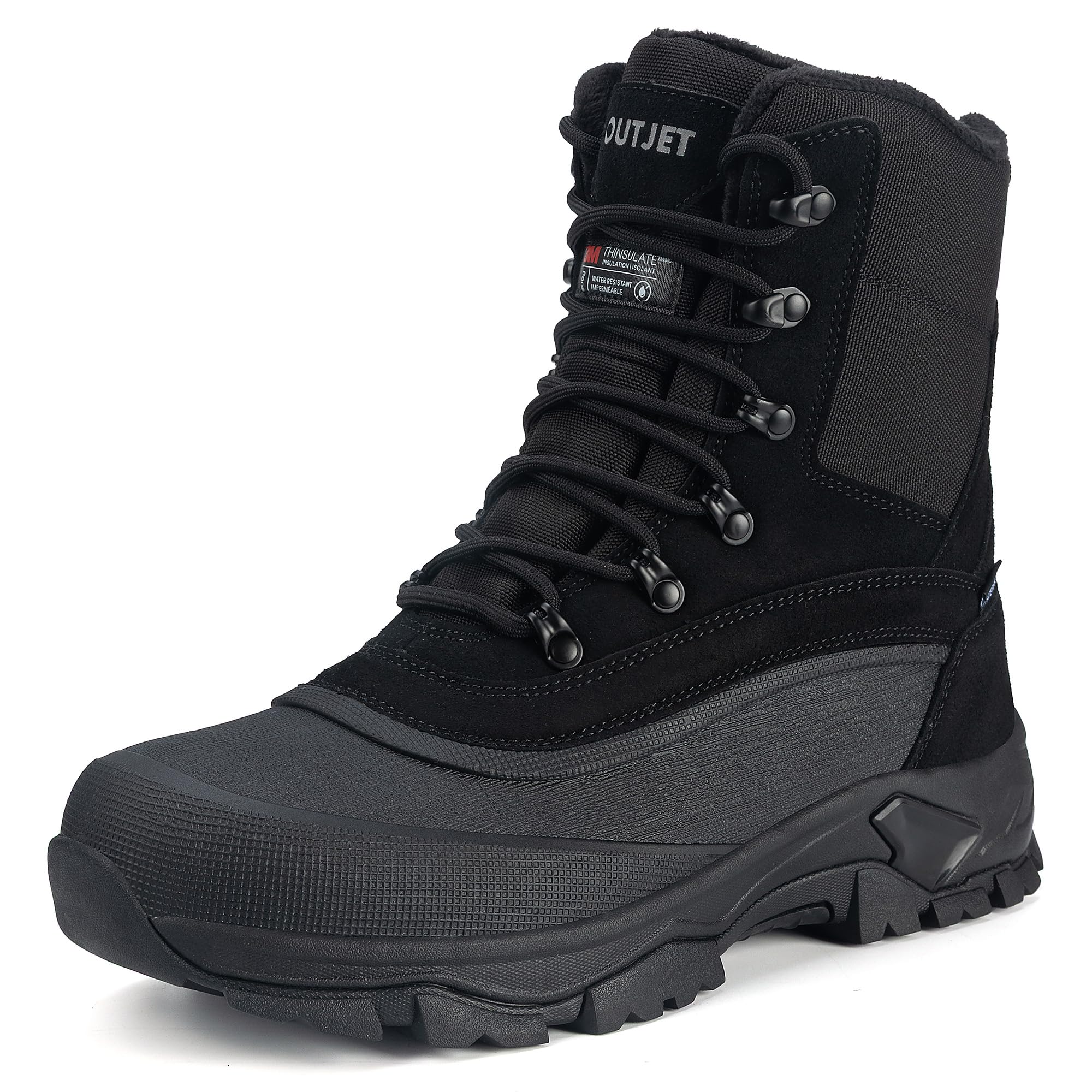
When a Hiking Shoe Beats a Hiking Boot
Choose a shoe when the trail is packed, groomed, or mostly bare ground with patches of snow, when your hikes are short, and when you value a light, nimble step. Winter walkers who cover miles of park paths, dog walkers on icy neighborhood routes, and hikers who like to move fast often prefer shoes. If you break trail through deep snow, cross streams, or carry a heavy pack, a boot is the better choice, and our boot guide covers that ground.
Types of Cold Weather Hiking Shoes
Insulated waterproof hiking shoes
These look like regular hiking shoes with a warm lining and a waterproof layer. They keep slush out and handle moderate cold, which makes them the most versatile type for mixed winter days.
Slip on and low cut winter shoes
Easy to pull on with cold hands, these suit short walks and travel. They offer less support and often have a plusher lining, so they feel closer to a casual winter shoe than a trail shoe.
Barefoot style winter shoes
Wide toe box shoes with a thin, flexible sole let your toes spread and feel the ground. Cold travels up through a thin sole faster, so they suit people who want ground feel and are comfortable adding warm socks, and they are less suited to long stands on snow.
Fur lined casual hiking shoes
Popular for light winter walking, these emphasize a soft lining over trail performance. They work for easy paths but check the outsole before you take them on steep or icy ground.
What to Check Before You Buy
- Waterproofing: look for a waterproof lining and sealed seams, and remember that snow over the collar can still get in.
- Insulation and lining: a warm lining helps, but too much insulation causes sweat that later chills you.
- Outsole: deep lugs shed snow and mud, and a softer rubber stays grippy in the cold.
- Fit with winter socks: try the shoes on with the socks you will wear, and leave room for your toes.
- Collar height: a higher, snug collar keeps snow out, and a gaiter helps further.
- Weight: lighter shoes feel nimble, but check that the support is enough for your pack and terrain.
Matching Shoes to the Trail
Packed park paths and groomed multi use trails suit a low cut insulated shoe, because the surface is predictable and your stride stays quick. Rocky or root covered trails call for a stiffer sole and more ankle coverage, since a rolled ankle costs more in the cold. Icy neighborhood routes reward a deep, soft rubber tread, and snowy fields reward a higher collar. Think about the roughest section of your regular route, not the easiest, and let that decide how much support you need.
Fit, Socks and Break In
Try shoes on in the afternoon, when your feet are slightly larger, wearing the winter socks you plan to hike in. Toes should wiggle without touching the front on downhills, and the heel should stay put. Wool blend socks keep their warmth when damp, and a thin liner sock can reduce rubbing. Break in new shoes on short walks before a long hike, because a hot spot that starts at mile two gets worse by mile six.
Foot Safety in the Cold
Numbness, white or waxy skin, blistering, or pain that does not ease after warming are warning signs to get out of the cold and seek professional care promptly. This guide covers fit and comfort only, so talk with your doctor about circulation problems or recurring cold related foot pain.
Care and Storage
Dry shoes away from direct heat, remove the insoles to air them, and brush off mud and salt. Reproof the upper when water stops beading, and replace worn laces before they snap on the trail. Keep a second dry pair of socks in your pack, because dry feet stay warmer than any lining can make them.
Price Expectations
Winter hiking shoes cover a wide price range. Budget options around $45 to $70 offer a warm lining and basic traction, while pricier shoes add better membranes, sturdier soles, and longer warranties. Compare the lining, outsole, and waterproofing rather than the price alone, and read return terms so you can swap a size that does not fit.
Common Mistakes
- Choosing a shoe for deep snow, where the collar fills quickly.
- Buying fashion fur lined shoes with shallow tread for icy trails.
- Skipping warm socks and then blaming the shoe for cold feet.
- Buying the same size you wear in summer, which can leave toes cramped in thick socks.
Related Guides
For general winter footwear, see best shoes for cold weather. Women shopping for a taller hiking option can read best women's hiking boots for cold weather, and for non winter trails see best hiking shoes.
Frequently Asked Questions
Are hiking shoes warm enough for winter?
Insulated, waterproof hiking shoes work well for cold, dry days and packed trails when you keep moving. In deep snow or long stops, a taller boot with more insulation is safer for comfort. Warm socks matter as much as the shoe.
Do I need waterproof hiking shoes in winter?
If you cross slush, wet snow, or thawing trails, yes. A waterproof lining keeps feet drier, and dry feet stay warmer. In very cold, dry conditions a breathable shoe can be more comfortable.
How should cold weather hiking shoes fit?
Snug at the heel and midfoot, with space for your toes to wiggle while wearing thick socks. On a downhill slope your toes should not jam against the front. Try them in the afternoon, when feet are largest.
Can I use trail runners in winter instead?
You can on packed, dry trails if you add warm socks, but trail runners rarely have the insulation, waterproofing, or cold weather grip of a winter shoe. Choose a winter shoe if your feet get cold or wet easily.
How do I keep snow from entering the top of the shoe?
Choose a snug, higher collar and wear gaiters on deeper snow. Tuck your pant legs over the collar only if your jacket and shoes allow it, and check for snow after each stop.
Final Thoughts
The best cold weather hiking shoes are warm enough for your winter hiking pace, waterproof where your trails are wet, and secure on snow and ice. Compare the options in the product table, check the fit with your winter socks, and keep a boot in mind for deep snow or heavy loads. Talk with your doctor about any ongoing health concern before you buy.


