Best Blankets for Cold Weather 2026: Match One to Your Routine
Disclosure: We may earn a commission when you buy through links on this page, at no extra cost to you. As an Amazon Associate I earn from qualifying purchases. Learn more

Learn how to choose cold weather blankets by warmth, weight, material, and wash care, with guidance for beds, sofas, camping, and outdoor use.
When nights turn cold, best blankets for cold weather are less about a single warmest blanket and more about matching warmth to how you actually use it. The comparison table below compares the main blanket types side by side, while this guide helps you choose for bed, sofa, or outdoors.
A cold weather blanket traps warm air close to your body, and the way it does that depends on material, loft, and weight. Wool and down trap warmth efficiently but need different care, while synthetic fills are easier to wash and often better for allergy sensitive sleepers. A blanket that is warm on a bed may be too bulky for a sofa, and a blanket that is perfect indoors may not cope with wind outdoors.




The Basics
Warmth is often described by fill, loft, and weight, but those terms do not tell the whole story. A thick, lofty blanket traps more air and usually feels warmer, while a heavier blanket can feel comforting even if its fill is modest. Breathability matters too, because a blanket that traps too much moisture can feel clammy by morning. Check the size as well, because a blanket that is too small for your bed will leave cold gaps at the edges.
Care is a practical factor that many buyers overlook. Wool and down blankets often need gentler washing or professional cleaning, while many synthetic blankets can go in a home washing machine. If you have pets, children, or allergies, easy washing may matter more than a small gain in warmth.
Key Features to Compare
Warmth, Loft, and Weight
Loft is the thickness of the blanket when fluffed, and higher loft usually means more trapped air and more warmth. Weight adds a feeling of coziness, but a very heavy blanket can feel restrictive and may be uncomfortable for smaller sleepers. For a bed, choose a loft that suits your room temperature and whether you also use a duvet, because layering changes the warmth you need.
Material and Breathability
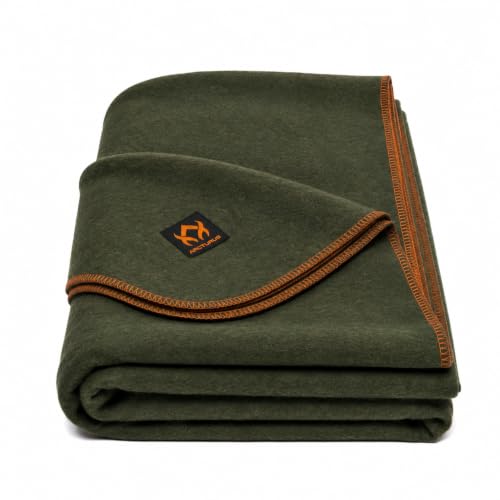
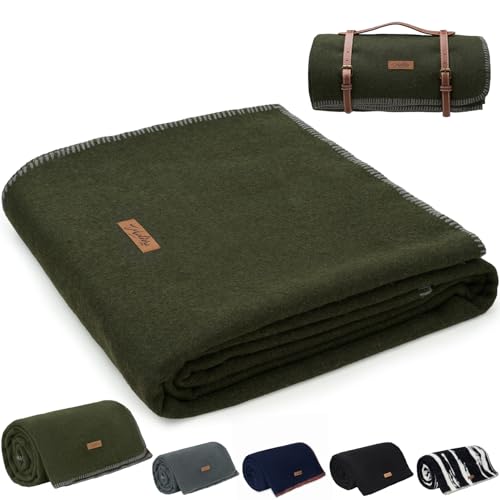
Wool is naturally warm, breathable, and good at regulating temperature, but it can feel scratchy to some people and needs careful washing. Down and feather fills are light and very warm, but they can trigger allergies and lose warmth when damp. Synthetic fills are hypoallergenic, easy to wash, and warm when dry, though they may feel less breathable than wool.
Size and Bed Fit
A blanket should drape over the sides of the bed with enough extra to tuck in if you like a tucked feel. A twin blanket on a double bed will leave cold edges, while an oversized blanket can be hard to wash at home. Measure your bed and check the blanket dimensions, including whether the size is given before or after washing, because some materials shrink slightly.
Indoor, Sofa, and Outdoor Use
A bed blanket prioritizes warmth and drape, while a sofa blanket should be easy to fold, wash, and share. An outdoor blanket needs wind resistance, a durable outer, and a size that packs down reasonably well. A single blanket rarely does all three jobs well, so decide where it will be used most and choose for that setting first.
Wash Care and Allergy Needs
If you wash bedding often, a machine washable synthetic blanket is usually the most practical choice. Wool and down blankets may need a larger machine, a gentle cycle, or professional cleaning, which adds cost and effort. Allergy sensitive buyers should look for washable fills and covers, and wash regularly to reduce dust mite build up.
Who Should Buy Which Type
For Cold Bedrooms
For a cold bedroom, a larger, lofty blanket that drapes well over the bed is usually best, layered over a sheet or under a duvet if needed. Wool or a high loft synthetic fill gives steady warmth through the night without feeling damp. Keep a lighter blanket nearby for warmer nights, so you can adjust layers rather than overheating.
For Sofas and Reading Nooks
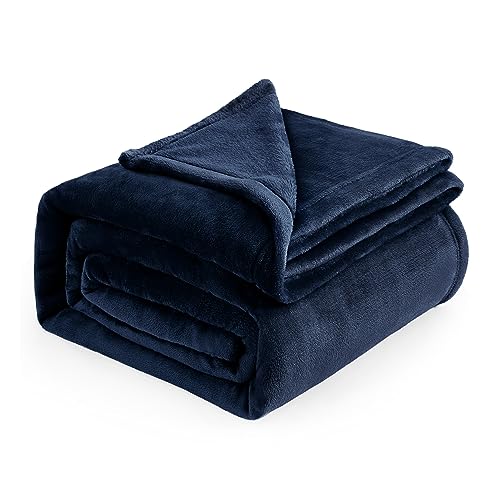
For a sofa, a medium weight blanket that is easy to fold and wash is often more useful than the warmest possible blanket. A soft, washable synthetic or fleece blanket suits everyday use, pets, and spills. Choose a size that covers one or two people comfortably without trailing on the floor.
For Camping and Outdoor Evenings
For camping or outdoor evenings, choose a blanket with a durable, wind resistant outer and a fill that keeps some warmth even if it gets damp. A packable size matters, because a huge blanket that does not fit your bag will stay at home. Layer it with a sleeping bag for cold nights rather than relying on the blanket alone.
Related Choices to Compare
If you are also weighing a nearby option, the guide to best blankets for cold weather camping explains how that choice differs and when it may suit your needs better. Compare its main trade offs with the points above before you decide.
If you are also weighing a nearby option, the guide to best stadium blankets for cold weather explains how that choice differs and when it may suit your needs better. Compare its main trade offs with the points above before you decide.
If you are also weighing a nearby option, the guide to best outdoor blankets for cold weather explains how that choice differs and when it may suit your needs better. Compare its main trade offs with the points above before you decide.
Common Mistakes and Care
A common mistake is buying the warmest blanket available and then overheating, which leads to restless sleep and a blanket kicked off by morning. Another mistake is buying too small a blanket for the bed, which leaves cold gaps and drafts. Measure the bed, consider layering, and choose warmth for your usual room temperature, not the coldest night of the year.
Wash as the maker suggests, dry fully before storing, and air blankets regularly to keep them fresh. Store in a dry, ventilated place rather than a sealed plastic bag for long periods, because trapped moisture can cause musty smells. Fluff down and wool blankets gently after washing to restore loft.
Frequently Asked Questions
What is the warmest blanket material for cold weather?
Wool and down are among the warmest materials for their weight, because they trap air efficiently and regulate temperature well. High loft synthetic fills can also be very warm and are easier to wash. The warmest choice for you depends on allergies, wash care, and whether the blanket will get damp, not on material alone.
Should I choose a heavy or a light blanket?
A heavier blanket can feel comforting and cozy, but it can also feel restrictive, especially for smaller sleepers or warm sleepers. A lighter, lofty blanket can be just as warm without the weight. Try a blanket in person if you can, and consider layering a lighter blanket over a sheet rather than buying the heaviest option available.
Can one blanket work for bed and outdoors?
One blanket can work for both in mild conditions, but a bed blanket is usually too bulky or delicate for outdoor use, while an outdoor blanket may feel stiff indoors. If you need both, a durable, washable blanket in a medium size is a reasonable compromise, but two purpose built blankets will usually perform better.
How do I wash a cold weather blanket?
Follow the maker care label, because wool, down, and synthetic fills need different treatment. Many synthetic blankets wash well at home, while wool and down may need a gentle cycle, a large machine, or professional cleaning. Dry fully before use or storage, because a damp blanket can smell musty and lose loft.
What size blanket do I need for a double bed?
For a double bed, look for a blanket that is wider than the mattress so it drapes over both sides with room to tuck. Check the exact dimensions rather than relying on the size name alone, because sizes vary between makers. If you share the bed, a larger size reduces nighttime tug of war over coverage.
A Final Check Before You Order
Before you order, measure the bed or sofa, check the wash label against your machine size, and think about layering for your usual room temperature. A blanket that covers fully, washes easily, and layers well with a sheet or duvet will be far more useful through winter than a warmer blanket that is too small or hard to clean.
Final Thoughts
Choose warmth for your room and routine, check size and wash care, and layer rather than overheating with a single very heavy blanket. A blanket that fits, washes easily, and suits your main use will be reached for far more often than a warmer blanket that is awkward to care for. The comparison table above can help you compare materials and sizes.
For most buyers, best blankets for cold weather come down to the right loft for your room, a size that covers the bed or sofa fully, and care that fits your household. Get those right and cold nights will feel much cozier.