
Best Cold Weather Outdoor Security Cameras 2026: A Buying Guide
Disclosure: We may earn a commission when you buy through links on this page, at no extra cost to you. As an Amazon Associate I earn from qualifying purchases. Learn more

Compare the best cold weather outdoor security cameras by temperature ratings, power, storage and detection for winter yards.
Cold weather is a harsh challenge for an outdoor camera. Batteries drain faster, lenses fog, mounts ice over, and a camera that works fine in summer can miss motion on a dark winter night. The best cold weather outdoor security cameras for your home are the ones rated for your lowest temperatures, placed where they can actually see faces and driveways, and powered in a way that survives a cold snap. This guide compares the factors that matter in winter, and the comparison table below gives you a quick side by side view.
Start with your climate and your wiring, not with resolution alone. A camera with a sharp picture is little use if its battery dies in a freeze or if snow blocks its view. Think about where power comes from, how footage is stored, and whether you want alerts for people rather than every falling snowflake.
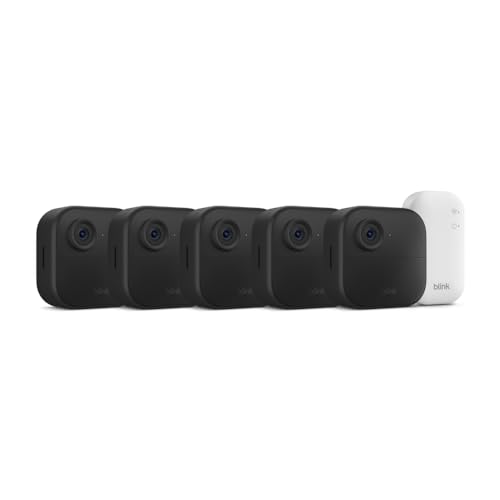
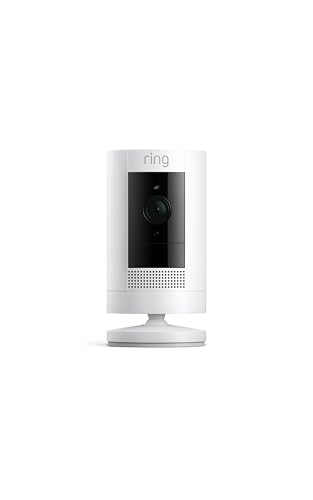
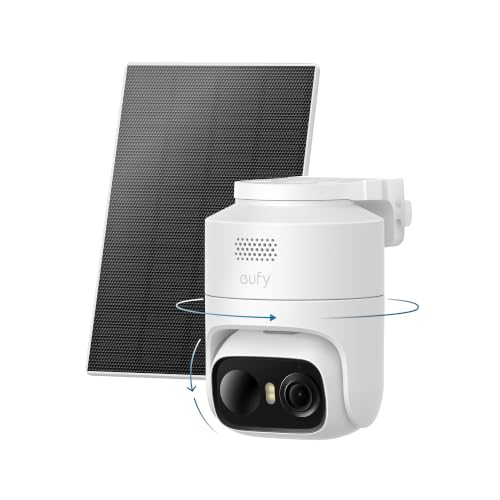



Spending Levels at a Glance
Price tiers in this guide describe what you generally get for the money, not specific products. Use them to match features to your home, then check the product table above for current options.
Lower Priced Options
Lower priced cameras usually offer basic high definition video, motion alerts, and app viewing, often with battery power and local storage on a memory card. They suit a single entry point or a renter who wants simple coverage without wiring work. In cold weather, check the rated operating temperature carefully, since budget batteries can struggle in a hard freeze.
Middle Priced Options
Middle priced cameras usually add sharper video, better night vision, person detection, and a choice of local or cloud storage. Many offer a wired or plug in power option alongside battery power, which helps a lot in winter. This tier suits most homes with two or three outdoor viewpoints, such as a front door, a driveway, and a back garden.
Higher Priced Options
Higher priced cameras usually add the sharpest video, wider fields of view, smarter detection zones, and more robust cold weather ratings. They may include color night vision, a built in spotlight or siren, and a wired power option for constant operation. This tier suits larger properties and long driveways, but placement and power still matter more than any single feature.
How to Choose the Best Cold Weather Outdoor Security Cameras: Buying Guide
Work through these factors in order, and drop any feature that does not help your specific home. A camera is only as good as its view, its power, and its storage, and cold weather strains all three.
Video Resolution and Field of View
Resolution decides how much detail you can read, such as a face at the door or a plate in the driveway. Two K video is a good middle ground for most homes, while four K helps for wide driveways but needs more storage and bandwidth. Field of view matters just as much: a view of about 130 to 160 degrees covers a porch or yard, while a narrower view suits a long path.
Power Options
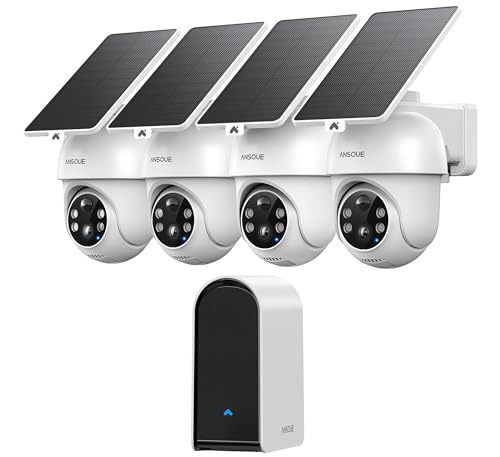
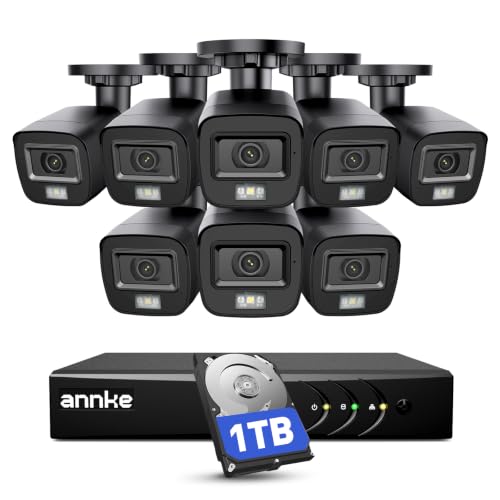
Wired power is the most reliable in cold weather, since it avoids battery drain in a freeze. Battery power is easier to install and suits renters, but expect shorter life in winter and plan for charging or swapping batteries. Solar panels can top up a battery, though short winter days and snow on the panel limit their help. Power over Ethernet, which carries power and video over one cable, suits a permanent install and avoids WiFi dropouts, but needs cable runs and a compatible recorder or switch.
Storage: Local vs Cloud Subscription
Local storage on a memory card or a network recorder keeps footage in your home and avoids a monthly fee, but a stolen camera can take its card with it. Cloud storage keeps clips off site and usually adds smarter alerts, but it needs a subscription and a steady internet connection. Check how long clips are kept, whether continuous recording is offered, and what happens when storage fills up.
Privacy and Security
Look for end to end encryption, two factor authentication, and clear data policies from the maker. Encryption protects footage in transit and at rest, while two factor authentication makes it harder for someone else to open your account. No camera system can guarantee privacy or security, so treat strong account habits as part of the purchase.
Smart Detection and Alerts
Person, package, and vehicle detection cut down on alerts from snow, rain, and animals, which matter a lot in winter. Detection zones let you focus on a path or driveway and ignore a busy street, while sensitivity settings help in falling snow. Check whether detection runs on the camera or in the cloud, since on camera detection still works when internet is slow. For a closer look at cold specific models, see our guide to best security cameras for cold weather alongside this general advice.
Two Way Audio and Siren
Two way audio lets you speak to a visitor or delivery driver without opening the door, which is handy in winter weather. A built in siren or spotlight can deter an intruder, but it can also annoy neighbors if it triggers on snow or animals. Check local rules before recording audio, since audio recording is treated differently from video in some places.
Types of Cold Weather Outdoor Security Cameras
Camera types differ mainly in power and placement, and cold weather makes those differences sharper. Choose the type that fits your wiring and your winter, not just the picture quality.
Wired Camera Systems
Wired systems run on mains or Ethernet power and record to a central recorder, so they keep working through cold snaps that drain batteries. They suit permanent homes with several viewpoints. The tradeoff is install effort, and a qualified installer is worth considering if you are unsure about drilling or outdoor wiring.
Battery Powered Cameras
Battery cameras install almost anywhere, which makes them popular for renters and for spots without nearby power. In cold weather, expect battery life to fall, so choose a model with a cold rating that matches your winters and keep a spare battery charged indoors. They are a weaker choice for constant recording, which drains batteries fast.
Solar Powered and PoE Cameras
Solar cameras pair a battery with a panel, which helps in sunny cold climates but offers little help during dark, snowy weeks. Power over Ethernet cameras suit a planned install with cable runs, giving steady power and a stable connection. If you are comparing wireless options for winter, see our guide to best wireless security cameras for cold weather, and for general outdoor placement, see best cameras for outdoor security.
Setup and Care Tips
- Mount cameras 8 to 10 feet high, high enough to deter tampering but low enough to capture faces.
- Enable two factor authentication on the camera account before you mount anything.
- Position cameras away from direct sun glare and away from rooflines where snow slides off.
- Check local laws before recording audio, and tell household members where cameras point.
- Clear snow and ice from lenses and solar panels after storms, and check mounts for ice buildup.
- Check night vision and motion alerts on a cold dark evening, not just in daylight.
FAQs
Do I need a subscription for outdoor security cameras?
No, not always, since many cameras record to a memory card or a local recorder without a fee. A subscription usually adds cloud clips, longer history, and smarter detection, which some owners find worth paying for. If you skip a subscription, check what you lose: some cameras limit clips to short previews or drop person detection. One extra point: a subscription does not replace local storage during an internet outage, so a camera with both options is the most resilient choice.
Are home cameras easy to hack?
Home cameras can be attacked if accounts use weak passwords or old software, but strong habits cut the risk a lot. Use a unique password, turn on two factor authentication, and keep firmware updated. Avoid sharing account access more widely than needed, and review connected devices now and then. One extra point: no maker can promise a system is unhackable, so treat camera placement as a privacy choice too, and avoid pointing cameras at neighbors or private indoor spaces.
Wired or wireless: which is more reliable in cold weather?
Wired cameras are usually more reliable in cold weather, because they do not depend on batteries that drain in a freeze. Wireless cameras are easier to install and move, but their batteries need more attention in winter. A wireless camera with a wired power adapter or a solar top up can narrow the gap in milder cold. One extra point: reliability also depends on WiFi strength, since a camera far from the router may drop clips even when its power is fine.
Can cameras work without WiFi?
Yes, some cameras record locally to a card or recorder without WiFi, though you will not get live alerts or remote viewing until they reconnect. Wired systems with a local recorder are the usual choice for offline recording. Battery cameras without WiFi still record motion clips locally on many models, but check this before buying. One extra point: even offline cameras need power, so a battery model still needs charging in winter.
How much storage do I need for outdoor cameras?
Storage needs depend on camera count, resolution, and whether you record continuously or only on motion. Motion only recording uses far less space, so a modest card can hold weeks of clips for one camera. Continuous recording at high resolution fills storage much faster and usually needs a recorder with a large drive. One extra point: in winter, false triggers from snow can fill storage faster, so person detection and well aimed zones save space as well as patience.
The Bottom Line
Choose a camera rated for your coldest nights, powered in a way that survives a freeze, and placed where it sees faces and driveways rather than sky and snow. Resolution, detection, and storage matter, but they only help when power and placement are right. Check local placement and recording rules, set up strong account security, and try the system on a cold dark night before you rely on it. Compare options in the product table above, and pick the best cold weather outdoor security cameras for your home and your winter.


