Best Cameras for Cold Weather 2026: Which One Fits the Way You Use It?
Disclosure: We may earn a commission when you buy through links on this page, at no extra cost to you. As an Amazon Associate I earn from qualifying purchases. Learn more

Discover the best cameras for cold weather for your needs. We match features to real use cases so you avoid overpaying and get the right fit the first time.
Cold changes how a camera behaves. Batteries fade faster, screens respond slowly, and a lens that stayed clear outside can fog the moment you step indoors. The best cameras for cold weather are rated for low temperatures, sealed against snow, and easy to run with gloves on. Use the comparison table below to check those basics first.
There is no single right choice for every winter job. A compact camera on a ski lift faces different demands than a trail camera left on a post for a month, or a security camera watching a driveway all winter. The sections below sort buyers by how they shoot, then cover power, sealing, and controls.


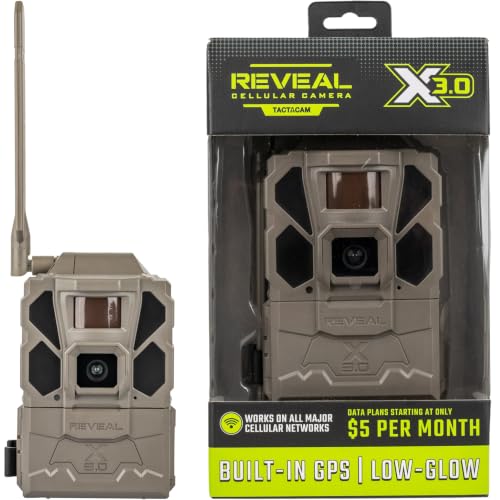


Who Should Buy Which Cameras for Cold Weather?
Start with where the camera will spend the winter and how long it must work between charges. The colder and longer the outing, the more weight you should give to battery options and sealing.
Winter Landscape and Travel Photographers
You hike, ski, or travel to shoot snow scenes and mountain light. Prioritize a stated operating range that reaches at least 14 degrees Fahrenheit, strong weather sealing, and a grip you can hold with medium gloves. An electronic viewfinder helps because bright snow can wash out a rear screen.
Wildlife Watchers Who Leave Cameras Out for Weeks
You set a camera on a trail or fence line and check it days or weeks later, so uptime matters more than screen quality. Look for long battery life from replaceable cells, a housing sealed against driven snow, and a secure mount. For placement and trigger ideas, see our guide to the best trail cameras for cold weather, since a camera you visit rarely must wake fast and record reliably.
Homeowners Who Monitor a Driveway or Yard All Winter
You need a camera that watches a door, driveway, or yard through storms, and sends clear clips to your phone. Prioritize wireless range that reaches your router, night vision that covers the far edge of the yard, and power options that avoid ladder trips in icy weather. If guarding the property is the main job, see our guide to the best security cameras for cold weather for more on alerts and recording choices.
Picking the Right Cameras for Different Uses
Two wireless jobs come up often in winter, and they reward different strengths. A camera you move often needs easy mounting, while a fixed camera needs steady recording. Readers who mainly track storms can also see our guide to the best weather cameras.
Best Outdoor Wireless Cameras for Cold Weather
The best outdoor wireless cameras for cold weather earn their place by staying connected and powered when temperatures fall. Choose a rechargeable pack with generous capacity, or a solar panel you can brush clear of snow. Check the wireless range from the mounting spot, not from inside the house. For the wider category view, see our guide to the best outdoor cameras for cold weather.
Best Wireless Surveillance Cameras for Cold Weather
The best wireless surveillance cameras for cold weather focus on steady watch rather than travel. Prioritize local storage that keeps recording if your internet drops, motion alerts you can tune so blowing snow does not trigger clips all night, and two way audio for speaking with visitors. Homeowners comparing fixed setups can also see our guide to the best outdoor cold weather security cameras.
Key Features to Compare
When you compare the best cameras for cold weather, work through power and sealing before image specs. A brilliant sensor helps little if the camera shuts down at noon or the controls defeat your gloves.
Sensor Size and Image Quality in Flat Winter Light
Sensor size shapes how clean your files look in flat winter light. A 1 inch type sensor suits compact cameras and casual travel, APS C sensors give interchangeable lens cameras more room to hold detail in shadow, and full frame sensors offer the most margin for large prints. Megapixels matter less than this physical size. Snow also fools metering, so look for exposure compensation you can reach quickly.
Battery Life and Power When Temperatures Drop
Cold slows the chemistry inside lithium cells, so a battery that lasts all day in fall may fade in half that time below freezing. Check the rated operating range in the spec sheet. Plan on at least one spare battery for a full day out, and carry spares in an inside pocket where body warmth protects them. A USB power bank kept inside your coat gives you a useful backup.
Weather Sealing and Condensation Control
Sealing guards against falling snow and melt water. Look for gaskets around doors and a stated resistance rating rather than vague claims about toughness. Change lenses under shelter whenever you can. Condensation is the quieter risk. Before you carry a freezing camera into a warm room, place it in a sealed plastic bag so moisture forms on the bag instead of inside the lens, and let it warm slowly first.
Glove Friendly Controls and a Secure Grip
Controls decide how a camera feels when your fingers are numb. Large dials, raised buttons, and a deep textured grip let you change settings by feel, while small flat buttons and touch only menus force you to bare your hands. Test the camera with the gloves you actually wear. A strap you can adjust with gloves on keeps a fumbled camera off the ice.
Autofocus and Stabilization in Snow and Wind
Autofocus hunts on plain snow because there is little contrast for it to lock onto, so a camera that lets you place a single focus point on a tree, rock, or person will miss less often. Stabilization in the body or the lens steadies shots when wind pushes at you or your hands shake from the cold. It cannot freeze a moving subject, so keep shutter speeds up for moving subjects.
Screens, Viewfinders, and Storage in the Cold
Liquid crystal screens can respond slowly and look dimmer in deep cold, and touch input often fails through glove liners. An electronic viewfinder keeps your eye shaded from snow glare and stays usable when the rear screen lags. Memory cards generally tolerate cold better than batteries, but keep them in a closed case so contacts stay dry. For long video, choose cards with a fast sustained write speed.
Common Mistakes to Avoid
Most winter camera regrets come from a short list of avoidable errors.
- Ignoring the stated operating range leaves a camera that shuts down in normal winter cold.
- Changing lenses outdoors during falling snow lets melt water reach the sensor and the lens contacts.
- Carrying a freezing camera straight into a warm room uncovered invites condensation inside the lens.
- Skipping a glove test on tiny controls leaves you changing settings with bare hands in biting wind.
- Mounting a wireless camera where the signal is weak makes clips stutter and alerts arrive late.
- Storing spare batteries in an outer pocket means they reach the scene already chilled and short on charge.
How to Make Your Camera Last Longer
Wipe the objective lens with a soft lens cloth, not your shirt, because grit caught in clothing can scratch the coating. After a snowy outing, brush off loose snow before it melts, and let the camera dry at room temperature in a padded bag. A small packet of silica gel in the bag keeps the air around the camera dry between trips.
Check seals and door gaskets each season, and clear away grit that could break the seal. Store the camera indoors at normal room temperature with the battery partly charged. Keep firmware current through the maker app or site. Plastic parts grow more brittle in deep cold, so handle the camera gently.
FAQ
What features matter most in cameras for cold weather?
The operating range, sealing, and battery options matter most in cameras for cold weather. One point buyers often miss is that the range must cover the lens as well as the body, since a lens rated for milder cold can fog or stiffen first. Check both ratings before a trip, and match them to the coldest morning you expect.
What specs matter most for beginners buying a camera for cold weather?
Simple controls, a snow scene mode, and forgiving auto exposure matter most for beginners buying a camera for cold weather. A snow scene mode raises exposure for bright snow so faces do not go dark, which removes the one setting new users struggle with most. Start there, and learn manual steps once the basics feel easy.
Is a smartphone enough instead of a dedicated camera for cold weather?
A smartphone is enough for short outings and casual snapshots in cold weather. Phones lose charge quickly in deep cold and their touch screens demand bare fingers, so keep the phone in an inside pocket between shots. For long days or distant wildlife, a dedicated camera with physical controls is the safer tool.
How much should I spend on a first camera for cold weather?
Most first time buyers do well at about $300 to $600 for a camera for cold weather. Set aside part of that budget outside the camera price itself, roughly the cost of one spare battery, a padded bag, and a fast memory card. An older model with money left for those items beats a newer body bought with nothing spare.
How do you keep a camera working through a full day below freezing?
Rotate two batteries to keep a camera working through a full day below freezing. Swap at lunch even if the first battery still shows charge, and warm the used one inside your coat so it recovers for late day shots. Between stops, hang the camera inside your open outer layer rather than on the outside of your pack.
Final Thoughts
Match the camera to the winter job first, then confirm the operating range, the battery plan, and controls you can run with gloves. Use the product table above to compare those points across your short list.
Chosen that way, the best cameras for cold weather stop being a gamble on specs and become tools you trust on the coldest morning of the year. Buy for the conditions you face most, and your camera will be ready when the light turns good.