Best Clip Speakers: A Practical Buying Guide for 2026
Disclosure: We may earn a commission when you buy through links on this page, at no extra cost to you. As an Amazon Associate I earn from qualifying purchases. Learn more

Cyclists, hikers, and commuters can compare the best clip speakers by clip strength, sound at outdoor volume, battery, and water resistance before buying.
Choosing the best clip speakers gets confusing because most small Bluetooth speakers look alike in listings, yet the clip is exactly where cheap models fail. A clip speaker hangs from a bag strap, bike bar, belt loop, or tent line so music travels without filling a hand or a pocket, and that only works when the clip holds, the speaker survives weather, and the battery lasts the whole outing. This guide explains clip strength, sound at outdoor volume, battery, and water resistance in plain language.
The comparison table below can help you scan options quickly, while the sections that follow explain what each feature means on a run, a ride, a hike, or a day at the desk.


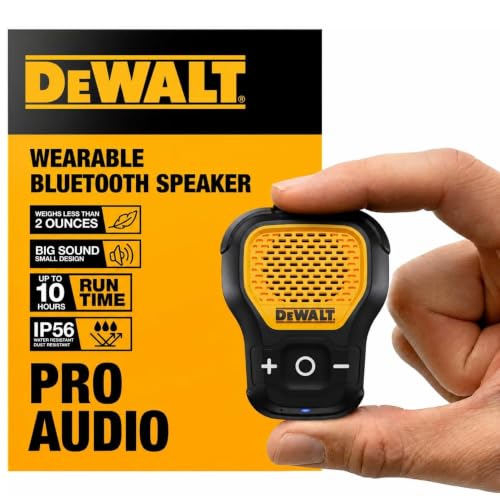


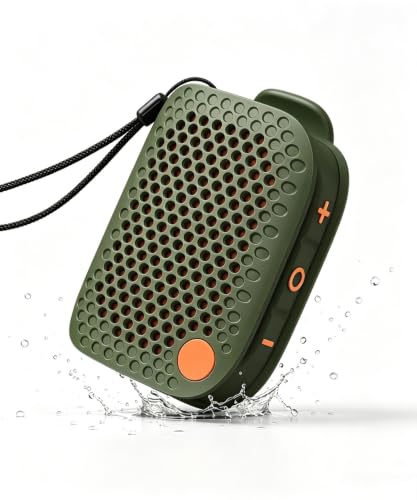


Who Should Buy Which Clip Speaker
Different buyers need different strengths from the best clip speakers, so start with your own routine rather than a general ranking. The groups below cover the most common uses, and the product table above can help you match them to options.
Cyclists and Runners
Movement is the enemy here. A speaker that bounces on a strap distracts you, drains your attention from traffic, and eventually works its clip loose. Choose a light, compact model with a carabiner style clip that locks shut, and mount it high on a pack strap or bar where it cannot swing. Volume matters less than clarity at moderate levels, and a speaker that lets you hear traffic is safer than one that drowns it out.
Hikers and Campers
Trail and camp use rewards a rugged case, a dust and water rating that covers rain and a drop in a puddle, and a battery that lasts a full day away from power. A clip that fits a wide pack strap or a tent guy line is more useful than a tiny loop. Keep in mind that many trails and campsites have etiquette or rules about music, so moderate volume and respect for other people matter as much as the gear.
Commuters and Desk Users
If the speaker rides a bag to work and then sits on a desk, you want clean sound at low volume, quick pairing with a laptop and phone, and a shape that stands upright on a flat surface. A built in microphone for calls adds value here. Water resistance matters less, so you can spend the money on sound quality and battery instead.
Key Features to Compare
Clip Strength and Fit
The clip should grip your actual strap or loop firmly without bending or popping open under movement. Integrated carabiners with a sprung gate are the most secure, fabric loops and hooks the least. Check the gate opening against the thickness of your pack strap, because a clip sized for a belt loop may not close around a padded shoulder strap. Metal clips outlast plastic ones, and a clip molded into the housing survives better than one screwed on.
Sound Quality at Outdoor Volume
Small drivers sound thin when pushed, so judge clarity at the volume you will actually use outdoors, not at maximum. A speaker that stays clear at moderate volume serves a ride or a campsite better than one that only sounds full when cranked and then distorts. Bass is limited by size, so expect clear vocals and acoustic detail rather than deep low end, and treat passive radiators or bass claims as modest improvements rather than transformations.
Battery Life and Charging
Battery claims are measured at moderate volume, so expect noticeably less at high volume and in cold weather. Ten hours or more covers most day trips; smaller models that run around five to eight hours suit runs and commutes. A USB C charging port matters because it is the cable you already carry, and a sealed port cover protects the charging contacts from rain and grit.
Water and Dust Resistance
Look for an IP rating in the listing. A rating ending in 7 means the speaker survives brief immersion, which covers rain, splashes, and a drop in shallow water; a rating ending in 4 or 5 covers splashes only. The first digit, where given, rates dust protection, which matters on dry trails and beaches. Ratings describe controlled conditions, so rinse salt water off, dry the port before charging, and do not treat any clip speaker as a pool toy unless the maker says so.
Pairing, Range, and Extras
Bluetooth pairing should be quick and remembered between uses, and multipoint pairing lets you connect a phone and a laptop at once. Stereo pairing with a second unit of the same model turns two clip speakers into a wider sound stage at camp. A built in microphone adds hands free calls, and physical buttons that work with gloves beat touch controls outdoors.
Types of Clip Speakers
Ultra Compact Clip Speakers
These palm sized speakers weigh a few ounces and focus on portability for runs, rides, and walks. They give clear sound at close range but little bass and shorter battery life. Choose this type when weight on a strap matters more than filling a campsite with music.
Rugged Outdoor Clip Speakers
Rugged models add a thicker housing, a stronger integrated carabiner, better water and dust ratings, and longer battery life. They suit hiking, camping, work sites, and anyone who drops things. The trade off is size and weight on the strap, so they ride better on a pack than on a running belt.
Feature Rich Clip Speakers
Feature rich models add a microphone, stereo pairing, app control, and sometimes a flashlight or power bank function. They suit buyers who also take calls or want two units for stereo at camp. Pay for these extras only when they solve a problem you actually have, since each one adds cost and complexity.
Common Mistakes to Avoid
- Choosing volume over clip security, then losing the speaker on a ride.
- Ignoring the water rating and charging a wet port, which damages the contacts.
- Assuming battery claims apply at maximum volume or in cold weather.
- Buying a clip that does not open wide enough for your actual bag strap.
- Playing music loudly on shared trails and campsites, which annoys other people and can break local rules.
How to Choose Step by Step
- Note where you will clip the speaker most often, such as a pack strap, a bike bar, or a belt loop, and measure that strap or bar.
- Check the clip type and gate opening against that measurement.
- Choose the water and dust rating for your worst likely conditions, not your average day.
- Compare battery life at moderate volume against your longest outing, then check return terms before ordering.
Care and Long Term Use
Wipe the speaker after rain, sweat, or dust, rinse off salt water with fresh water, and dry the charging port fully before plugging in. Store it in a bag pocket rather than loose, so the clip does not bend and the grille does not fill with grit. Charge the battery every few months even when the speaker is not in use, since a cell left flat for a long time loses capacity.
Check the clip gate and hinge for wear, because that is the part most likely to fail on a cheap speaker. If the battery swells, the speaker overheats, or sound distorts at normal volume, stop using it and contact the maker rather than continuing to charge it.
Related Guides
If you want a speaker that clips to a laptop screen for calls and video rather than to a bag, our guide to the best clip on laptop speakers covers that very different design. For larger wireless speakers that stay at home or in the car, our guide to the best bt speakers compares sound and range without the clip.
Frequently Asked Questions
What is a clip speaker?
It is a small portable Bluetooth speaker with an integrated clip or carabiner that attaches to a bag, bike, belt loop, or tent. The clip keeps your hands free and the speaker close enough to hear at moderate volume while you move. Most models are water resistant and run on a rechargeable battery for several hours.
Will a clip speaker stay on during cycling?
A locking carabiner clipped to a snug strap or bar mount usually stays put, but a loose hook on a thick strap is the most common cause of a lost speaker. Clip it high and tight, check that the gate closes fully, and avoid dangling it from a loop where it can swing into the wheel.
Are clip speakers waterproof?
It depends on the IP rating. Many handle rain and splashes, and models rated for brief immersion survive a drop in shallow water, but none are built for swimming unless the maker says so. Check the exact rating, dry the port before charging, and rinse off salt or chlorine after exposure.
How loud should a clip speaker be?
Loud enough to hear clearly at a few feet in open air without distortion. Tiny drivers turn harsh at maximum volume, so clarity at moderate levels matters more than peak loudness. If you need to fill a campsite, two paired units or a larger speaker work better than one small unit pushed to its limit.
Can I pair two clip speakers together?
Many current models support stereo or party pairing with a second unit of the same model, but older and budget speakers often do not. Check the listing for pairing support if stereo at camp matters to you, and note that both units need charge for the pair to work.
Final Thoughts
The product table above gives a quick overview, but the right speaker comes from matching the clip to your strap, the rating to your weather, and the battery to your longest outing. Cyclists and runners should put a secure, light clip first, hikers should put ruggedness and battery first, and commuters should put sound at low volume and call quality first. When you are ready, choose the best clip speakers option that fits your routine and your budget, and it will travel with you for years.