
Best Cold Weather Boots for Stand Hunting: Warmth for Long Sits in 2026
Disclosure: We may earn a commission when you buy through links on this page, at no extra cost to you. As an Amazon Associate I earn from qualifying purchases. Learn more

Compare insulation, waterproofing, fit, and grip to choose the best cold weather boots for stand hunting for long, motionless sits in deep cold.
Stand hunting is the hardest test a boot can face, because your feet get cold fastest when your body is barely moving. Sitting still for hours in a tree stand or ground blind, you generate very little heat, so insulation and fit matter far more than they do on a walking hunt. Finding the best cold weather boots for stand hunting depends on how cold your late season gets, how far you walk in, and how long you sit.
This guide walks through the specs that actually keep feet warm on stand, from insulation weight to toe box room, so you can match a boot to your hunting style. Use the product table to compare insulation, height, and waterproofing side by side once you know which features matter most for your sits.
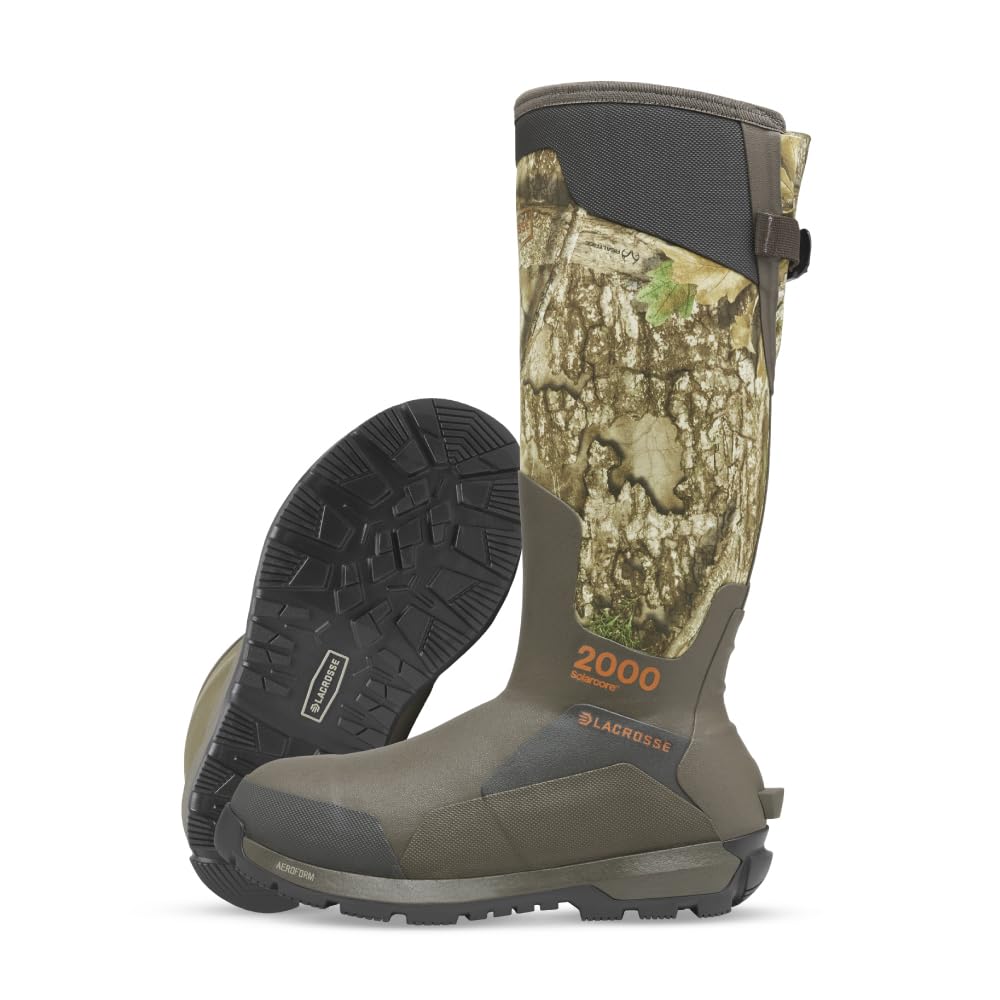

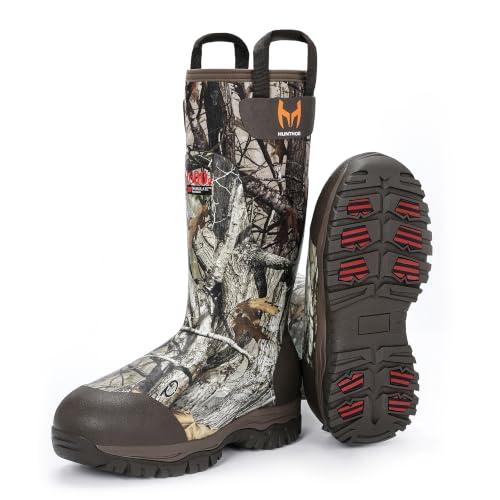
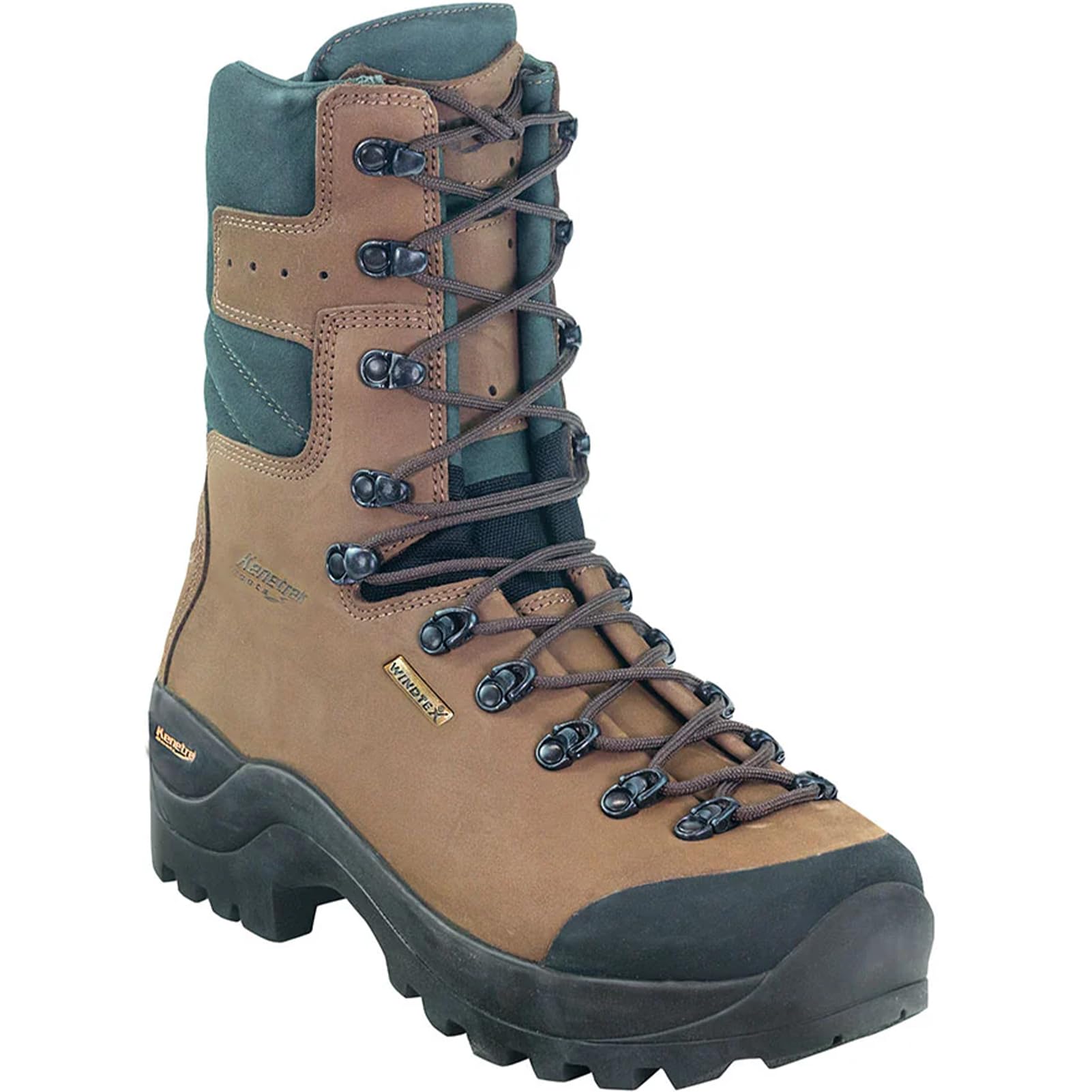

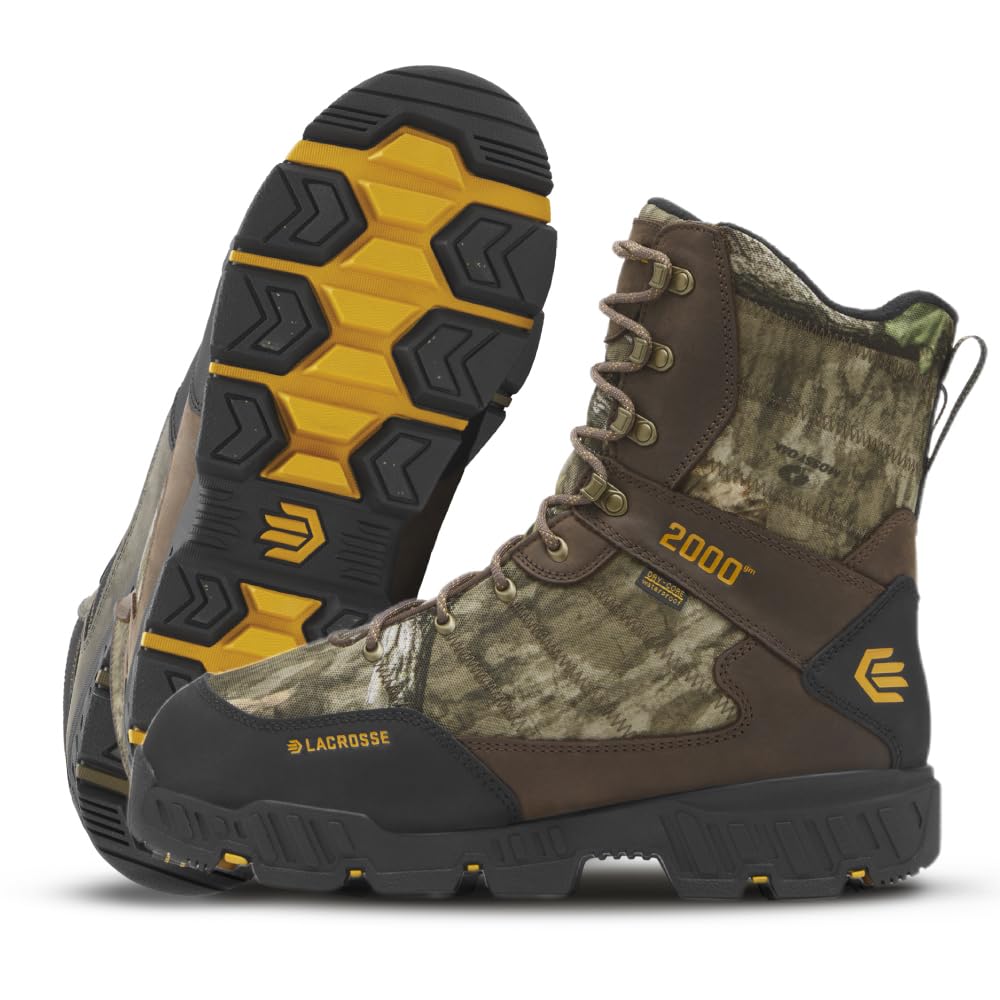

Who Should Buy Which Cold Weather Boots?
Weekend Beginners on a Budget
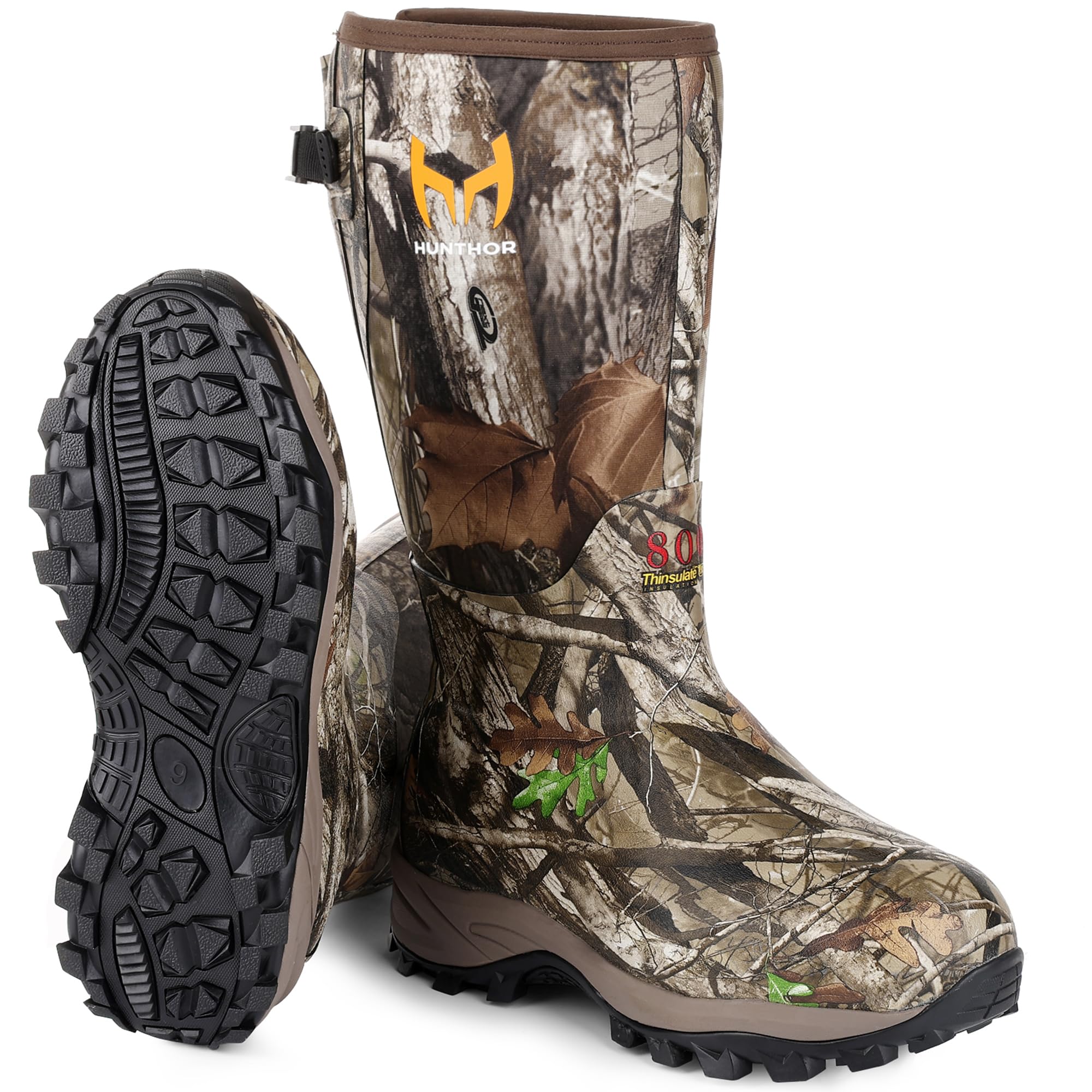
If you hunt a handful of weekends a season in temperatures that dip into the twenties, you do not need the heaviest boot on the shelf. Look for around 800 grams of insulation, a waterproof membrane, and a mid height shaft that supports your ankle on the walk in. Boots in this range often cost under $200, and they pair well with one good pair of merino wool socks. Spend your remaining budget on warm socks before you spend it on extra insulation you may rarely need.
Hunters Who Sit All Day in Severe Cold
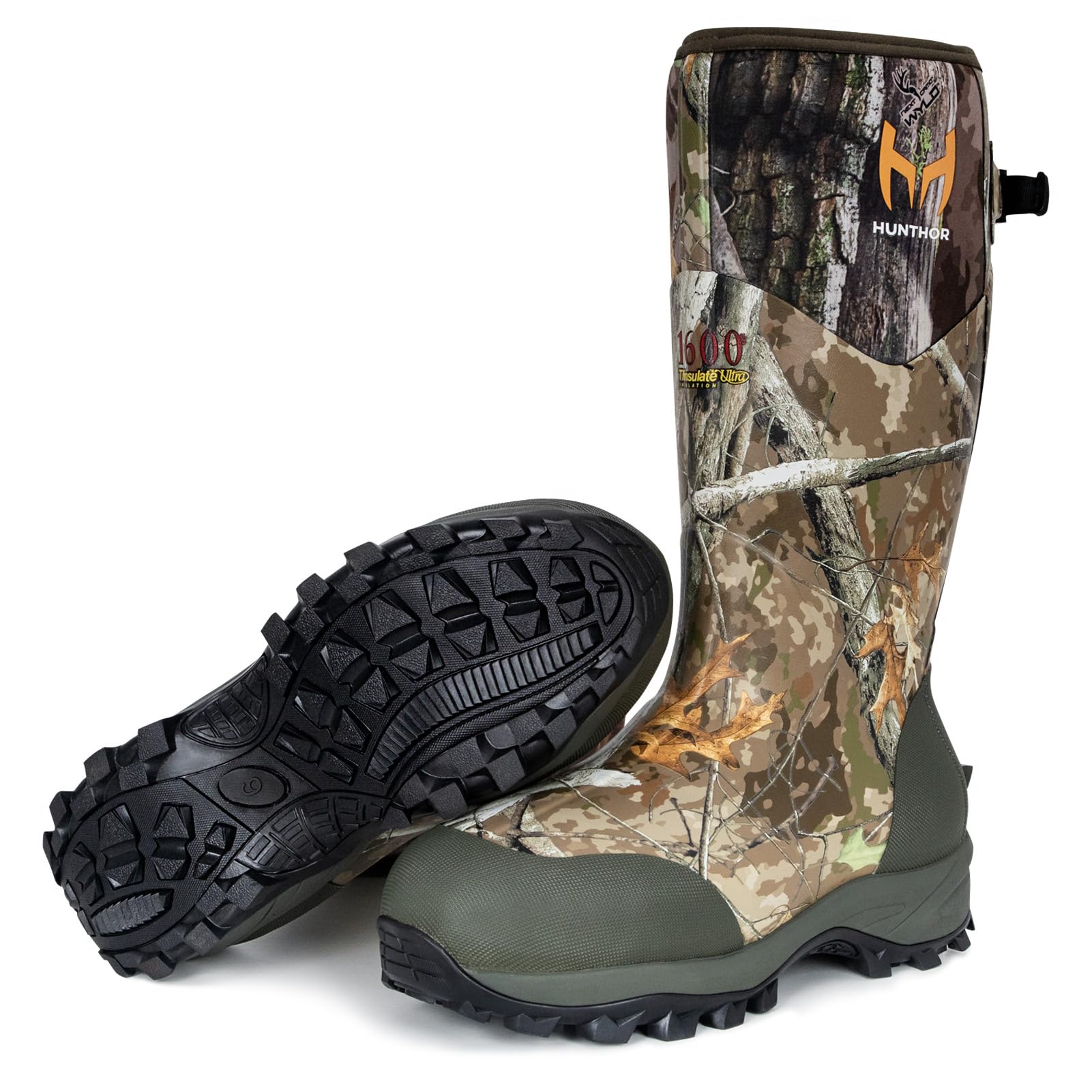
If you regularly sit from before daylight until dark in single digit cold, insulation is your top priority and everything else comes second. Boots with 1,200 to 1,600 grams of insulation, a tall shaft, and a thick insulating midsole are built for exactly this. They are heavy and bulky on the walk in, so many all day sitters carry them to the stand and change at the base of the tree. If that sounds like your routine, see our guide to the best boots for cold weather tree stand hunting for more on stand specific setups.
Hunters in Wet Woods and Swamp Edges
If your route in crosses creeks, flooded timber, or snow that turns to slush by midday, waterproofing decides whether you stay comfortable or go home early. Full rubber boots keep water out completely and rinse clean after a muddy exit, and they hold little scent, which helps on pressured ground. The trade off is less ankle support and less breathability, so your feet may feel clammy on long walks. For a closer look at that style, see our guide to the best rubber hunting boots for cold weather.
Frequent and Serious Late Season Hunters
If you hunt twenty or more days a season, durability and insulation quality repay their cost quickly. Look for stitched or reinforced uppers, a replaceable insole, and insulation that keeps its loft after seasons of compression in a tight fitting boot. Serious hunters often own two pairs, a lighter boot for early cold snaps and a heavily insulated pair for the coldest weeks, and rotate them so each pair dries fully between hunts. That rotation also spreads wear across two pairs instead of destroying one.
Key Features to Compare
Insulation Weight for Long, Still Sits
Insulation in hunting boots is rated in grams, and the number tells you how much synthetic fill the boot carries. Around 400 grams suits active hunting in mild cold, 800 grams covers most stand hunting down into the twenties, and 1,200 grams or more is for long, motionless sits in serious cold. Because a seated hunter produces so little heat, most stand hunters should size their insulation one step warmer than they think they need. To compare fill weights across styles, see our guide to the best insulated hunting boots for cold weather.
Cushioning and Support
Cushioning matters less for shock absorption on stand and more for insulation, because a thick cushioned midsole puts distance between your foot and frozen ground or a cold metal stand platform. Look for a firm, stable platform rather than a soft, squishy one, since stability keeps your footing secure on ladder steps and climbing sticks. Most hunting boots have a modest heel to toe drop of about 8 to 12 mm, which feels natural for the walk in and keeps your calf relaxed during the climb. A supportive shank also reduces foot fatigue when you stand to stretch during long sits.
Upper Materials and Breathability
Leather and fabric uppers with a waterproof membrane such as Gore Tex balance durability, support, and some breathability, which makes them the versatile choice for hunters who walk a long way in. Full rubber uppers are completely waterproof and easy to clean but trap moisture from your own sweat, so they suit short walks and wet ground better than long hikes. Breathable is a relative term in a heavily insulated boot, so plan on your socks doing most of the moisture work. Carry a spare pair of socks on all day sits and change at midday if your feet feel damp.
Features That Matter Specifically on Stand
A quiet outsole matters more than an aggressive one when you shop for the best cold weather boots for stand hunting, because a hard lug that clicks against a metal stand platform can give you away at the worst moment. Look for rubber compounds that stay flexible in deep cold, since stiff soles lose grip on frosty ladder rungs. Tall shafts of 14 to 18 inches keep snow out when you walk through drifts and add insulation around your calf. A gusseted tongue and a snug top closure stop snow from sifting in at the ankle during the climb.
Fit, Sizing, and Toe Box
Fit is the most overlooked warmth factor, because a boot that squeezes your toes restricts blood flow and makes your feet cold no matter how much insulation surrounds them. Try boots on in the afternoon, when your feet are slightly swollen, and wear the thick socks you plan to hunt in. You want room to wiggle your toes freely and about a thumb width of space in the toe box. Women hunters should look for boots built on a true womens last rather than a scaled down mens boot, and our guide to the best women's hunting boots for cold weather explains the fit differences in detail.
Common Mistakes to Avoid When Buying Cold Weather Boots
- Choosing insulation by the temperature rating on the box alone, because those ratings assume an active wearer and a seated hunter gets cold far sooner.
- Buying a snug, precise fit like a hiking boot, because tight toes restrict circulation and leave your feet cold within the first hour on stand.
- Wearing cotton socks, because cotton holds sweat against your skin and drains heat from your feet all morning.
- Judging only by price, because the cheapest heavily insulated boot often packs down fast and loses warmth after one season.
- Ignoring outsole grip, because a smooth or stiff sole can slip on frosty stand steps when your hands are full of gear.
- Forgetting the walk in, because a boot warm enough for the sit but miserable to walk in will leave your feet sweaty before you ever sit down.
Safety Notes for Hunting in Deep Cold
Cold feet are a comfort problem until they become a safety problem, so know the warning signs of frostbite before you climb up. Numbness that does not fade, skin that looks pale or waxy, and toes that feel hard or clumsy are all signs to end the hunt, get down carefully, and warm your feet gradually with dry socks and body heat. Never rub frostbitten skin or use very hot water on it. If feeling does not return as your feet warm, seek medical care promptly rather than waiting it out at home.
Setup and Care Tips for Hunting Boots
Break new boots in with several short walks before season, because stiff uppers and new insoles need time to shape to your feet before a long sit. After every hunt, pull the insoles out and air dry your boots at room temperature away from direct heat, since a hot vent or wood stove can crack leather and damage waterproof membranes. A low heat boot dryer is a sound investment for hunters who hunt back to back days.
Store boots upright in a cool, dry place with the shafts supported so they do not fold and crease. Condition leather uppers a few times a season to keep them supple and water resistant, and brush mud off rubber boots before it dries hard in the tread. Check laces, eyelets, and sole edges each season and replace worn insoles, because a packed down insole quietly steals both cushioning and insulation. If you are comparing general purpose options beyond the stand, see our guide to the best cold weather hunting boots for a broader overview.
Cold Weather Boots: Your Questions Answered
What features matter most in cold weather boots for stand hunting?
Insulation weight, a roomy fit, and a waterproof build matter most, in that order. Insulation does the warming, but it only works when your toes have room and your blood can circulate, which is why fit ranks so high. One point hunters often miss is the insole, since a thick felt or wool insole adds warmth underfoot where cold creeps in from the stand platform. Treat the product table as a quick way to compare insulation weights across the boots you are considering.
How should cold weather boots for stand hunting fit?
Cold weather boots for stand hunting should fit roomier than your everyday shoes, with space to wiggle your toes and wear thick wool socks without pressure. Your heel should stay put when you walk, while your forefoot and toes stay loose. A useful trick is to remove the insole and stand on it, since your foot should sit inside its shape with a small margin at the toes. If your toes touch the front when you kick lightly, go up half a size.
Do cold weather boots for stand hunting need to be waterproof?
Yes, for most stand hunters, waterproof boots are the safer choice because snow, frost melt, and wet leaves will find their way in during the walk and the climb. A waterproof membrane also blocks wind, which adds warmth on an exposed stand. The exception is the hunter on dry, frozen ground who walks far, where a non waterproof insulated boot can feel less clammy. Even then, treat the upper with a water repellent finish before the season starts.
Can I wear cold weather boots for stand hunting all day?
Yes, you can wear them all day, and heavily insulated models are designed for exactly that. The key is managing moisture, because feet sweat even in deep cold and damp socks chill fast once you stop moving. Loosen your laces slightly once you are seated to improve circulation, and flex your toes and ankles every so often to keep blood moving. If your feet start sweating on the walk in, slow your pace for the last stretch so you arrive dry.
Are expensive cold weather boots for stand hunting worth it?
They can be, if you hunt often in severe cold, because higher priced boots usually carry denser insulation, better waterproof membranes, and uppers that survive many seasons. The value shows up in year three and four, when a budget boot may have packed down and lost warmth. If you only hunt a few mild weekends, a mid priced boot with 800 grams of insulation serves you just as well. Money spent on quality wool socks often beats money spent on a small step up in boot price.
The Bottom Line
Start with insulation matched to your coldest sits, then insist on a roomy fit that lets your toes move and your blood flow, and then confirm the boot is waterproof with a sole that grips frosty steps. Match the style to your ground, rubber for wet woods and leather with a membrane for long walks, and you will stay on stand longer and hunt more comfortably. When you are ready to compare, the best cold weather boots for stand hunting for your season are the ones in the product table that meet those three tests at a price your budget can handle.


