
Best Boots for Cold Weather Tree Stand Hunting: Buying Guide for 2026
Disclosure: We may earn a commission when you buy through links on this page, at no extra cost to you. As an Amazon Associate I earn from qualifying purchases. Learn more

Compare insulation, waterproofing, fit for thick socks and grip on ladder steps to choose warm, quiet boots for cold weather tree stand hunting sits.
Sitting still for hours is the hardest test a boot can face. Walking warms your feet, but a tree stand leaves you motionless in cold air, with metal under your soles drawing heat away and no chance to stomp feeling back without spooking game. Choosing the best boots for cold weather tree stand hunting means planning for that stillness first.
This guide explains how insulation, waterproofing, fit, height and traction work together on long, quiet sits, plus the main boot types and the mistakes that leave hunters cold by mid morning. Start with the comparison table below, then use the sections that match your weather and your ground.

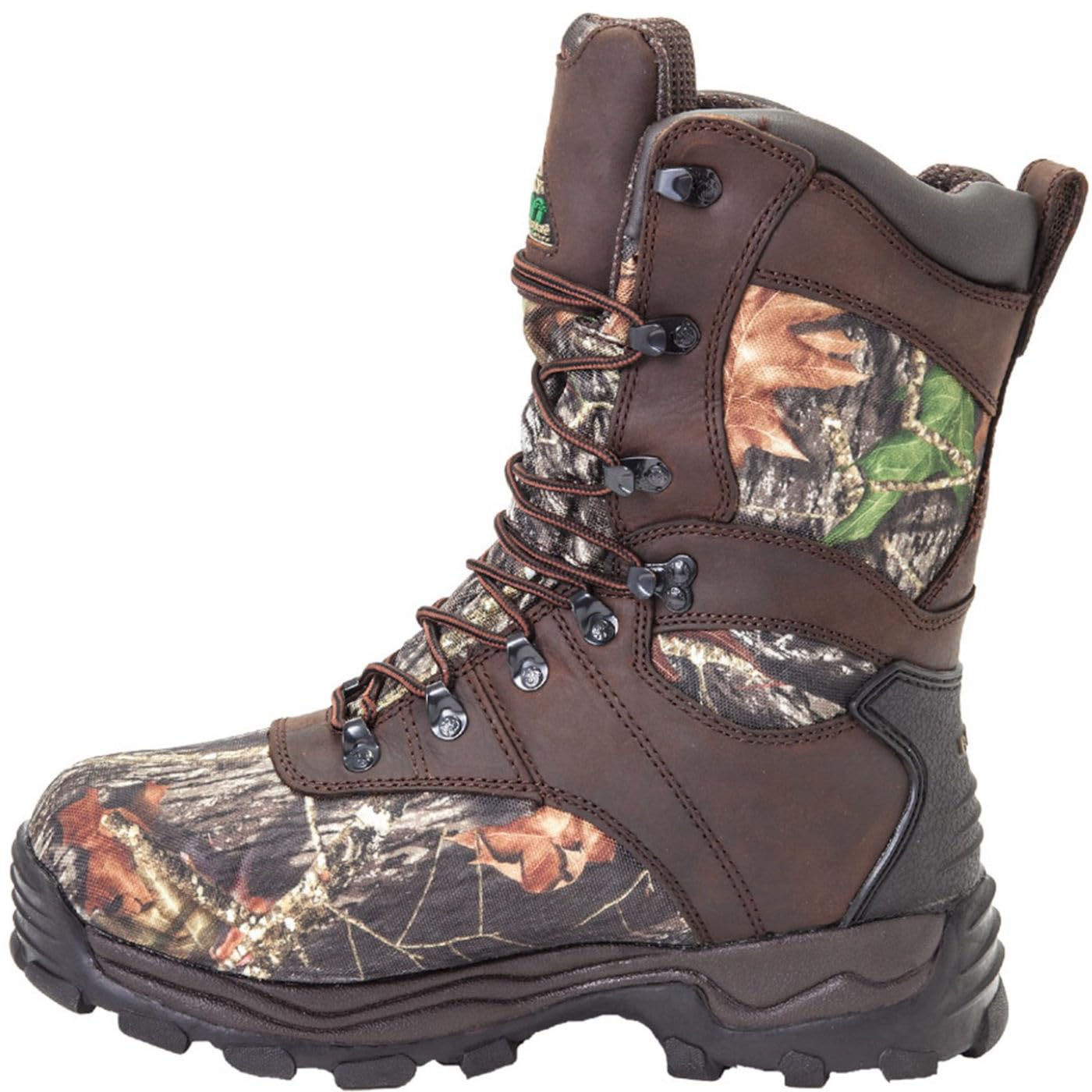
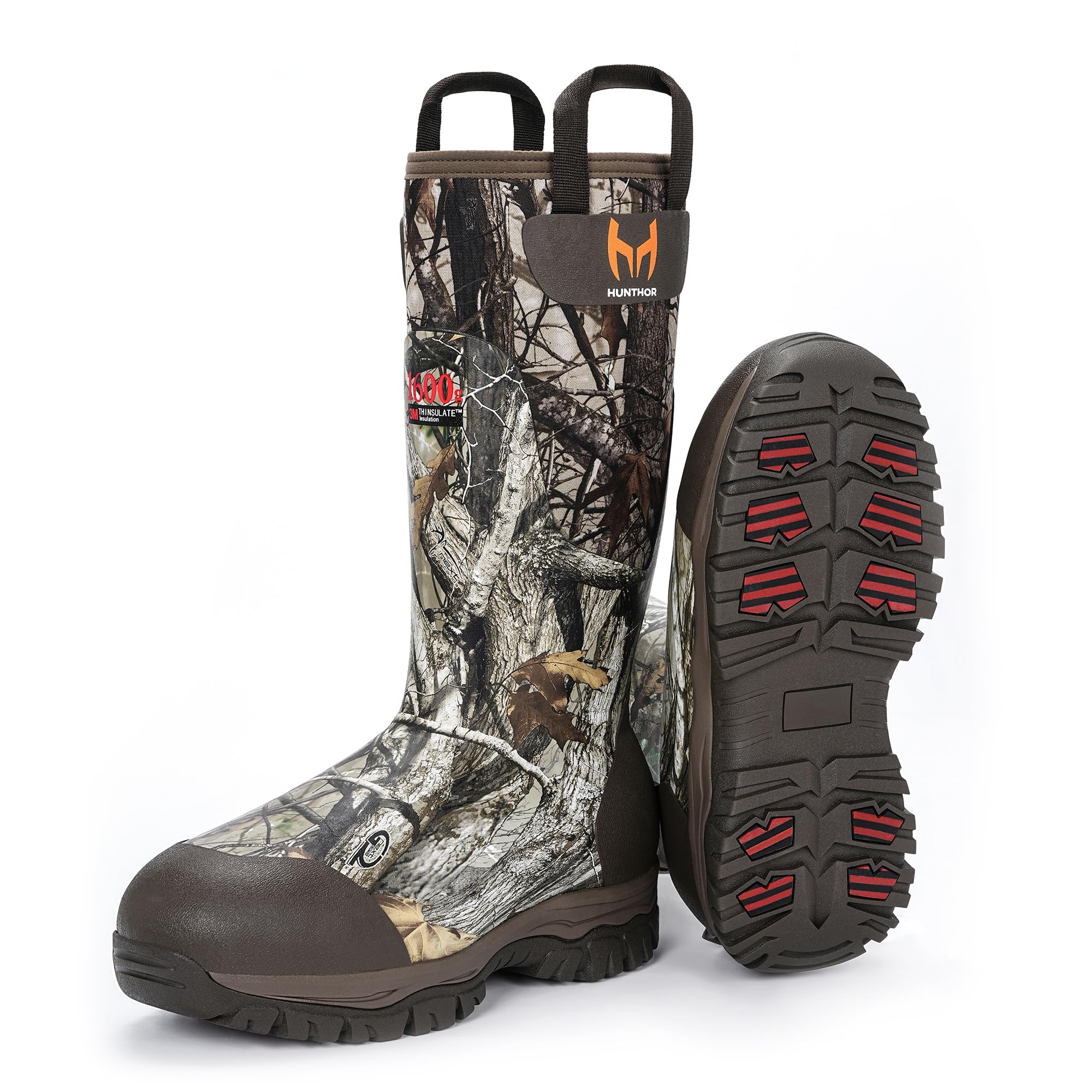
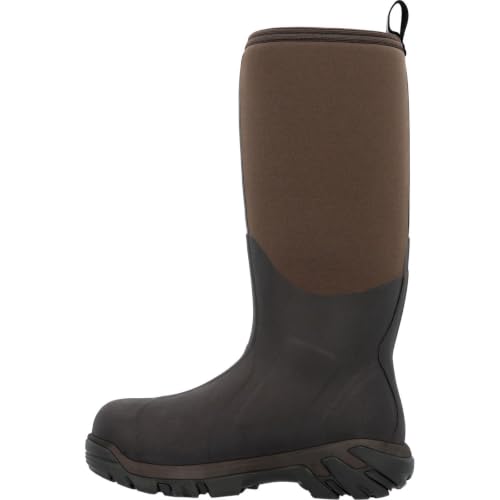
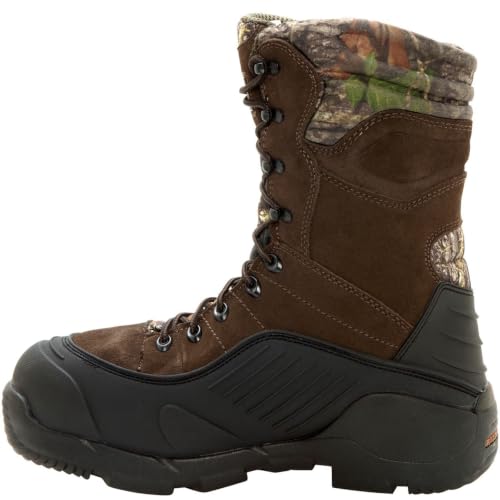

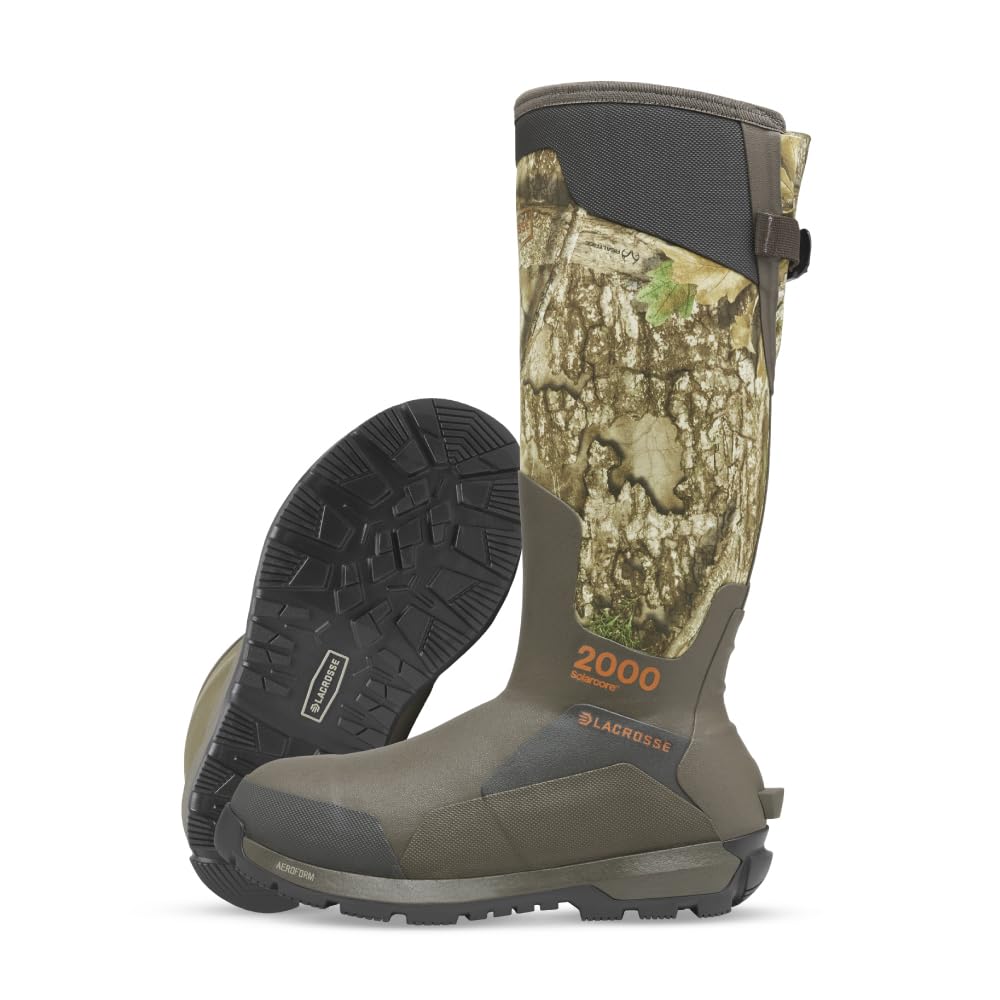

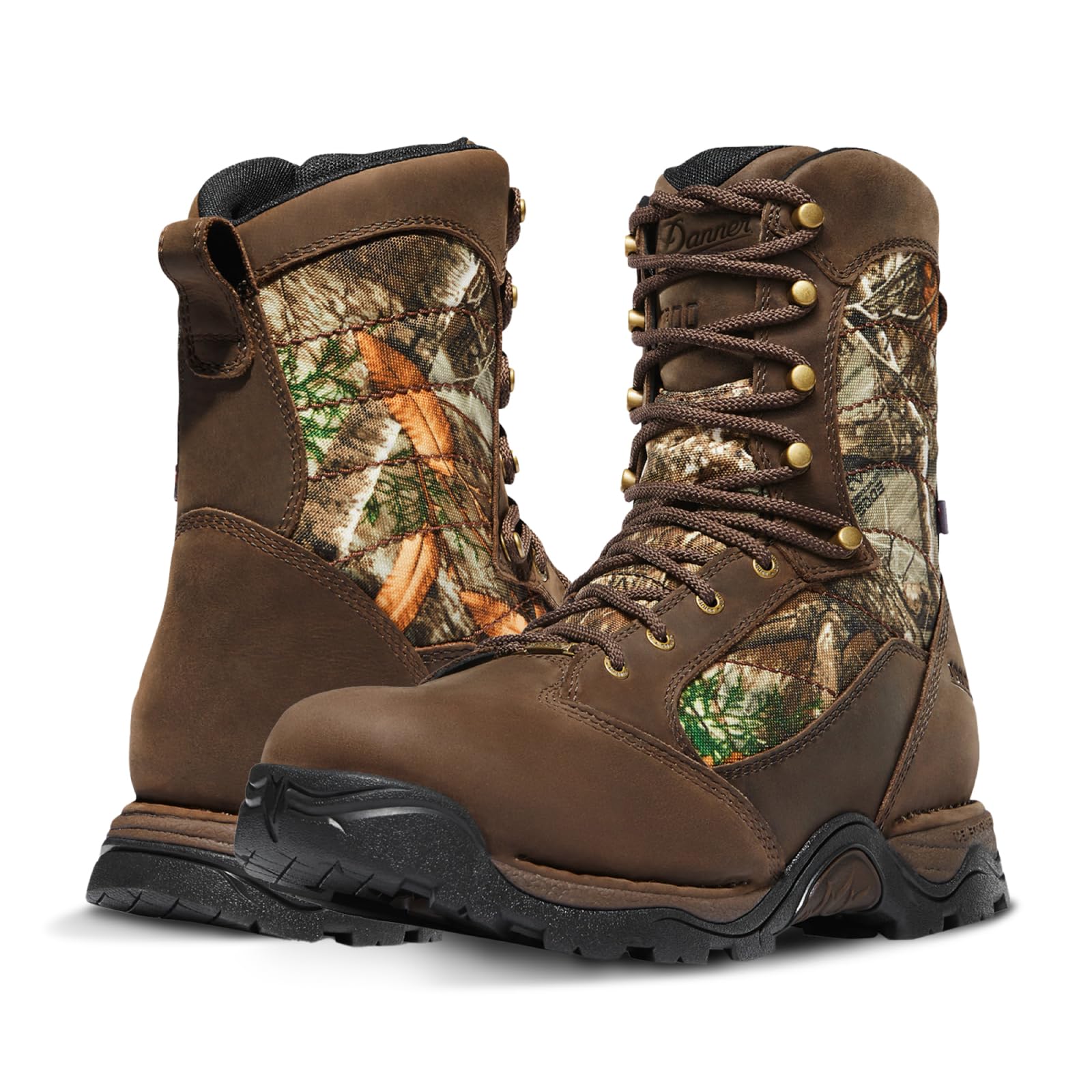

Who Should Buy Which Cold Weather Tree Stand Boots?
Hunters Who Sit From Dawn to Dark in Late Season Cold
Your main enemy is heat loss over time, so favor the heaviest insulation you can walk in, usually 1000 to 1600 grams, with a tall shaft that seals against your pants. A roomy toe box matters because tight boots restrict blood flow, and restricted flow means cold toes no matter how thick the lining is. If your sits run four hours or longer in single digit cold, warmth should outrank light weight.
Hunters Who Walk a Long Way to a Remote Stand
A long approach changes the balance. You need enough insulation for the sit, but a boot built only for stillness can feel clumsy on hills and soak your socks with sweat before you climb. Look for 600 to 1000 grams of insulation, a supportive upper, and a sole with real flex. Women making that same walk can compare lasts and calf fits in our guide to the best women's hunting boots for cold weather.
Hunters Who Cross Creeks and Hunt Wet, Low Ground
Wet ground punishes stitched seams and low shoes, so a rubber or rubber bottom boot earns its place here. Full rubber sheds mud, resists absorbing scent, and lets you cross shallow water without a second thought. The trade is breathability, so plan your socks and pace accordingly. For a broader look at this style, see our guide to the best rubber hunting boots for cold weather.
Key Features to Compare
Insulation Weight and Temperature Rating for Sitting Still
Insulation is sold by weight, most often 400, 800, 1000 or 1600 grams, and higher numbers hold more heat. Treat maker temperature ratings with care, because most assume a hunter who keeps moving. When you shop for the best boots for cold weather tree stand hunting, step one level warmer than the rating suggests. Around freezing, 400 to 800 grams suits many hunters. Well below freezing on all day sits, 1000 grams or more is the safer call.
Waterproofing and Shaft Height for Snow and Creeks
Wet insulation loses warmth fast, so waterproofing protects more than dry socks. Leather boots rely on a waterproof membrane inside the upper, and that membrane works only while seams and leather stay in good shape. Rubber boots are waterproof by nature up to the top of the shaft. Height matters too: a shaft of about 14 to 18 inches keeps snow out off trail and covers your calf, where wind strips heat.
Fit, Toe Room and Circulation on Long Sits
Fit for a stand boot is not fit for a hiking boot. Try boots on with the exact socks you hunt in, late in the day when your feet are at their largest. You want room to wiggle your toes freely, a heel that stays put when you climb, and no pinch where laces cross. Circulation is the quiet factor here: a slightly loose boot with a thick sock stays warmer than a snug boot with the same insulation.
Traction on Ladder Steps, Bark and Icy Ground
Your most dangerous steps happen in the dark, on narrow metal rungs and a small platform slick with frost. Look for a sole with deep, open lugs that shed mud, enough flat contact at the heel and toe for rungs, and rubber that stays flexible in deep cold instead of turning hard and slick. A stiff shank also helps, because your full weight rests on a thin rung, and a sole that folds around it tires your feet.
Quiet Materials, Scent Control and Closures You Can Work With Gloves
Sound carries on a still morning, and a boot that squeaks on a platform or scrapes bark can end a hunt early. Soft rubber soles and brushed or leather uppers stay quieter than hard plastic shells. Rubber uppers also hold less scent than porous materials, worth weighing for close range deer. Finally, try the closure with gloves on before you buy. Readers comparing insulation first can also see our guide to the best insulated hunting boots for cold weather.
Types of Boots for Tree Stand Hunting in Cold Weather
Insulated Leather and Synthetic Boots for Mixed Walking and Sitting
These boots pair a leather or synthetic upper with a waterproof membrane and mid to heavy insulation. They walk better than any other type, support your ankle on rough ground, and lace to a precise fit. They suit hunters who cover real distance, then sit for a few hours. Their weakness is deep water and heavy mud, where seams eventually take on moisture.
Rubber Boots for Wet Ground and Low Scent
Rubber boots pull on, rinse clean, and cross creeks without worry. Modern versions add thick insulation and shaped ankle fits that reduce slop on the walk. They suit swamp edges, flooded timber and short to moderate walks. They breathe poorly, so feet that sweat on the way in can feel cold once you stop. If this style fits your ground, compare the closely related options in our guide to the best cold weather boots for stand hunting.
Pac Style Boots for the Coldest Still Sits
Pac style boots combine a rubber bottom with a leather or fabric upper and a thick removable felt liner. That liner holds a great deal of still air, which is why this type shines on the coldest, most motionless sits. The fit is loose by design, so walking is slower and less precise. Choose this type when your walk is short and the forecast is the coldest week of your season.
Common Mistakes to Avoid
- Choosing insulation by the maker temperature rating alone leaves you cold, because those ratings assume movement and a stand hunter barely moves.
- Buying your normal shoe size with no room for thick socks cuts circulation, so your toes go cold hours before the hunt ends.
- Wearing cotton socks traps sweat against your skin, and that moisture chills your feet as soon as you stop walking.
- Picking a low boot for deep snow lets snow pack over the top, melt inside, and soak the insulation you paid for.
- Lacing boots as tight as possible for the climb and never loosening them on the stand squeezes blood flow all morning.
- Leaving damp boots in a cold garage overnight means you start the next hunt with cold, wet insulation against your feet.
Care and Maintenance for Cold Weather Hunting Boots
Dry your boots after every hunt, because insulation that starts damp cannot keep you warm. Pull out removable liners and insoles, loosen the laces fully, and let everything air dry at room temperature away from direct heat, which can crack leather and damage membranes. A low heat boot dryer is a safe help on back to back hunt days. Never store boots sealed in a plastic bin while damp.
Between hunts, brush off dried mud, check laces for fraying, and treat leather uppers with the conditioner the maker recommends so the leather stays supple and sheds water. Inspect soles for worn lugs at the heel and toe. Store boots upright in a cool, dry place. For a wider view of winter options, see our guide to the best cold weather hunting boots.
Frequently Asked Questions
How much insulation do boots for cold weather tree stand hunting need for below freezing sits?
Most hunters need 800 to 1000 grams once temperatures stay below freezing on multi hour sits. Your stand itself matters too. A metal platform pulls heat from your soles all morning, so a foam pad under your boots can add warmth without buying a heavier boot.
Should boots for cold weather tree stand hunting be bought a half size larger than street shoes?
Often yes, but judge by toe room in your hunting socks rather than by the size number alone. Sizes vary between makers, and some wide lasts give the same space without extra length. Extra length can let your heel lift on the climb, so if you go up a size, check heel hold on stairs first.
Are rubber boots warm enough for cold weather tree stand hunting in deep cold?
Yes, as long as the rubber boot carries real insulation and fits with room for a heavy sock. The detail many buyers miss is the walk in: rubber holds sweat, so wear a thin liner sock under your wool sock to move moisture off your skin. Arriving with drier feet matters as much as the insulation number.
How can tree stand hunters keep feet warm when cold weather boots alone are not enough?
Start by loosening your laces once you are settled, because restored blood flow warms toes faster than any extra layer. Disposable toe warmers placed on top of your toes, where the boot has the most air space, also help. Wiggling your toes in short sets every few minutes keeps warmth coming without standing up.
When should boots for cold weather tree stand hunting be replaced?
Replace them when the insulation feels packed flat and your feet cool far sooner than they did in past seasons in the same weather. Cracked rubber, leaking seams that wet your socks within an hour, and lugs worn smooth at the heel are also clear signs.
The Bottom Line
Warm feet on a stand come from three choices working together: enough insulation for sitting still, a fit that protects circulation, and waterproofing matched to your ground. Pick your type by your walk and your water, then size it around your thickest socks. The best boots for cold weather tree stand hunting for you is the pair still warm in hour four, so check the product table above before you order.


