
Best Comfortable Water Shoes of 2026: Complete Buying Guide
Disclosure: We may earn a commission when you buy through links on this page, at no extra cost to you. As an Amazon Associate I earn from qualifying purchases. Learn more

Comfortable water shoes that drain fast and grip wet rock: what to check on drainage, traction, fit, and cushioning before you buy.
Wet shoes can ruin a good day fast. Soggy socks, sliding soles and sand trapped against your skin turn a beach walk or boat trip into a slog. The best comfortable water shoes drain quickly, grip slick surfaces and still cushion your feet on rock, concrete and trails between swims.
This guide explains the features that separate a true water shoe from a normal sneaker that merely tolerates splashes. Use the comparison table below to compare drainage styles and prices, then apply the fit and traction checks that follow.


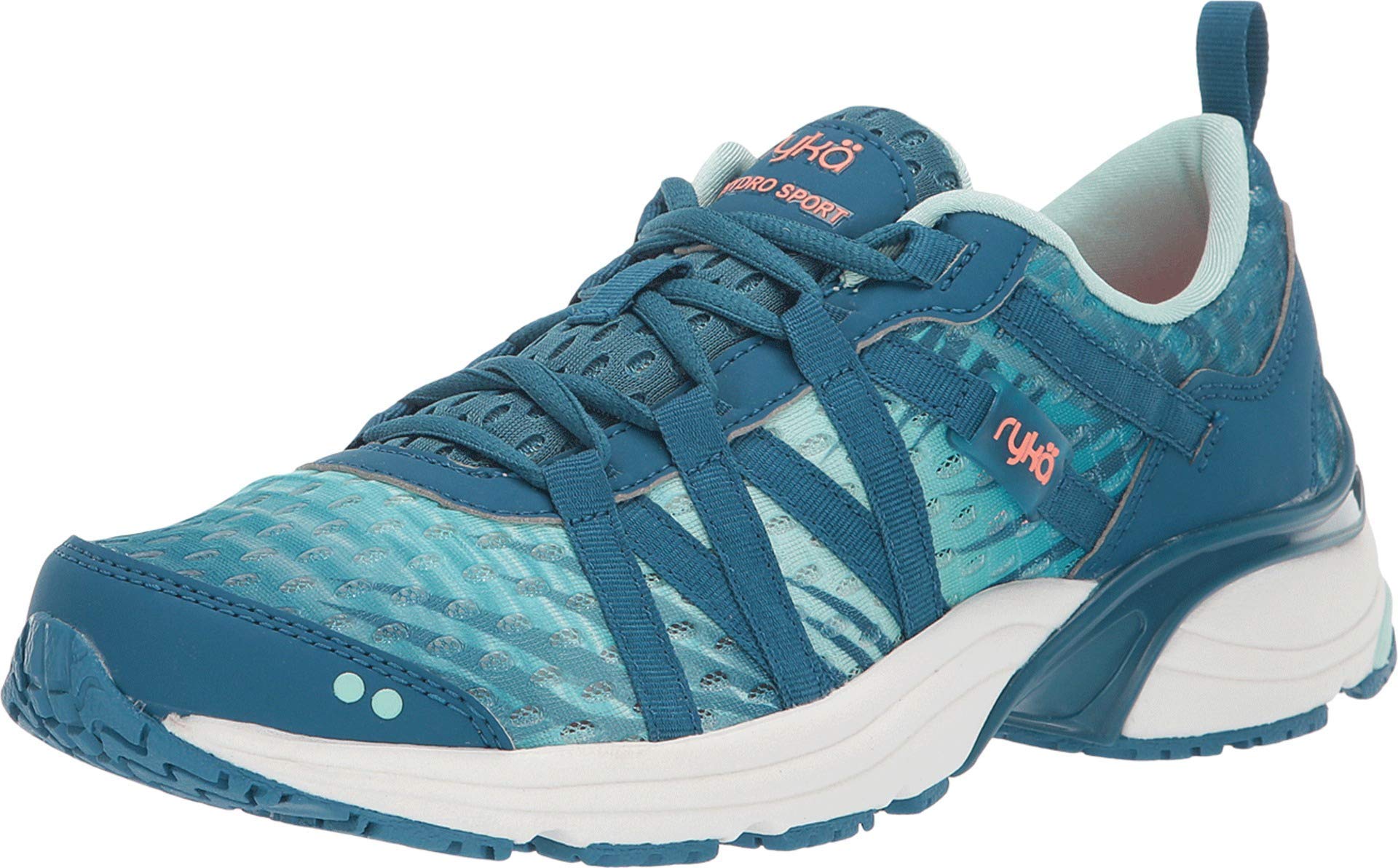
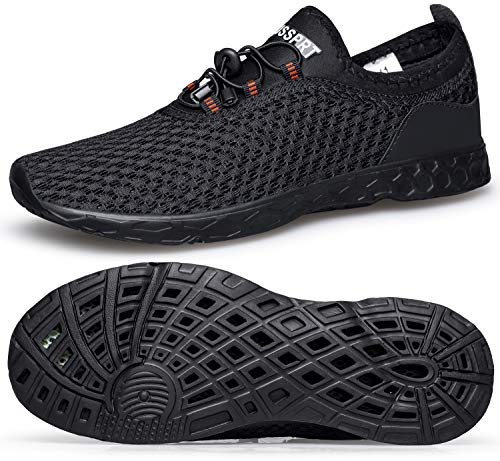

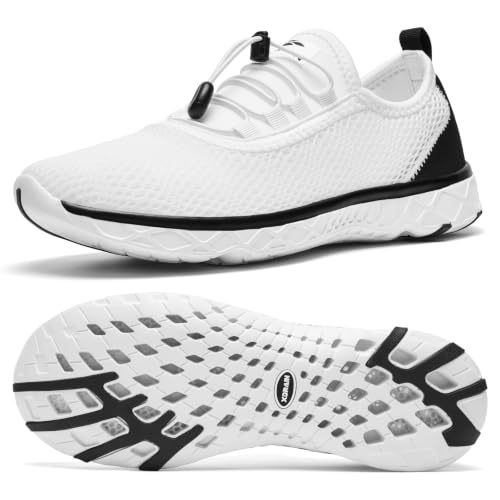
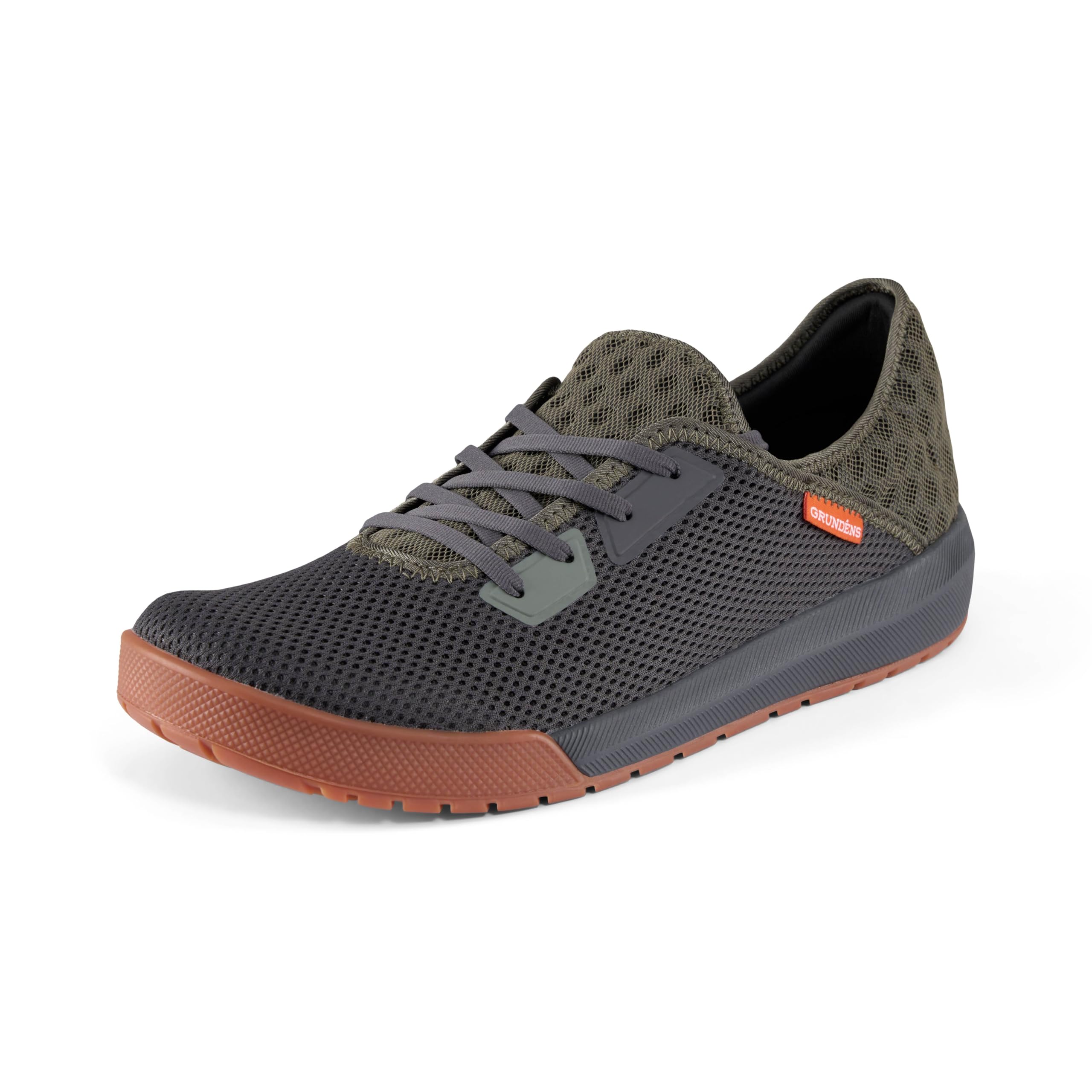
What to Expect at Each Price Tier
Instead of chasing names, judge water shoes by what each price level should deliver. The product table above shows current options across tiers, and the notes below tell you what to demand at each step before you spend.
The Balanced Tier
A balanced pair, often around $50 to $90, should drain through ports or mesh within seconds, grip wet rock and tile, and cushion a full day of walking. Look for a secure lace or strap system that keeps the heel locked when the shoe is soaked, since wet materials stretch. This tier suits beach trips, kayaking, light hikes to swimming spots and travel where one pair must do it all. The limit is specialization, because a balanced shoe will not match a pure swim shoe for speed in the water or a hiking boot for rough trails.
The Value Tier
Value pairs, often under $50, work well for pool decks, casual beach days and short river walks. Expect mesh uppers, basic drainage holes and simpler foam cushioning. Insist on a rubber outsole with real tread rather than smooth foam, because grip is a safety feature you should never trade away for price. The trade off is durability, as thin mesh and glued soles wear faster on sharp rock. For occasional use a few times each summer, a value pair that fits snugly and drains well is a sensible and comfortable choice.
The Premium Tier
Premium pairs, often around $90 to $150, should add tougher mesh that resists tearing, stronger toe protection, and outsoles that hold grip after many wet and dry cycles. Cushioning should stay supportive when wet, not turn spongy and flat. This tier suits frequent kayakers, anglers, guides and travelers who walk far in and out of water. The limit is weight, since protective builds can feel heavier while swimming. If you spend whole seasons around water, the longer lifespan and steadier grip usually justify the higher cost per wear.
How to Choose the Best Comfortable Water Shoes: Buying Guide
This is the core decision section. Work through each feature in order, because a failure in drainage, fit or grip cannot be fixed by extra cushioning. When you compare pairs across brands, these checks keep the comparison honest and practical.
Fit, Sizing, and Toe Box
Water shoes must fit closer than casual shoes, because wet fabric loosens and a loose heel invites blisters and lost shoes in currents. Try pairs late in the day and aim for a snug heel with toes resting flat in the toe box, almost touching the front without jamming. If you plan to wear thin water socks, test the fit with them on. Between sizes, choose the smaller secure fit for swim heavy use and the roomier fit for long walks on land, where feet swell with heat and distance.
Durability and Expected Lifespan
Salt water, sun and grit shorten shoe life, so construction matters. Stitched or well bonded overlays at the toe and heel resist the pulling that swimming and scrambling create. Rinse pairs in fresh water after salt or muddy use and let them dry in shade, since direct heat and harsh sun weaken glues and foam. With regular summer use, a solid pair should last one to three seasons. Check drainage ports for cracks and the outsole for smooth spots, because grip loss usually arrives before the upper fully wears out.
Waterproofing and Drainage
Water shoes should not be waterproof in the boot sense. A sealed membrane would trap water inside after the first step into a river. Instead, look for fast drainage through sole ports and open mesh, plus materials that absorb very little water. That design lets water flow out as you walk, so each step feels lighter. If you need dry feet in cold rain on land, choose a different shoe entirely. For warm water use, quick exit of water and quick drying matter far more than keeping water out in the first place.
Outsole Traction and Terrain
Wet traction can prevent the fall that ends a trip. Look for rubber outsoles with many small cuts and grooves that channel water away, plus a tread pattern that bites on algae covered rock and boat decks. Deep lugs help on muddy banks but can feel clumsy while swimming. Match the sole to your main terrain, smooth and siped for decks and pools, grippier and more protective for rocky shores. Check grip at home on a wet smooth floor during your trial, and return any pair that skates easily. Our guide to the best water shoes compares sole patterns for different water sports in more detail.
Upper Materials and Breathability
Mesh uppers drain fastest and feel cool, but loose weaves let in sand and small stones. Tighter mesh with a liner keeps grit out while still releasing water well. Synthetic overlays add structure without absorbing water like leather or cotton would. Breathability in a water shoe also means drying speed on land, so avoid thick padded collars that hold moisture for hours. If you walk through brush to reach the water, choose more coverage at the toe and sides. For sensitive skin, smooth inner seams reduce rubbing when the shoe is wet.
Cushioning and Support
Cushioning protects your feet on concrete, rock and riverbeds where you cannot see each step. A moderate foam layer with some firmness works best, since very soft foam feels unstable on uneven wet ground. Arch support matters on long shore walks, and a shaped footbed helps if you stand on boats or docks for hours. Check the heel to toe drop if you also plan trail walking, because a lower drop feels natural in water while a higher drop suits longer land miles. Removable insoles are useful only if they stay in place when wet.
Break In Period and Comfort Out of the Box
Water shoes should feel comfortable almost immediately, with no stiff areas that will rub harder once wet. Do a short indoor walk, then a brief check with damp socks to reveal rub points early. Mild snugness in mesh often relaxes after a few wears, but toe jamming and heel slip do not fix themselves. Secure closures matter here, since a shoe that fits on land but loosens in water will cause blisters fast. If a pair needs many wears to feel tolerable, choose a different shape for your foot.
Types of Comfortable Water Shoes
Lightweight Shoes
Lightweight water shoes use thin mesh and flexible soles that feel close to barefoot wear. They swim well, pack small and dry very fast, which makes them ideal for travel, pool use and calm beaches. The trade off is protection, since thin soles transmit sharp rock and offer less cushioning on long walks. Choose this type when water time dominates your day and land distance stays short and smooth.
Stability and Support Shoes
Support focused water shoes add firmer midsoles, structured heels and protective toes for rocky shores and mixed trails. They suit hikers who cross streams, anglers who stand on uneven banks, and anyone whose feet tire without arch support. They feel heavier in the water than minimal styles, but the control on land is worth it for many buyers. If your outings blend hiking and swimming in equal parts, start your search in this category.
Neutral Shoes
Neutral water shoes sit between the extremes, with moderate cushioning, standard drainage and versatile tread. They fit buyers who do a little of everything, from beach walks to light paddling to sightseeing in rainy towns. You give up the swim speed of minimal shoes and the armor of support models, but you gain one pair that handles most summer plans without complaint. For families buying for varied trips, neutral styles often deliver the best value per outing. See fit notes in our guide to the best comfortable shoes if you also need a dry land pair for travel days.
Tips to Get the Most From Your Comfortable Water Shoe
- Rinse the pair in fresh water after salt, chlorine or mud, then air dry in shade away from direct heat.
- Shake out sand and small stones before each wear, because trapped grit wears linings and irritates skin fast.
- Tighten closures before entering strong current, and recheck the heel hold after the first swim.
- Rotate two pairs on multi day trips so each pair can dry fully and keep its cushioning.
- Pack water shoes in a mesh bag so wet pairs do not soak the rest of your gear.
- Replace the pair when tread smooths or drainage ports crack, since grip and drainage are safety features.
Comfortable Water Shoes: Your Questions Answered
Can I wear comfortable water shoes all day?
Yes, support and neutral styles can handle all day wear if the fit stays secure when wet. Minimal styles suit shorter, water heavy days better, because thin soles tire feet on long land walks. Alternate wet and dry periods when you can, and change into dry socks or shoes if your skin stays damp for many hours. A midday rinse and shake to remove grit also refreshes comfort more than most people expect on beach and boat days.
How often should I replace my comfortable water shoes?
Replace them when grip fades, mesh tears, or cushioning stays flat after drying and rest. Frequent summer use often wears a pair out in one to three seasons, while occasional pool use can last longer. Inspect the toe area and drainage ports each season, since those spots fail first under sun and grit. If the shoe begins to slip off in water despite tight closures, the upper has stretched beyond a safe fit and replacement is due.
Do I need waterproof water shoes?
No, true water shoes should drain rather than seal water out. Waterproof membranes trap water inside after submersion and slow drying for hours. What you need is fast drainage, low absorption materials and strong wet grip. The only exception is cold water or cold rain use on land, where a different waterproof shoe makes sense. For warm weather swimming, boating and shore walking, a draining design will always feel lighter, cleaner and more comfortable step after step.
Are expensive comfortable water shoes worth it?
They are worth it if you spend many days each season on rocky shores, boats or trails that cross water. Higher prices should buy tougher mesh, better wet grip and cushioning that survives repeated soaking. For a single beach trip each year, a value pair under $50 usually suffices. Think in cost per outing and risk, since a fall on wet rock costs far more than the price gap. Buy the tier that matches your terrain, not just your budget. For men specific sizing, see our guide to the best water shoes for men.
How should comfortable water shoes fit?
They should fit snugly at the heel and midfoot, with toes lying flat and nearly reaching the front without hard pressure. A water shoe that feels loose when dry will feel sloppy and unsafe when wet. Walk, squat and simulate a step up during your indoor trial to check heel hold. If you swim in currents, security matters more than extra toe room. Women specific lasts and strap options are covered in our guide to the best water shoes for women.
Wrapping Up
Put drainage, wet grip and secure fit at the top of your list, then choose cushioning and protection for your terrain. The product table above makes tier and price comparisons quick. When you select best comfortable water shoes that clear water fast and hold your foot on slick ground, you can move between shore, boat and trail with far less fuss and far more confidence.


