
Best Coffee Machines for Cappuccino and Latte: Types Compared 2026
Disclosure: We may earn a commission when you buy through links on this page, at no extra cost to you. As an Amazon Associate I earn from qualifying purchases. Learn more

Best coffee machines for cappuccino and latte: the types compared, with milk systems, cleaning and costs explained.
Choosing between machine types is confusing because cappuccino and latte both start with espresso, yet stores group very different brewers together. The best coffee machines for cappuccino and latte all solve two jobs well: brewing a concentrated coffee base and turning milk into smooth foam. Machines that only brew filter coffee can still play a part, but only with a separate frother and realistic expectations.
This guide compares each type clearly, with strengths, limits, and typical price ranges, so you can match a style to your kitchen and routine. Start with the comparison table below, then read the type sections for the drinks you make most often.


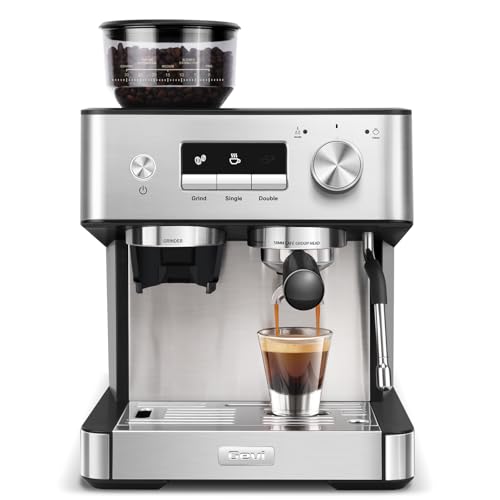

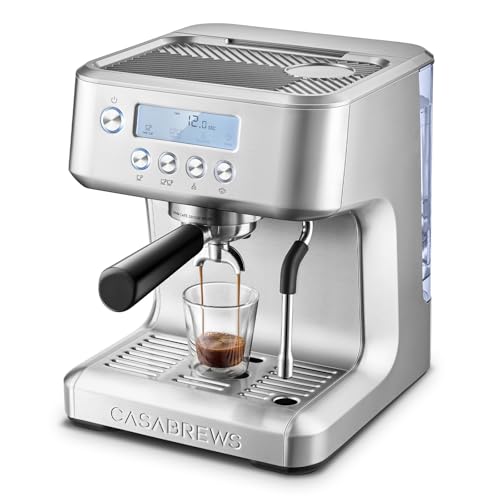
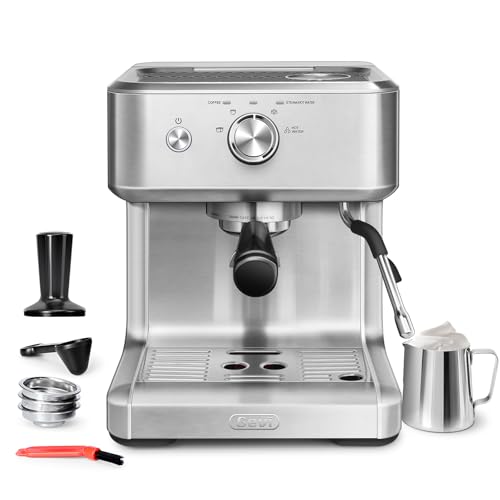


Types of Coffee Machines Compared
Cappuccino uses equal parts espresso, steamed milk, and airy foam, while a latte uses more steamed milk and a thin layer of foam. That difference places real demands on the milk system, not just the brewer. The four types below sit at very different points on cost, effort, and drink quality, and only some can make a true cappuccino on their own without extra tools.
Single Serve Pod Machines
Pod machines brew a small coffee base quickly and with almost no mess, which suits busy mornings and single drink households. For cappuccino and latte, look for models with a built in milk frother or a companion frothing unit, because the pod alone only makes coffee. Drink strength is limited by the pod, and cost per cup is high, but consistency is excellent. If speed and simple cleanup matter more than full control over espresso, this type is a practical daily choice.
Pour Over Brewers
Pour over brewers make clean, delicate filter coffee by hand, and they cannot brew espresso or steam milk by themselves. Paired with a separate milk frother, they can produce a milky coffee that resembles a latte in size, though the coffee base will taste lighter and less intense. This route suits people who mainly love filter coffee and want an occasional milk drink without buying a pump machine. It is low cost and easy to store, but it is the slowest and least authentic path to cappuccino.
Drip Coffee Makers
Drip coffee makers brew large pots for families and offices at a low cost per cup, using a carafe or a thermal carafe to hold heat. Like pour over brewers, they do not create espresso pressure or steam, so cappuccino requires a separate frother and acceptance of a milder base. They shine when several people want coffee at once and milk drinks are an occasional extra. Choose this type for volume and value, not for cafe style foam or precise control over each cup.
Percolators
Percolators cycle hot water through coffee grounds repeatedly, producing a strong and hot brew with simple, durable parts. They are popular for camping and large gatherings, and they need no paper filters. For milk drinks, the same limits apply: no espresso extraction and no steam wand, so you will need a separate way to heat and foam milk. Flavor can turn bitter if the brew runs too long. Pick a percolator for rugged batch brewing, and treat cappuccino making as a secondary, improvised use.
If milk drinks are your main goal rather than an extra, our guide to the best espresso coffee machines covers the pump machines that form the base of both drinks.
Single Serve Pod Machines vs Pour Over Brewers: Which Should You Choose?
Choose a pod machine if you want the same drink in minutes with minimal cleanup, a small counter footprint, and a frother that works at the touch of a button. Choose a pour over brewer if you enjoy the brewing ritual, want the lowest running cost, and mostly drink black coffee. On flavor, pour over wins for clarity in filter coffee, while pods win for consistency. On cost, pour over gear is cheaper to buy and to run. On milk drinks, a pod system with a frother is far closer to a real latte, so daily cappuccino drinkers should favor the pod route or step up to espresso.
Readers who want a machine focused only on the taller, milkier drink can also see our guide to the best coffee machines for lattes for milk capacity and cup size points.
How to Choose the Right Coffee Machine
After type, the milk system, the cleaning routine, and a few key specifications decide whether you will love the machine in month six. Work through the four points below in order, and be honest about how much daily effort you will give to rinsing and descaling.
Milk Frothing Options
A manual steam wand gives the best control over foam texture and temperature, and it is the right choice if you want dry foam for cappuccino and silky milk for latte art. An automatic frother or milk carafe system is easier and more consistent for beginners, but it adds parts that need daily rinsing and fridge storage. A simple handheld frother is cheap and fine for occasional drinks. Check how quickly the system switches from brewing to steaming, because long waits cool your espresso while guests stand by.
Cleaning, Descaling, and Maintenance
Milk residue is the main hygiene risk with these drinks, so favor machines with a quick rinse cycle and removable milk parts you can wash daily. Dishwasher safe parts save time, but check which parts qualify before you buy. A descaling alert protects the boiler and pump from hard water damage, and a removable brew unit makes weekly cleaning realistic. Add filter and pod costs to your yearly budget, and confirm that replacement milk tubes and seals are easy to order.
Features That Matter for Cappuccino and Latte
Look for a pump that delivers steady pressure for espresso extraction, a boiler or heating system that recovers fast between brewing and steaming, and cup clearance that fits your favorite latte mug. Brew strength control helps you balance a double shot against a large volume of milk so the coffee flavor still shows through. A burr grinder, built in or separate, improves the base far more than extra drink presets. Programmable drink sizes also help each person in the house repeat a favorite cup.
Brewing Method and Coffee Style
Espresso brewing uses pressure to create the concentrated base both drinks require, while drip and pour over methods use gravity and produce a lighter cup. Single serve pods trade control for speed, and cold brew makers produce a smooth concentrate that suits iced lattes but not hot cappuccino foam. Match the method to the drink texture you want: pressure for a rich base and real foam, gravity methods for volume and simplicity. Your taste in milk drinks should decide the method, not the other way around.
For models built around the shorter and foamier drink, see our guide to the best cappuccino coffee machines and compare wand style and foam control.
Care and Maintenance Tips
Use filtered water to protect flavor and reduce scale, and descale every 1 to 3 months depending on water hardness. Clean the carafe, basket, and steam wand after each use, and purge the wand for a second before and after steaming milk so no residue bakes inside. Wash milk containers daily and never leave milk sitting in a warm machine. Wipe the drip tray and empty the grounds container often, because old moisture and milk together create odors that reach the next cup. Those habits keep the best coffee machines for cappuccino and latte tasting good for years.
Coffee Machines: Your Questions Answered
What features matter most in coffee machines for cappuccino and latte?
The milk system and the espresso base matter most. A capable steam wand or automatic frother creates the foam both drinks need, while steady pump pressure and fresh grounds give the coffee enough strength to show through milk. Fast heat recovery between brewing and steaming also matters on busy mornings. Extra drink presets help, but they rank below milk quality, grind quality, and easy cleaning.
What grind size works best with a coffee machine?
For espresso based drinks, a fine and even grind works best because the water passes through under pressure in a short time. A burr grinder gives the consistency that a blade grinder cannot. If the shot runs too fast and tastes sour, grind finer. If it drips slowly and tastes harsh, grind coarser. For drip and pour over use, choose a medium grind instead, since those methods have longer contact time.
How often should I descale my coffee machine?
Descale every 1 to 3 months for most homes, and follow the machine alert when it appears. Homes with hard water should stay at the shorter end of that range. Scale slows heating, weakens steam power for frothing, and can damage the pump over time. After descaling, run plain water through the steam wand as well as the brew path so no cleaner taste reaches your milk.
How long does a coffee machine usually last?
A cared for home machine often lasts about 5 to 7 years, and simpler brewers can last longer. Milk systems shorten life when they are not rinsed, because residue strains pumps and blocks small tubes. Descaling on schedule, replacing seals, and using filtered water all help. When you compare prices, a longer warranty on the pump and boiler is worth real money for daily latte drinkers.
Is a coffee machine with a built in grinder worth it?
Yes, if you drink milk drinks often, because a strong and fresh espresso base is what keeps a latte from tasting like warm milk. A built in burr grinder saves counter space and grinds on demand for each cup. The costs are extra noise and one more part to brush clean. If you already own a good grinder, a machine without one can be better value and gives you freedom to upgrade the grinder later.
Our related guide to the best coffee machines to make lattes adds more detail on drink size settings and milk jug capacity for taller cups.
Our Verdict
Decide by milk system first, espresso quality second, and cleaning effort third. If you want true cappuccino foam daily, choose a pressure based machine with a wand or automatic frother you will actually rinse. If milk drinks are occasional, a simpler brewer plus a frother may serve you better for less money. Compare your shortlist in the product table above and pick the best coffee machines for cappuccino and latte setup that fits your routine, your counter, and your budget.


