Best Coffee Machines for Lattes: Milk Drink Guide 2026
Disclosure: We may earn a commission when you buy through links on this page, at no extra cost to you. As an Amazon Associate I earn from qualifying purchases. Learn more

Best coffee machines for lattes: silky milk and a balanced shot, with manual and automatic frothing compared.
Choosing best coffee machines for lattes starts with milk, because a great latte needs silky microfoam and a balanced espresso shot, not only a strong coffee base. This guide explains milk systems, espresso quality, and heating in plain language, so you can pick a machine that makes cafe style lattes at home without a steep learning curve.
You will learn how manual steam wands differ from automatic frothers, how milk temperature and texture affect taste, and how to judge cleaning effort. The comparison table below gives a quick overview of the main latte machine types, and the sections that follow help you match a machine to how often you drink lattes and who else uses it.



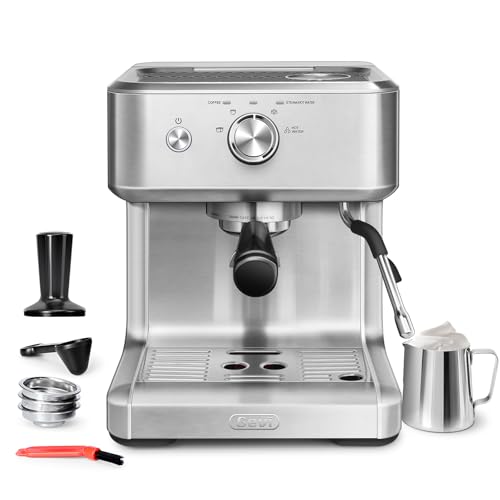


Who This Guide Is For
This guide suits daily latte drinkers, households where several people enjoy milk drinks, and beginners who want good lattes without barista training. If you drink one latte each morning, an easy automatic frother may be ideal. If you enjoy crafting latte art and tweaking milk texture, a manual steam wand gives more control and room to learn.
It also helps buyers who drink both lattes and black coffee, because a flexible machine should handle both well. Think about milk type, cup size, and how much time you want to spend cleaning after each drink, then let those answers shape your short list. A machine that is easy to clean will be used for lattes far more often than a complex machine that feels like a chore.
Types of Coffee Machines for Lattes Compared
Latte machines differ in how they froth milk and how much control they give you, so compare them by milk habits.
| Type | Best For | Typical Price |
|---|---|---|
| Manual Steam Wand Machines | Control and latte art | about $300 to $900 |
| Automatic Milk Frother Machines | Easy daily lattes | about $400 to $1,000 |
| Espresso Machines With Separate Frothers | Flexible and budget friendly | about $150 to $500 |
| Bean to Cup Latte Machines | One touch lattes from beans | about $600 to $1,500 |
Manual Steam Wand Machines
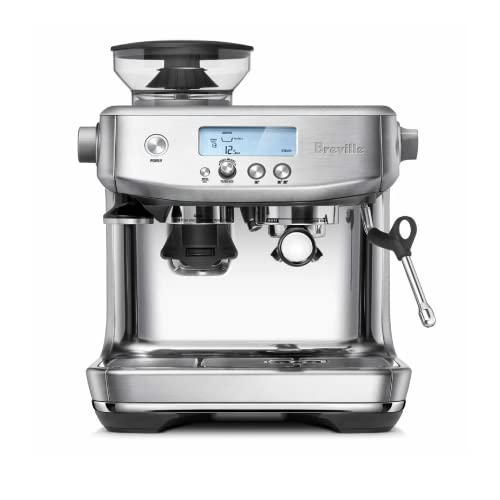
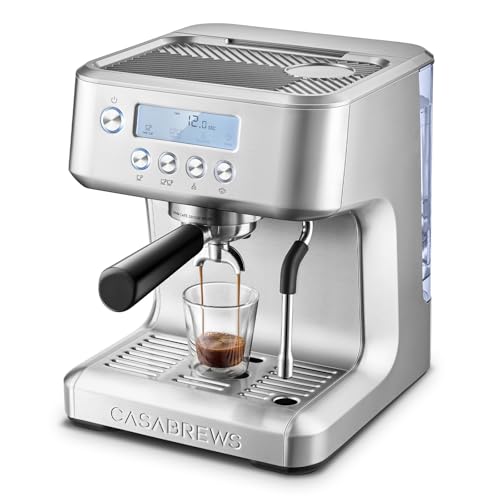
Manual steam wand machines let you control milk texture by hand, which suits drinkers who enjoy learning latte art and silky microfoam. They need practice with milk temperature, wand angle, and jug size, but they reward skill with smooth, glossy milk. This type suits enthusiasts who drink lattes daily and enjoy the craft.
Automatic Milk Frother Machines
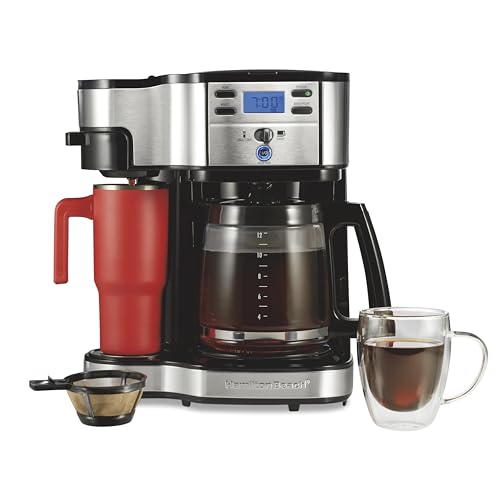
Automatic frother machines heat and foam milk at the touch of a button, which suits busy mornings and households with different skill levels. They are easier to use but offer less control over texture, and milk containers need regular cleaning. Check milk container size, cleaning cycle, and whether the machine handles different milk types well.
Espresso Machines With Separate Frothers
A simple espresso machine paired with a separate electric frother can make good lattes at lower cost and with easy cleaning. This setup suits beginners and small kitchens, because each part can be replaced separately. Check espresso quality first, because milk cannot fix a bitter or sour shot.
Bean to Cup Latte Machines
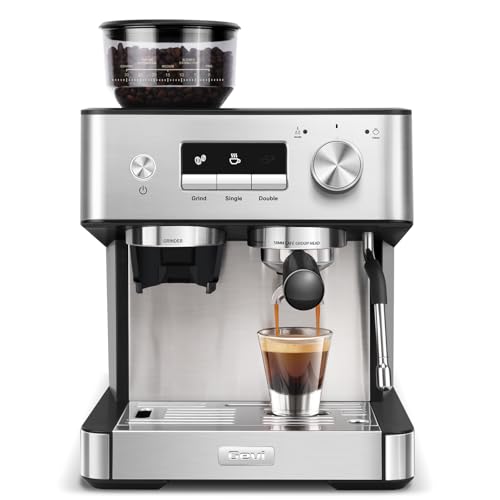
Bean to cup machines grind beans, brew espresso, and froth milk in one automated routine, which suits busy households that want consistent lattes with little effort. They cost more and need regular cleaning of grinder, brew unit, and milk system. Check drink customisation, milk cleaning, and bean hopper size before you buy.
Key Features to Compare
These features decide latte quality and daily effort more than looks alone.
Milk Texture and Temperature
Milk texture should feel silky and glossy, not bubbly or stiff, and temperature should be warm without scalding, usually around 140 to 150 degrees Fahrenheit (60 to 65 degrees Celsius) for most drinkers. A good steam wand lets you create microfoam by introducing air early, then heating gently. Practice with cold milk in a chilled jug, and use a thermometer until you can judge temperature by touch.
Espresso Shot Quality
Espresso shot quality sets the latte base, with balanced bitterness, sweetness, and body that milk can soften without hiding. Check grind, dose, and temperature stability, and use fresh beans for best flavour. If shots taste sour or bitter, adjust grind and dose in small steps before blaming milk, because milk texture cannot fix a poor shot.
Heating Speed and Recovery
Heating speed decides how long you wait between drinks, especially when making lattes for several people. Machines that brew and steam at the same time, or recover quickly, suit households with back to back drinks. If you make only one latte at a time, slower heating may be acceptable and can save money.
Milk System Cleaning
Milk system cleaning is the most important daily chore for latte machines, because dried milk harbours bacteria and blocks steam wands. Wipe and purge manual wands after each use, and run cleaning cycles for automatic systems on schedule. Check whether milk parts are removable and dishwasher safe, because easy cleaning encourages regular care.
Cup Size and Height
Cup size and clearance decide whether your favourite latte glasses and mugs fit under the spout without splashing. Tall glasses need adjustable spouts or removable drip trays, while small cups may need a lower setting. Measure your usual cups, including travel mugs if you brew directly into them, before you choose a machine.
Related Guides to Compare
To compare makers on latte features, warranty, and support, see our guide to best coffee machine makers before you settle on a brand.
If espresso quality is your main focus, our guide to best espresso coffee machines explains pressure, temperature, and grind in more depth.
For a latte focused overview, see our guide to best coffee machines to make lattes alongside this buying guide.
If you also enjoy cold lattes, our guide to best coffee machines for iced lattes covers cold milk, ice, and espresso strength for iced drinks.
If you switch between cappuccino and latte, our guide to best coffee machines for cappuccino and latte explains foam differences and milk ratios.
Common Mistakes to Avoid
A common mistake is buying a complex manual machine and then rarely making lattes because cleaning feels tedious. Another mistake is using milk that is already warm or a jug that is too large for one drink, which makes texture hard to control. Start with cold milk, a correctly sized jug, and a cleaning routine you can follow daily.
Care and Upkeep Over Time
Wipe and purge the steam wand after each latte, wash milk containers daily, and run descaling and cleaning cycles on schedule. Empty drip trays, wipe exteriors, and replace water filters on time. Keep beans fresh in an airtight container, clean the grinder chute now and then, and check seals and gaskets for milk residue or wear. Care like this keeps the best coffee machines for lattes performing well.
Questions to Ask Before You Order
Ask yourself how many lattes you drink daily, whether you prefer manual control or one touch ease, and what milk types you use. Ask about milk texture, espresso quality, heating speed, cleaning, and cup clearance, and check warranty and spare parts. Finally, add the cost of milk, filters, descaler, and beans so the total running cost is clear.
Frequently Asked Questions
What milk works best for lattes?
Whole dairy milk usually froths into the silkiest microfoam, thanks to fat and protein balance, while skim milk can foam stiffly and plant milks vary widely. Oat milk designed for baristas often froths well, while almond and soy milks need gentler heating. Try small amounts of different milks, keep milk cold at the start, and heat gently to avoid scalding.
Why is my latte milk bubbly instead of silky?
Bubbly milk often comes from introducing too much air, heating too fast, or using a jug that is too large for the milk volume. Start with cold milk, introduce air briefly at the surface, then submerge the wand tip and heat gently while swirling. Tap the jug and swirl before pouring to break large bubbles and create a glossy texture.
Do I need a manual steam wand for good lattes?
A manual steam wand gives the most control for silky microfoam and latte art, but automatic frothers can make good daily lattes with far less practice. Choose manual control if you enjoy learning and drink lattes daily, and choose automatic frothing if ease and consistency matter more. Either system needs regular cleaning for good taste and hygiene.
How do I clean a milk frother properly?
Wipe and purge a manual wand immediately after each use, and wash removable milk parts daily with warm soapy water. Run automatic cleaning cycles on schedule, descale as directed, and check milk tubes and containers for residue. Never leave milk sitting in a container or wand overnight, because dried milk is hard to clean and can affect taste.
Can I make iced lattes with the same machine?
Yes, you can make iced lattes by brewing a strong espresso shot, cooling it slightly, and pouring it over cold milk and ice. Use a stronger shot or less milk so ice dilution does not weaken flavour. Cold foam, if your machine offers it, can add texture, but a simple iced latte with cold milk and ice works well for most drinkers.
Final Thoughts
The best latte machine is the one that makes silky milk easily, brews a balanced shot, and fits a cleaning routine you will follow every day. Use the product table above to narrow the milk system, then compare espresso quality, heating, cleaning, and cup size before you decide.
Practise milk texture with cold milk, keep cleaning simple, and enjoy the learning curve, because best coffee machines for lattes should make home lattes a pleasure, not a chore.