
Best Cappuccino Coffee Machines: A 2026 Picking Guide
Disclosure: We may earn a commission when you buy through links on this page, at no extra cost to you. As an Amazon Associate I earn from qualifying purchases. Learn more

How the best cappuccino coffee machines differ in milk system, espresso quality, size and cleaning, so you can match one to your home routine.
The best cappuccino coffee machines turn espresso and steamed milk into a creamy, balanced drink at home, but milk systems and brew styles vary widely. The product table above compares manual steam wand, automatic milk, and pod style machines, so you can match the machine to your skill and routine. This guide explains milk texture, cleaning, and size in plain terms.
A good cappuccino balances espresso strength with smooth, airy milk foam. Too much foam hides the coffee, too little makes the drink flat, and milk temperature changes sweetness and texture. The machine should help you repeat a good result, not make every morning a guessing game.
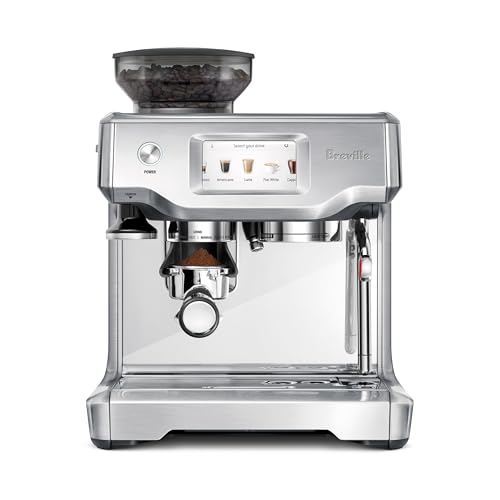
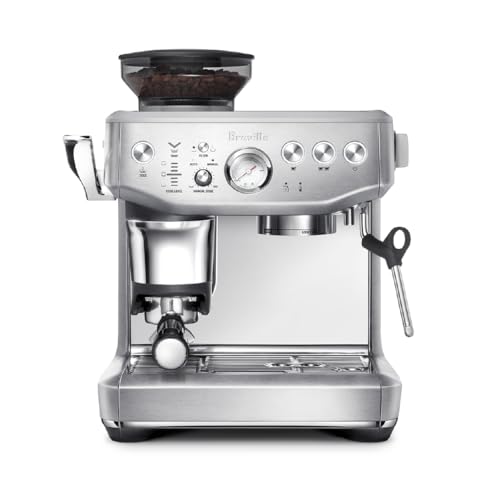
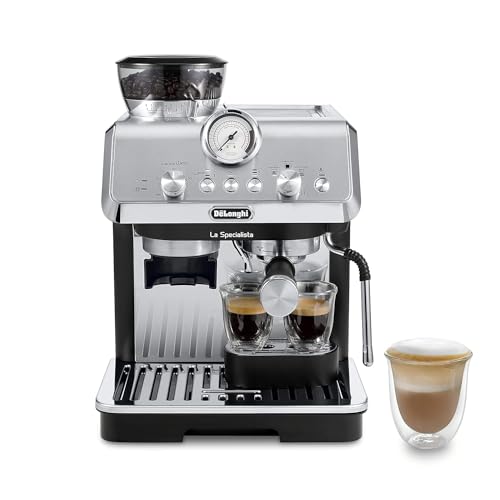


Cappuccino Machine Types Compared
Manual steam wand machines give the most control over milk texture. You steam milk yourself, which allows silky microfoam for skilled users, but it takes practice and cleaning after each use. This type suits coffee lovers who enjoy the ritual and want to learn milk steaming.
Automatic milk machines steam and froth milk at the touch of a button, often with a milk container that stores in the fridge. They suit busy mornings and households where several people want consistent drinks without learning steaming technique. Cleaning the milk path remains important for hygiene and taste.
Pod and capsule machines offer the simplest cappuccino, using pods for coffee and sometimes for milk. They suit small kitchens and occasional drinkers, but pod cost and waste add up for daily use. Check pod availability and milk quality before committing to this style.
Milk Systems, Espresso Quality, and Size
Milk texture depends on steam power, wand design, and milk temperature. A powerful steam wand creates finer foam faster, while a weaker wand can produce large, dry bubbles. Use cold milk and a chilled jug for best results, and stop steaming when the jug feels warm to the touch.
Espresso quality depends on pressure, temperature stability, and grind. A machine that holds temperature steady produces more consistent shots, while a machine with wide temperature swings can taste sour or bitter from cup to cup. Fresh beans and a correct grind matter as much as the machine itself.
Size and counter space matter in a home kitchen. Include room for the cup, milk jug, and water tank access, not just the machine footprint. A tall machine may not fit under low cabinets, and a machine with a rear water tank needs clearance to refill without moving it.
Cleaning, Maintenance, and Daily Routine
Clean the milk system after every use, because dried milk affects taste and hygiene. Rinse steam wands immediately, run cleaning cycles as directed, and wash removable milk containers regularly. A machine that is hard to clean will be used less, no matter how good its coffee is.
Descale on the schedule the maker recommends, using the correct descaler for your water hardness. Hard water builds scale faster and can affect taste and machine life. Keep a simple routine: daily milk cleaning, weekly drip tray and tank cleaning, and periodic descaling.
For daily drinkers, a machine with a large water tank and a simple bean or pod loading system saves time. For occasional drinkers, a smaller machine with easy storage may suit better. Match tank and bean capacity to how many drinks you make on a busy morning.
Choosing for Your Household
Single drinkers who love craft coffee may prefer a manual machine with a good steam wand and a compact footprint. It rewards practice with better foam and a more personal routine, and it usually costs less than a fully automatic model.
Families and busy households benefit from automatic milk and one touch drinks, which let different people make consistent cappuccinos quickly. Check that the machine handles multiple drinks in a row without long reheating gaps on busy mornings.
Small kitchens need a machine that fits the counter and the cupboard height, with easy access to water and milk parts. Measure before buying, including the space needed to lift the lid or remove the tank, and avoid a machine that must be pulled out for every refill.
Related Guides to Compare
If this topic connects with your search, the guide to best coffee machine makers covers a closely related choice and can help you compare features, sizes, and everyday use before you decide.
If this topic connects with your search, the guide to best espresso coffee machines covers a closely related choice and can help you compare features, sizes, and everyday use before you decide.
If this topic connects with your search, the guide to best coffee machines for cappuccino and latte covers a closely related choice and can help you compare features, sizes, and everyday use before you decide.
If this topic connects with your search, the guide to best drip coffee machines covers a closely related choice and can help you compare features, sizes, and everyday use before you decide.
If this topic connects with your search, the guide to best bean to cup coffee machines for cappuccino covers a closely related choice and can help you compare features, sizes, and everyday use before you decide.
A Final Check Before You Order
Before you order, revisit the product table above with your morning routine in mind. Count how many drinks you make on a busy morning, who makes them, and how much time you have before leaving. A machine that suits a slow weekend morning may frustrate a busy weekday household, and vice versa.
Check the full cost of ownership, including beans or pods, milk, filters, and descaler. Daily pod costs add up quickly, while bean costs vary with quality and quantity. Compare those running costs over a year, not just the machine price, before committing to a style.
Measure your counter with the machine in use, not just its footprint. Include room for cups, milk jugs, water tank access, and lid lifting, and check height under cabinets. A machine that must be pulled out for every refill or cleaning will be used less, no matter how good its coffee is.
Plan cleaning from the first day. Rinse milk parts after every use, clean drip trays and tanks weekly, and descale on schedule for your water hardness. A machine that is easy to clean will be cleaned, and a machine that is hard to clean will develop taste and hygiene problems.
Try the drinks you actually make during the return window, not just one perfect cup. Make several drinks in a row, check milk texture with your preferred milk, and check temperature and strength consistency. Problems with repeatability usually appear within the first week.
Finally, consider who else will use the machine. A household with several users benefits from simple, repeatable settings and easy milk handling, while a single enthusiast may prefer manual control. Match the machine to all its users, not just the person who researched it.
Milk choice deserves a check before you commit to a machine style. Whole milk, skimmed milk, and plant milks froth differently, so try your usual milk during the return window and note the temperature and texture it gives.
Frequently Asked Questions
What makes a good cappuccino at home?
A good cappuccino balances a strong espresso base with smooth, airy milk foam and a warm, not scalding, temperature. Fresh beans, correct grind, cold milk, and a clean steam wand all contribute. Practice with milk texture matters as much as machine price.
Is a manual or automatic milk system better?
Manual systems give more control and finer foam for skilled users, while automatic systems give consistency and speed for busy households. Choose manual if you enjoy learning steaming, and automatic if you want a reliable drink with minimal effort each morning.
How often should I clean a cappuccino machine?
Clean the milk system after every use, and clean drip trays and water tanks weekly. Descale on the maker schedule for your water hardness. Regular cleaning protects taste, hygiene, and machine life, and it prevents milk residue from affecting future drinks.
Do cappuccino machines need special milk?
Whole milk froths most easily and gives a creamy texture, while skimmed and plant milks behave differently. Oat and soy milks designed for barista use often froth better than standard versions. Try a small amount of your preferred milk before buying in bulk.
How much counter space does a cappuccino machine need?
Allow space for the machine footprint plus room for cups, milk jugs, and tank access. Measure height under cabinets and depth with the drip tray extended. A machine that fits only with difficulty will be harder to use and clean every day.
Final Thoughts
Match the milk system to your skill and morning routine, then check cleaning and counter space. The best cappuccino coffee machines should make a balanced, creamy drink repeatably, without a cleaning burden you will avoid.

