Best Coffee Machines for Americanos 2026: A Complete Buying Guide
Disclosure: We may earn a commission when you buy through links on this page, at no extra cost to you. As an Amazon Associate I earn from qualifying purchases. Learn more

Compare coffee machine types for americanos, from espresso machines to drip makers, and learn which style suits your taste, budget, and kitchen space.
An americano is a simple drink, yet choosing the machine behind it can feel confusing. A best coffee machines for americanos search brings up espresso machines, drip makers, pour over kits, and single serve brewers, and each one makes a different tasting cup. The product table gives a quick overview, while the rest of this guide explains how each type works in daily life.
The good news is that you do not need the most expensive machine to enjoy a clean, balanced americano. You need a machine that heats water to the right range, gives you control over strength, and fits the way you actually brew each morning. This guide walks through those choices without ranking products, so you can match a machine to your taste and routine.




Who Drinks Americanos at Home
Americano drinkers usually want coffee that is smooth and easy to sip over a longer stretch of time. If you like a lighter body than straight espresso but still want real coffee depth, an americano gives you that balance. People who drink one or two cups before work often prefer a machine that heats fast and cleans up in minutes.
Households with mixed tastes also suit americano brewing well. One person can add more hot water for a milder cup, while another keeps the ratio tighter for a stronger result. Browsing guides to best coffee machine makers can help you see how different brands handle water heating and cup size, which matters more for americanos than flashy extras.
Types of Machines Compared
The table below compares the main machine types by who they suit and what they typically cost. Use it as a starting point, then read the detail under each type before deciding.
| Type | Best For | Typical Price |
| Espresso machine | Full control over strength | About $100 to $500 |
| Drip coffee maker | Easy mornings and larger pots | About $40 to $200 |
| French press | Rich body on a small budget | About $25 to $80 |
| Pour over | Precise brewing by hand | About $30 to $100 |
Espresso Machines
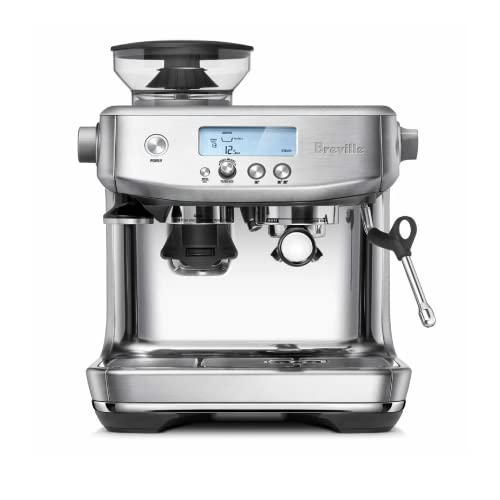
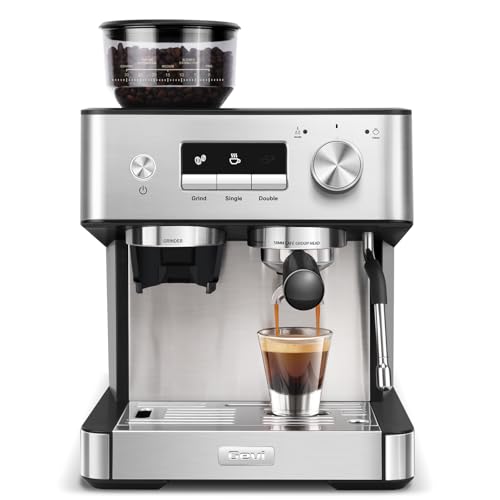
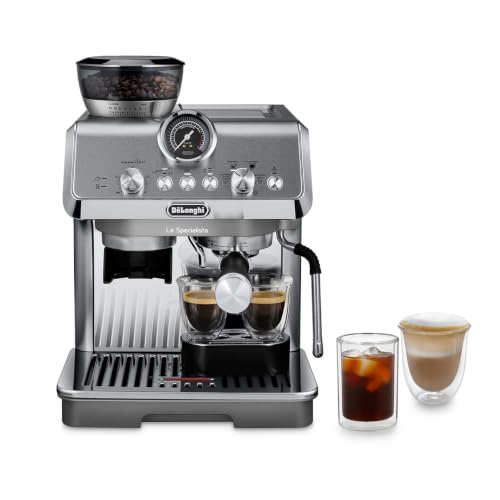
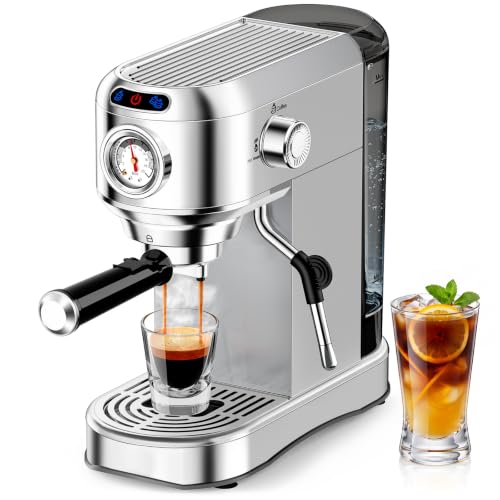
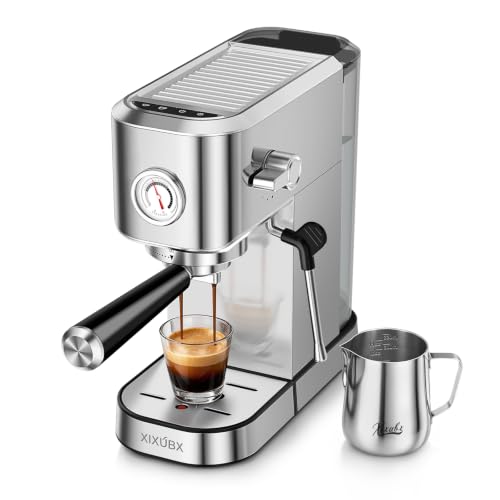
An espresso machine forces hot water through finely ground coffee under pressure, producing a concentrated shot. You then add hot water to reach americano strength, which keeps the crema and aroma intact. This route gives the most control over shot size, grind, and water amount.
Espresso machines need more learning and cleaning than other types. You must dose and tamp the grounds, watch the extraction, and rinse the group and wand after use. Readers comparing best espresso coffee machines should check whether the machine has a separate hot water outlet, since that makes topping up an americano much simpler.
Drip Coffee Makers
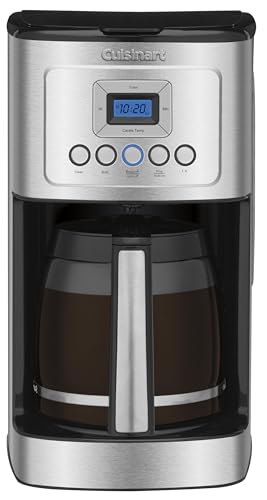
A drip maker brews a full pot by passing hot water through a paper or mesh filter filled with medium ground coffee. The result is already close to americano strength, so many people simply brew it slightly strong and add a splash of hot water. This type suits households that drink several cups each morning.
Drip makers win on convenience. You fill the tank, add grounds, press a button, and walk away while the pot fills. The trade off is less control over extraction, so the cup can taste flat if the coffee to water ratio is too weak. Guides to best drip coffee machines often stress carafe size and warming plate habits, both of which affect flavor over time.
French Press and Pour Over
A french press steeps coarse grounds in hot water for several minutes before a mesh plunger separates them. The cup is full bodied and rich, with more oils than a paper filtered brew. It is a good low cost way to test whether you enjoy a stronger americano style before buying a machine.
Pour over brewing gives you direct control over water flow, bloom time, and grind size. It takes a little practice, but it rewards patience with a clean and bright cup. Both methods need a kettle and a scale for consistent results, and both are easy to store in a small kitchen.
How to Choose the Right Machine
Water Temperature and Pressure
Water that is too cool produces a sour and thin cup, while water that is too hot pulls bitter notes from the grounds. Look for machines that hold a steady brewing temperature rather than swinging widely during the cycle. For espresso based americanos, stable pressure matters too, because uneven pressure can change the shot from day to day.
You do not need to memorize technical charts to judge this. Read the specifications for brewing temperature range and check whether the machine preheats before brewing. A machine that reaches temperature quickly and holds it will give you more repeatable americanos across the week.
Size and Counter Space
Measure your counter height, depth, and the space under your cabinets before ordering. Espresso machines are often taller than drip makers, and you need room above to fill the tank and below the spout for your mug. A machine that crowds your kitchen will annoy you every morning, no matter how good the coffee tastes.
Small kitchens benefit from compact brewers and manual methods that pack away after use. If counter space is tight, articles about best small coffee machines can show how footprint and tank size trade off against each other. Choose the smallest machine that still meets your daily cup count.
Cleanup and Maintenance
Cleanup decides whether a machine stays in daily use or ends up in a cabinet. Drip makers need a rinsed carafe and a fresh filter, while espresso machines need wiped wands and periodic descaling. French presses need a quick rinse and a wipe of the mesh screen.
Descaling matters because mineral buildup slows heating and dulls flavor. Machines with a descale alert or a removable tank make this chore easier. Set a simple routine, such as a weekly rinse and a monthly descale in hard water areas, and the machine will reward you with steadier taste.
Built In Grinder or Separate Grinder
Freshly ground beans make a noticeable difference in an americano, because stale grounds taste flat no matter how good the machine is. A built in grinder saves counter space and keeps the workflow in one place. A separate grinder usually gives finer control over grind size and is easier to replace if it wears out.
If you already own a grinder, you do not need to pay for one inside the machine. If you do not, factor a grinder into your budget from the start. Pages about best grinder coffee machines can help you compare built in options against buying the two pieces separately.
Mistakes That Spoil an Americano
The most common mistake is using too little coffee for the amount of water, which produces a weak and watery cup. Start with a ratio you can repeat, then adjust in small steps until the strength suits you. Another frequent error is adding boiling water straight from a kettle, which can scald the shot and add bitterness.
- Let boiled water cool for a short while before topping up the shot.
- Use fresh beans and grind only what you need for each brew.
- Rinse the carafe or cup so old coffee residue does not taint the new cup.
- Descale on schedule, especially if your tap water leaves scale marks.
Frequently Asked Questions
Can I make an americano with a regular drip coffee maker?
Yes, you can brew a strong pot and adjust the strength to taste. Use a little more coffee than usual, then add hot water until the cup reaches the lightness you enjoy. The result will not have espresso crema, but it will taste close to a cafe style americano. This approach works well when you already own a drip maker and do not want a second machine.
How much water should I add to an espresso shot?
A common starting point is one part espresso to two parts hot water, then adjust to your taste. Some drinkers prefer a one to one ratio for a bolder cup, while others go to one to three for a milder drink. Keep the shot size the same and change only the water amount, so you can find your preference without changing two variables at once.
Does an americano need a special machine?
No special machine is required, because any brewer that makes strong coffee can serve as the base. Espresso machines give the most authentic result, but drip makers, pour over kits, and french presses all work. Choose based on how much control you want and how much cleaning you will tolerate, rather than chasing a label.
Why does my americano taste bitter?
Bitterness usually comes from water that is too hot, grounds that are too fine for the method, or coffee that sat on a warming plate too long. Try slightly cooler water, a coarser grind, and a fresh brew instead of a reheated pot. If the bitterness persists, check whether scale buildup is affecting the heating element and descale the machine.
Is a built in grinder worth it for americanos?
A built in grinder is worth it if you value a short morning routine and limited counter clutter. It grinds fresh for each cup and removes one separate appliance from your kitchen. A separate grinder is better if you want precise grind control or plan to brew with several methods, since one good grinder can serve them all.
Final Thoughts
The right machine is the one that matches your taste, your kitchen, and your patience for daily cleanup. Compare the types in the product table, weigh temperature control and size against price, and pick a brewer you will enjoy using every morning. A best coffee machines for americanos choice made on those practical grounds will serve you far better than a machine bought for looks alone.