
Best Coffee Grinder for French Press (2026): A Guide for Real Homes
Disclosure: We may earn a commission when you buy through links on this page, at no extra cost to you. As an Amazon Associate I earn from qualifying purchases. Learn more

Pick the best coffee grinder for french press with clear guidance on coarse grind consistency, burr types, capacity, and daily care for your home.
Sunday morning in a busy kitchen often starts with a kettle, a press pot, and beans ground the night before that already taste flat. Choosing the best coffee grinder for french press means choosing coarse grounds that stay even from batch to batch, so your cup tastes rich instead of muddy or sour. This guide matches grind quality, size, and budget to your household.
French press brewing forgives small timing errors, but it does not forgive uneven grounds, because fine dust slips through the mesh filter and turns the last sip gritty. Use the product table as a starting point, then read on for the reasons behind each choice. Start with your routine and let the grinder follow.

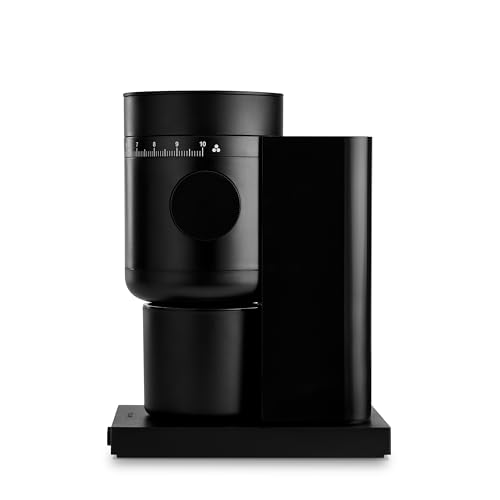


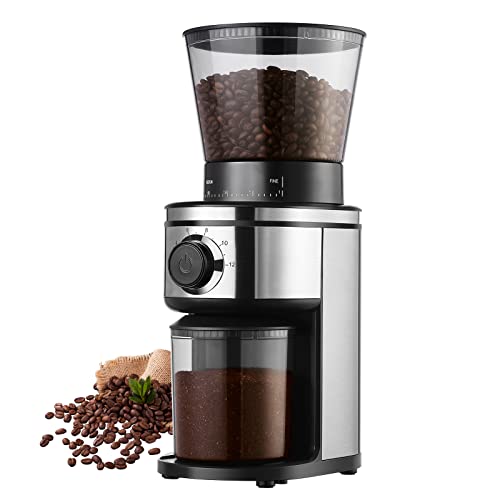

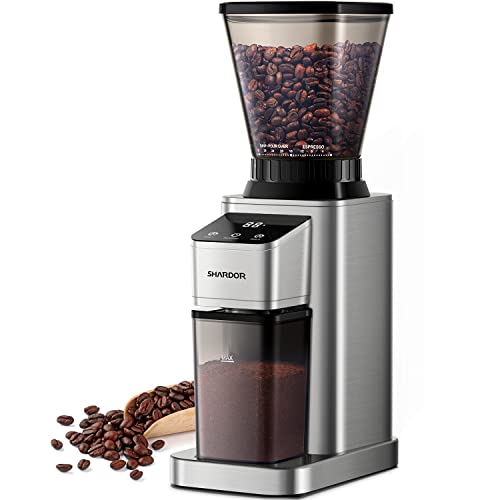

Quick Answer: What a French Press Grinder Needs Most
For french press, the winning formula is simple: a burr grinder that holds a coarse and even grind, a dose size that matches your pot, and controls you can set the same way every morning. Blade models chop beans into mixed dust and chunks, and that mix brews unevenly no matter how careful your timing is. Most homes do well with an electric burr model, while small households can do well with a manual model.
Before You Buy: A Quick Checklist for Choosing a Grinder for French Press
Work through this checklist in order before you compare motors and burr sizes, because the right answers depend on your pot size, your beans, and your kitchen. A grinder that suits a large family breakfast can feel oversized in a small apartment.
Which Type Fits Your Routine
Burr grinders crush beans between two abrasive surfaces and give you the even coarse particles a press pot needs, while blade grinders spin a propeller and leave powder mixed with large pieces. Our comparison of burr vs blade coffee grinder designs explains why that gap matters so much for press brewing. Conical burrs tend to run quieter in home use, while flat burrs are prized for very even particles in larger and pricier bodies, as our guide to conical vs flat burr grinder shapes explains.
Electric models suit daily pots and larger doses, because they grind about 60 to 80 grams in under a minute with no effort. Manual models suit travel and quiet mornings, but a full coarse dose by hand takes steady effort and a few minutes. Single dose designs weigh each batch first and reduce stale grounds inside, while hopper designs suit households that brew the same beans all week.
Grind Size, Consistency and Water Temperature
French press coffee needs a coarse grind that feels like rough sand or fine breadcrumbs, with as few fine particles as you can manage. Fine dust passes through the metal mesh, clouds the cup, and keeps extracting after you pour, so an even coarse range matters more than a very fine espresso range. Judge a grinder by the coarse end of its dial, not the fine end.
Water temperature still shapes the cup, even though your grinder does not heat water. Most press recipes pour water at about 195 to 205 degrees Fahrenheit, just off a full boil, and even grounds help that heat extract sugars evenly instead of pulling bitter notes from dust while large pieces stay bland. Brewer certifications do not grade grinders, so judge the grounds in your pot.
Hopper Size, Dose and Mess Control
Hopper size decides how often you refill and how long beans sit exposed to air and light. A family that brews a large pot twice a day may enjoy a hopper that holds a full bag, while a weekend household tastes fresher coffee from a small hopper filled only as needed. A grounds bin that seals well keeps coarse grounds off your counter.
Static control matters daily, since dry coarse grounds can cling to bins and scatter when you lift the lid. Look for a bin that slides straight out and a grind path with few ledges where old grounds can hide. Old grounds left inside turn rancid and season every new batch, so a short and open path is a flavor feature, not just a cleaning feature.
Counter Footprint and Storage in Real Homes
Measure your counter before you shop, including the clear height under wall cabinets, because many electric models must slide forward before the hopper lid can lift off. A compact footprint suits galley kitchens and shared counters, while a taller model needs a permanent home where its cord and bin stay clear of the sink. If space is scarce, a manual model in a drawer can free the counter entirely.
Realistic Budget Ranges
Price buys consistency, capacity, and convenience for press brewing, in that order, and each step shows in the cup.
- Under $50: expect capable manual burr models and basic blade models, with coarse results that beat store ground coffee but show some dust.
- Under $100: expect entry electric burr models with a true coarse range, modest hoppers, and bins that need a tap to settle static.
- Under $200: expect larger burrs, steadier motors, better static control, and settings you can repeat with confidence from bag to bag.
- Under $300: expect stronger build, quieter grinding, and dose controls that suit large pots and frequent brewing.
- Under $500: expect premium materials, very even coarse particles, and parts support that keeps the grinder in service for years.
Three Buying Profiles and What to Prioritize
Most shoppers fall into one of three profiles, and each profile should spend its budget on different strengths. If you also want a strong all round burr model for other methods, our guide to the best burr coffee grinder covers the wider field beyond press brewing.
Profile One: Everyday Family Brewing for Most Homes
You brew a full pot most mornings, often for two to four people, and you need the same result on a rushed weekday as on a slow Saturday. Prioritize an electric burr model with a wide coarse range, a hopper that holds a few days of beans, and a bin large enough for a full dose. Simple controls matter, because anyone in the household should set the same grind. A dose dial helps you repeat the same amount daily.
Profile Two: Small Budget and Small Batches
You brew one or two cups at a time, shop with a tight budget, and would rather spend on fresh beans than on features. A good coffee grinder for french press at this level is often a manual burr model, because hand power removes the motor cost and leaves more of the price in the burrs. Expect a few minutes of grinding per pot and a little more dust than pricier models produce. Skip extras such as digital scales and app controls.
Profile Three: Long Term Investment for Daily Use
You brew press coffee daily, buy fresh beans by the bag, and want one grinder to serve for years with little fuss. Prioritize large burrs that stay even at coarse settings, a motor that does not strain under full doses, and replaceable burrs with spare parts support. This is the profile where a best burr grinder for french press earns its price, because even particles protect the sweet and mellow character press brewing does best.
How to Judge Grinders Without Guesswork
Judge every candidate against the same five tests, in the same order, so marketing claims cannot move the goalposts. Start with grind consistency at coarse settings, then check ease of use, cleaning access, build quality, and noise. Weight the first test most heavily, because press brewing exposes uneven grounds in every cup.
Use maker specifications for burr size and capacity, read owner reports for static and jam patterns, and treat star ratings as a rough signal rather than proof. If you brew espresso and drip as well as press, compare your shortlist with our broader guide to the best coffee grinder so one purchase can cover more of your week.
Living With It: What Really Matters Day to Day
A grinder earns its place during the second week, not the first morning, when the routine around it either feels easy or feels like work. Coarse grounds sweep out of a press pot and a bin with little residue, but fine dust from an uneven grind coats both and demands more rinsing. Households that brew back to back pots will value a large bin and hopper.
Noise shapes home life more than spec sheets suggest, because an electric grinder used before dawn can wake children and light sleepers in nearby rooms. A manual model solves that problem in silence, while a slower and steadier electric motor often sounds softer than a small and strained one. If quiet matters, treat sound as a deciding factor, not as an afterthought.
Common Mistakes to Avoid
Most regrets with press grinders come from a handful of repeat errors, and each one is easy to dodge once you see it.
- Buying a blade grinder for press coffee, which leaves dust that turns every pot muddy no matter how fresh the beans are.
- Choosing by the finest setting on the dial, which says nothing about the coarse grind your press pot needs.
- Filling a large hopper with a full bag in a slow household, which lets the last beans go stale before you reach them.
- Ignoring static and bin design, which scatters coarse grounds across the counter each time you brew.
- Grinding far ahead for the whole week, which loses aroma within days and wastes the main reason to own a grinder.
Cost of Ownership and Care
Ownership costs stay modest with press grinders, because there are no paper filters to buy and no water system to descale. Your running costs are beans, a little electricity, and burr wear over years of use. Steel burrs dull slowly and often last through hundreds of pounds of coffee, while ceramic burrs can chip if a stone hides in a bag of beans.
Care takes minutes each week: brush loose grounds from the burr chamber, wipe the bin, and empty old grounds before they scent the next batch. Our step by step notes on how to clean a coffee grinder walk through a deeper monthly clean that keeps flavors pure without harsh chemicals. Never wash burrs with water unless the maker allows it, because trapped moisture can rust steel.
Your Questions, Answered
What is the most reliable coffee grinder brand?
No single brand earns that title for every home, because reliability depends more on burr quality, parts support, and simple design than on a logo. Look for a maker that sells replacement burrs and bins for years after purchase and publishes clear manuals. A simple model with strong support will usually outlast a feature packed model that no one can repair.
How do you clean a coffee grinder?
You clean a coffee grinder by brushing out loose grounds after each use and wiping the burr chamber and bin with a dry cloth. Once a month, remove the burrs if the design allows it and brush away compacted dust that daily care cannot reach. Cleaning tablets can clear oils from electric models, but plain brushing handles most homes with no chemicals at all.
Is a coffee grinder worth it?
Yes, a coffee grinder is worth it if you brew press coffee more than once or twice a week, because fresh grounds keep aroma that stored ground coffee loses. The gain shows most in coarse brews, where even particles and low dust change a muddy cup into a clear and sweet one. If you brew only on rare weekends, small amounts ground at a shop may serve you better.
How long does a coffee grinder last?
A well built coffee grinder often lasts five to ten years in home use, with burrs as the first part to wear. Manual models can last longer still, because they have no motor to fail, though handles and bearings need care. Very dark and oily beans shorten burr life, so a quick brush out after oily batches helps any model reach its full span.
What should I look for in a coffee grinder for french press?
Look first for an even coarse grind with low dust, then for a dose size that matches your pot and controls you can repeat daily. Ask whether you can return the grinder after a home trial, because your own beans and press pot reveal fines faster than any showroom test. Treat motor power, burr size, and bin design as support for that coarse result.
What is the best coffee grinder for french press?
The right answer is a burr grinder that holds an even coarse setting, keeps dust low, and matches the dose of your press pot. For most homes that means an electric model with clear coarse steps and a bin that controls static, while quiet or tiny kitchens may prefer a manual model. Use the product table to compare candidates against that short list of traits.
Final Thoughts
The right best coffee grinder for french press fits your counter, your household, and your mornings, while giving you even coarse grounds with little dust. Compare your shortlist against the product table, weigh coarse consistency first, and spend the rest of your budget on the size and style you will enjoy using daily. Choose with your routine in mind for clear and steady cups for years.
