
Best Coffee Grinders for Beginners (2026): A Guide for Real Homes
Disclosure: We may earn a commission when you buy through links on this page, at no extra cost to you. As an Amazon Associate I earn from qualifying purchases. Learn more

The best coffee grinder for beginners is easy to use, even, and fits your kitchen. Compare electric burr, manual, and blade styles before you buy.
Your first bag of whole beans is on the counter, the kettle is on, and the only thing missing is a grinder that does not make mornings harder. Choosing the best coffee grinder for beginners is less about chasing cafe level specs and more about matching a machine to your kitchen, your household, and the way you actually brew. This guide walks you through the types, the settings that matter, and the costs that show up after purchase, and the product table sums up the main options at a glance.
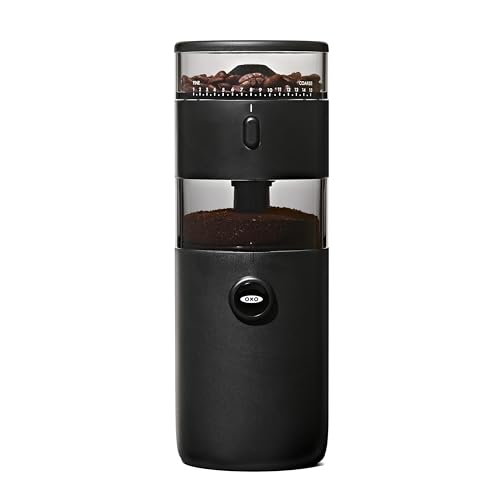
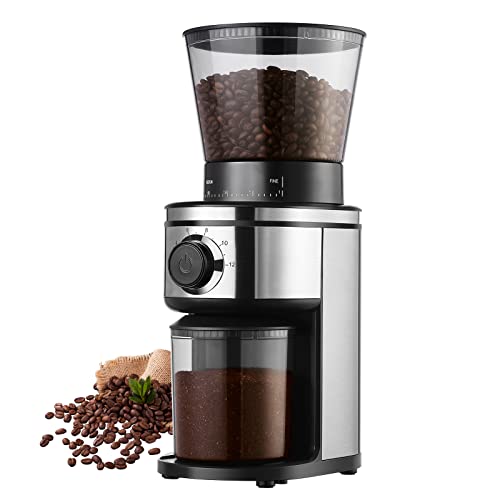

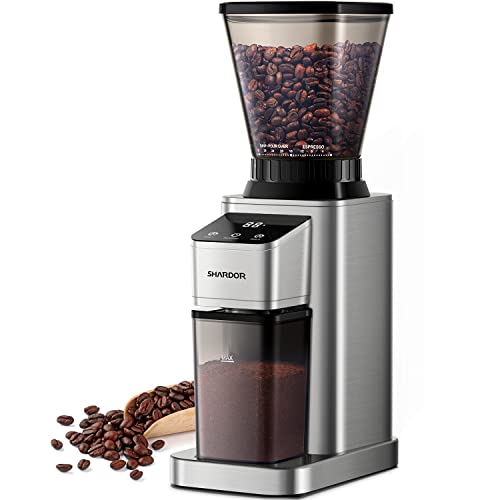
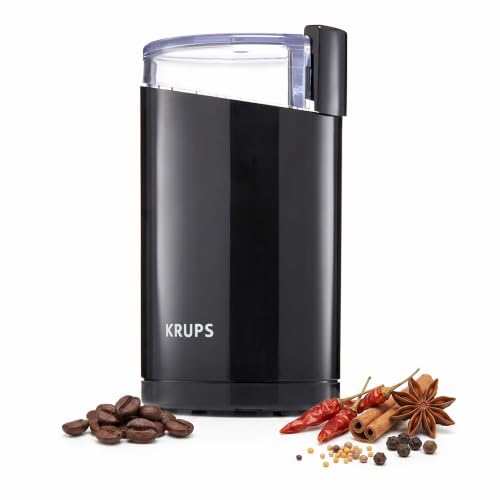

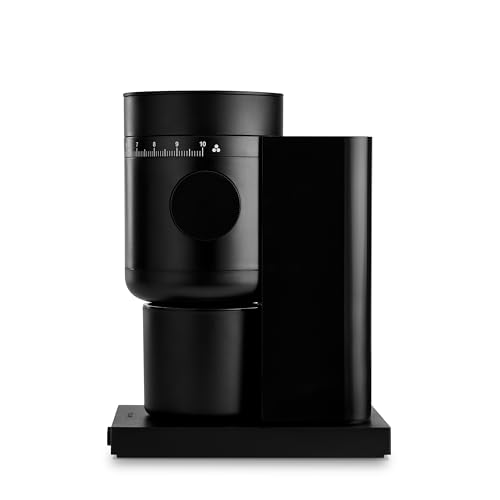

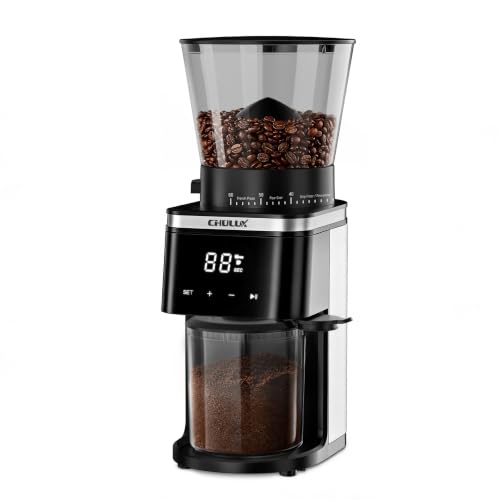
Quick Answer: The Short Version for New Grinder Owners
If you brew drip, pour over, or French press coffee for one to four people, an electric burr grinder with a clear dial and a modest footprint will suit most homes. If your kitchen is tiny or you travel often, a manual grinder takes almost no space and costs less. A blade grinder is the cheapest way in, but its uneven grounds make it a short term step rather than a keeper. The sections below explain how each type fits a real routine, so you can pick with confidence.
Before You Buy: A Quick Checklist for Choosing a Coffee Grinder for Beginners
Which Type Fits Your Routine
Four types cover nearly every starter kitchen. Blade grinders chop beans with a spinning blade, which is fast and cheap but uneven. Burr grinders crush beans between two abrasive surfaces and give far more even grounds, and most guides to the best burr coffee grinder start from that advantage. Electric models grind at the push of a button, while manual models use a hand crank and suit one or two cups at a time. If you are still weighing the two grinding methods, our breakdown of burr vs blade coffee grinder results shows how the difference tastes in the cup.
Burr Shape and Grind Range
Burrs come in two shapes. Conical burrs sit inside a cone shaped ring and are common in home machines because they run quietly and handle a wide range of settings. Flat burrs use two parallel rings and are prized for very even particles at fine settings, though they often cost more and appear in larger machines. Our explainer on conical vs flat burr grinder designs goes deeper if you want the details. For a beginner, range matters more than shape: look for clear steps from coarse French press grounds down to medium fine, and only worry about true espresso fineness if you own an espresso machine.
Counter Footprint and Storage
Measure before you buy. Note the width and depth of the spot you have in mind, then check the height under your cabinets, because many electric grinders stand 12 to 16 inches tall and the bean hopper lid needs room to lift off. A household that grinds for four people every morning may accept a bigger hopper, while a solo drinker in a small apartment is often happier with a compact body that slides into a cupboard. Cord length matters too, since a short cord can force the grinder to live in an awkward corner far from your brewer.
Realistic Budget Ranges
Prices spread widely, and each step up buys something specific. Under about $50 you get blade grinders and basic manual models, fine for learning what fresh grounds do for flavor. About $50 to $100 brings entry level electric burr grinders with a handful of settings. About $100 to $200 is the comfort zone for most beginners, with quieter motors, more settings, and sturdier burrs. Above about $200 you pay for espresso range, faster grinding, and heavier build quality that a drip coffee drinker may never notice. Set your budget around your brew method first, then let the household size decide how much capacity that budget needs to cover.
Three Types Compared: Which Grinder Style Suits a Beginner Best
Electric Conical Burr Grinders for Most Homes
This is the default recommendation for a household learning fresh coffee. You add beans, turn a dial to a numbered setting, and press a button or turn a timer, and the machine does the rest in about 10 to 20 seconds for a full pot. The numbered steps remove guesswork, which matters when you are still learning how grind size changes flavor. The trade offs are counter space, some motor noise early in the morning, and a higher price than the other two types. For families and shared kitchens, though, the speed and repeatability win most days.
Manual Grinders for Small Kitchens and Quiet Mornings
A manual grinder holds a small set of burrs in a slim body with a crank on top, and it asks for about a minute of steady turning per cup. In return you get near silence, no cord, and a tool that fits in a drawer. Many readers comparing the best manual coffee grinder options are surprised by how even the grounds are for the price, since the money goes into the burrs rather than a motor. The limits are real: grinding for four guests gets tiring, and very fine espresso settings take serious effort. For one or two cups a day, it is a calm and frugal start.
Blade Grinders as a Short Term First Step
A blade grinder is the small appliance many people already own for spices. It costs the least, takes seconds, and wipes clean with a cloth. The catch is consistency: the blade creates a mix of fine powder and coarse chunks, so some grounds over extract and turn bitter while others under extract and taste sour in the same cup. Pulsing the motor and shaking the chamber helps a little. Treat a blade model as a way to test whether you enjoy grinding at all, and plan on moving to burrs once fresh coffee becomes a daily habit rather than a weekend treat.
Our Selection Process for Grinders That Suit Beginners
We compare grinders on the points a new owner feels every day: how even the grounds are at common settings, how clearly the controls are marked, how much counter space the body takes, how loud the motor runs, and how easy the parts are to brush out and wash. We also weigh the cost of replacement burrs and bins, the length of the warranty, and what verified buyers report after months of home use. You can see how these beginner picks sit within the wider market in our overview of the best coffee grinder models for every brew style.
Living With It: What Really Matters Day to Day
The first week teaches you more than any spec sheet. Static is the surprise most new owners mention: fine grounds cling to the bin and scatter on the counter, and a single drop of water stirred into the beans before grinding calms most of it. Noise is the second lesson, since an electric grinder at dawn can wake a light sleeper in the next room, which is one reason small households often keep a manual model as a backup. Dose habits form quickly too. Weighing beans for each brew, roughly 1 to 2 tablespoons per cup as a rough start, keeps flavor steady while you learn, and grinding only what you need keeps the hopper from holding beans that slowly go stale in warm kitchen air.
Common Buying Mistakes to Avoid
- Buying an espresso focused grinder when you only brew drip or French press, which spends your budget on a fine range you will never use.
- Ignoring the height under your cabinets, so the hopper lid cannot open and every refill becomes a shuffle across the counter.
- Choosing the largest hopper in the store for a one person home, which leaves beans sitting out for weeks and dulls their flavor.
- Skipping a look at cleaning access, because a grinder you cannot open and brush out will slowly collect old oils that turn fresh coffee rancid tasting.
- Judging by setting count alone, since forty vague steps help less than fifteen clear ones you can return to with confidence.
Cost of Ownership and Care
Running costs stay low. An electric grinder uses about as much power as a light bulb for a few seconds a day, and manual models use none. The real upkeep is cleaning: empty the grounds bin daily, brush loose grounds from the burr chamber weekly, and take the burrs out for a deeper clean about once a month or whenever you switch to a much darker roast. Our step by step guide on how to clean a coffee grinder walks through the process with no special tools. Burrs wear slowly and often last for hundreds of pounds of beans, and replacement sets for common home models cost about $20 to $40 when the time finally comes.
Your Questions, Answered
Is a coffee grinder worth it for a beginner who drinks coffee daily?
Yes, for most daily drinkers it is the single change that improves flavor the most. Beans begin losing aroma within minutes of grinding, so coffee ground right before brewing tastes noticeably fresher than coffee ground days earlier at a store. You do not need an expensive model to notice the difference. Even a modest burr grinder paired with ordinary fresh beans will usually beat premium beans that were ground a week ago and stored in a paper bag.
How long does a home coffee grinder usually last?
A cared for electric burr grinder often lasts about 5 to 10 years of daily home use, and manual models can run longer because they have no motor to wear out. The burrs themselves dull gradually rather than failing at once, so a slow drop in cup quality over the years is your cue to replace them. Storing the grinder dry, keeping water out of the burr chamber, and not grinding anything harder than coffee beans all extend that lifespan.
What grind size should a beginner start with for drip coffee?
Start in the middle of your dial, which on most home grinders gives grounds about the texture of coarse sand, the usual target for drip machines. Brew a pot and taste it before changing anything. If the coffee tastes sour and thin, move one step finer; if it tastes bitter and harsh, move one step coarser. Change only the grind between pots, keep the same beans and dose, and you will find your setting within two or three tries.
Should a beginner grind beans right before brewing or in batches?
Grind right before brewing whenever you can, because ground coffee loses its best aromas fast, often within 15 to 30 minutes of exposure to air. Batch grinding for the week is convenient, and many new owners start there, but the last cups from that batch will taste flatter than the first. A workable middle path is grinding the night before for an early start, sealed in a small airtight container, which keeps most of the flavor with far less morning effort.
Can a beginner grinder handle espresso at home?
Most entry level grinders cannot, and that is fine unless you own an espresso machine. Espresso needs very fine, very even grounds with tiny adjustments between steps, and many starter models stop at a medium fine setting meant for pour over. If espresso is a firm future plan, say so in your budget from the start and look at grinders built for that range. Otherwise, a drip focused model will serve you better and cost less for the coffee you drink today.
Final Thoughts
Start with your brew method, your counter space, and the number of cups your household drinks, and the right choice usually becomes obvious. An electric burr model suits most families, a manual model suits small and quiet kitchens, and a blade model works as a brief first step. Whichever route you take, the best coffee grinder for beginners is the one you will use every morning without thinking twice. Check the product table once more, match a type to your routine, and enjoy the first pot that tastes like the beans promised.
