
Best Coffee Grinders for AeroPress (2026): A Guide for Real Homes
Disclosure: We may earn a commission when you buy through links on this page, at no extra cost to you. As an Amazon Associate I earn from qualifying purchases. Learn more

The best coffee grinder for AeroPress gives an even medium grind and fits your counter and routine. Compare electric and manual burr styles before you buy.
Morning in a busy home rarely leaves room for fussy steps. You want one good cup before work, ground fresh, brewed fast, and cleaned up without mess. Choosing the best coffee grinder for aeropress comes down to space, how many cups you make each day, and how often you change beans.
This guide helps you choose by household size, counter space, and budget rather than by chasing the largest feature list. Use the product table to see how the main grinder types differ at a glance. If you also brew other methods at home, our guide to the best coffee grinder covers the broader choices that sit beyond AeroPress use.


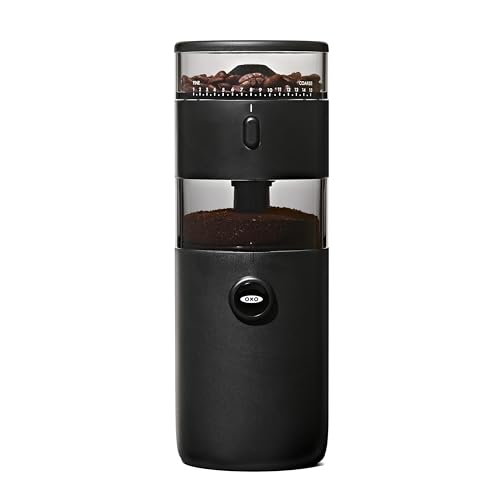
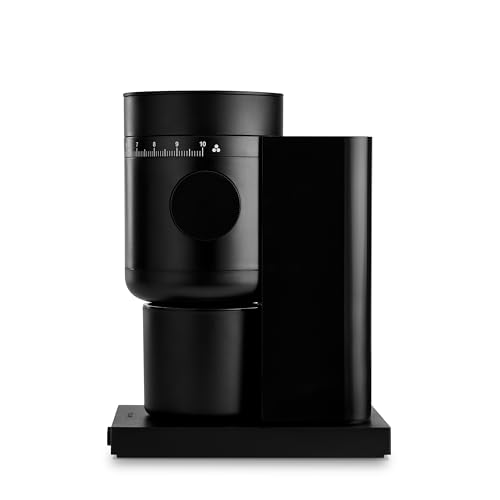
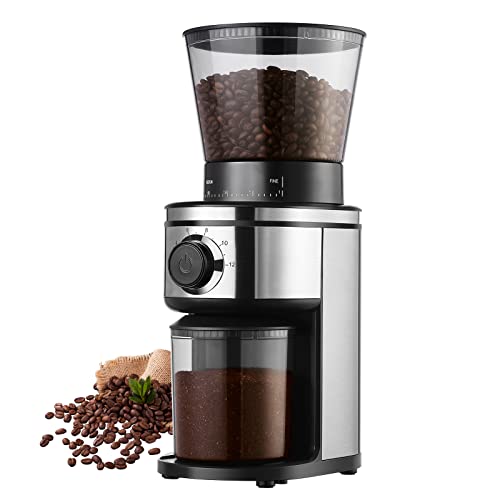

Quick Answer: The Grinder Types That Suit Most Homes
For most homes, an electric burr grinder with a wide range of medium and medium fine settings is the easiest daily choice, because it repeats the same dose quickly and leaves your hands free to heat water. A manual grinder suits small kitchens, travel, and quiet mornings. A larger electric model suits homes where several people brew back to back.
Before You Buy: A Quick Checklist for Choosing a Coffee Grinder for AeroPress
AeroPress brewing is forgiving, but it still rewards an even grind. Particles close in size extract at a similar pace, so the cup tastes balanced rather than sharp in one sip and flat in the next.
Which Type Fits Your Routine
Burr grinders crush beans between two abrasive surfaces and give you far more control over particle size than a blade model, which chops beans into mixed coarse and fine pieces. That evenness is why most AeroPress users move to burrs for daily brewing. Our overview of the best burr coffee grinder explains the category in depth. Electric burr models suit weekday speed, while manual burr models suit one or two cups, low noise, and very small storage space.
Blade Models and Why They Struggle Here
A blade grinder can work in a pinch, but its uneven output makes recipes hard to repeat, because fine dust extracts fast while larger chunks extract slowly in the same short brew. Short pulses and shaking the chamber help a little, yet results still vary. Our guide to burr vs blade coffee grinder shows why burrs are the safer long term purchase here.
Grind Size Range, Settings and Consistency
AeroPress recipes usually call for a grind somewhere between table salt and sand, with room to go finer for short strong brews or coarser for longer steeps. Look for clear stepped settings or smooth stepless adjustment that lets you return to a setting you liked, and note that setting in a phone note or on the bag. Consistency at medium settings matters more here than an extreme fine setting built for espresso, so a grinder that shines in the middle of its range serves AeroPress better than one tuned mainly for very fine work.
Conical Burrs, Flat Burrs and Flavor
Conical burrs sit in many home grinders and tend to run at lower speed, while flat burrs use two parallel rings and often give a very even particle spread. Flat burr results can taste a touch clearer and conical results a bit rounder, though bean choice changes the cup far more than burr shape alone. If you want the deeper trade offs, read our comparison of conical vs flat burr grinder before you spend more for one shape.
Hopper Size, Dosing and Daily Cleanup
Think about how you will dose each morning. A hopper that holds a full bag suits homes that use one bean for weeks, while weighing single doses suits people who swap beans often. A ground coffee bin that pours cleanly into the AeroPress chamber saves time and cuts static mess. Removable burrs and a removable hopper make weekly brushing simple.
Counter Footprint and Noise at Home
Measure the space under your cabinets before you buy, including room to lift the lid and pour beans in from above. A tall hopper can block that step in a tight kitchen. Manual models store in a drawer and need no outlet, which helps in small apartments and shared houses. Noise matters too, since an electric grinder at dawn can wake a light sleeper, while a manual model stays nearly silent.
Realistic Budget Ranges
Manual burr grinders often cost about $30 to $100 and give strong grind quality for the price, with your own effort as the main trade off. Home electric burr models commonly run about $100 to $250 and add speed and larger capacity. Spending about $250 to $500 can bring quieter motors and sturdier build, but it does not fix stale beans or a poor recipe.
Types Compared: Grinder Styles for AeroPress at Home
Match the grinder style to your home. The three styles below cover most routines, from solo cups in a studio to family brewing on a weekend.
Electric Burr Grinders for Daily Use
This style suits most homes because it grinds a dose in seconds and repeats the same setting cup after cup. You can heat water and rinse the paper filter while the grinder works, so the routine stays under a few minutes. Look for a bin that fits under the chute without gaps, because stray grounds add up over a week. The trade off is size and noise, plus a higher price than a manual model.
Manual Grinders for Small Kitchens and Travel
A manual grinder gives you burr quality without using counter space, an outlet, or a large budget. It suits one person brewing one or two cups, students, and anyone who takes an AeroPress on trips. Our guide to the best manual coffee grinder covers what separates a good hand model from a tiring one. Expect about a minute of cranking for a typical dose, and note that light roast beans take more effort.
Larger Capacity Electric Grinders for Busy Households
When three or four people want coffee in the same hour, a larger hopper and a stronger motor save repeated refills and waiting. The trade off is footprint, because these models claim real counter space and can look bulky in a small kitchen. Buy this size only when your daily volume truly calls for it.
How to Compare Grinders for AeroPress
Judge grinder types against the needs of AeroPress brewing at home, using maker specifications and buyer feedback. The factors that matter are grind consistency in the medium range, ease of daily use, cleaning access, build quality, and fit for different home sizes and budgets. Temperature stability belongs to your kettle, not the grinder, so judge the grinder only on turning whole beans into even grounds.
Living With It: What Really Matters in a Coffee Grinder for AeroPress
Day to day, the best routine is a simple one. Weigh your beans, grind just before brewing, and use water at about 195 to 205 degrees Fahrenheit, since hotter water extracts faster and can pull bitter notes from a finer grind. If a cup tastes sour and thin, grind a step finer or steep a little longer. If it tastes harsh and dry, grind a step coarser or shorten the steep, changing only one thing at a time so you learn what fixed it.
Freshness shapes the cup more than most upgrades do. Beans stored in a sealed container away from heat and light keep their aroma far better than beans left in an open bag. Static can also scatter fine grounds around the bin in dry homes. A single small spritz of water on the beans before grinding, when the maker allows it, can calm that scatter.
Common Buying Mistakes to Avoid
- Buying an espresso focused grinder and paying for extreme fine range you will never use for AeroPress, because that money could have bought better consistency in the medium range.
- Choosing by hopper size alone and ending up with a tall unit that will not fit under your cabinets, so daily refilling becomes awkward.
- Ignoring the cost and effort of cleaning, because old grounds and oils build up and dull the flavor of fresh beans.
- Paying for many brew presets and timers in a small home where a simple manual model would grind just as well for one cup a day.
- Switching beans, grind, and recipe all at once when a cup tastes off, because then you cannot tell which change helped or hurt.
Cost of Ownership and Care
Running costs stay low for this category. An electric model uses a small amount of power for a few seconds a day, and a manual model uses none. Your real costs are replacement burrs after years of use, a brush or two, and the paper filters for the brewer itself. Following a simple routine from our guide on how to clean a coffee grinder keeps flavors clean and helps the motor and burrs last.
Brush loose grounds from the burrs and chute about once a week if you brew daily, and wipe the bin often, since fine coffee dust holds stale odors. Every month or so, take the burrs out if the design allows it and clear packed grounds a brush cannot reach. Never run water through the grinding chamber, because moisture can damage the motor and cause burrs to rust.
Your Questions, Answered
How do you clean a coffee grinder used for AeroPress?
Unplug an electric model first, empty the hopper, and brush grounds from the burrs, chute, and bin. Remove the upper burr if it lifts out and brush the chamber, then wipe parts with a dry cloth. Avoid water inside the chamber. A useful extra tip is to clean right after switching from a dark oily roast to a light roast, because leftover oils from dark beans can mute the brighter flavor of the new bag.
Is a coffee grinder worth buying if you own an AeroPress?
Yes, for most people it is the upgrade that changes the cup most, because coffee bought already ground loses aroma fast and rarely matches the grind your recipe needs. Fresh grinding lets you adjust size when a new bean tastes sour or harsh. The added point many new buyers miss is storage, since even great grinding cannot rescue beans that sat open near a stove for weeks, so pair the grinder with a sealed container.
How long does a coffee grinder last in home use?
A well kept home grinder often serves for many years, with burr wear as the usual limit rather than total failure. Steel burrs last far longer than the cheap ceramic sets in some entry models, and grinding rocks or flavored beans coated in oils can shorten that life. Watch for a new pattern in your cups, such as longer grind times and more uneven grounds at the same setting, which can signal that the burrs need attention or replacement.
What grind size should you use for AeroPress?
Start with a medium fine grind close to table salt, then adjust by taste rather than by a chart alone. A short inverted brew with a quick press often suits a slightly finer grind, while a longer steep suits a slightly coarser one. One more factor is dose, since using more coffee at a coarser grind can give a rich cup with less risk of harsh flavor than simply grinding finer and finer.
What should you look for first in a grinder for AeroPress?
Put consistency in the medium grind range first, ahead of extra presets or a large hopper. After that, check how easy the burrs are to reach for brushing, how the ground coffee bin pours into the narrow brewer, and whether the size fits your counter. Finally, look at warranty and spare part access, because a grinder you can repair with a fresh burr set stays useful far longer than one you must replace whole.
Final Thoughts
Match the grinder to your home and your mornings, and AeroPress brewing stays simple and repeatable. An electric burr model serves most households, a manual model serves small spaces and quiet routines, and a larger electric model serves homes brewing many cups a day. Whichever style you pick from the product table, the best coffee grinder for aeropress for you is the one whose grind you can repeat, clean without fuss, and fit into the kitchen you actually have.
