Best Coffee Mixers 2026: Handheld Frothers and Drink Mixers
Disclosure: We may earn a commission when you buy through links on this page, at no extra cost to you. As an Amazon Associate I earn from qualifying purchases. Learn more

Best coffee mixers blend creamer, cocoa and whipped coffee into a smooth drink. See how to compare whisk heads, power source and speed.
Stirring a spoonful of creamer into a cup of hot coffee leaves lumps, and powdered add-ins like cocoa or collagen clump on the surface. The best coffee mixers fix this in seconds: a small handheld wand with a spinning whisk that blends everything smooth and whips milk into a light foam.
The product table above lists handheld drink mixers, the style most people mean when they search for a coffee mixer. This guide explains how they work, which features matter and what a countertop alternative looks like if you want something bigger.


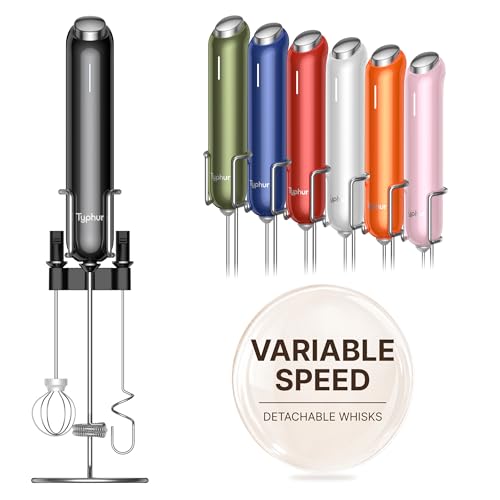

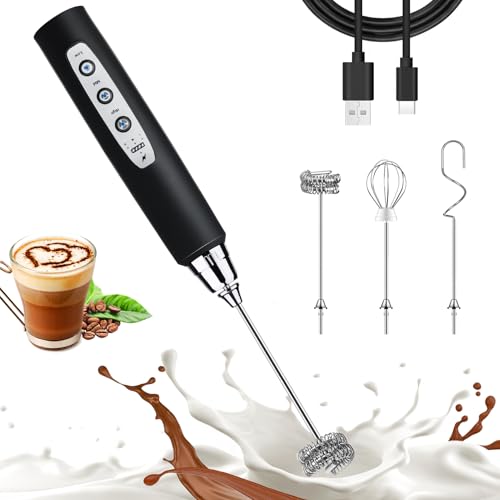


What the best coffee mixers do
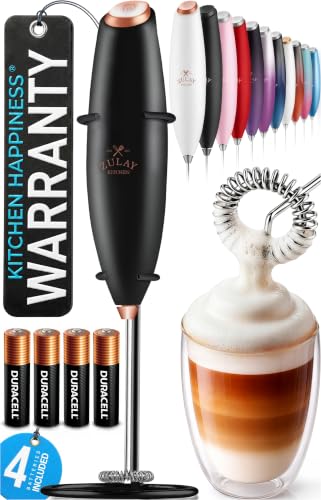
A handheld coffee mixer is a motor in a slim handle with a whisk at the tip. You lower the whisk into the cup, press the button and the spinning coils pull the liquid into a gentle vortex. That mixes sweetener and creamer evenly, dissolves powders without clumps and, when used on warm milk, makes foam for a latte.
It also handles whipped dalgona-style coffee, matcha, protein shakes and hot chocolate. Because the whisk is small, the job takes only a few seconds and there is almost nothing to wash afterward.
Battery or rechargeable power
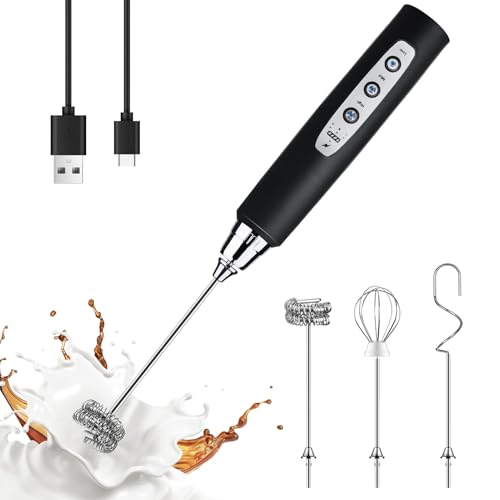
Among the best coffee mixers, most wands run on two AA or AAA batteries or on a built-in rechargeable battery with a USB cable. Battery models are cheap and light, but you need spares, and the whisk slows as the cells weaken. Rechargeable models cost a little more, keep a steady speed and charge from a phone charger.
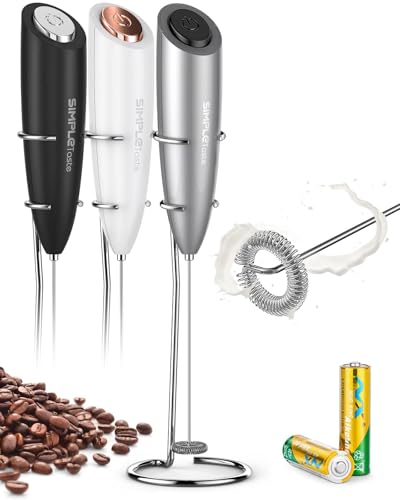
If you use the mixer once a day, either works. If you use it several times a day, or the whole household shares one, a rechargeable model saves you from buying batteries again and again. Check whether it ships with a stand, since a stand keeps the wand upright and the whisk dry.
Whisk head and shaft
The whisk is where the work happens. Double-coil or dual-spring heads give a denser foam than a single coil, while a flat spiral is better for mixing powders. A stainless steel shaft is sturdy and easy to rinse, and a longer shaft reaches deeper into a tall mug or a travel tumbler.
Look for a whisk that is removable, because some come with a spare head or an extra attachment for different jobs. A detachable head also makes deep cleaning easier.
Speed settings and control
Single-speed wands are simple and cheap. Two or three speeds let you start slow to avoid splashes and finish fast for foam. A lower setting is useful for mixing in the cup, while a higher one suits whipping milk.
The button matters as well. A hold-to-run switch gives you control, while a push-on, push-off switch frees your thumb. Choose whichever feels natural in your hand.
Using the mixer safely and neatly
Keep the whisk below the liquid surface before you switch it on, and use a tall cup so milk does not splash out. Rinse the whisk in warm water straight after use by running the wand in a glass of soapy water for a few seconds, then in clean water. Never submerge the handle in water.
When foaming milk, warm it first, because warm milk holds foam better than cold. Tilt the cup slightly and move the whisk gently up and down for a creamier texture.
Handheld mixer or countertop blender?
A handheld mixer is quick, cheap and easy to store, so it suits a single mug. A small countertop blender or a stand frother produces larger batches and iced blended drinks, but takes more counter space, power and washing. If you only mix a cup at a time, the wand is enough.
If you make frozen coffee drinks or want to blend ice, a blender is the better tool. Do not try to crush ice with a handheld wand, as it is not designed for it.
Price and value
The table covers inexpensive battery wands up to rechargeable models with stands and extra whisk heads, with a spread of prices from single digits to about $25. Higher prices often buy a stronger motor and a better build. Since the wand is a small item, there is little reason to overspend, but a decent rechargeable model usually lasts longer than the cheapest.
Everyday ideas beyond coffee
A drink mixer earns its place in the kitchen by handling more than coffee. Stir a spoonful of cocoa into warm milk without lumps, whisk a single egg for a quick scramble, blend a matcha latte or mix a salad dressing in a jar. Keep the whisk clean and it will happily do all of these jobs in turn.
For whipped coffee, combine instant coffee, sugar and hot water in a tall glass and run the wand until the mixture turns pale and fluffy, then pour it over milk. It takes under a minute, and a wand is much easier than a hand whisk.
Where to store it
A stand keeps the wand upright by the coffee maker and lets the whisk dry between uses. Without a stand, store it in a drawer with the whisk head covered or away from other utensils, so the coils do not bend. Remove batteries if you will not use it for a long while, since leaking cells can ruin the handle.
If you travel, choose a rechargeable model with a short cable, which is easy to pack in a bag for the office or a trip.
Common questions
Can I use a coffee mixer in hot coffee?
Yes, but keep the whisk submerged and use a tall cup to prevent splashes. Be careful with very hot liquids.
Will it froth cold milk?
Many will make some foam with cold milk, although warm milk gives a better result.
Can it dissolve protein powder?
Often yes, for small servings. A shaker bottle is better for large servings.
How do I clean it?
Run the whisk in warm soapy water, rinse and dry. Do not submerge the handle.
Final thoughts
The best coffee mixers are small, fast and easy to wash. Pick a rechargeable model if you use it daily, look for a double-coil whisk and a stand, and choose a speed range that fits your drinks. Compare the table above, and the right mixer will turn every cup into a smoother one.