Best Coffee Grind for Espresso Machines: A Buying Guide for 2026
Disclosure: We may earn a commission when you buy through links on this page, at no extra cost to you. As an Amazon Associate I earn from qualifying purchases. Learn more

The best coffee grind for espresso machines is fine, even, and fresh. Learn how to dial it in and what to look for in ready ground espresso coffee.
Grind size quietly decides whether espresso tastes sweet and balanced or sour and bitter, even when the beans and the machine stay the same. This guide explains the best coffee grind for espresso machines: how fine it should be, how to fix a shot that tastes wrong, and what to look for when you buy ready ground espresso coffee instead of grinding at home.
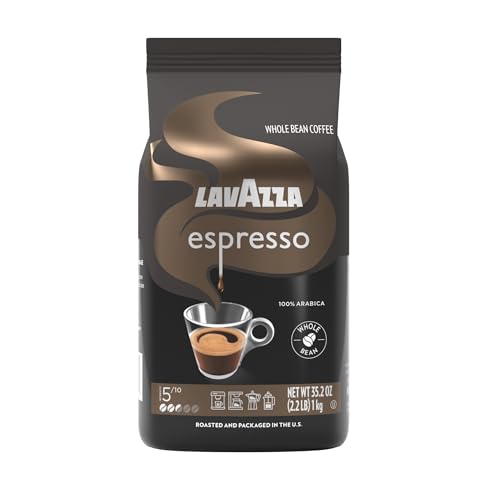
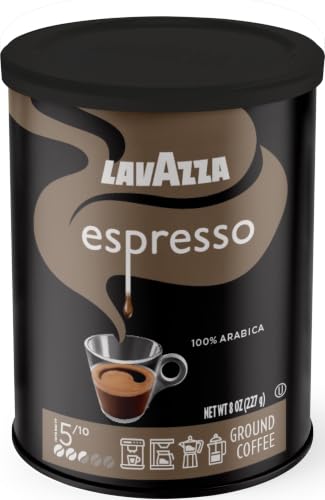
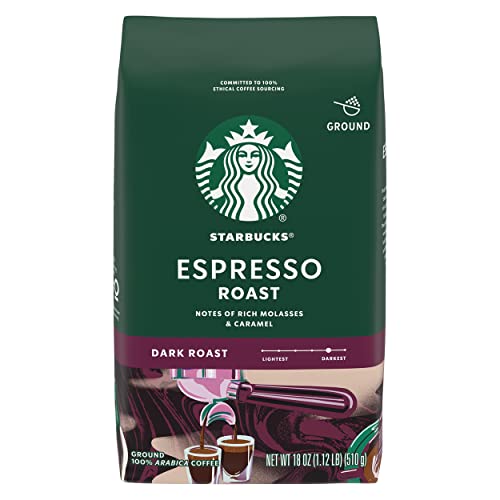
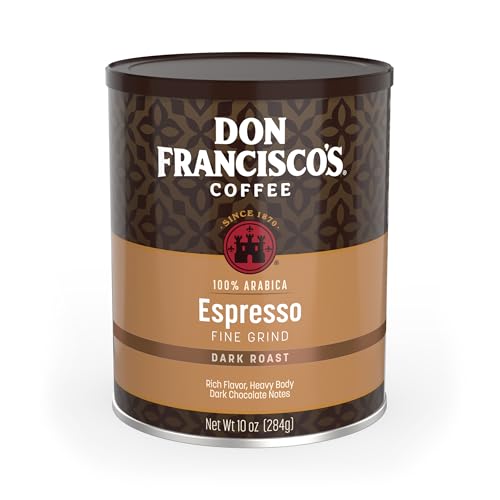
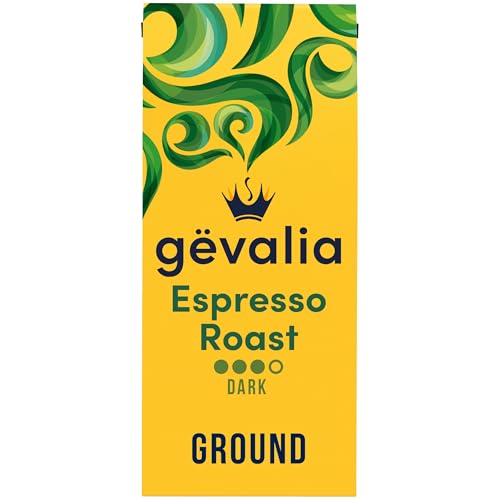
The product table lists ground espresso coffees you can use straight from the bag. The sections below explain how to judge them and how to adjust your own grinder if you grind whole beans.





Who Needs to Think About Grind
This guide suits home espresso drinkers who grind their own beans and want steadier shots, and new owners whose coffee tastes bitter, sour, or weak despite decent beans. It also suits anyone buying pre ground espresso for a machine without a grinder. If you only use pods, grind advice matters less, because you cannot change the particle size.
Your basket type shapes the grind you need. A pressurized basket forgives a coarser, less even grind, while a standard non pressurized basket needs a finer and more even grind. Manual lever machines reward careful adjustment, and automatic machines often work best within a narrower range. Know your basket type before you change anything else.
What Makes a Good Espresso Grind
- Particle size. Espresso needs a fine grind, roughly the feel of powdered sugar with a little grit, but not so fine that water cannot pass through.
- Evenness. Uniform particles extract evenly, while a mix of dust and chunks gives bitter and sour notes in the same cup.
- Freshness. Ground coffee loses aroma quickly, so ground just before brewing is best, and a freshly opened bag of pre ground coffee is the next best thing.
- Dose. A consistent dose, weighed if possible, removes guesswork when you adjust the grind.
- Small adjustments. Small steps let you tune the taste without jumping past the sweet spot.
Change one variable at a time. If you change grind, dose, and tamp pressure together, you will not know which change fixed or spoiled the shot.
Dialing In Your Grind Step by Step
Start fine and watch the shot time. A double shot that flows in roughly 25 to 30 seconds is a common starting point, though your machine and taste may prefer a slightly different time. If the shot runs fast and tastes thin or sour, grind finer. If it drips slowly and tastes bitter or harsh, grind a little coarser. One notch can move a shot from balanced to unpleasant, so go slowly.
Roast level matters too. Lighter roasts are denser and often need a finer grind, while darker roasts are more brittle and usually need a coarser one. When you open a new bag, expect to adjust the grinder a little as the beans age over the first weeks.
Buying Pre Ground Espresso Coffee
Pre ground espresso coffee is convenient, and it removes the need for a good grinder, but you give up control of the grind and some freshness. Choose a bag labeled for espresso, since coffee ground for drip brewing is too coarse and will taste weak and sour. Buy smaller bags or tins that you can finish within a couple of weeks, and look for resealable packaging. Dark roasts are the common choice because they extract easily and hold up in milk, while medium roasts taste sweeter but may need a slightly finer grind than the maker used.
Pressurized baskets are the best match for pre ground coffee, because they compensate for a grind that is not perfectly tuned to your machine. If you use a standard basket, expect to try two or three brands before one fits your machine well.
Keeping Equipment and Coffee in Good Shape
If you grind at home, brush out the chute and hopper regularly, because old grounds turn stale and affect the next shot. Do not wash burrs unless the manual allows it, and dry parts fully. If you use pre ground coffee, keep the bag sealed or move the coffee into an airtight container, away from heat and light.
Keep notes for a week when you start tuning: bean, grind setting, dose, shot time, and taste in plain words. The log shows patterns quickly and stops you repeating mistakes. Once you find a setting you like for a bean, write it down, because a new bag may need a small change.
Common Mistakes
A common mistake is grinding far too fine in search of strength, which chokes the machine and makes bitter coffee. Another is changing beans, grind, and dose all at once. A third is storing ground coffee for weeks and blaming the machine for flat taste. Fix freshness first, then tune the grind in small steps. Related reading includes the best espresso coffee machines, the best coffee automatic espresso machines, the best grind and brew coffee machines, the best coffee beans for espresso machines, and the best coffee machine makers.
Frequently Asked Questions
What grind size is right for espresso?
Espresso needs a fine grind, finer than drip coffee and close to powdered sugar in feel, but still free flowing rather than flour like dust. The exact size depends on your basket, dose, and grinder, so use shot time and taste as your guide.
Why does my espresso taste sour even with fresh beans?
Sour taste often means under extraction, where water passes too quickly through coffee that is too coarse or dosed too lightly. Grind finer in small steps and check that your dose is consistent. Cool water or a very short shot can also cause sourness.
Why does my espresso taste bitter?
Bitterness often means over extraction, where water spends too long in coffee that is too fine or dosed too heavily. Grind a little coarser and check your shot time. Very dark roasts and very hot water can also add harsh notes.
Should I weigh my coffee dose?
Weighing removes the biggest source of inconsistency in home espresso, because scoops vary with bean size and grind. A simple scale lets you repeat a dose exactly and judge grind changes fairly.
Can I use regular drip grind in an espresso machine?
Drip grind is too coarse for a standard basket, so water rushes through and produces a thin, sour shot. A pressurized basket tolerates a coarser grind, but coffee labeled for espresso still gives the best result.
Final Thoughts
The right grind is the one that gives a balanced shot from your machine, your beans, and your basket. Start fine, adjust in small steps, keep coffee fresh, and change one variable at a time. Use the product table to compare ground espresso coffees, and you will find the best coffee grind for espresso machines for your routine sooner and with fewer wasted shots.