
Best Coffee Beans for Fully Automatic Espresso Machines: Budget, Midrange, and Premium Tiers for 2026
Disclosure: We may earn a commission when you buy through links on this page, at no extra cost to you. As an Amazon Associate I earn from qualifying purchases. Learn more
Compare the best coffee beans for fully automatic espresso machines by price tier, freshness, roast level, and long term cost in this buying guide.
Coffee beans for espresso span a wide price range, from plain grocery bags to small lot roasts that cost several times more per ounce. Knowing where extra money actually improves the cup helps you spend calmly, so this guide sorts the best coffee beans for fully automatic espresso machines into budget, midrange, and premium tiers. You will see what each tier typically delivers, where the real trade offs sit, and which features are worth paying for in a fully automatic machine.
Fully automatic machines grind, tamp, and brew at the touch of a button, so bean quality and freshness decide most of what you taste. Use the product table to map bags to tiers, then read the tier breakdown before you commit to a subscription or a large bag.
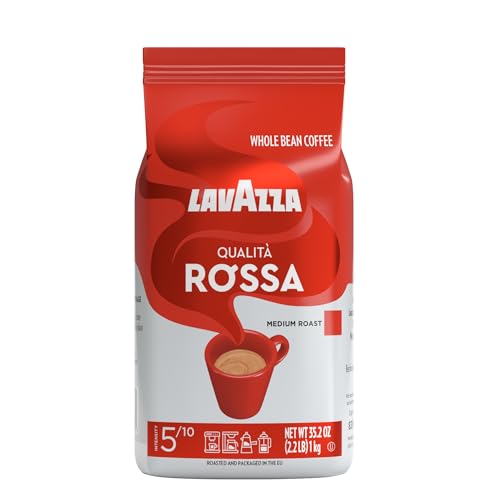
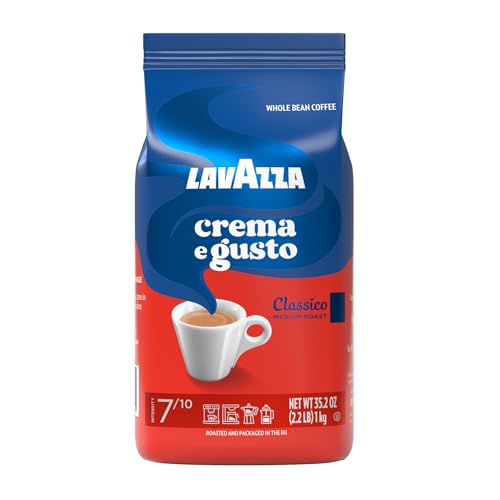
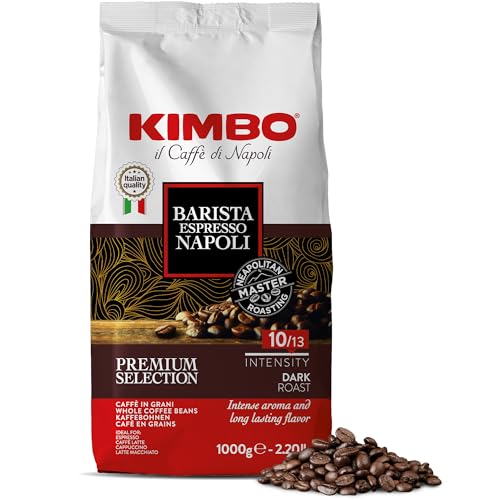
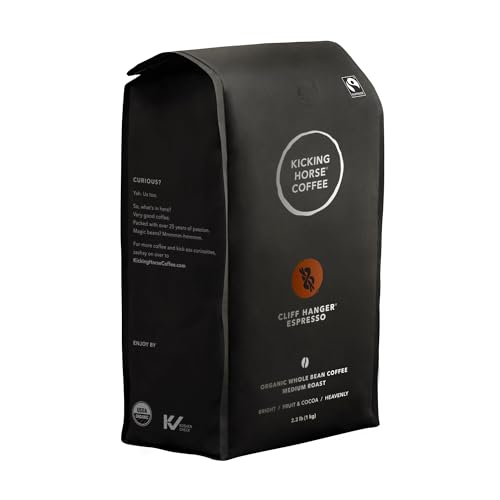


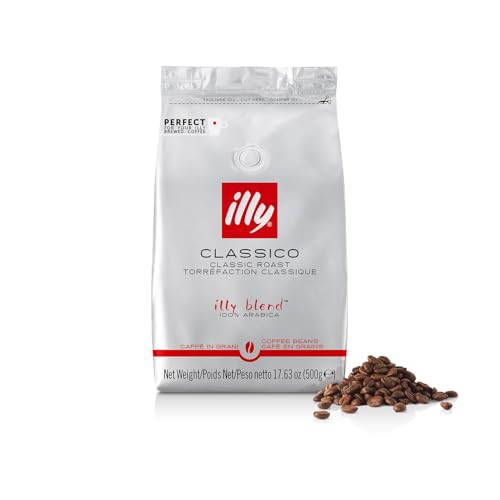

Coffee Beans for Fully Automatic Espresso Machines by Budget
These profiles describe what a sensible buy looks like at each level. Match the profile to your household first, then choose a specific bag from the product table that fits it.
The Budget Profile
The budget profile centers on a fresh house blend at around $10 to $15 per standard bag, roasted by a seller who still prints a roast date. It fits new owners and heavy daily drinkers who want a low cost per cup while learning their machine settings. Two strengths stand out: gentle pricing that forgives a few wasted shots while you dial in, and wide availability for easy reordering. The limit is depth, since budget blends aim for smooth and sweet rather than distinctive. If the roast date is missing, the low price stops being a bargain.
The Midrange Profile
The midrange profile, around $16 to $24 per bag, buys fresher roasting, clearer origin information, and more consistent bean size from bag to bag. It fits drinkers who make both straight shots and milk drinks and want to taste the difference settings make. Strengths include balanced sweetness that survives milk and a dry surface that keeps the burr grinder clean. The trade off is simply cost per month, which adds up in a household pulling four or more shots a day. For most owners, this tier is where quality and price meet.
The Premium Profile
The premium profile, around $25 to $40 per bag, pays for small lot sourcing, very recent roasting, and distinctive flavor that shows in a straight shot. It fits enthusiasts who drink espresso on its own and enjoy comparing origins across the year. Strengths include vivid aroma and a finish that lingers pleasantly. The limits are real: premium beans punish stale storage and sloppy settings, and their brightest notes vanish inside a large latte. Buy premium in small amounts, finish it fresh, and treat it as an occasional upgrade rather than a daily default if budget matters.
What Your Money Gets You at Each Price Tier
Budget Tier: What to Expect
Budget beans usually come from large blends built for consistency, with roast dates that vary by seller. Expect a medium to medium dark roast, decent sweetness, and few surprises, which is honestly fine for milk drinks and morning routines. What you give up is freshness precision and origin character. Protect yourself by buying from sellers with fast turnover, choosing smaller bags, and checking the surface for heavy oil. A budget bean bought fresh will beat a premium bean bought old almost every time.
Midrange Tier: The Sweet Spot for Most Buyers
Midrange beans add reliable roast dates, better sorting, and blends or single origins chosen for espresso rather than adapted from drip roasts. Extraction becomes more forgiving, so your machine settings stay valid from bag to bag, and the built in grinder sees fewer broken beans and less dust. This tier also tends to offer decaf options roasted with the same care, useful for evening drinks. Most fully automatic owners should start here, then step up or down once they know their taste. If you are still choosing the machine itself, our guide to the best fully automatic coffee machines covers the hardware side.
Premium Tier: When Spending More Pays Off
Spending more pays off when three conditions line up: the beans ship soon after roasting, you drink a good share of shots without milk, and your machine lets you adjust grind and dose enough to honor delicate flavors. Premium lots can taste like fruit, flowers, or toasted nuts in ways blends never will. The payoff shrinks if beans sit in a warm hopper all week, so premium buyers should store the bag sealed and fill the hopper in small amounts. Think of this tier as buying freshness and rarity, not durability.
Features Worth Paying For (and Ones to Skip)
Brewing Method and Coffee Style
Pay for beans roasted with espresso in mind, because espresso extraction is fast and intense compared with drip or pour over brewing. A bean that tastes lovely as cold brew can taste sharp and thin as a shot. Fully automatic machines also make long coffee drinks by passing more water through the puck, which suits balanced blends better than very light roasts. Skip paying extra for beans marketed mainly for methods your machine does not perform, such as coarse cold brew cuts or pod formats.
Brew Temperature and Extraction
Good espresso extraction happens with water roughly between 195 and 205 degrees Fahrenheit and pressure that supports an even flow through the puck, with 9 bars as the classic target during brewing. Beans support that process when they are fresh enough to produce a stable crema and ground evenly by the burr grinder. Very old beans extract fast and taste hollow at any setting, which no temperature control can repair. Paying for freshness, in other words, is paying for extraction quality itself.
Cleaning, Descaling, and Maintenance
Bean choice affects maintenance cost more than most owners expect. Dry surfaced beans keep the grinder and brew unit cleaner for longer, while oily beans demand more frequent wiping and can lead to professional cleaning if neglected. Descaling solution, water filters, and cleaning tablets add a modest yearly cost that belongs in your budget from the start. Some parts, like milk carafes, go in the dishwasher, which saves time. Our related guide to the best coffee beans for automatic espresso machines explains the oil issue in more depth.
Footprint and Countertop Fit
Storage space quietly shapes bean quality. A tall bag that cannot stand in your cupboard ends up folded in a warm spot near the oven, aging fast. Machines with a deep hopper tempt you to store a full bag inside, where heat and air work against you. Better practice at any tier: keep the sealed bag in a cool dark place, decant about a week of beans at a time, and note the roast date on a piece of tape on the hopper lid. Counter space spent on a good airtight canister is rarely wasted.
Features That Matter for Fully Automatic Espresso Machines
Fully automatic machines dose and grind on a fixed cycle, so beans must flow freely and resist clogging the chute. Choose whole beans of fairly uniform size, avoid sugar coated or flavored beans entirely, and treat heavy surface oil as a defect rather than a style. Programmable brew strength and a good grinder range help, but they assume beans that behave predictably. If you also brew with a separate espresso setup, the best espresso coffee machines guide shows how manual control changes bean choice.
Long Term Costs to Factor In
The bag price is only part of ownership. Add water filters, descaling solution, cleaning tablets, and the occasional replacement of milk system parts. Electricity for an espresso machine is modest per cup, but beans dominate the math: at two shots a day, moving from the budget tier to the premium tier can add the price of a nice dinner out every month. Also count waste honestly. A cheaper bean that needs frequent sink shots while you chase settings may cost more per good cup than a consistent midrange bag, and a subscription discount only helps if you finish each delivery fresh. Warranty terms on the machine, not the beans, protect the big expense, so keep proof of purchase for both.
Frequently Asked Questions
What features matter most in coffee beans for fully automatic espresso machines?
For the best coffee beans for fully automatic espresso machines, freshness, a dry surface, and uniform whole beans matter most, because the machine grinds and doses without your help. A medium roast with a printed roast date gives the most predictable extraction. Also weigh reorder reliability, since a bean you can buy consistently keeps your settings useful. One overlooked feature is bag reseal quality, which protects the last third of the bag far more than fancy origin stories do.
Can I use regular coffee in a fully automatic espresso machine?
Regular whole bean coffee works fine if it is unflavored and not heavily oiled, whatever the brand. Pre ground coffee should only go through the bypass chute in the small amount the manual allows, never into the bean hopper, where it can jam the grinder. Flavored coffee is the real exception: its coatings cling to burrs and flavor later cups for weeks, so keep it out of a fully automatic machine entirely.
What grind size works best in a fully automatic machine?
The best grind is the one that gives a steady flow and a balanced taste, usually near the middle of the machine range. Start at the default, taste, then move one step finer for sour shots or one step coarser for bitter slow shots. Change the setting only in small steps, and give each change two or three drinks before judging, because retained grounds from the prior setting mix into the first cup after an adjustment.
Is the built in grinder worth it?
For fully automatic owners, the built in grinder is the heart of the system. Grinding fresh for each drink protects aroma far better than pre ground coffee, and the integrated burr set is tuned to the brew unit. It is worth it as long as you feed it suitable beans and clean it on schedule. Skipping oily beans is the single habit that keeps a built in grinder accurate for years.
Are more expensive coffee beans really worth it?
Sometimes, and the deciding factor is freshness rather than prestige. A premium bag roasted last week can taste dramatically sweeter than a midrange bag roasted three months ago, and that gap shows in straight shots. In large milk drinks the gap narrows a lot. A sensible pattern is midrange beans for daily drinks and a small premium bag for weekends. Our comparison of the best coffee automatic espresso machines can help if you are weighing where the next upgrade dollar belongs.
The Bottom Line
Start in the midrange tier with fresh, dry surfaced whole beans, learn your machine settings on that steady base, then explore budget savings or premium lots with clear expectations. Factor filters and cleaning into the true cost, store bags sealed and cool, and compare your finalists in the product table. You can also browse the best coffee beans for espresso machines for a wider view. Chosen by tier and freshness rather than by label art, the best coffee beans for fully automatic espresso machines deliver café style drinks at home without wasted money.

