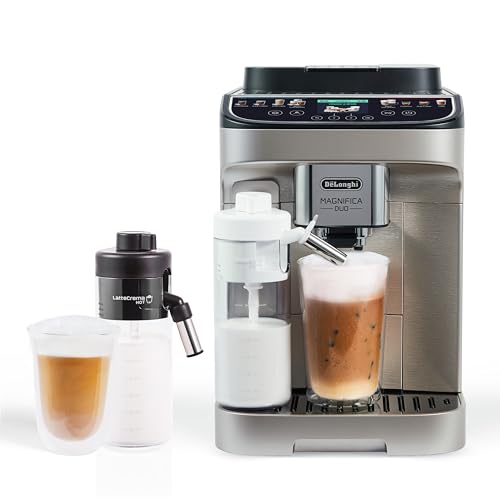
Best Automatic Coffee Machines for 2026: The Right Machine for Your Routine
Disclosure: We may earn a commission when you buy through links on this page, at no extra cost to you. As an Amazon Associate I earn from qualifying purchases. Learn more

Learn how to match the best automatic coffee machines to your routine by drink type, household size, cleaning effort, and kitchen space before you buy.
The best automatic coffee machine is not the one with the most buttons. It is the one that matches how you actually drink coffee, day after day. For buyers of best automatic coffee machines, that means thinking about household size, drink preferences, and cleaning patience before comparing models. The comparison table below outlines the choices.
A single person who drinks one black coffee each morning needs a different machine than a family that makes milk drinks all day. A large machine with a complex milk system can feel like a burden for a light user, while a tiny pod machine can frustrate a heavy user with constant refills and pod costs. Match the machine to your routine first, then compare features within that size.




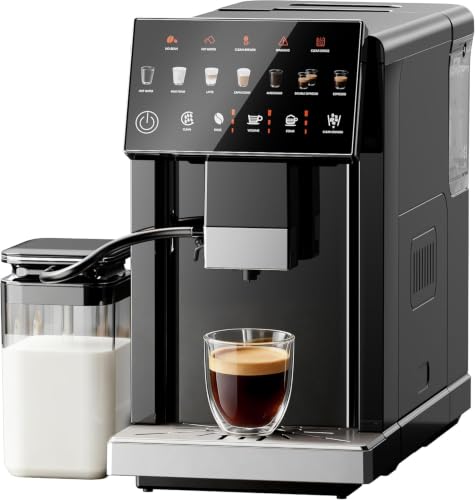

Who Should Buy This Type
Light users need simplicity, low running costs, and easy cleaning, since a complex machine will feel wasteful. Heavy users need a large water tank, a durable grinder, and fast heat up for repeated cups. Milk drink lovers should prioritise a milk system they will clean daily, while black coffee lovers should focus on grinder quality and temperature stability. Small kitchen users need careful measurement of footprint and lid clearance.
Types Compared
Compact automatic machines
Compact machines suit singles, couples, and small kitchens, with a smaller tank and simpler milk handling. They cost less and clean faster, though they need refilling more often for heavy use.
Full size bean to cup machines
Full size machines suit families and heavy users, with larger tanks, stronger grinders, and more drink options. They take more counter space and need more cleaning, but they handle repeated cups with less fuss.
Super automatic machines
Super automatic machines handle grinding, brewing, frothing, and cleaning cycles with minimal input. They suit users who want maximum convenience and are willing to pay more and follow a cleaning routine.
Key Features to Compare
Household size and tank capacity
A tank that needs refilling every morning will annoy a heavy household, while a very large tank can hold stale water for a light user. Match tank size to daily cups, and check whether the tank removes easily for filling.
Drink customisation
Strength, temperature, and milk amount controls let different household members enjoy their preferred cup. Too many settings can confuse though, so look for controls that are clear and easy to adjust.
Cleaning automation
Automatic rinsing and cleaning cycles reduce effort, but they do not remove the need for milk rinsing and descaling. Check which parts are removable and dishwasher safe, since removable parts make routine care much easier.
Footprint and height
Measure counter depth, width, and height under cabinets, including space to open lids and remove tanks. A machine that looks compact online can still be tall once the lid opens, which matters in kitchens with low cabinets.
Budget Tiers Explained
Around $90 to $220, expect a compact automatic machine that suits light to moderate use. From around $220 to $550, you can find full size bean to cup machines with better grinders and milk systems. Above that range, super automatic machines offer maximum convenience and premium build, but they still need regular cleaning and descaling.
Use the product table above to compare the options at each tier, since price alone does not show which features you actually get for the money.
Common Mistakes to Avoid
Do not buy a super automatic machine for one cup a day if a simpler machine would do, since complexity adds cleaning and cost. Do not ignore milk system cleaning, since it affects taste and hygiene within days. Do not store beans in the hopper for months, since stale beans give flat coffee. Do not place a machine where steam vents directly onto cabinets without clearance.
Setup and Everyday Care
Follow a daily routine: rinse milk parts, empty drip trays and grounds, and wipe surfaces. Descale on schedule, clean the brew group as advised, and use fresh water daily. If the machine slows, sputters, or tastes off, check cleaning, bean freshness, and water hardness before seeking repair.
Maker comparisons are in best coffee machine makers, while best coffee automatic espresso machines and best espresso coffee machines focus on espresso. For maximum automation, see best super automatic coffee machines and best fully automatic coffee machines.
Frequently Asked Questions
How do I choose between a compact and a full size machine?
Count daily cups, household members, and kitchen space. A compact machine suits one or two cups a day in a small kitchen, while a full size machine suits several cups and milk drinks daily. A compact machine used heavily will need constant refilling, while a full size machine used lightly may hold stale water and beans.
Are super automatic machines worth it?
They are worth it for households that drink milk coffee daily and want one touch convenience without learning barista skills. For black coffee drinkers or light users, a simpler machine often gives similar flavour with less cost and cleaning. Weigh convenience against cleaning routine and price before choosing.
Why does my automatic coffee taste bitter?
Bitterness can come from stale beans, too fine a grind, water that is too hot, or a dirty brew group. Try fresh beans, a slightly coarser grind, and a full cleaning cycle before changing machines. If bitterness persists after cleaning and fresh beans, check temperature settings and descaling status.
How much maintenance does an automatic machine need?
Daily maintenance includes milk rinsing and emptying trays and grounds, while weekly tasks include wiping and checking parts. Descaling happens every one to three months depending on water hardness and use. A machine with removable, washable parts makes this routine much easier to maintain.
Can automatic machines use pre ground coffee?
Many bean to cup machines include a bypass for pre ground coffee, which is useful for decaf or a guest preference. Check whether your model offers this feature, since not all do. Use fresh pre ground coffee in small amounts, since it loses flavour faster than whole beans.
If your household drinks at different times, agree on a simple routine for refilling water and emptying grounds so the machine is ready for the next person. A shared routine keeps taste consistent, avoids morning delays, and spreads the small cleaning tasks fairly across everyone who enjoys the coffee.
Final Thoughts
Choosing well comes down to matching the product to your space, your routine, and your budget, rather than chasing the longest feature list. Review the product table above once more, note the features that matter most for your own use, and let those priorities guide your final choice. The right option is the one you will use comfortably every day, not the one that looks best on paper.
For most buyers, best automatic coffee machines is a decision worth taking slowly: measure, compare, and check care needs before you buy.