
Best Beans for Espresso Machines: Roast, Freshness and Blends for 2026
Disclosure: We may earn a commission when you buy through links on this page, at no extra cost to you. As an Amazon Associate I earn from qualifying purchases. Learn more

Best beans for espresso machines compared by roast, freshness and blend type, with grind and storage tips for balanced shots at home.
The best beans for espresso machines are not simply the darkest or the most expensive. Espresso pushes hot water through finely ground coffee in about 25 to 30 seconds, so it magnifies everything about a bean: how fresh it is, how it was roasted and how well it matches your grinder. A bean that tastes lovely as filter coffee can come out sharp or thin as a shot.
This guide explains how to read roast level, freshness and blend type, so you can pick bags from the product table above that suit your machine and your taste, and pull balanced shots at home.


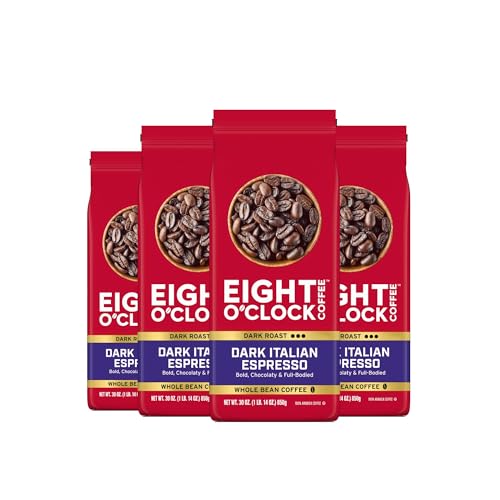
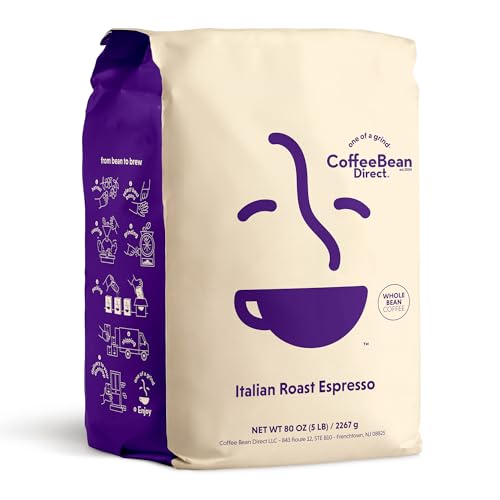


What Makes Beans Suited to Espresso
Espresso beans are not a separate species. They are ordinary coffee beans, usually arabica or an arabica and robusta blend, roasted to give sweetness, body and a lasting crema. Roasters often choose medium to medium-dark roasts for espresso because they develop sugars and soften the sharp acidity that shows up under pressure. Light roasts can taste sour in espresso unless you have a precise grinder and a hot machine. Very dark roasts taste smoky and bitter, and their oils can clog a grinder.
Freshness matters just as much. Beans taste best from about one week to about six weeks after the roast date, then fade. Choose bags that print a roast date, not just a best-before date, and buy smaller bags more often rather than a huge pack that sits open for months.
Roast Level Compared
| Roast | Typical Taste in Espresso | Best For | Watch Out For |
|---|---|---|---|
| Light | Bright, fruity, high acidity | Straight shots with a good grinder | Sourness if the grind or temperature is off |
| Medium | Balanced, sweet, chocolate and caramel | Most home machines, milk drinks | Few downsides, a safe start |
| Medium-dark | Rich, heavy body, low acidity | Lattes, cappuccinos | Some bitterness if over-extracted |
| Dark | Smoky, bold, bitter | Traditional Italian-style shots | Oily beans can clog grinders |
Blend or Single Origin
Espresso blends combine beans from several origins to build balance and crema, and they stay consistent from bag to bag. That makes them a reliable choice for milk drinks and for newer machine owners. Single origin beans highlight the character of one farm or region, such as fruity Ethiopian or nutty Brazilian coffee, and suit people who drink straight espresso and enjoy flavor differences. A single origin may need more careful grinder adjustment.
Robusta adds crema and caffeine, and many classic Italian blends use a small share of it. Pure arabica blends tend to taste sweeter and more refined. Neither is wrong, so match the choice to the flavor you like.
Matching Beans to Your Machine
A semi-automatic machine with a portafilter rewards careful grinding and fresher beans, while a bean-to-cup machine works best with medium roasts that are not too oily. For fully automatic models, see the advice in the guide to the best beans for superautomatic espresso machines. Machines that take beans in a hopper should use whole beans only, never flavored or heavily oiled coffee, which leaves residue in the grinder path.
Your grinder matters as much as the beans. Espresso needs a fine, even grind that you can adjust in small steps. If shots run fast and taste sour, grind finer. If they run slowly and taste bitter, grind coarser. Change one thing at a time, and keep dose and tamp pressure steady while you adjust.
How to Read a Coffee Bag
Check four things before you buy. First, a roast date within the past month. Second, whole beans in a resealable bag with a one-way valve. Third, the roast level and tasting notes, which tell you whether the bag leans chocolatey, nutty or fruity. Fourth, the quantity: a two-pound bag is economical if you drink several shots a day, but a one-pound bag stays fresher for lighter use.
Price varies a lot. Supermarket-style espresso roasts cost about $10 to $15 per pound, specialty roaster bags run about $15 to $25, and rare single origins cost more. Higher prices often reflect roaster care and traceability rather than a guaranteed better cup, so taste before you commit to large bags.
Storing and Using Your Beans
Keep beans in an airtight container or their original valve bag, away from light, heat and moisture. A cabinet near the machine is better than the freezer for daily use, because repeated thawing adds moisture. Grind just before each shot, since ground coffee loses aroma within minutes. Fill the hopper with only a few days of beans, and clean the hopper and grinder every few weeks, especially with oily dark roasts.
Keep a short tasting note for each bag, with roast date, grind setting and dose. Notes make it easy to repeat a great shot and avoid repeating a poor one.
Common Mistakes to Avoid
- Buying beans without a roast date, then pulling shots from stale coffee.
- Choosing the darkest roast for strength when medium gives more sweetness.
- Judging a bag after one shot at the wrong grind setting.
- Storing beans in a clear jar on a sunny counter.
- Using flavored or very oily beans in a grinder that is hard to clean.
Related Guides
Pair your beans with the right machine in our guide to the best espresso coffee machines. For more bean advice, see the best coffee beans for espresso machines, the best espresso beans for automatic machines and the best espresso beans for jura machines.
Frequently Asked Questions
What roast is best for espresso?
Medium to medium-dark roasts suit most home espresso because they balance sweetness and body without excessive bitterness. Very light roasts can taste sharp, while very dark roasts can taste burnt.
How fresh should espresso beans be?
Beans taste best within a few weeks of roasting, and flavor fades after opening, so buy smaller bags more often. A roast date on the bag is more useful than a long best-before date.
Should I choose a blend or a single origin?
Blends offer consistency and balance for milk drinks, while single origins offer distinct flavors for straight espresso. Start with a blend, then explore single origins once your technique is steady.
Do oily beans harm my grinder?
Very oily beans can clog grinders and need more frequent cleaning, so check your grinder guidance. Medium roasts usually give a good balance of flavor and easy maintenance.
How much coffee should I use per shot?
Dose depends on your basket size and taste, so start with the basket guidance and adjust in small steps. Weighing dose and output gives more consistent results than scoops alone.
Final Thoughts
Start with a fresh medium roast blend, grind it fine and even, and adjust one variable at a time. The best beans for espresso machines are the ones that taste balanced in your cup, so use the product table above to try a few fresh bags and keep notes on what works.


