
Best Coffee Beans for Automatic Coffee Machines Made Simple: A Clear Buying Guide for 2026
Disclosure: We may earn a commission when you buy through links on this page, at no extra cost to you. As an Amazon Associate I earn from qualifying purchases. Learn more
Learn how to choose the best coffee beans for automatic coffee machines, with plain guidance on roast level, freshness, oil, grind, and storage.
Buying coffee beans for the first time can feel confusing, because bags promise everything from chocolate notes to mountain origins without explaining what your machine actually needs. This guide starts with the basics and builds step by step, so you can choose the best coffee beans for automatic coffee machines with confidence. You will learn how roast level, freshness, and surface oil affect both flavor and the health of your built in grinder.
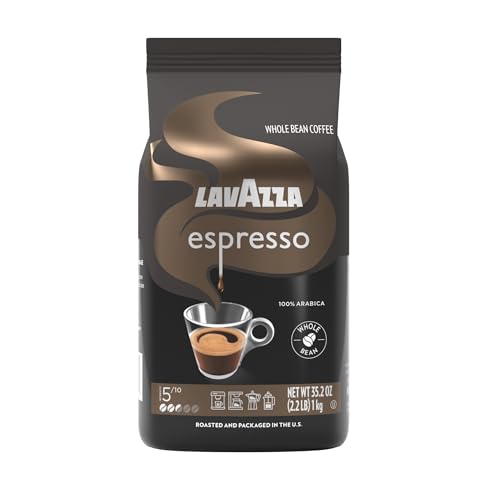
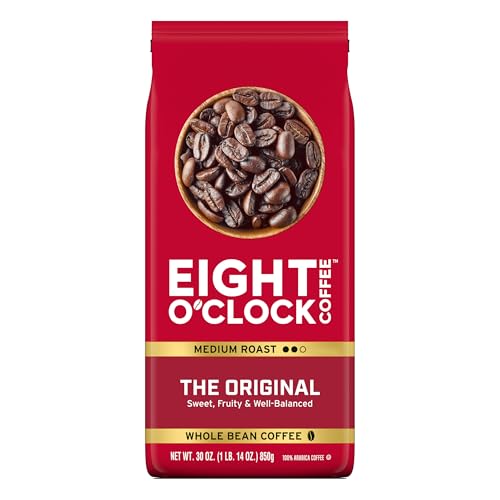
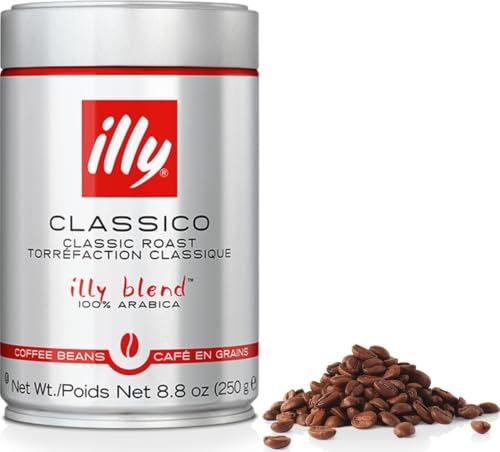
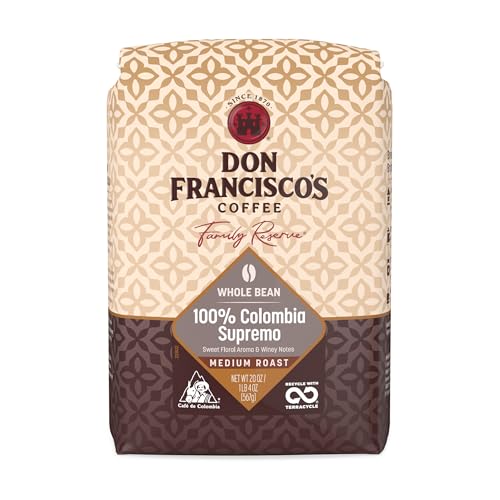
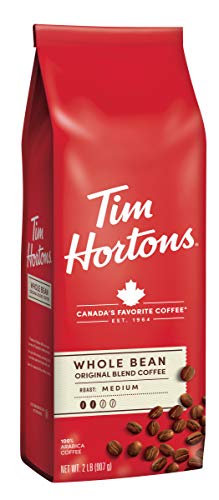
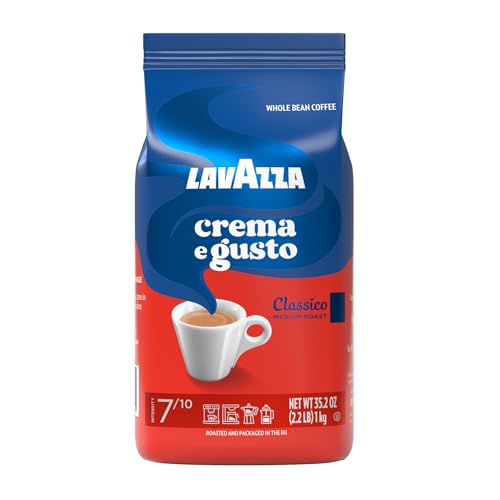
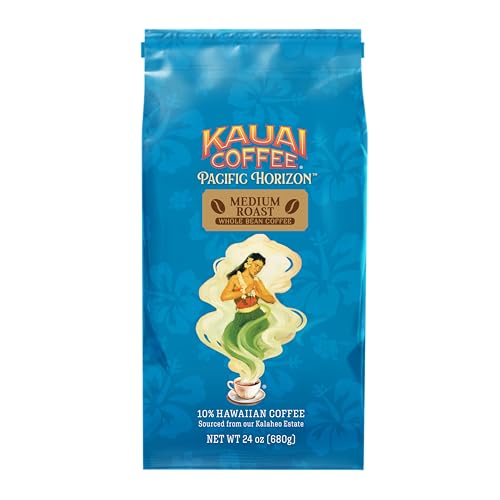
Automatic machines grind, dose, and brew with little input from you, which makes the beans themselves the biggest variable in the cup. Use the product table to compare roast styles and bag sizes, then read on for the plain English details that help you avoid a bitter first month of coffee.


Coffee Beans for Automatic Coffee Machines: The Basics
A coffee bean is the seed of a coffee cherry, dried and roasted until it develops the flavors you taste in the cup. Roasting turns the raw green seed brown and creates hundreds of aroma compounds, which is why fresh roasted beans smell so much stronger than stale ones. Once roasted, beans slowly release gas and lose aroma, so time matters from the day the bag leaves the roaster.
Three terms unlock most bag labels. Roast level describes how dark the beans went, from light and bright to dark and smoky. Origin tells you where the beans grew, either a single farm region or a blend from several places. The roast date tells you when the beans were roasted, and it matters far more than a distant best by date. For an automatic machine, you also care about surface oil, because very oily dark beans can coat the burr grinder and clog the brew path over time.
Key Specs Explained in Plain English
Features That Matter for Automatic Coffee Machines
Automatic machines need beans that flow smoothly through the hopper and grind evenly in the built in burr grinder. Choose beans with a dry or lightly satin surface, usually light to medium roasts, and avoid heavily oiled dark roasts for daily use. Freshness matters because stale beans produce thin flavor even when the machine works perfectly. If your machine also serves as one of the best automatic coffee machines with adjustable dose, you gain some room to correct a slightly weak cup, but no setting can rescue old beans.
Brewing Method and Coffee Style
Your machine style shapes which beans shine. Drip style automatics favor balanced medium roasts that taste sweet without sharp acidity. Espresso focused machines concentrate flavor, so they reward fresh beans with natural sweetness and punish stale or overly dark roasts quickly. Single serve pod machines use sealed portions instead of whole beans, so they sit outside this guide. Pour over and cold brew methods use manual control and coarser grinds, which automatic machines rarely offer. Match the bag to the drink you actually make most mornings, not the drink you imagine making on weekends.
Programmable Features and Controls
Controls on your machine change how beans taste, so learn the few that matter. Brew strength settings adjust how much coffee the machine doses or how slowly water passes through the grounds, letting you strengthen a mild bean without buying a darker roast. A programmable timer starts brewing before you wake, which is lovely, but ground coffee sitting overnight loses aroma, so whole bean machines that grind on demand handle timers better. Auto shut off saves power and protects the heating element. If your machine offers temperature control, small changes can soften a bright bean or lift a dull one.
Footprint and Countertop Fit
Beans may seem separate from machine size, but storage and access connect them. A bean hopper that sits under low cabinets can be hard to refill, which tempts people to leave beans sitting in the hopper for weeks. Beans age faster in a warm open hopper than in a sealed bag, so only fill what you will use in about a week. Keep bag storage near the machine but away from oven heat and sunlight. A removable water tank also matters, because easy refilling encourages the fresh water that good beans deserve.
Milk Frothing Options
If you drink lattes and cappuccinos, choose beans with enough body to taste like coffee through milk. Medium roasts with chocolate and nut notes usually hold up well, while very light roasts can taste sour or disappear in a large milky drink. Machines with an automatic frother sweeten milk slightly as they heat it, which softens bitterness and lets a brighter bean work. A steam wand gives you more control but needs practice. Readers comparing milk focused setups may also look at the best bean coffee machines to see how frothing systems differ.
Brew Temperature and Extraction
Extraction is simply how much flavor water pulls from the grounds. Water that is too cool, below about 195 degrees Fahrenheit, under extracts and tastes sour and thin. Water near 205 degrees can over extract a dark roast and taste harsh. Most automatic machines manage temperature internally, so your job is to give them a fair chance: use fresh beans, let the machine warm up fully, and run a rinse cycle if it offers one. For espresso style machines, steady pressure around 9 bars during extraction supports a balanced shot.
Rookie Mistakes to Avoid
- Buying the biggest bag on sale. Beans stale long before a huge bag runs out in a small household, so a smaller fresh bag beats a bargain you drink for two months.
- Choosing very oily dark beans for daily use. Oil coats the grinder and brew unit, leading to clogs, uneven grinding, and costly cleaning.
- Storing beans in the fridge or freezer in an opened bag. Moisture and food odors damage flavor, and repeated opening invites condensation.
- Changing beans and settings at the same time. You cannot tell what helped, so adjust one thing, taste, then adjust again.
- Ignoring the roast date. A bag roasted months ago will taste flat no matter how good the machine or the origin story sounds.
Getting Started: Setup and First Use
Start by washing the water tank and running one or two plain water cycles to clear any residue from the new machine. Fill the tank with filtered water to protect flavor and reduce scale buildup inside the boiler. Add a modest amount of beans to the hopper rather than filling it to the top. Brew a first cup at the default settings and taste it before changing anything, since that baseline tells you whether to strengthen or soften the next cup. Descale every one to three months depending on water hardness, following the machine manual, because scale slowly ruins both temperature stability and taste.
Keep a simple note on your phone for the first few bags: bean name, roast date, and the setting you liked. That small habit replaces guesswork with your own taste record. If you are still comparing machine styles, the overview of the best coffee machine makers explains how major makers differ in cleaning routines and spare parts.
Coffee Beans: Your Questions Answered
What features matter most in coffee beans for automatic coffee machines?
When you shop for the best coffee beans for automatic coffee machines, the features that matter most are freshness, a dry surface with little visible oil, and a roast level your machine grinds evenly. Start with a medium roast roasted within the last few weeks. Also check that the bag lists a roast date rather than only a best by date, and choose whole beans rather than pre ground coffee so the machine can grind fresh for each cup.
What grind size works best for coffee beans in an automatic machine?
Your automatic machine sets the grind size internally, and the best setting is usually near the middle of its range. Finer grinds extract more and can taste bitter or slow the flow, while coarser grinds taste weak and watery. Change the setting by one step at a time, and only while the grinder runs if the manual advises it. Taste two or three cups before judging, because the first cup still contains grounds from the old setting.
How long do coffee beans usually last?
Whole roasted beans taste best about one to four weeks after the roast date. After opening, aim to finish the bag within about two to three weeks, storing it sealed and away from light. Beans remain safe to brew for much longer, but aroma fades steadily and cups turn flat and woody. Ground coffee stales within days, which is why whole beans plus a built in grinder protect flavor so well.
Are more expensive coffee beans really worth it?
A more expensive bean is worth it when the extra money buys freshness and careful roasting, not just fancy packaging. Fresh beans from a roaster who prints roast dates usually taste clearly sweeter than cheap stale beans. Beyond a moderate price, gains shrink and personal taste takes over. A useful test is to buy two small bags at different prices in the same week and compare them at identical settings.
Can I use regular grocery store coffee in an automatic coffee machine?
You can use regular whole bean coffee from a grocery store, as long as it is not heavily oiled or flavored. Flavored beans coat the grinder with sugars and oils that are hard to clean and can taint later cups. Pre ground coffee only belongs in the bypass chute if your machine has one, and only in the small amount the manual allows. Never pour ground coffee into the bean hopper.
How often should I descale my automatic coffee machine?
Descale the machine, rather than the beans, every one to three months depending on your water hardness and how often you brew. Hard water areas need the shorter interval. Many machines track water use and display a descaling alert, which you should follow promptly. Using filtered water stretches the interval and protects flavor at the same time, a double win for a small daily habit.
Our Verdict
For most first time buyers, the winning formula is simple: fresh whole beans, a medium roast with a mostly dry surface, and a bag size you finish within a few weeks. Learn your strength and grind controls one change at a time, keep up with descaling, and store beans sealed away from heat. Compare your shortlist in the product table, and explore the best coffee beans for automatic espresso machines or the best espresso coffee machines guides if your drinks lean that way. Chosen with these basics in mind, the best coffee beans for automatic coffee machines make your mornings taste planned rather than accidental.

