
Best Code Reader Scanner by Budget: Smart Picks for 2026
Disclosure: We may earn a commission when you buy through links on this page, at no extra cost to you. As an Amazon Associate I earn from qualifying purchases. Learn more

Compare the best code reader scanner at every price point. Learn what you get at budget, midrange, and premium levels and where spending more pays off.
A check engine light can mean anything from a loose gas cap to a failing sensor, and the tool you buy decides how much of that story you actually see. Prices for a best code reader scanner range from pocket money to professional gear money, and the gap between tiers is mostly about depth of data rather than basic accuracy. This guide breaks down what each budget level really buys you, so you can match the tool to the cars in your driveway and the work you plan to do.
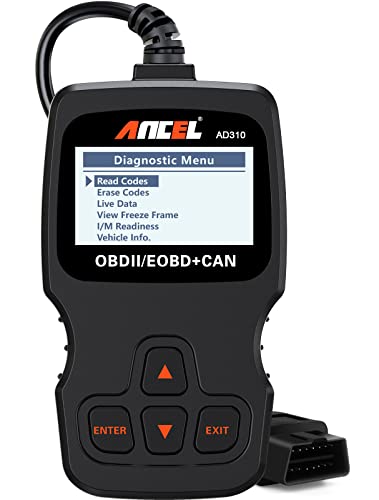
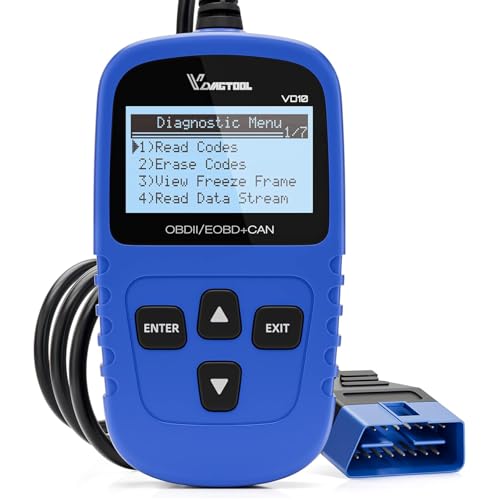
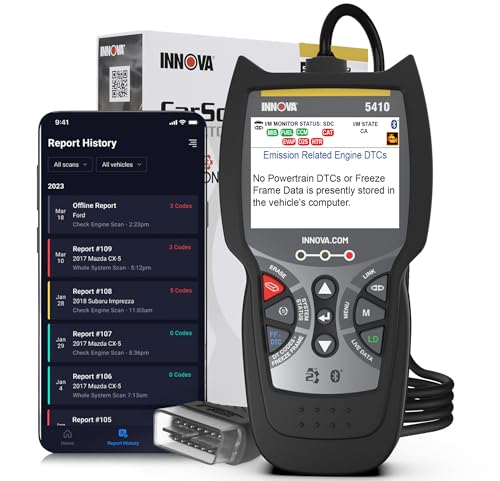
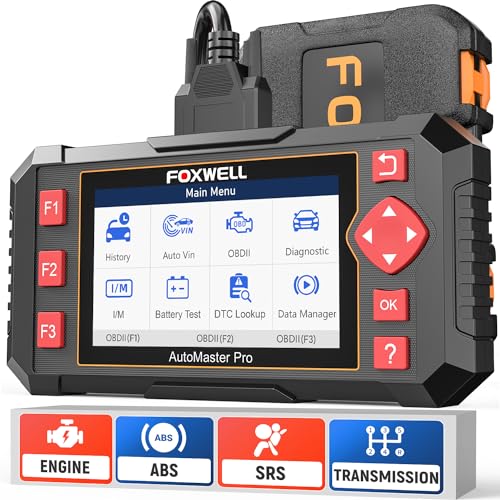
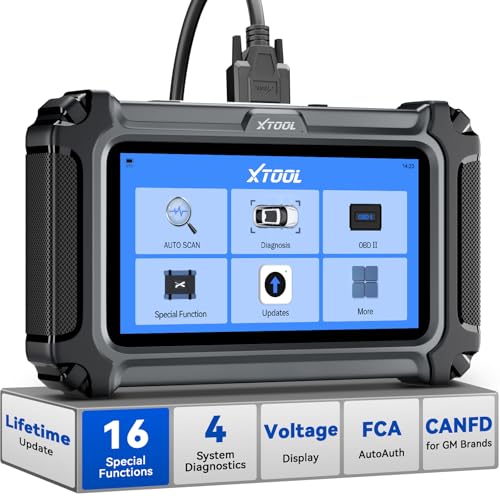
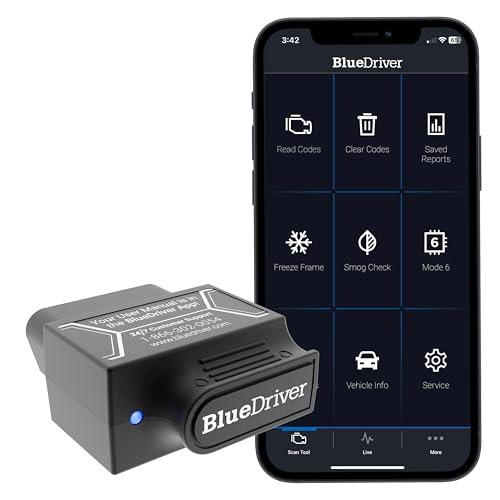
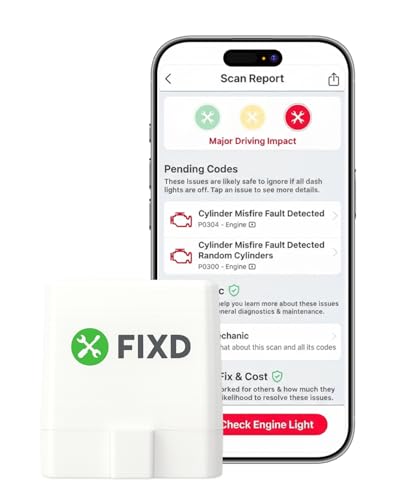
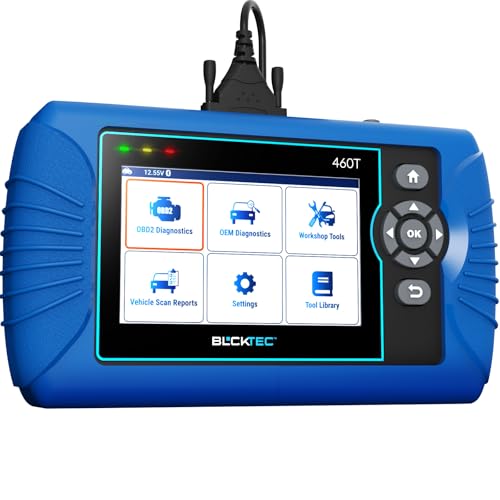
Every tier reads and clears standard engine codes, so the real questions are about live data, extra systems, and ease of use. The product table below lists scanners across the price range, and the sections that follow explain the differences between tiers.


Who Should Buy at Each Budget Level
The right budget depends less on your car and more on what you will do with the answer the tool gives you. The three groups below cover nearly every buyer, and each one points to a sensible spending range.
Drivers Who Only Need Answers About a Warning Light
If your goal is to find out why the check engine light came on and whether the car is safe to drive this week, a basic reader is enough. These tools show the code and a short plain language definition, then let you clear the code after a repair. If you only need the basics, see our guide to the best code reader for a simpler look at entry level tools. Expect to spend little and skip features you will never open.
Home Mechanics Who Diagnose Before They Wrench
If you replace your own sensors, brakes, and belts, you need live data, freeze frame snapshots, and readiness monitors so you can confirm a fault before buying parts. Shoppers comparing naming styles will also find our guide to the best code scanner useful, since sellers use reader and scanner almost interchangeably. Plan on a mid priced tool for this level of insight.
Serious DIYers and Small Shop Owners
If you work on several cars, help friends and family, or run a small repair side business, premium options start to earn their price. Pro grade options add coverage for ABS, airbag, and transmission systems, plus bidirectional control for active component testing. Readers who service many makes should also see our guide to the best auto code reader scanner for broader shop focused coverage. Budgets here run higher, and the price rises with system coverage.
What Your Money Gets You at Each Price Tier
When you compare models of the best code reader scanner in the product table above, you will notice that code reading itself barely changes across tiers. What changes is how much supporting information surrounds each code and how many vehicle systems the tool can talk to. Here is how the three tiers break down in practice.
Budget Tier: What to Expect
Budget tools read and clear generic engine codes, display the code definition on a small screen, and often include emissions readiness status with simple red, yellow, and green indicators. That readiness display is genuinely useful before a state inspection, since it shows whether the car has completed its self checks. The tradeoffs are slow refresh rates, tiny buttons, and code definitions that cover only the most common faults. For one older car and occasional lights, those limits rarely matter.
Midrange Tier: Where Most Buyers Land
Midrange tools add a color screen, live sensor data with graphing, freeze frame records, and coverage for ABS and airbag systems on many makes. Graphing matters more than it sounds, because a sensor that drifts slowly out of range looks fine as a single number but tells the truth as a line. You also tend to get free software updates and a sturdier cable at this level. For most home mechanics, this tier answers nearly every question a driveway repair can raise.
Premium Tier: When Spending More Pays Off
Premium tools widen vehicle compatibility to include manufacturer specific codes for many brands, add bidirectional tests, and offer guided functions such as electronic parking brake retraction or battery registration on supported models. The honest caveat is that advanced functions always depend on the exact vehicle, so a premium price buys broader coverage, never a guarantee for your specific car.
Features Worth Paying For, and Ones to Skip
Feature lists on scanner boxes mix real diagnostic value with filler borrowed from other tools. The sections below sort the claims that matter for an OBD2 scan tool from the ones you can safely ignore, so your money goes toward data you will actually use.
Live Data, Graphing, and Freeze Frame
These three features do the heavy diagnostic lifting. Live data streams real time values from sensors such as coolant temperature, fuel trim, and throttle position while the engine runs. Freeze frame saves a snapshot of those values from the moment a fault code was set, which shows the conditions that triggered it. Graphing plots values over time so you can spot dropouts and slow drift. If you pay extra for only one upgrade, make it this group.
Vehicle Compatibility and OBD2 Protocols
Every gasoline car sold in the United States since 1996 uses OBD2, and modern scanners speak all five standard protocols, so basic engine codes work almost universally. The catch is deeper coverage, because ABS, airbag, and manufacturer specific codes vary by brand and even by model year range. Before ordering, check the maker coverage list against every vehicle you own. For a broader look at matching tools to vehicles, see our guide to the best vehicle code reader and its compatibility notes.
Plug and Play Setup and Screen Quality
A good scanner is plug and play in the truest sense: you connect it to the port under the dash, turn the key, and read the menu without installing anything. Where models differ is screen size, button layout, and how clearly definitions are written. A larger screen earns its keep when you graph two sensors at once in bright daylight. Bluetooth dongle styles skip the screen and rely on a phone app instead, so decide which style fits your habits.
Warranty and Brand Support
Support quality separates brands more than hardware does at the same price. Look for at least a one year warranty, software updates that do not require a paid subscription for basic use, and a support channel that answers compatibility questions before you buy. A brand with a real support library for code definitions and update files will save you hours of searching forums later.
Common Mistakes to Avoid
- Clearing a code before recording it, which erases the freeze frame evidence that helps find the actual fault.
- Replacing the part named by a code without further checks, since a code points to a circuit or condition rather than a guilty part.
- Assuming premium coverage works on your exact car, which leads to disappointment when brand specific functions exclude your model year.
- Clearing codes right before an emissions inspection, because readiness monitors reset and the car will fail until drive cycles complete.
- Ignoring warning lights for brakes, oil pressure, or overheating while trusting the scanner, since those problems need a mechanic right away rather than a code reading.
- Buying a Bluetooth dongle without checking the app, because some apps lock basic graphs and definitions behind a subscription.
Long Term Costs to Factor In
The purchase price is only part of what a scanner costs over its life. Some brands charge annual subscription fees, often a yearly fee, to keep advanced functions or the newest vehicle coverage active, while others include updates free for the life of the tool. Budget styles with no update path may need full replacement when you buy a newer car, which can make a cheap tool the expensive choice across two vehicles. When comparing long term value across reader styles, our guide to the best car code readers lays out which models favor free updates. Also factor in small extras such as a storage case and an extension cable for hard to reach ports.
How to Make Your Code Reader Scanner Last Longer
A scanner has no moving parts, so its lifespan mostly depends on how you store and handle it. Keep the tool in its case in a cool, dry spot rather than loose in a hot trunk, where summer heat ages the screen. Coil the cable loosely instead of wrapping it tightly around the unit, since repeated sharp bends break the fine wires inside. Wipe the connector pins with a dry cloth if readings turn flaky, and install updates while the tool is charged or plugged in so a power loss cannot interrupt the process. Finally, pull the connector straight out by its plug rather than yanking the cable, which keeps the port pins on both the tool and the car in good shape.
Frequently Asked Questions
How long does a code reader scanner last?
A code reader scanner usually lasts many years because it has no wear parts and draws little power in use. The most common failure points are a frayed cable, a faded screen after years of heat exposure in a parked car, and software that stops covering newer vehicles. Storing the tool indoors and keeping its software current stretches its useful life well past the point where a cheap case or cable would give out first.
Which specs matter most on a code reader scanner?
The specs that matter most are system coverage, live data refresh speed, and update policy, in that order for most buyers. Coverage decides whether the tool can read the ABS or airbag fault you actually have. Refresh speed decides whether live data looks smooth or jumps in steps. One point buyers miss is screen readability in sunlight, which never appears on spec sheets but shapes every session under an open hood on a bright day.
Does a code reader scanner need professional installation?
No, a code reader scanner needs no professional installation at all, because the OBD2 port is designed for tool free access. The port sits under the dashboard on the driver side, usually within reach of the steering column, and the connector only fits one way. First time users sometimes struggle simply to find the port on an unfamiliar car, and a quick look at the owner manual or a flashlight check under the dash solves that in minutes.
Will a code reader scanner work with my vehicle?
A code reader scanner will read standard engine codes on any gasoline vehicle built for OBD2, and on most diesel trucks as well, though heavy duty diesels follow a different standard. Deeper functions are the variable part, since each brand publishes its own list of supported makes and model years for ABS, airbag, and service functions. Electric vehicles are the main exception, as many lack a standard engine code system, so confirm EV support explicitly before buying for one.
Can a code reader scanner fix the problem it finds?
No, a code reader scanner only reports what the vehicle computers have detected, and clearing a code never repairs the underlying fault. The light will return as soon as the car runs the same self test and finds the same problem. Think of the tool as a translator that tells you where to look, after which the fix is still a part, a wire repair, or a mechanic visit. Its real value is helping you have an informed conversation wherever the repair happens.
Final Thoughts
Choosing well comes down to three questions: which systems you need to read, whether live data will guide your repairs, and how the update policy treats you over the years you own the tool. Budget readers answer warning lights honestly, midrange tools serve most home mechanics for a decade, and premium tiers pay off only when their wider coverage matches your garage. Whichever level fits, the best code reader scanner for you is the one whose coverage list names your vehicles, so compare your shortlist against the product table above and buy with confidence.

