
Best Car Code Readers: A Practical Checklist for 2026
Disclosure: We may earn a commission when you buy through links on this page, at no extra cost to you. As an Amazon Associate I earn from qualifying purchases. Learn more

A practical guide to car code readers, covering basic, Bluetooth, and professional models, compatibility, live data, and when to see a mechanic.
A code reader turns a worrying dashboard light into useful information, and best car code readers shoppers often wonder how much capability they really need. The comparison table below gives you a quick overview, and this guide works through a practical checklist. The right reader is one you can use confidently at home, without needing a workshop manual to understand the result.



How Car Code Readers Work
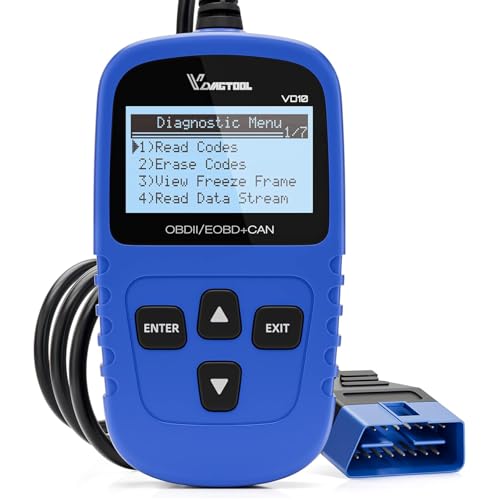
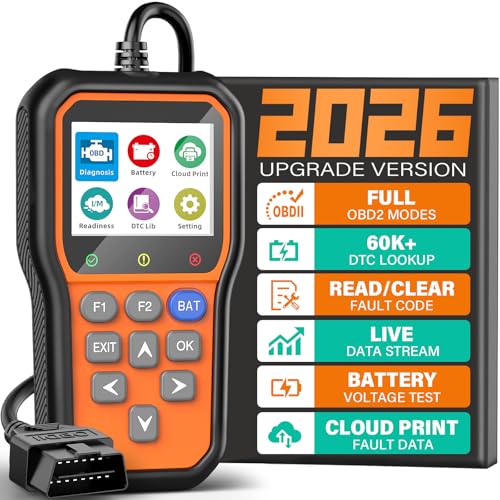
Modern cars store fault codes when a system detects a problem. A code reader plugs into the diagnostic port, usually under the dashboard, and reads those codes. Basic readers show the code and a short description, while more advanced models show live data from sensors and let you clear codes after a repair.
A code points to a system, not always to a single faulty part. For example, a code for an oxygen sensor circuit could mean the sensor, the wiring, or an exhaust leak. Use the code as a starting point for diagnosis, not as a final answer.
Types of Code Readers Compared
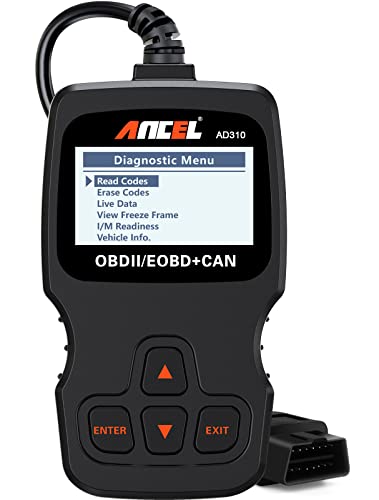
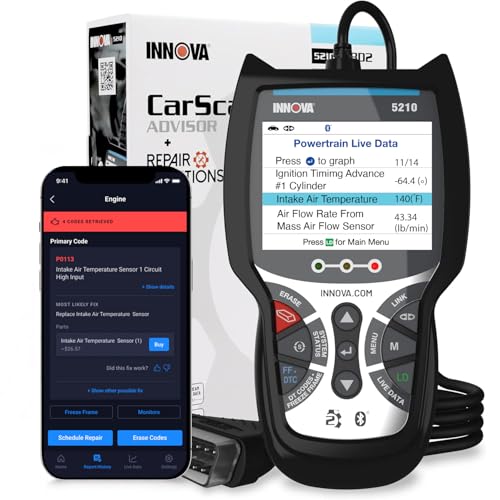
Basic handheld readers are simple and affordable, and they suit drivers who want to check a warning light and decide whether to visit a mechanic. Bluetooth adapters pair with a phone app and offer more detail, graphs, and code libraries at a modest price. Professional grade tools offer deep system coverage, but they cost more and suit enthusiasts or small workshops.
Choose based on how often you will use the reader and how comfortable you are with car systems. A casual driver benefits from simplicity, while a keen home mechanic benefits from live data and broader coverage.
Compatibility and Vehicle Coverage
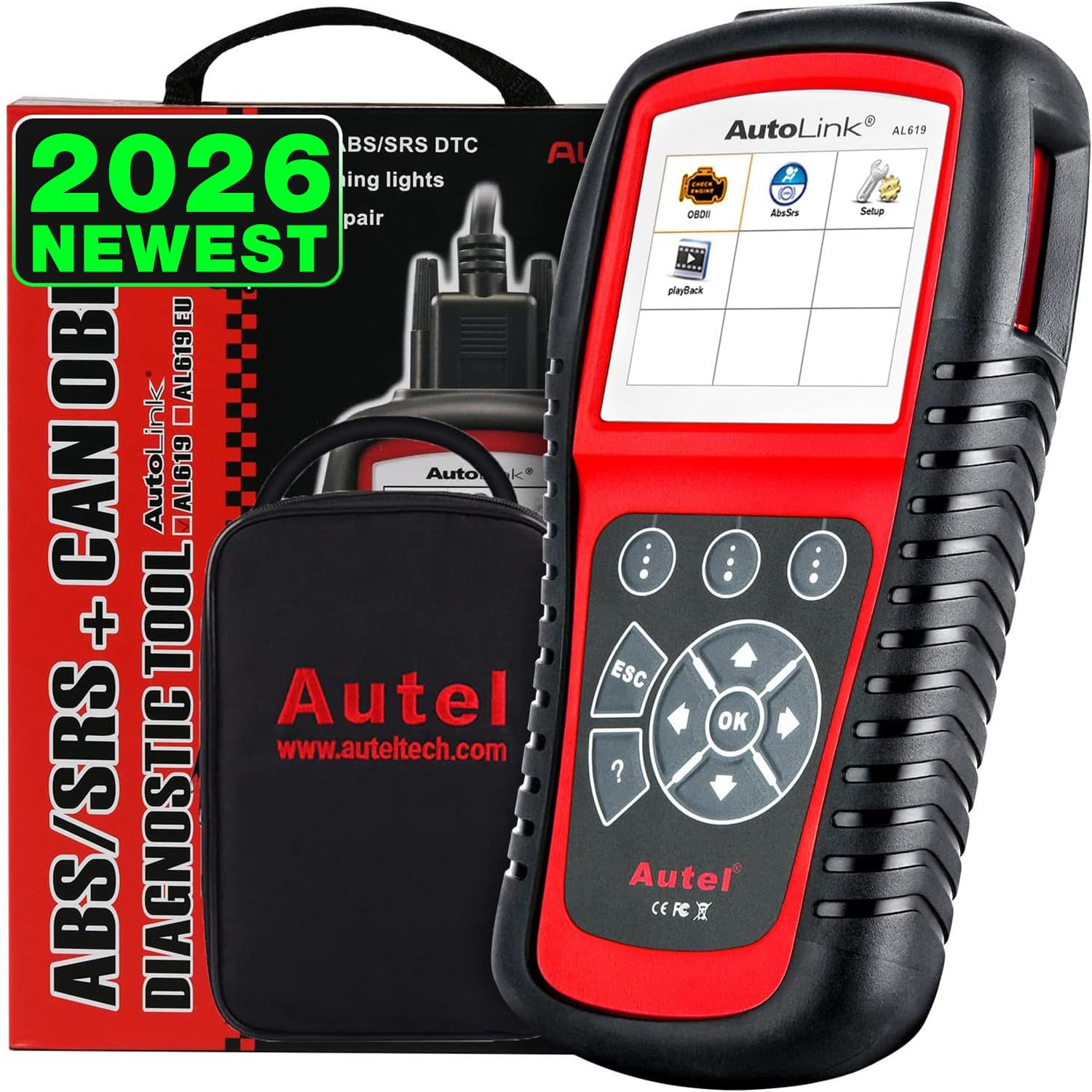
Most gasoline cars from the mid nineteen nineties onward and diesel cars from the mid 2000s onward use a standard diagnostic port, but coverage varies by maker and model. Check that the reader supports your car year, make, and model before you buy. Some readers cover engine codes only, while others also read transmission, ABS, and airbag systems.
If you own more than one car, check coverage for all of them. A reader that works well on one brand may offer limited coverage on another. Reading the coverage list carefully avoids disappointment after purchase.
Key Features Worth Checking
Live data lets you watch sensor readings while the engine runs, which helps diagnose intermittent problems. Freeze frame data shows conditions when a code was set, such as engine temperature and speed. A code library in plain language helps you understand results without searching the internet for every code.
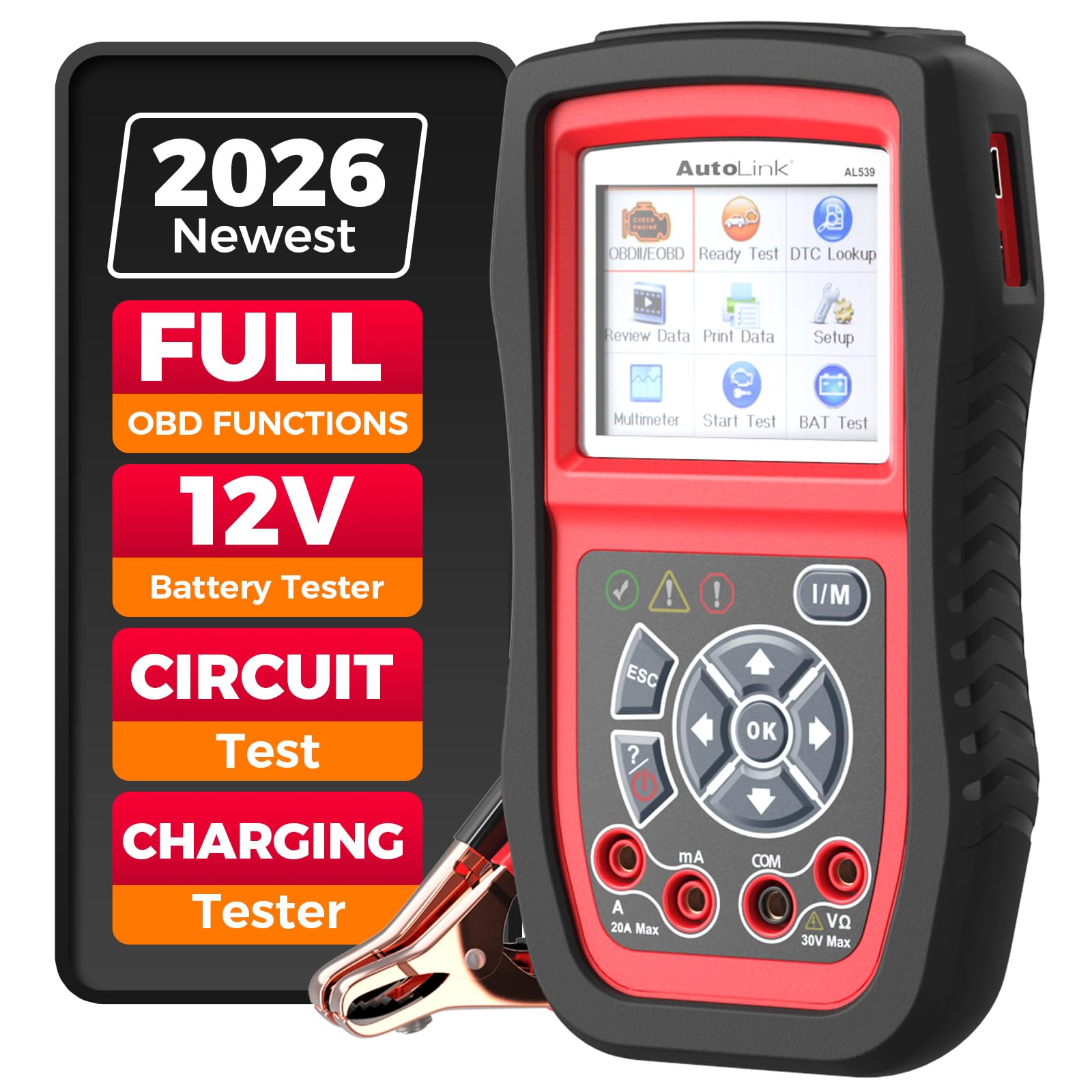
Other useful features include the ability to clear codes, test readiness for emissions checks, and record data for later review. A clear screen and simple menus matter too, especially when you are working in a garage or driveway.
Using a Code Reader Safely
Read the instructions before you plug in the reader, and do not clear codes until you understand them. Clearing a code without fixing the cause only hides the problem, and it can erase data a mechanic needs. Note the codes and any symptoms before you clear anything.
Never work on a running engine in an enclosed space, and keep hands and tools clear of moving parts. If a code relates to brakes, steering, or airbags, seek professional advice promptly rather than driving on and hoping the problem goes away.
When to See a Mechanic
A code reader helps you decide, but it does not replace a mechanic for serious problems. Seek professional help promptly for flashing warning lights, loss of power, strange noises, fluid leaks, or any safety system warning. A mechanic has deeper tools and experience to trace a fault to its cause.
For minor issues, a code reader can save a diagnostic fee and help you discuss the problem knowledgeably with a workshop. The product table above can help you compare the shortlist before you buy.
Related Guides to Explore
If you want a narrower comparison, our guide to the best car diagnostic code reader looks at deeper diagnostic functions, and our guides to the best code reader, best vehicle code reader, best automotive code reader, and best auto code reader approach the same tools from other angles.
Building a Simple Diagnostic Habit
A code reader is most useful when you build a simple habit around it. Note any warning light, the driving conditions when it appeared, and any change in performance, noise, or fuel use. Clear notes help you and a mechanic narrow down the cause faster.
Keep a small notebook or phone note for codes, dates, and repairs. Over time, this record reveals patterns, such as a recurring code after wet weather or a fault that follows a service. A history is valuable when you sell the car or discuss repairs with a workshop.
Learn the difference between a code that needs immediate attention and one that can wait for a scheduled visit. Flashing lights, loss of power, and safety system warnings need prompt action. A steady light with no performance change still deserves checking, but it rarely needs an emergency visit.
Practice using the reader in a calm moment, not only when a warning appears. Familiarity with menus, live data, and code clearing makes a stressful dashboard light easier to handle. A short practice session in the driveway builds confidence for real use.
Finally, remember that a code reader supports, but does not replace, professional diagnosis for complex faults. Use it to understand, to prioritize, and to communicate clearly with a mechanic. That partnership saves time, money, and worry over the life of the car.
Choosing with Confidence
Compare code readers on coverage for your specific cars, since broad claims can hide gaps for particular makes. A reader that covers your exact year and model deeply is more useful than a reader that claims universal coverage but reads only basic engine codes.
Check the clarity of code descriptions and the quality of the built in library, since plain language explanations save time and confusion. A reader that explains codes clearly helps you decide whether to investigate further or visit a mechanic.
Consider how you will use live data. Casual drivers may never need it, while home mechanics rely on it for diagnosis. Paying for advanced features you will not use wastes money, while skipping them when you need them limits the tool.
Read recent user reviews for reliability and software updates, since a reader with outdated software loses value as cars evolve. A maker that updates regularly protects your investment and keeps coverage current.
Finally, keep the reader accessible in your car or garage, not buried in a drawer. A tool that is easy to reach gets used promptly when a warning appears, turning worry into information at the moment you need it most.
Frequently Asked Questions
Will a code reader work on my car?
Most modern cars have a standard diagnostic port, and most readers cover engine codes for a wide range of makes. Check the reader's coverage list for your car year, make, and model. Older cars and some makers may need a specific adapter or offer limited coverage, so confirm before you buy.
Can a code reader tell me exactly what is wrong?
A code reader points to a system and a fault type, but it rarely names a single part with certainty. Further checks, such as inspecting wiring, testing a sensor, or checking for leaks, are often needed. Use the code as a guide for diagnosis, and seek a mechanic for complex or safety related faults.
Is it safe to clear a fault code?
Clearing a code is safe only after you understand it and, where needed, fix the cause. Clearing a code erases useful diagnostic data and can hide a problem that returns later. Note the code first, and do not clear safety related codes without professional advice.
What is live data and do I need it?
Live data shows sensor readings in real time while the engine runs, such as temperature, speed, and oxygen sensor values. It helps diagnose intermittent problems and confirm a repair. Casual drivers may not need it, but home mechanics find it very useful for tracing faults beyond a simple code.
Should I choose a handheld reader or a Bluetooth adapter?
Handheld readers are simple, self contained, and easy to use without a phone. Bluetooth adapters offer more detail through an app and often cost less, but they depend on your phone and the app. Choose the style you find easiest to use, since a reader you avoid using helps no one.
Final Thoughts
Use the checklist to match the reader to your car, your skills, and how often you will use it. The product table above can help you compare the shortlist. With best car code readers as your guide, you can approach dashboard warnings with more confidence and clearer information.


