Best Auto Code Reader Scanner for 2026: Every Type Explained Side by Side
Disclosure: We may earn a commission when you buy through links on this page, at no extra cost to you. As an Amazon Associate I earn from qualifying purchases. Learn more

Compare auto code reader scanner types by system coverage, live data, and price so you can choose the right OBD2 tool for your car, budget, and skill level.
A glowing check engine light tells you a fault was recorded, but it does not tell you what failed or whether the repair is urgent. Choosing the best auto code reader scanner gets easier once you separate simple code readers from wider scanning tools. The right choice depends on which vehicle systems you need to reach, not on screen size alone.
This guide compares each type by coverage, data, and ease of use so you can match a tool to your car and your confidence level. Use the comparison table below to see the main styles at a glance, then read on for the details that decide daily usefulness.
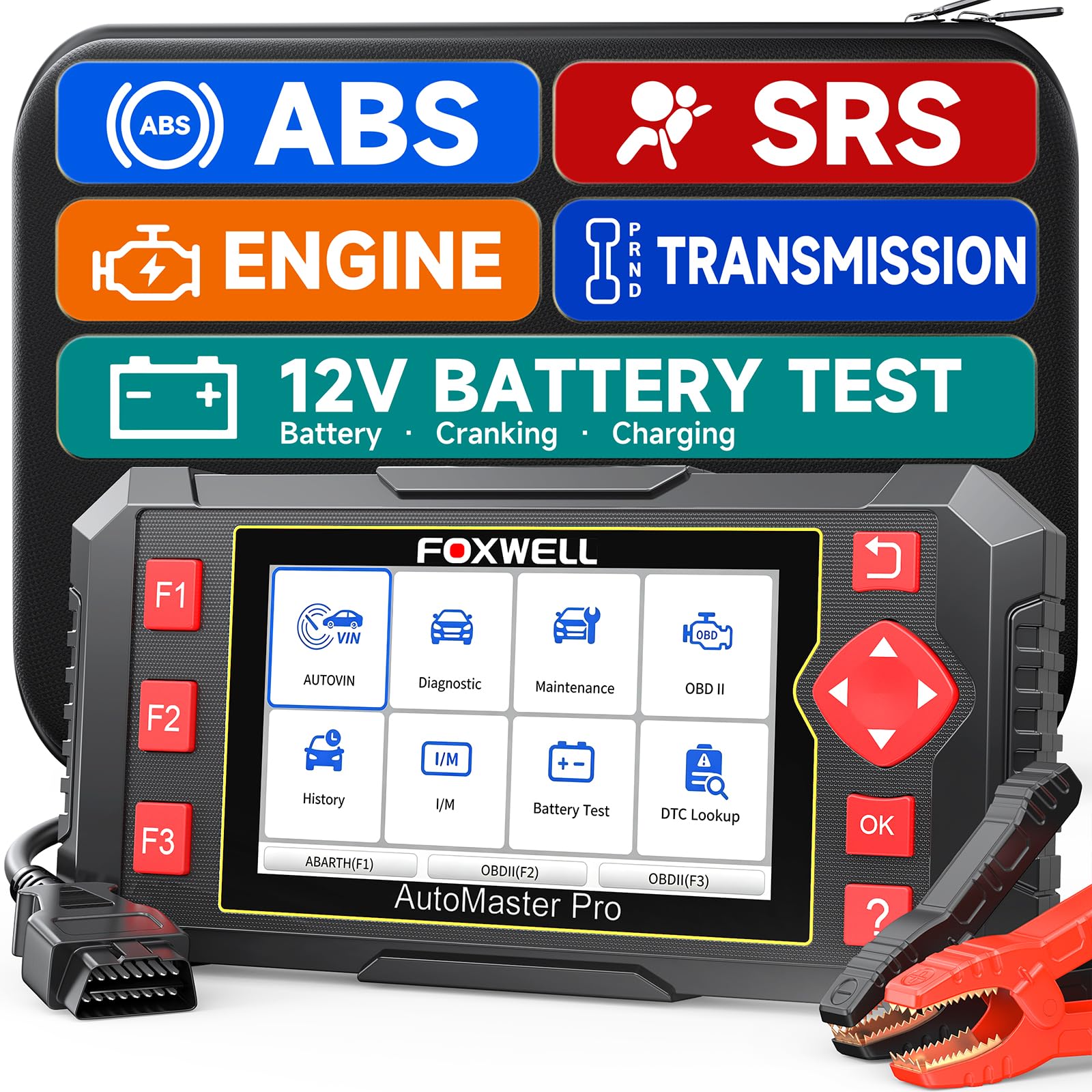
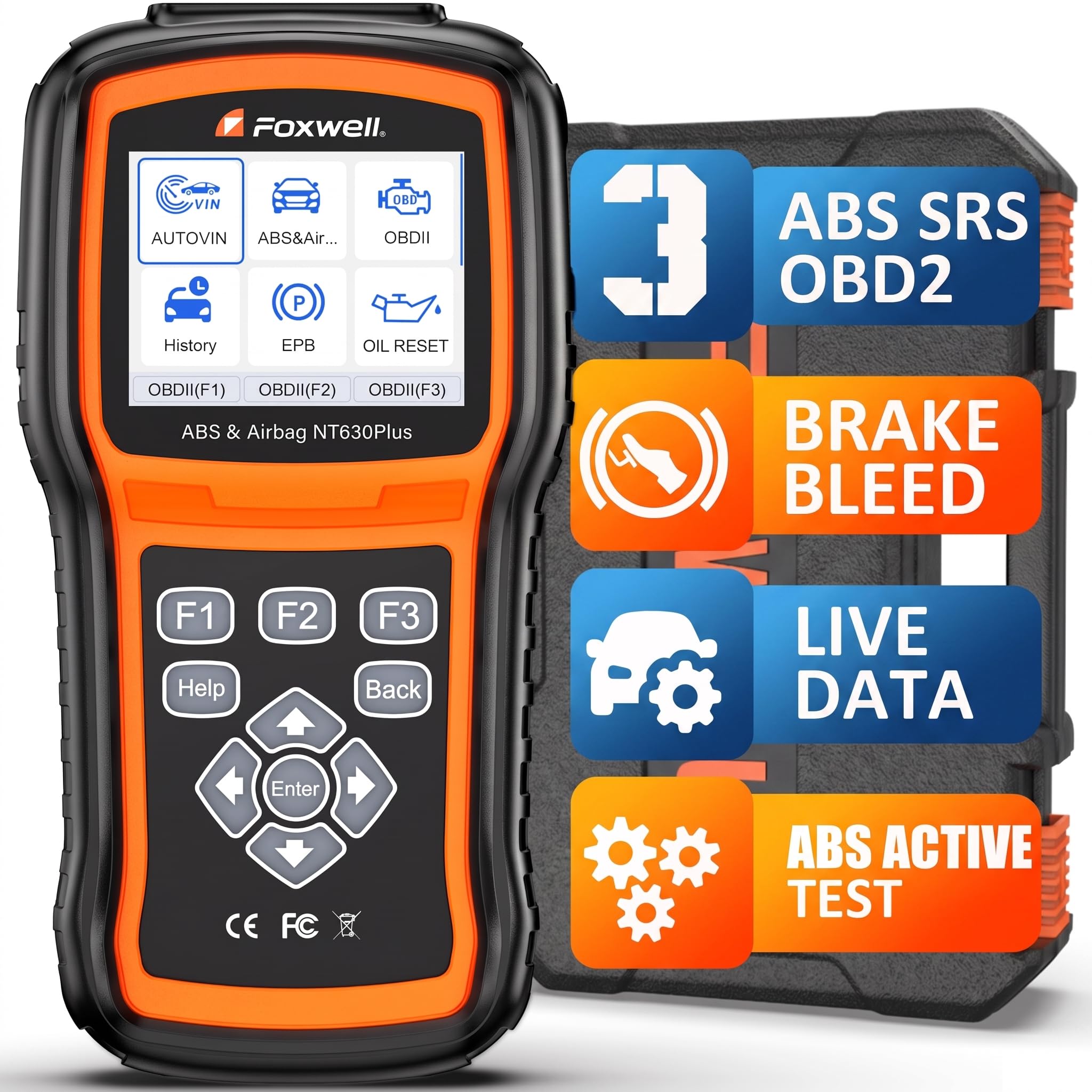
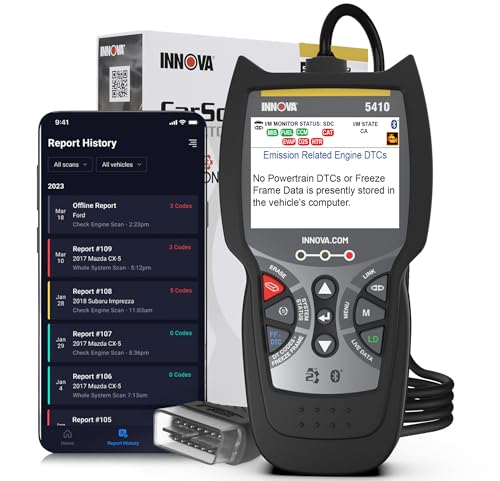

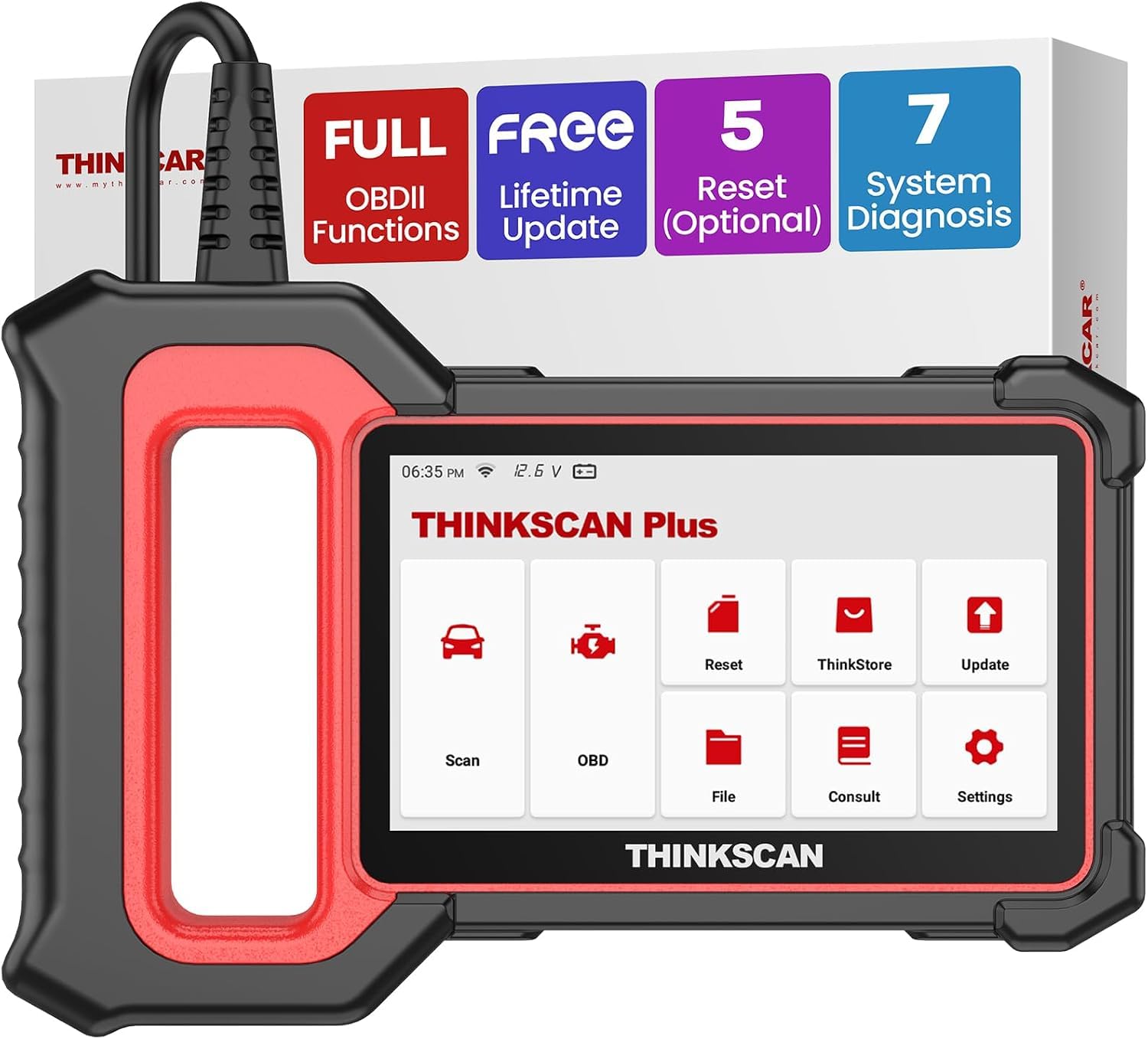
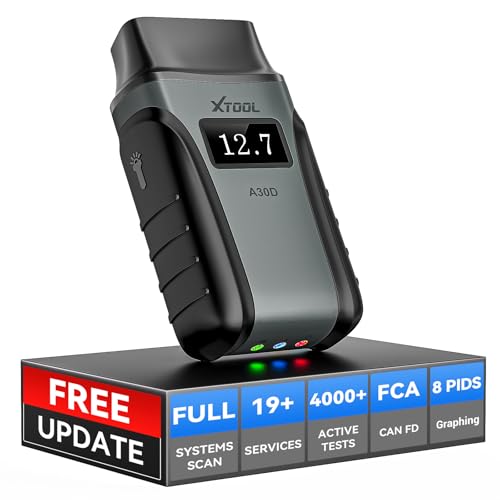
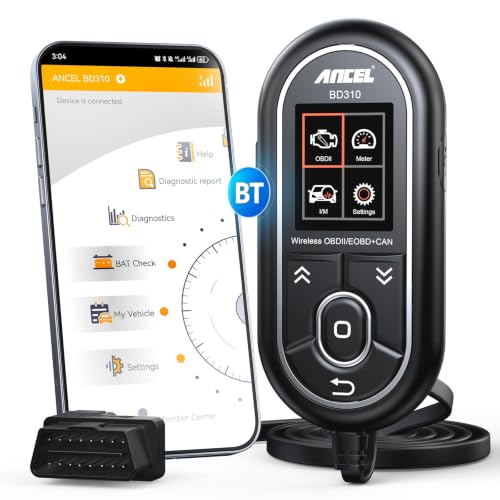

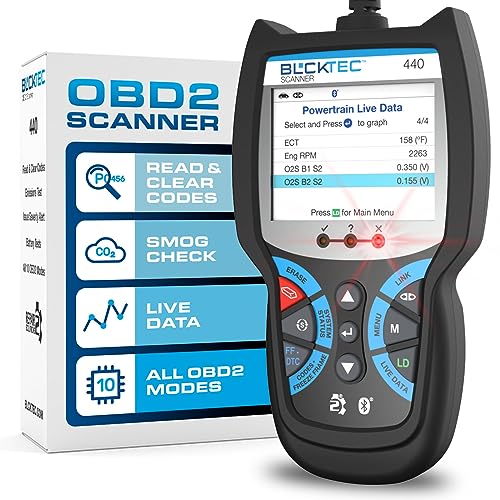
Types of Auto Code Reader Scanners Compared
All three tiers plug into the same OBD2 port, yet they answer very different questions. A basic tool reads engine codes, while a top tier tool adds guided tests and reports you can save.
Budget DIY Options for a Quick Check Engine Answer
Budget tools, often about $20 to $60, read and clear generic engine codes and show a short code definition on a small screen or a phone app. Most also show readiness status and a simple voltage reading. They suit one car owners who want to know why a light came on before calling a shop. Limits appear fast, since most cannot reach airbag, brake, or transmission modules and offer little live data beyond a few basic values.
Pro Grade Options for Wider System Coverage
Pro grade tools, often about $100 to $300, add coverage for antilock brakes, airbags, transmission, and tire pressure systems on many makes. They graph live data, record freeze frame details, and run active tests on some components. This tier fits home mechanics who maintain several family cars and do their own brake, sensor, and charging work. You pay more for broader module access and faster screens, and some brands charge for updates after the first period ends.
Premium Options for Deep Diagnostics and Reporting
Premium tools, often about $300 and above, aim at small shops and serious home users who need bidirectional control, module resets, and service functions such as electronic parking brake release or steering angle reset. Saved reports help when you track an intermittent fault over several drives. This depth is wasted if you only clear a light once a year.
Budget DIY Options vs Pro Grade Options: Which Should You Choose?
Choose the budget tier if your goal is a fast answer on an engine light, a readiness check before an emissions test, and a low price for a glove box tool. Choose pro grade if you need brake or airbag codes, graphed sensor values, or coverage for more than one make in your household. Premium only makes sense when you will use service resets often enough to repay the higher price. For most drivers, the middle tier gives the best balance.
If you want a narrower starting point first, see our guide to the best auto code reader for the simplest handheld style. Drivers who already know they need wider module access can see our guide to the best auto code scanner instead.
How to Choose the Right Auto Code Reader Scanner
When you shop for the best auto code reader scanner for your own garage, work through the factors below in order. Compatibility comes first, because a tool that cannot talk to your car cannot help you, no matter how large its screen looks.
Vehicle Compatibility and OBD2 Protocols
Vehicle compatibility means more than the plug fitting your car. In the United States, gasoline cars from model year 1996 onward use OBD2, and the tool must support the protocol your car uses, such as CAN and the older ISO or KWP standards. Check the maker list for your exact year, make, and model, since module coverage often changes by year. A tool that reads engine codes on every car may still miss brake or airbag data on yours.
System Coverage and Code Types
Coverage decides which questions the tool can answer. Generic codes, shown with a P0 prefix, point to faults shared across brands, while maker specific codes add detail for one brand. Look also for pending codes, which flag a fault that has not yet set the light, and permanent codes, which stay until the car passes its own test. A good tool explains the code in plain words and shows which module reported it, so you do not replace an engine part for a transmission fault.
Live Data, Freeze Frame, and Readiness Monitors
Live data shows sensor values while the engine runs, such as coolant temperature, fuel trim, and oxygen sensor voltage, and graphing makes a dropping or spiking value easy to spot. Freeze frame saves the speed, load, and temperature recorded when a code was set, which helps you repeat the same conditions later. Readiness monitors show whether the car has completed its self tests since codes were last cleared, and smog stations can reject a car with incomplete monitors.
Connection Type, Display, and Ease of Use
Wired handheld tools are plug and play, need no phone, and start fast in cold or bright conditions where a phone screen is hard to read. Bluetooth dongles cost less and use a phone app for larger graphs, but they depend on app quality, pairing, and phone battery charge. Consider button size, menu depth, and language options if you share the tool with family. A backlit color screen and a long, flexible cable make work under the dash far less awkward.
Updates, Warranty, and Brand Support
Software updates add newer models and fix code definitions, so check whether updates are free for life, free for a set period, or sold as a yearly plan, and add that cost to the price. Look for a warranty of at least one year and support pages with real vehicle coverage charts you can check before you buy.
How to Use an Auto Code Reader Scanner in the Right Order
Park on level ground, switch the engine off, and find the 16 pin port, usually under the dash on the driver side near the steering column. Plug the tool in firmly, turn the key to the on position without starting the engine unless the tool asks for live data, and let it connect before you select a menu. Read and save every code and the freeze frame first. Only clear codes after you have written them down, since clearing also resets the readiness monitors.
If you need the combined reader and scanner wording explained, see our guide to the best code reader scanner for how the two terms overlap in store listings.
Common Mistakes to Avoid
- Clearing codes before saving them, which erases the freeze frame clues a mechanic would need to find the fault.
- Replacing the part named in a code definition without testing, which wastes money because a code points to a circuit or system, not always a failed part.
- Buying a tool without checking module coverage for your exact model, which can leave brake and airbag systems unread.
- Clearing codes right before an emissions test, which resets readiness monitors and can cause an automatic fail.
- Reading live data while driving alone, which divides your attention and creates a safety risk for you and others.
- Forcing the connector into the port at an angle, which can bend pins and create connection faults that look like car faults.
Care and Maintenance for Your Code Reader Scanner
Store the tool in its case away from heat, moisture, and direct sun, since screens and cables age fastest in a hot trunk through summer. Coil the cable loosely without sharp bends, keep the connector pins clean and dry, and wipe the housing with a dry cloth rather than solvents. If readings turn intermittent, test the tool on a second car before you assume your own port is faulty.
Frequently Asked Questions
What specs matter most in an auto code reader scanner for home use?
Protocol support and module coverage matter most for home use. A tool that supports CAN, reads maker specific codes, and graphs fuel trim will answer far more questions than one chosen for screen size alone. One extra point worth checking is update cost over three years, since a low priced tool with paid yearly updates can end up costing more than a mid priced tool with free updates included.
Will an auto code reader scanner fit your vehicle port and protocol?
Yes, the port will fit if your car uses OBD2, but protocol and module access still need checking. Every OBD2 car shares the same 16 pin connector shape, yet the data language and the modules open to a tool vary by make and year. Heavy duty trucks and some hybrids use added systems, so confirm your exact trim on the coverage chart rather than relying on the port shape alone.
How long does an auto code reader scanner usually last?
A cared for auto code reader scanner usually lasts many years, because it has few moving parts. The screen, cable, and connector pins wear first, and software support often ends before the hardware fails. You can extend useful life by choosing a brand that still publishes updates for older models, and by keeping a printed or saved copy of your code history so a later tool change does not lose your records.
Do you need professional installation for an auto code reader scanner?
No, you do not need professional installation, since the tool simply plugs into a port that is already fitted to your car. Most drivers connect one in under a minute with the engine off. The skill is not in plugging it in but in reading the result with care, so first time users should start by scanning a healthy car if possible, which gives a useful baseline of normal values for later comparison.
Wrapping Up
Start with compatibility, then choose coverage for the systems you will actually service, and then weigh live data and update costs. That order keeps you from paying for deep shop functions you will never open, or saving money on a tool that cannot read the module you need. For most home garages, the best auto code reader scanner is the one that fits your cars today and stays current tomorrow, so check the product table above before you decide.