Best CMOS Cameras: Every Type Explained Side by Side for 2026
Disclosure: We may earn a commission when you buy through links on this page, at no extra cost to you. As an Amazon Associate I earn from qualifying purchases. Learn more

The best cmos cameras span mirrorless, compact, action and vlogging types: compare sensor size, lenses, low light results and prices for every budget.
CMOS is the sensor technology inside nearly every digital camera sold today, so the label alone tells you very little about which model fits your life. The real differences sit in body style, sensor size, lens options, and how much control you want over each shot. Shoppers comparing best cmos cameras often feel stuck because a travel camera, a sports camera, and a studio camera share the same sensor family yet solve completely different problems.
This guide compares the main types side by side, explains what each one does well, and shows where each one struggles. Use the comparison table below to scan typical prices and strengths, then read on for the details that decide whether a camera stays in your bag or ends up left at home.
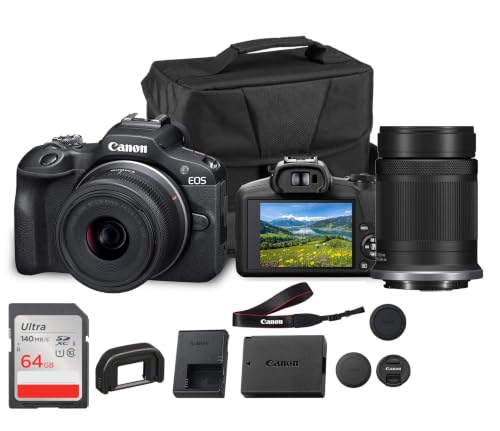
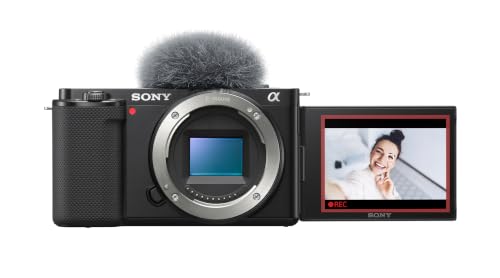


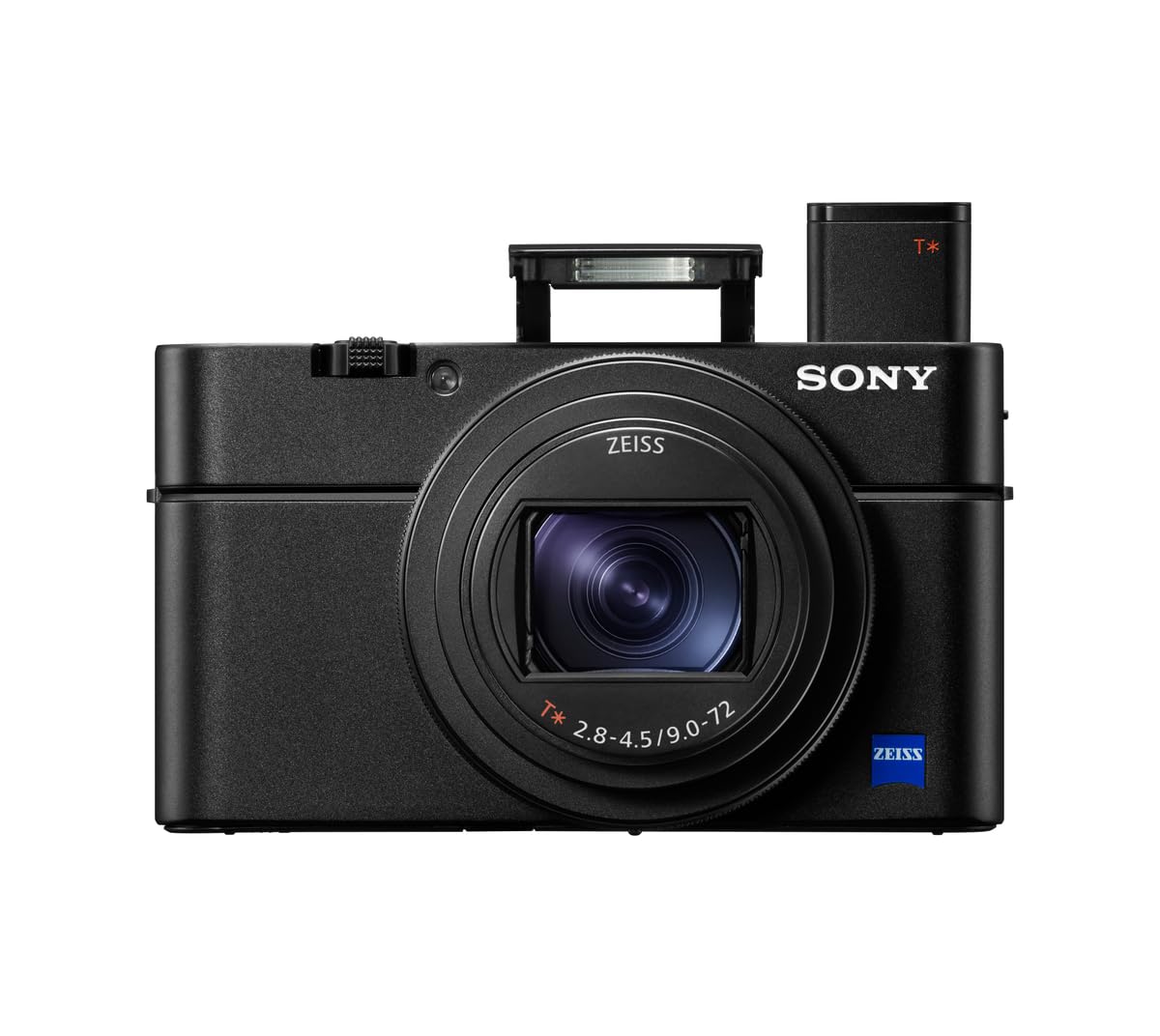
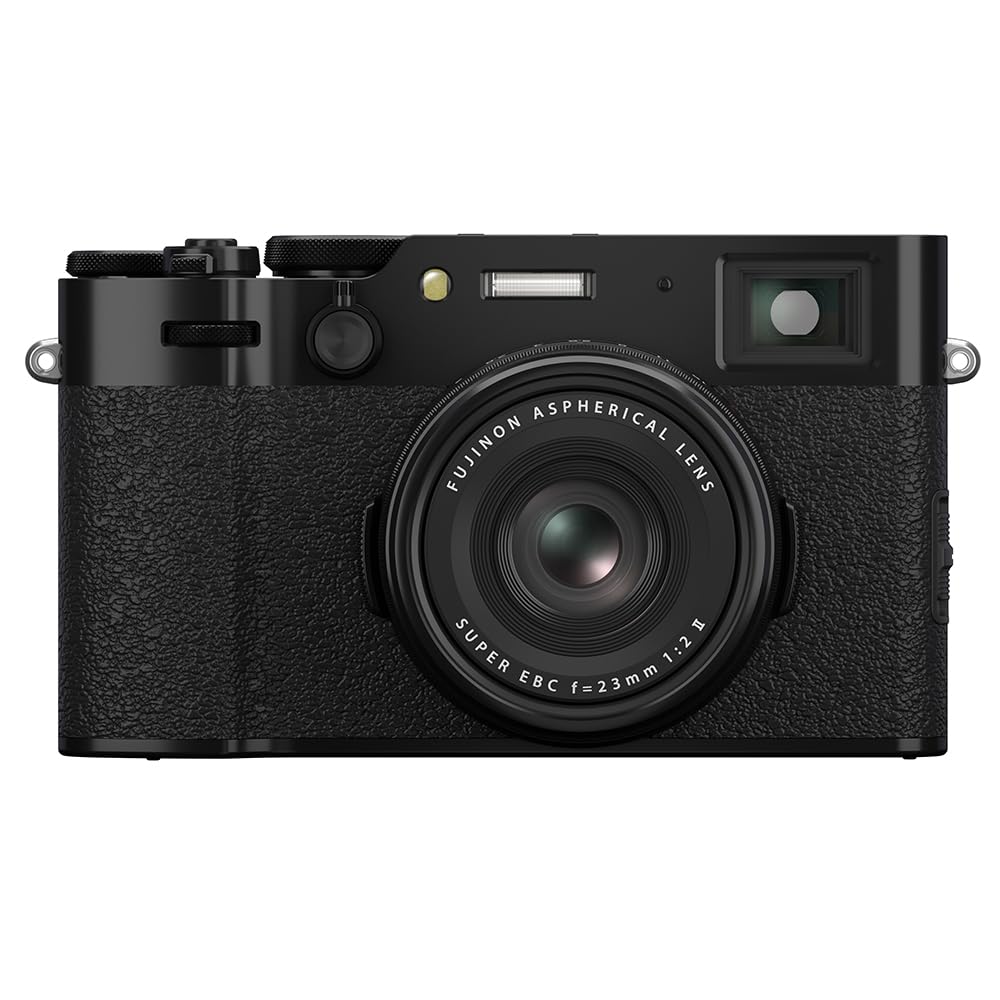

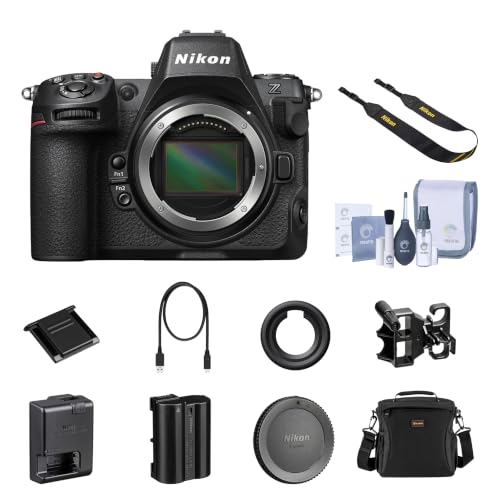


Types of CMOS Cameras Compared
Almost every camera in the product table above uses a CMOS sensor, which reads light quickly, uses little power, and handles video well. What separates the types is everything built around that sensor. Size decides portability, and the lens mount decides your future options. Start with the type that matches your main subject, then compare features inside that group.
CMOS sensors also power security devices. If your goal is watching a porch rather than taking photographs, see our guide to the best door cameras instead, because lenses and storage work very differently there.
Mirrorless Cameras
Mirrorless cameras pair large sensors with interchangeable lenses in bodies smaller than traditional DSLR designs, since no mirror sits between the lens and the sensor. You compose through an electronic viewfinder or the rear screen, and what you see closely matches the final exposure, which helps you learn faster. Autofocus tracks eyes, faces, animals, and vehicles with impressive consistency.
The trade offs are cost and complexity. Good lenses add up quickly, and menus run deep. Choose this type if photography is a growing hobby and you accept carrying a bag in exchange for the strongest image quality and creative control in this guide.
Compact Cameras
Compact cameras keep the lens fixed to the body, so the whole package slips into a jacket pocket and is ready in seconds. Better models use a 1 inch sensor, far larger than a phone sensor, paired with a bright zoom lens that covers wide scenes and modest portraits. Controls are simpler, with strong automatic modes for people who want good results without studying settings.
The limits are fixed glass and smaller sensors than mirrorless models offer. Choose a compact if travel and family days matter most, and you want a clear step up from a phone without building a lens collection.
Action Cameras
Action cameras are tiny, rugged boxes built to survive drops, dust, and water that would end a normal camera day. Their very wide lenses capture the scene around you, and strong image stabilization smooths footage from bikes, boats, and handheld runs. Most are waterproof without a case to modest depths.
That toughness comes with small sensors, fixed focus, and limited zoom, so still photos look plain beside larger cameras. Battery life is short during continuous recording. Choose an action camera for sports and rough outdoor trips where survival matters more than fine detail.
Vlogging Cameras
Vlogging cameras are designed around one person filming themselves. Expect a flip screen you can see while recording, crisp 4K video, reliable face and eye autofocus, a microphone input, and product showcase modes that keep a held object in focus. Many are compacts with video tuned features, while others are small mirrorless bodies.
Still photo features can be basic on simpler models, and the best audio still needs an external microphone. If you publish regular video or document travel by talking to the lens, start here. If stills come first, a mirrorless model usually serves you better.
Mirrorless vs Compact Cameras: Which Should You Choose?
These two types cause the most hesitation, because both take strong photos and both appear at similar starting prices. The deciding factors are growth, size, low light needs, and how you like to work. A compact is a finished tool. A mirrorless camera is a system you build over years, one lens at a time.
On image quality, mirrorless models win as light falls, thanks to larger sensors and brighter lens choices. On convenience, compacts win daily, since there is nothing to assemble before you leave. On cost, a compact at about $600 to $900 may cover everything you need, while a mirrorless kit near that price often leads to a second lens purchase within a year.
Choose the compact if you want one device that simply works. Choose mirrorless if you enjoy learning, want shallow depth of field portraits, or plan to add specialty lenses later.
How to Choose the Right CMOS Camera
With a type in mind, compare the specifications that change your results rather than the numbers that only fill a listing page. Lists of the best cmos cameras often mix every type together, so use the four factors below to compare fairly within one group. For a wider view of the market, see our guide to the best digital cameras as well.
Ease of Use for Your Skill Level
Good automatic modes matter more than most buyers admit. A camera that meters a scene well, focuses without drama, and sends photos to your phone over WiFi will get used far more than a powerful model you find frustrating. Touch screens, clear menus, and a modest number of dials suit newer photographers well.
If you are buying your very first dedicated camera, see our guide to the best starter cameras for features aimed at that stage. As skills grow, look for manual exposure controls and a hot shoe for a flash or microphone.
Sensor Size and Image Quality
Sensor size is the single strongest predictor of image quality. Common steps run from small sensors in action cameras, through 1 inch sensors in better compacts, to APS C and then full frame sensors in mirrorless bodies. Larger sensors gather more light per photo, which means cleaner images at high ISO settings, smoother tonal gradations, and easier background blur.
Megapixels matter far less than marketing suggests. Beyond about 20 megapixels, extra resolution mainly helps with heavy cropping and very large prints. If you mostly share online, sensor size and lens quality will shape your results far more than a headline megapixel count.
Low Light Performance
Low light results come from three things working together: sensor size, lens brightness, and image stabilization. A bright lens, described by a low f number such as f/1.8 or f/2.8, lets in more light and keeps shutter speeds fast enough to avoid blur from hand movement. Stabilization in the lens or body then helps with still subjects, though it cannot freeze a moving child or pet.
For evening scenes and indoor family events, favor the largest sensor you can carry and the brightest lens in your budget. High ISO numbers alone are not a promise, since a small sensor at its maximum ISO usually shows heavy grain and smeared detail.
Lens and Zoom Range
Judge zoom by optical zoom, which uses real glass to magnify the scene and keeps detail intact. Digital zoom simply crops and enlarges the middle of the image, and you can do the same job later on a computer with better control. A versatile range for daily use covers wide group shots through short telephoto portraits, often written as a 24 to 70 mm equivalent or similar.
For interchangeable lens cameras, think about the second lens before you buy the first body. A fast prime lens transforms indoor photos, while a longer telephoto opens up sports and wildlife. Readers focused on still photography can compare approaches in our guide to the best cameras for photography.
Setup and Care Tips for CMOS Cameras
A few habits protect both image quality and the camera itself. Clean the lens with a proper lens cloth, never your shirt, because shirt fabric traps grit that can scratch coatings. Carry a spare battery and a spare memory card, since video and cold weather drain batteries faster than stills shooting does, and cards always fill at the worst moment.
Store the camera in a dry, padded bag away from bathroom steam and car trunk heat. Update firmware when the maker releases it, because updates often improve autofocus behavior. Format memory cards in the camera rather than deleting files one by one. After beach use, wipe the body with a slightly damp cloth to remove salt before opening any doors or dials.
Common Mistakes to Avoid
- Buying the largest sensor available and then leaving the camera home, because a camera you carry beats a better camera in a closet.
- Comparing cameras by megapixels alone, which leads to paying for resolution you never use while ignoring lens quality.
- Trusting digital zoom figures on the box, which produces soft images that disappoint once viewed on a large screen.
- Spending the whole budget on the body, which leaves nothing for the lens, spare battery, and bag the camera actually needs.
- Ignoring screen and viewfinder comfort, which makes bright outdoor shooting frustrating when you cannot see to compose.
- Skipping the return policy check, because grip size and menu style are personal and only clear once the camera is in your hands.
If image quality per dollar is your top concern, compare complete kits rather than body prices, and see our guide to the best quality cameras for how makers balance sensors, glass, and build.
Frequently Asked Questions
How much should you spend on your first CMOS camera?
Plan on about $400 to $800 for a first camera that feels like a real step up from a phone, including the kit lens on a mirrorless model. Below that range, gains over a good phone shrink, while above it you mostly buy larger sensors and better lenses. Reserve about 15 percent of the budget for a bag, spare battery, and memory cards, an amount many first time buyers forget until checkout.
Is a smartphone enough instead of a dedicated CMOS camera?
A smartphone is enough if you only share casual photos online in good light and never print large. A dedicated camera pulls ahead with real optical zoom, larger sensors for evening shots, physical controls, and lenses a phone cannot match. If you regularly zoom or shoot indoors without flash, a camera changes results in ways editing apps cannot copy.
What specs matter most for beginners buying a CMOS camera?
Beginners should rank sensor size, autofocus reliability, and screen clarity above everything else on the specification sheet. Add comfortable grip and simple phone transfer, because both decide how often the camera gets used. Ignore maximum ISO and digital zoom numbers, which describe extremes rather than daily quality.
What does optical zoom mean on a CMOS camera?
Optical zoom means the lens physically changes focal length, so distant subjects fill the frame with full detail preserved. A 3x optical zoom makes subjects appear three times closer, measured from the widest setting. Watch for the equivalent focal range instead of the multiplier alone, since 3x on a wide starting lens covers different ground than 3x on a narrow one. Pair zoom range with lens brightness for the full picture.
Which CMOS camera type handles low light best?
Mirrorless cameras with APS C or full frame sensors handle low light best, especially with a bright prime lens fitted. Their larger pixels gather more light, so images stay cleaner at the high ISO settings indoor shooting demands. Compact cameras with 1 inch sensors are the next best step and suit travel at night. Action cameras sit last here, because their tiny sensors favor bright daylight and heavy stabilization instead.
Final Thoughts
Start with the type, then sensor size, then the lens, and let smaller specifications settle last. The product table above gives you a quick price and feature scan for each type, and the sections here explain what those numbers mean in daily use. Whichever route you take, the right choice among the best cmos cameras is the one matched to your subjects, your bag, and your patience for learning, not the one with the longest specification list.
Prices and availability can change, so check the product page before ordering.