
Best Closed Toe Water Shoes 2026: A Practical Buying Guide
Disclosure: We may earn a commission when you buy through links on this page, at no extra cost to you. As an Amazon Associate I earn from qualifying purchases. Learn more

Find closed toe water shoes with toe protection, quick drainage, and wet grip for rivers, beaches, kayaking, and family water play for all ages and outings.
Choosing the best closed toe water shoes is about toe protection, wet grip, and how quickly water drains from the shoe. A good pair should shield toes from rocks and shells, stay secure in currents, and dry reasonably fast after use. It should also feel comfortable for walking on sand, docks, and rocky riverbeds without causing blisters.
The comparison table below gives a quick side by side view of the main styles to compare. Use it with the guidance in this article to match a pair to rivers, beaches, kayaking, or family water play. Think about sock use too, since some shoes fit better with thin water socks for extra protection.


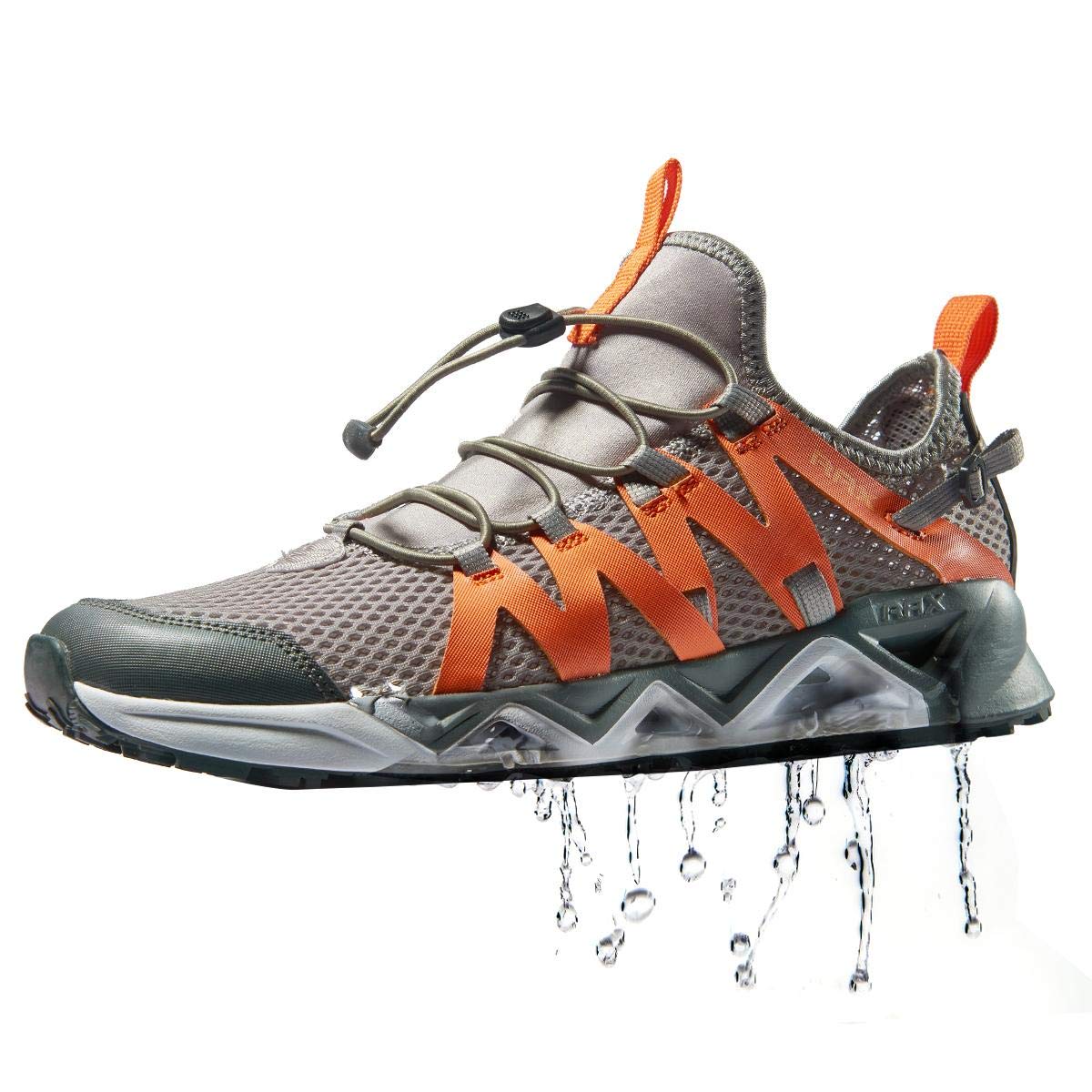

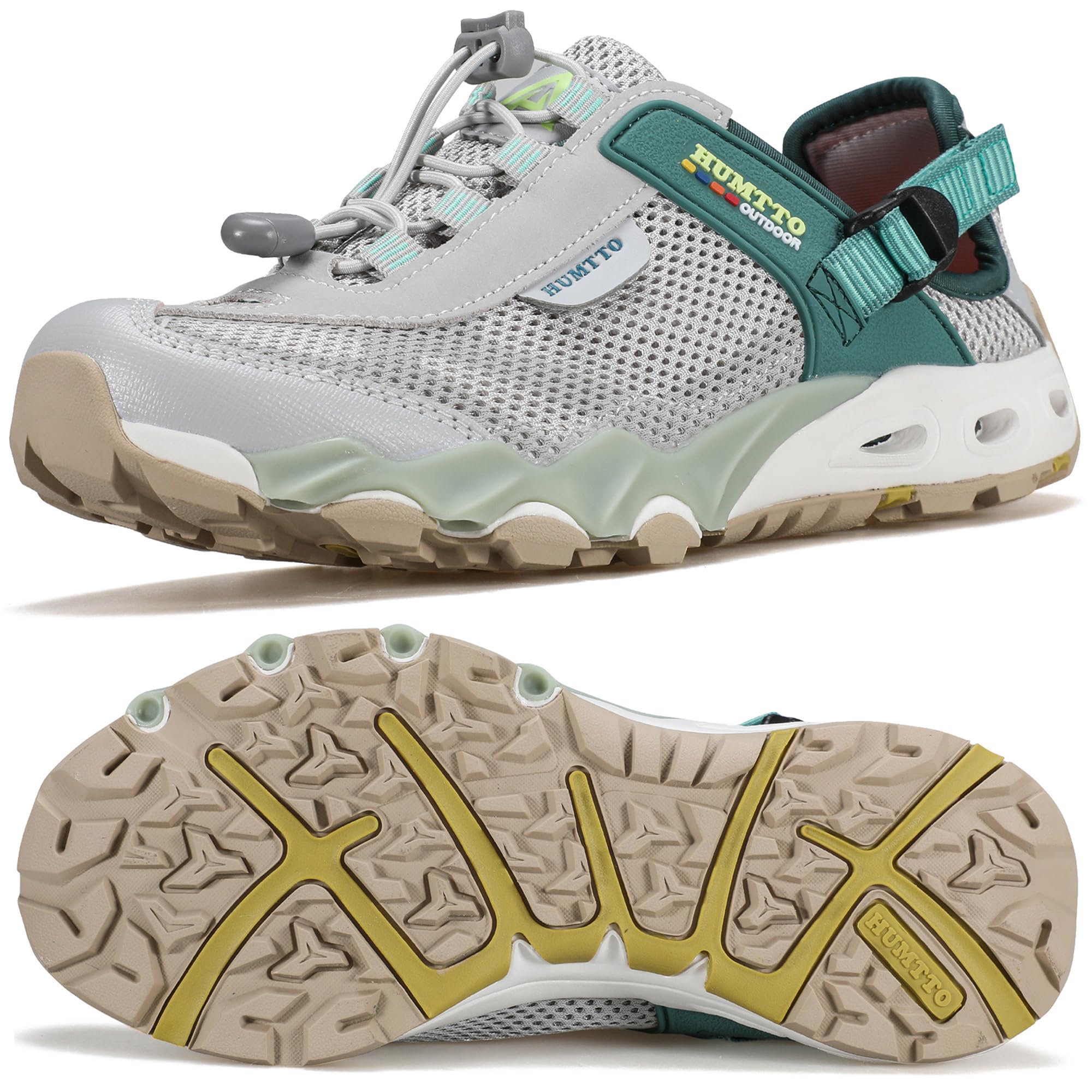


Toe Protection and Upper Design
Closed toe design protects toes from rocks, shells, and submerged objects that open toe sandals cannot guard against. A reinforced toe cap and a sturdy front bumper add protection without making the shoe feel heavy. Check that the toe area has enough room for natural toe spread, since cramped toes can blister on long walks.
Upper materials range from quick dry mesh to neoprene and synthetic overlays, each with tradeoffs for breathability and durability. Mesh drains and dries faster, while neoprene offers warmth in cooler water. Synthetic overlays add structure and abrasion resistance for rocky terrain, but may dry more slowly.
Closure systems affect security in water, with laces, bungee cords, and hook and loop straps each offering different fits. Laces allow precise adjustment, bungee cords offer quick on and off, and straps suit children and users who need easy fastening. Choose a closure that stays secure when wet and does not loosen in currents.
Grip, Drainage, and Comfort
Outsole grip is critical on wet rocks, docks, and boat decks, so look for rubber soles with siping or tread patterns made for wet surfaces. Deep lugs help on mud and gravel, while flatter siped soles grip smooth wet rock better. Check grip on wet surfaces when possible, and avoid smooth soles for river use.
Drainage ports and mesh panels let water escape quickly, reducing the heavy and sloshy feel of soaked shoes. Good drainage also helps shoes dry faster between uses and reduces odor. After use, rinse shoes with fresh water and let them air dry, since salt and sand can degrade materials over time.
Comfort depends on insole cushioning, heel fit, and seam placement, since wet skin blisters more easily than dry skin. Look for smooth interior seams and a heel counter that prevents slipping without rubbing. Try shoes with and without water socks, and walk on a hard surface to check for pressure points before a long outing.
Choosing by Water Activity
River walking and wading need strong toe protection, firm grip on rocks, and a secure closure that resists currents. A slightly heavier shoe with a sturdy sole often works better than a very light mesh shoe on rocky riverbeds. Consider ankle height for extra support on uneven terrain, though higher shoes may dry more slowly.
Beach use favors light weight, sand shedding, and easy rinsing, since sand can irritate skin inside a shoe. Mesh uppers and drainage ports help sand escape, while a simple closure makes cleaning easier. For beach walks with children, a secure fit matters more than a very rugged sole.
Kayaking and boating need a low profile shoe that fits under foot braces and grips wet decks without marking surfaces. A flexible sole helps with foot placement in a kayak, while a secure closure prevents shoes from slipping off during entry and exit. Check that the shoe fits your boat footwell before a long paddle.
Care, Sizing, and Safety
Sizing for water shoes can differ from regular shoes, since feet swell in heat and socks add volume. Try shoes in the afternoon when feet are slightly larger, and check fit with the socks you plan to wear. A snug fit without toe pressure is ideal, since loose shoes can slip off in water and cause falls.
Care is simple: rinse with fresh water after salt or river use, remove insoles to dry, and air dry away from direct heat. Avoid machine drying, which can warp soles and damage adhesives. Replace shoes when grip fades, toe caps separate, or closures no longer hold securely.
Safety habits matter as much as footwear, so check water depth, currents, and hidden rocks before wading. Wear a life jacket for boating and strong currents, and supervise children near water at all times. Good water shoes reduce cuts and slips, but they do not replace careful water awareness.
Related Choices Worth Comparing
Water sandals offer a lighter alternative with toe coverage, and our guide to best closed toe water sandals compares drainage and strap security.
General closed toe sandals suit everyday summer wear beyond water use, so our guide to best closed toe sandals covers breathability and arch support.
Summer footwear needs vary by activity, and our guide to best closed toe shoes for summer looks at heat, sweat, and walking comfort.
Indoor comfort with toe coverage is a different need, and our guide to best closed toe slippers explains warmth and house friendly soles.
Women specific fits address narrower heels and different sizing, and our guide to best closed toe sandals for women covers those fit differences.
Planning Safe Water Outings
Check water conditions before an outing, including depth, current speed, and recent rainfall that can change river levels quickly. Local guides, park rangers, and weather reports offer useful warnings that footwear alone cannot replace. Postpone a wading trip if currents look strong or water looks murky and fast.
Pack a dry bag with a towel, a spare pair of socks, and a first aid kit for cuts and blisters, since wet outings can surprise even careful walkers. A spare dry pair for the drive home makes the return trip more comfortable. Small preparation steps turn a good outing into a great one.
Teach children to check footing slowly in shallow water before walking deeper, and to stay within sight of an adult at all times. Closed toe shoes protect toes, but supervision and water awareness matter far more. A calm and careful pace helps everyone enjoy rivers and beaches safely.
Choosing Shoes for Children
Children need secure closures they can fasten themselves, since loose shoes slip off in water and cause falls. Hook and loop straps and bungee cords often suit younger children better than long laces. Check fit with growth room, but avoid a size so large that heels slip during play.
Bright colors help parents spot children in busy beach and pool areas, though color should not outweigh fit and grip. Inspect children shoes after each outing for sand, small stones, and worn soles. A quick rinse and dry routine keeps children shoes ready for the next water day.
Frequently Asked Questions
Should water shoes be tight or loose?
Water shoes should fit snug without pressing toes, since loose shoes can slip off in currents and cause falls. Try shoes with the socks you plan to wear, and check fit in the afternoon when feet are slightly larger. A secure heel and a closure that stays fastened when wet are more important than a roomy feel. If toes feel cramped or heels slip, try a different size or closure style.
Do closed toe water shoes dry quickly?
Drying speed depends on mesh panels, drainage ports, and upper material, with light mesh shoes drying fastest. Neoprene and thick synthetic uppers dry more slowly but offer warmth and protection. Rinse with fresh water after use, remove insoles, and air dry away from direct heat. Avoid machine drying, which can warp soles and damage adhesives over time.
Are water shoes good for rocky rivers?
Closed toe water shoes with firm rubber soles and reinforced toe caps work well for rocky rivers. Look for siped tread for wet rock grip and a secure closure that resists currents. Very light mesh shoes may lack enough protection on sharp rocks, so choose a sturdier sole for riverbeds. Always check currents and hidden rocks before wading, regardless of footwear.
Can I wear socks with water shoes?
Thin water socks or neoprene socks can reduce blistering and add warmth in cooler water. Try shoes with socks before buying, since socks add volume and change fit. Some shoes are designed for bare feet, while others fit better with a thin sock. Choose a sock that dries quickly and does not bunch inside the shoe.
How do I clean water shoes after beach use?
Rinse shoes thoroughly with fresh water to remove salt and sand, then air dry away from direct heat. Remove insoles to dry separately, and shake out sand from mesh panels before drying. Avoid machine washing unless the maker allows it, since heat and agitation can damage adhesives. Replace shoes when grip fades or toe caps separate.
Final Thoughts
Choose a pair with strong toe protection, reliable wet grip, and drainage that keeps the shoe light in water. The product table above can help you compare styles side by side. Check fit with socks, check grip on wet surfaces, and prioritize a secure closure for your usual water activity.
With the right fit and care, water shoes can make rivers, beaches, and boating safer and more comfortable, making your pick a strong match for the best closed toe water shoes. Rinse after use, air dry fully, and replace worn pairs before grip or toe protection fails.


