
Best Chunky Sandals: Every Type Explained Side by Side for 2026
Disclosure: We may earn a commission when you buy through links on this page, at no extra cost to you. As an Amazon Associate I earn from qualifying purchases. Learn more

Compare platform, sport, slide and closed toe styles to choose the best chunky sandals for comfort, support, fit and your daily walking needs.
Chunky sandals look simple from a distance, but the thick sole hides real differences in weight, support, grip and how tired your feet feel by evening. A tall fashion platform, a sporty trail style and a soft recovery slide can all look chunky while behaving very differently on pavement, sand or a long shopping day. This guide compares each type side by side so you can find the best chunky sandals for your feet, your walking and your budget before you order.
Start with the comparison table below, then use the type guide that follows to narrow your short list to one sole shape and one strap style. Fit matters more here than with thin sandals, because a tall and stiff sole changes how your foot rolls with every step.
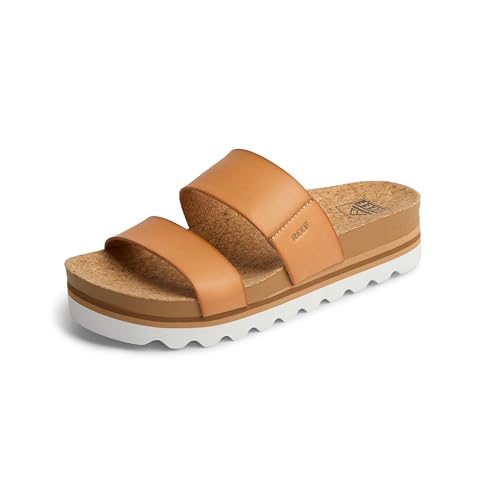


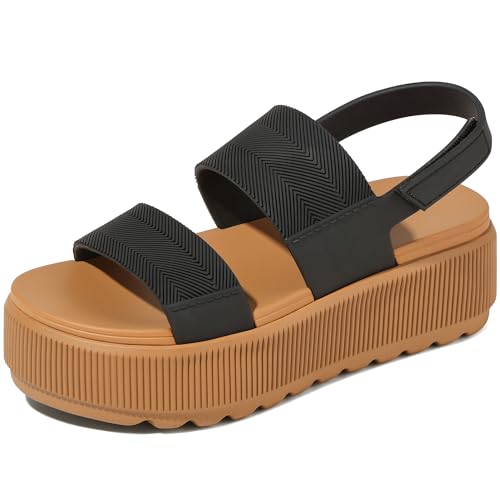
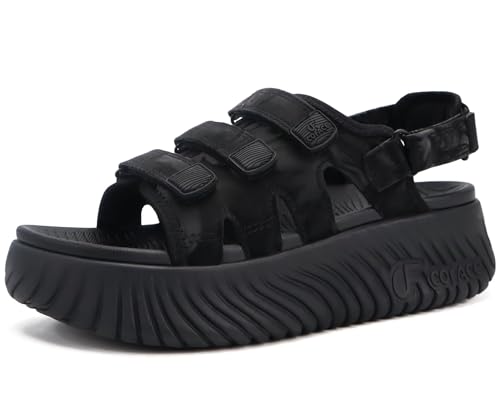

Types of Chunky Sandals Compared
All chunky sandals share a thick outsole, usually well over an inch tall, but that is where the similarity ends. Some soles are soft foam that compresses under your heel, while others are firm and shaped to rock you forward. Straps matter just as much, since a tall sole gives the shoe more leverage to twist if your foot is not held securely. Price also varies widely, from about $30 for basic foam slides to about $120 or more for leather platforms with molded footbeds and durable rubber outsoles.
Lightweight Chunky Sandals
Lightweight styles use molded foam for the whole sole and often for the straps as well. They feel easy on your legs during long casual days because each step lifts less weight, and they dry fast after rain or a trip to the pool. The trade off is support. Soft foam flattens over time and offers little arch structure, so your feet do more of the stabilizing work themselves.
Choose a lightweight pair for travel, errands and warm weather outfits where comfort means low effort rather than firm support. If you stand on hard floors for hours, look for a contoured footbed instead of a flat foam slab, and check that the straps hold your heel without rubbing.
Neutral Everyday Sandals
Neutral chunky sandals aim for balance. The sole is thick enough to cushion pavement but not so soft that your foot sinks and wobbles, and the footbed follows the natural shape of your arch without pushing it upward. Most everyday pairs in this group cost about $50 to $100 and pair molded foam or cork with rubber on the ground for better grip.
This is the safest starting point if you have no specific foot concerns and want one pair for walking, commuting and casual social wear. A neutral pair with two adjustable straps is also the easiest to fit well, because you can fine tune the hold over your toes and instep as your feet swell during the day.
Recovery Slides and Sandals
Recovery styles are built for tired feet after runs, long shifts or sport. The sole is extra thick and usually curved, with a deep heel cup that centers your foot and a soft top layer that spreads pressure. Slides are easy to slip on at home, while recovery sandals with a back strap stay on better for short walks outside.
These pairs shine for short periods of standing and gentle walking, not for hiking or fast paced days. The very soft sole can feel unstable on uneven ground, and the open slide shape gives your toes little protection. Treat them as a comfort tool for home and recovery time rather than your only summer shoe.
Stability and Support Sandals
Support focused chunky sandals use a firmer sole, a shaped arch and often a heel cup and wider base. The goal is stability, meaning your foot stays aligned instead of rolling inward with each step. This group overlaps with orthopedic style sandals, and it is the group to study if you deal with sore arches. For more detail on that fit, see our guide to the best sandals for plantar support needs.
Expect a heavier and stiffer feel at first, plus a higher price, often about $80 to $140. In return you get a sole that keeps its shape for much longer and straps designed to lock the midfoot down. If you love the heeled version of this look, our guide to the best chunky heel sandals explains how heel height changes balance.
Lightweight Sandals vs Support Sandals: Which Should You Choose?
Compare them on four points. For weight, lightweight foam wins for travel and all day casual wear. For cushioning feel, lightweight pairs feel softer at first touch, while support pairs feel firmer but stay consistent after months of use.
For stability on uneven ground, the wider and firmer support sole is clearly safer. For cost, basic foam starts lower, but it also needs replacing sooner once the sole compresses.
If your feet feel fine and your days are mostly short walks, lightweight is enough. If your arches ache, your ankles roll or you walk several miles a day, choose support. Many people end up owning one of each and rotating them by activity, which also extends the life of both pairs.
How to Choose the Best Chunky Sandals for Your Feet
Cushioning and Support
Press your thumb into the sole in the store or check the product description for foam type when shopping online. Very soft foam feels plush but bottoms out under heavier walkers, while firm foam or cork holds shape and supports the arch. Look at heel to toe drop as well.
A nearly level sole feels natural for standing, while a curved rocker sole helps if forefoot pressure bothers you, because it rolls you forward without bending the toes as much. Match the cushioning to your body weight and walking distance, not just to the first step feel.
Break In Period and Comfort Out of the Box
A good chunky sandal should feel secure right away, with no sharp strap edges and no sliding inside the footbed. Molded foam pairs need almost no break in time. Leather straps and cork footbeds need about a week of short wears to soften and mold to your foot shape.
Wear new pairs at home for an hour at a time first, and check for red marks on the top of your foot and around your toes. Pain that grows with each wear signals a fit problem, not a break in problem, and that pair should go back.
Weight and Flexibility
Pick up the sandal and bend it. A quality sole flexes slightly at the ball of the foot and stays stiff through the arch.
If it folds in the middle, it will not support you on long walks no matter how thick it looks. Weight is a balance. Very light pairs reduce leg fatigue but can feel flimsy on gravel, while heavier pairs with rubber outsoles protect your feet and grip better. For city walking, a middle weight pair with a real rubber bottom is usually the most versatile choice.
Fit, Sizing, and Toe Box
Measure your feet in the afternoon, when they are at their largest, and compare the length in centimeters with the size chart for that exact style. Chunky soles often run short because the curved edges reduce usable length, so your toes should sit well inside the footbed rim with a small gap at the front. The toe box should let your toes spread without spilling over the sides.
Men comparing wider fits can also see our guide to the best sandals for guys for sizing notes that apply across brands. Between sizes, size up when the sole is curved.
Water Resistance and Breathable Materials
Most chunky sandals are open designs, so full waterproof membranes like Gore Tex rarely apply here. What matters is how the materials handle water.
Molded foam and rubber dry in hours and suit beach and pool days. Leather and cork absorb water, stain easily and need a full day to dry, so keep them for dry city wear. For hot climates, look for straps with soft lining and open sides that let air move. A practical know how tip is to rinse salt and sand off foam sandals the same day, because grit trapped under straps acts like sandpaper on skin.
How to Make Your Chunky Sandal Last Longer
Rotate two pairs if you wear chunky sandals daily, giving each sole a rest day to regain its shape. Air dry wet pairs at room temperature away from direct heat, which can crack foam and warp leather straps. Clean footbeds weekly with a soft brush and mild soap to stop odor and surface breakdown.
Replace a pair when the tread looks smooth, the sole feels noticeably thinner under the heel, or one side has compressed more than the other. For general quality signals before you buy, our overview of the best rated sandals shows what long lasting construction looks like across styles.
Frequently Asked Questions
Can I wear chunky sandals all day?
Yes, you can wear chunky sandals all day if the fit and support match your feet. Choose a contoured footbed, adjustable straps and a rubber outsole for walking heavy days. Limit very soft recovery slides to shorter outings, because their unstable base tires your ankles over many hours. Build up wear time over the first week.
How long is the break in period for chunky sandals?
The break in period for chunky sandals is usually three to seven days of short wears. Foam styles settle within a day or two, while leather straps and cork footbeds take about a week to mold. One useful trick is wearing thin socks at home during the first evenings, which reduces friction while the straps soften.
Do chunky sandals need to be waterproof?
No, chunky sandals do not need to be waterproof for most summer use. What you need is material that tolerates getting wet without falling apart. Foam and synthetic straps handle rain, beaches and pools well. Leather looks better for evenings out but should dry fully between wears and stay out of standing water.
Are expensive chunky sandals worth it?
Expensive chunky sandals can be worth it when the extra cost buys a molded footbed, real rubber outsole and replaceable quality straps. Those parts extend wear life well beyond one season. Paying more only for a taller platform or a fashion logo adds no comfort. Judge the sole construction first, then the look.
How should chunky sandals fit?
Chunky sandals should fit with your heel centered in the cup, your arch resting on the raised section and a small gap in front of your longest toe. Straps should hold the foot without pinching, and your foot should not slide forward on a gentle slope. Walk a full minute in them before deciding, not just a few steps.
How often should I replace chunky sandals?
Replace chunky sandals when the cushioning stops recovering, often after one to two heavy seasons of daily wear. Visible clues are cracks in the foam, smooth tread, straps that have stretched loose and new aches in your knees or arches after familiar walks. Occasional wear pairs kept out of sun can last several summers.
Our Verdict
Start with support and fit, then choose your style. A contoured footbed, secure adjustable straps and a grippy outsole matter far more than platform height or color. Use the product table above to compare sole types at your price point, and remember that the best chunky sandals for you are the pair you can walk in comfortably from morning to evening without thinking about your feet.


