
Best Chunky Heel Sandals: Fit, Support and Buying Guide for 2026
Disclosure: We may earn a commission when you buy through links on this page, at no extra cost to you. As an Amazon Associate I earn from qualifying purchases. Learn more

The best chunky heel sandals for all day wear: how to judge heel height, arch support, strap fit, footbed cushioning and outsole grip before you buy a pair.
Chunky heel sandals promise height without the wobble of a thin heel, but pairs differ hugely in comfort. A wide heel base helps balance, yet poor arch support, stiff straps, or a heavy sole can leave your feet aching by noon. This guide to the best chunky heel sandals shows you how to judge fit, support, and materials before you buy.
You will learn how heel height, platform, toe box shape, and outsole grip change a full day on your feet. Start with the comparison table below, then use the criteria here to match a pair to your foot type, your outfits, and the ground you walk on most.
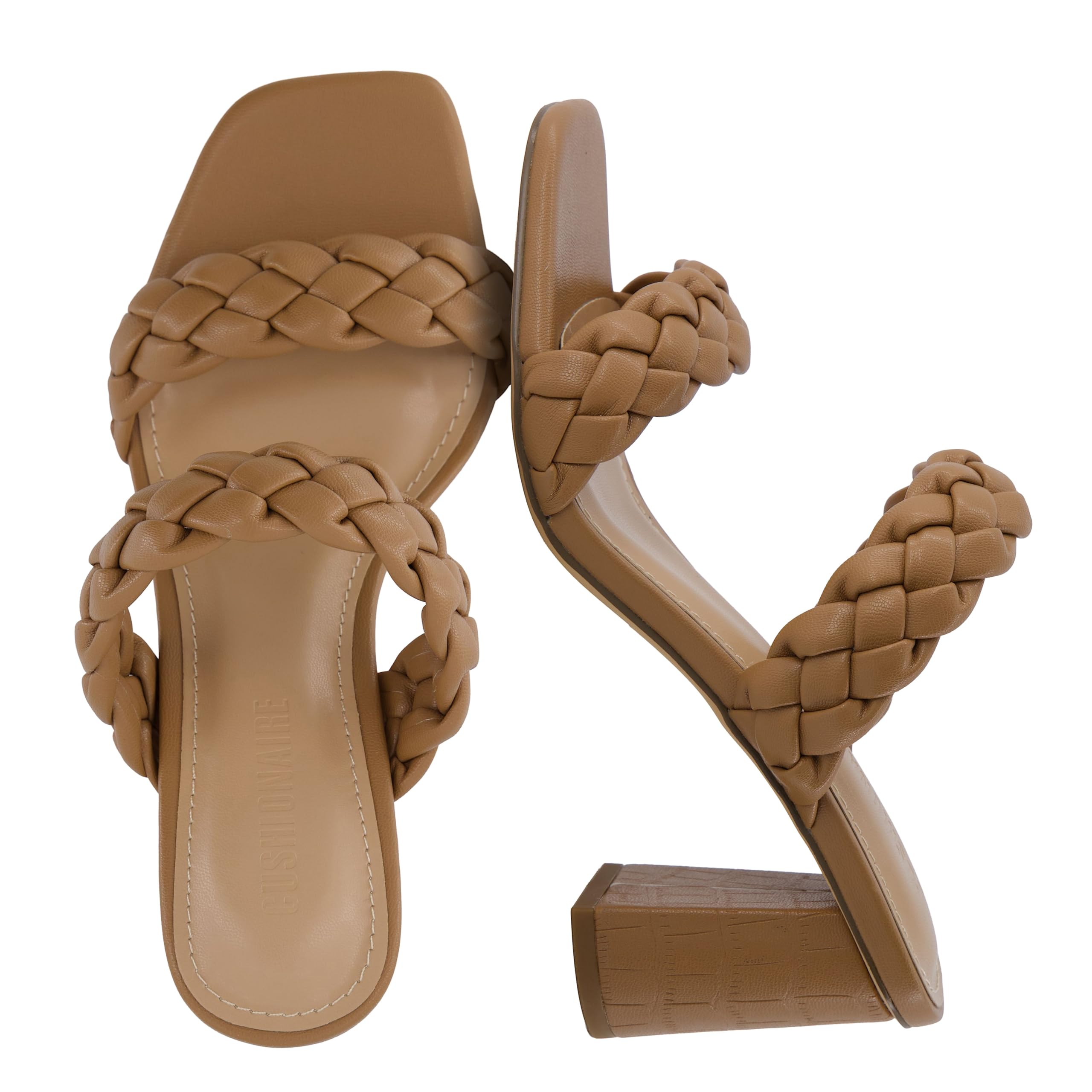

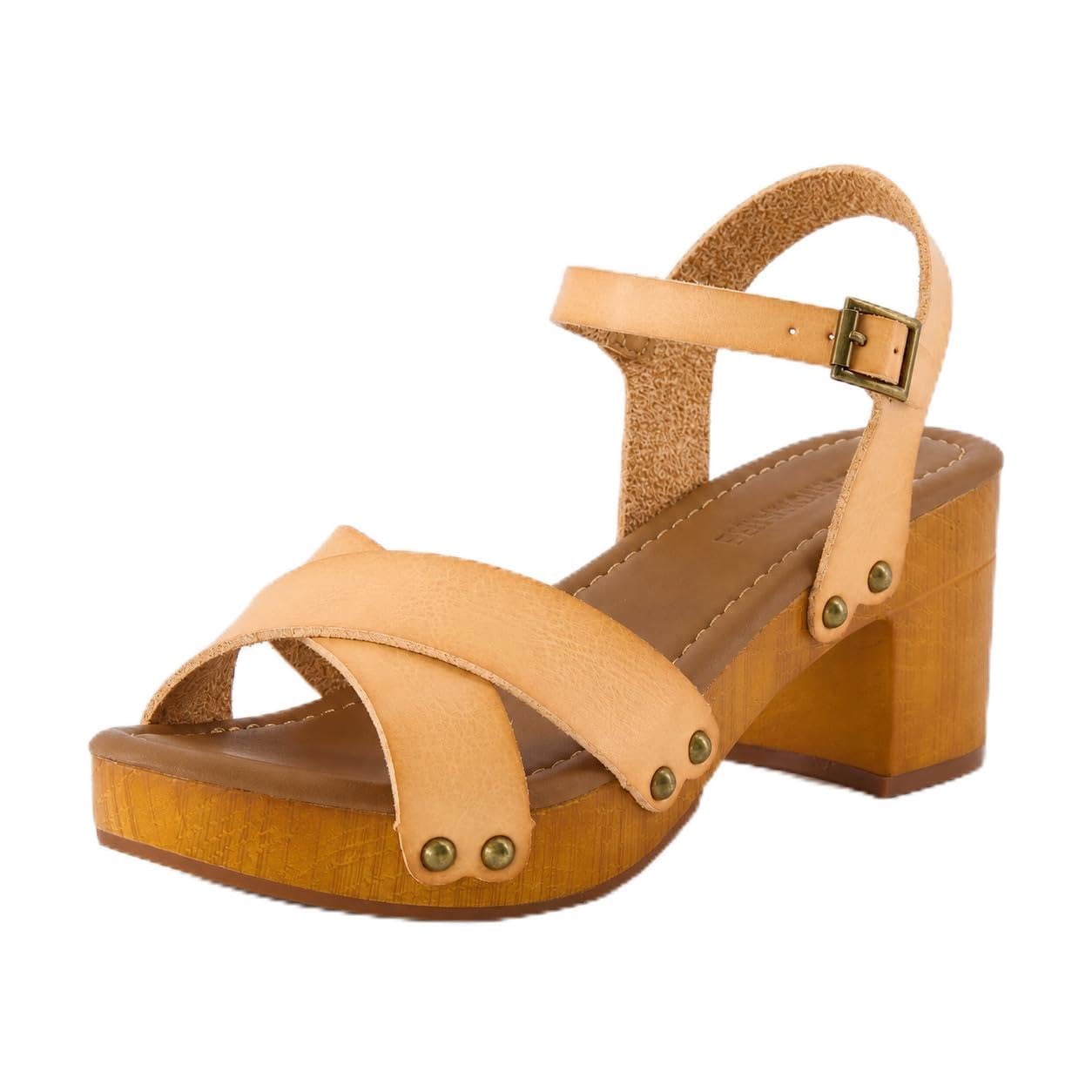


Three Buyer Profiles at a Glance
Rather than a single named pair, think in profiles. The three profiles below describe what a strong choice looks like for different buyers, what each gains, and what each gives up. Use them as a measuring stick for any pair you consider, in any shop, at any price.
The All Day Pair
A strong overall pair balances a heel around 2 to 3 inches with a slight platform under the toes, so the effective heel to toe drop feels gentler than the height suggests. Look for a cushioned footbed with visible arch support, adjustable straps that do not cut into the ankle, and a rubber outsole with real tread. The usual compromise is weight, since support and cushioning add material. If a pair feels light but hard under the heel, it will not stay comfortable past the first hour.
The Occasional Wear Pair
Value pairs, often around $40 to $80, keep the comfort basics and trim decoration. Expect a molded footbed, a stable blocky heel, and synthetic straps that wipe clean easily. You give up soft leather, deep cushioning, and fine stitching, and sizing can run less consistent between colors.
For weddings, dinners, and occasional dress wear, that trade makes sense. For daily walking, spend more on footbed quality, because a cheap hard footbed is the first thing your feet will notice and the last thing to improve with wear.
The First Heels Pair
If you rarely wear heels, start lower and wider. A heel around 1.5 to 2 inches, a broad base, and an ankle strap that buckles securely will feel steady from the first wear. Closed or partly covered heels hold the foot in place, and a padded insole softens each step while you build confidence.
Avoid tall platforms until you know how you walk in a raised shoe, since height plus a narrow base is the combination that twists ankles. Comfort now beats drama for a first pair.
How to Choose the Best Chunky Heel Sandals: Buying Guide
Fit and support decide whether a pair becomes a favorite or a regret, so work through these checks in order. Try sandals late in the day when feet are slightly swollen, walk on a hard floor rather than carpet, and try both feet, since most people have one foot slightly larger than the other.
Fit, Sizing, and Toe Box
Your heel should sit fully on the footbed without hanging off the back, and your toes should rest flat without curling over the front edge. Leave a small space, about a thumb width, in front of your longest toe. A roomy toe box matters because feet spread under weight, and straps that pin the toes cause blisters and numbness.
If you fall between sizes, size up when straps are adjustable and down only when the footbed runs clearly long. Measure both feet in the afternoon for your truest size.
Arch Support and Foot Type
Arch support spreads pressure across the foot instead of loading the ball and heel. Flat feet usually need a firmer molded arch and a stable heel cup to limit overpronation, while high arches need more cushioning to fill the gap under the midfoot. Press the footbed with your thumb: it should give slightly, then push back. If you live with ongoing foot pain, our guide to the best sandals for heel pain explains support features in more depth, and readers with a diagnosed spur may also find our guide to the best sandals for heel spurs useful.
Treat persistent pain as a health signal, not a shopping problem. See a doctor or podiatrist promptly if you notice swelling that does not settle, numbness, sharp pain that changes how you walk, or pain that lasts more than a few weeks. Talk with your clinician about your personal needs before relying on any footwear change to manage a condition.
Outsole Traction and Terrain
The outsole is your contact with the ground, and chunky heels are often worn on slick floors at weddings, restaurants, and offices. Look for rubber outsoles with grooves or a lug pattern that channels water, rather than smooth plastic that skates on tile. A heel base with a rubber cap grips better and wears slower than bare plastic.
On grass, a wide heel sinks far less than a thin heel, which is one reason this style suits outdoor events. Check grip by shifting your weight on a smooth floor before you commit.
Weight and Flexibility
A sandal should flex at the ball of the foot, where your foot bends, and stay firm through the arch. If the whole sole bends in the middle, support is weak.
If it does not bend at all, your calf and shin will do the extra work and tire fast. Weight matters over a full day too: very heavy platforms strain the front of the shin with every step. Pick up the pair and hold it at arm length for a few seconds. If it feels heavy standing still, it will feel heavier at hour six.
Upper Materials and Breathability
Leather straps soften and shape to your foot over time, and they breathe well in heat, but they need care and cost more. Synthetic straps cost less, resist water, and hold color, though they can feel stiff at the edges and trap heat. Knit and fabric uppers feel soft from the first wear and suit sensitive skin, but they stretch and offer less structure. Whatever the material, check the underside of each strap for rough seams, since that hidden edge is where most blisters begin on a long day.
Break In Period and Comfort Out of the Box
Good sandals should feel comfortable in the store, with only mild stiffness that fades over a few short wears. Wear a new pair around the house for an hour or two on two or three days before a big event, and add thin socks if a strap rubs while the material softens. Pain is not part of a normal break in period. If the footbed hurts your arch or a strap cuts skin after gentle home wear, return the pair rather than hoping time will fix a poor fit.
Types of Chunky Heel Sandals
Within this style, three families cover most needs. Knowing which family a pair belongs to tells you how it will feel after hours of wear, not just how it looks on the shelf.
Lightweight Sandals
Lightweight pairs use foam based footbeds and hollow or partly hollow heels to cut weight while keeping the chunky look. They suit travel, long receptions, and anyone whose legs tire easily, since each step costs less effort. The trade is durability and support, because soft foam compresses over a season or two of heavy use. Choose this family for events and occasional wear, and check that the foam feels dense rather than spongy when you press it.
Neutral Support Sandals
Neutral support pairs use a balanced footbed with moderate arch support and even cushioning, without strong corrective shaping. They suit the widest range of feet, including people who do not know their foot type, and they pair well with dresses, trousers, and casual outfits alike. If you want a firmer, more structured feel, our guide to the best heel support sandals covers models built around support first. Neutral pairs are the safest starting point for a first purchase in this style.
Water Ready Sandals
Water ready pairs swap leather for synthetic straps, use quick drying footbeds, and add grippy rubber outsoles for pool decks, beach paths, and summer rain. They will never look as formal as leather, and colors run casual, but they forgive splashes that would stain a dress pair. Rinse them after salt water and let them air dry away from direct heat. If most of your summer plans sit near water, start here, and for flat alternatives see our guide to the best chunky sandals without a raised heel.
Setup and Care Tips
A few habits keep straps supple, footbeds fresh, and heels steady through many seasons of wear.
- Rotate two pairs for daily wear. Resting a pair for a day lets cushioning recover and moisture dry out, which extends comfort and slows odor buildup.
- Air dry wet shoes away from direct heat. Heat cracks leather and warps foam, so dry sandals at room temperature with the straps open for airflow.
- Adjust straps to prevent heel slip. Set the ankle strap so your heel stays seated in the cup without the strap digging in, and recheck the fit as leather softens.
- Clean footbeds weekly in summer. A damp cloth with mild soap lifts sweat and sunscreen before they stain or make the surface slick.
- Replace worn heel caps early. A worn cap makes the heel uneven and slippery, and a shoe repair shop can swap caps cheaply before the heel itself is damaged.
- Store pairs with shape support. Keep straps buckled loosely and toes stuffed with tissue in the off season so uppers hold their shape.
One more event day tip: carry a small adhesive bandage in your bag for the first few wears of any new pair. A hot spot treated early rarely becomes a blister, and you can enjoy the day instead of hunting for a place to sit. Readers who prefer a lower, squarer profile can also compare our guide to the best block heel sandals for a close cousin of this style.
Chunky Heel Sandals: Your Questions Answered
How should chunky heel sandals fit?
They should fit with your heel fully seated on the footbed, toes flat with a small space at the front, and straps snug without pinching. Your foot should not slide forward as you walk, since sliding loads the toes and strains the ankle strap. Walk on a hard surface and take a few turns before deciding. If one foot is larger, fit to that foot and use strap adjustment or a thin insole pad to fine tune the smaller side.
Do chunky heel sandals need to be waterproof?
No, most pairs do not need to be waterproof, and leather dress styles should stay out of heavy rain. Choose water ready synthetic pairs if your plans involve pool decks, beach paths, or wet grass, because those materials dry fast and resist stains. For a single rainy commute, a standard pair will survive if you dry it slowly at room temperature afterward. Never dry leather with a heater or hair dryer, since heat causes cracking that no polish can undo.
How long is the break in period for chunky heel sandals?
Most comfortable pairs break in within two to four short wears at home, as straps soften and the footbed shapes slightly to your foot. Leather takes a little longer than fabric or knit, while molded synthetic footbeds change the least. Plan those home wears in the week before an event rather than the night before. Sharp pain, cutting straps, or heel slip that does not improve are signs of a bad fit, not a normal break in stage.
Can you wear chunky heel sandals all day?
Yes, many people can, if the heel stays around 2 to 3 inches, the platform reduces the effective drop, and the footbed supports your arch. Sit when you can, shift your weight often, and choose grippy outsoles for hard floors. People with foot, knee, or back conditions should be more cautious with any heel height and should ask their clinician what suits them. If your day involves miles of walking, a lower pair or a midday shoe change is the wiser plan.
Are expensive chunky heel sandals worth it?
They can be, because higher prices around $100 to $200 usually buy leather that shapes to your foot, denser cushioning that lasts, and replaceable heel caps and better stitching. Past that range, you mostly pay for styling and brand. Judge by footbed feel, strap edges, and outsole material rather than price alone. A mid priced pair with a molded arch and rubber outsole will out comfort a costly pair built only for looks.
Final Thoughts
Put fit, arch support, and outsole grip ahead of heel drama, and this style delivers height that feels steady for hours. Match heel height to your experience, break a new pair in at home, and compare your finalists in the product table above. That simple process will lead you to the best chunky heel sandals for your feet, your outfits, and your longest days. If foot pain persists in any heel, talk with your clinician about your personal needs.


