Best Coal Mining Boots: The Buyer Checklist for 2026
Disclosure: We may earn a commission when you buy through links on this page, at no extra cost to you. As an Amazon Associate I earn from qualifying purchases. Learn more

The best coal mining boots match your seam, water and shift length: a checklist on safety toes, met guards, waterproofing, traction, fit and daily care.
Underground coal work is hard on footwear in ways that most surface jobs never match. Low headings, wet floors, loose rock, and long walks over uneven ground all punish a boot during a single shift. That is why finding the best coal mining boots for your seam height, water conditions, and shift length matters far more than any claim printed on a box.
This guide walks through the checklist miners actually use, from safety toe ratings and metatarsal protection to traction, fit, and care. It explains how to read the comparison table below and what to check before you order. You will also find guidance for surface miners and prep plant crews, whose floors call for a different balance of grip, weight, and waterproofing.


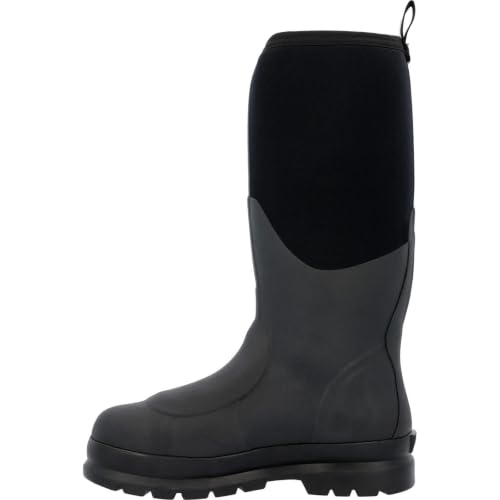


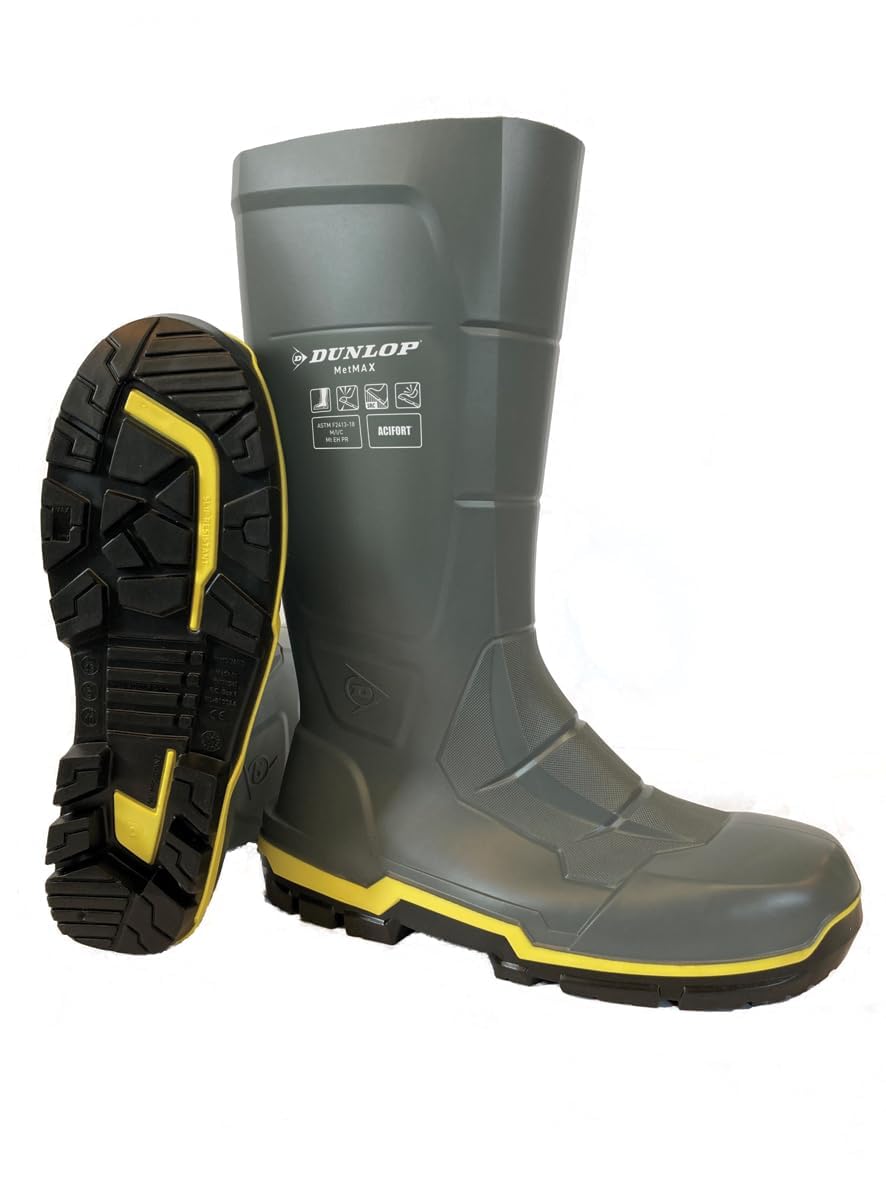


How to Evaluate Coal Mining Boots
Start with the hazards on your own section, then match each boot feature to one of those hazards. The product table above lets you compare toe type, shaft height, and waterproofing side by side. The six checks below explain what each spec means in daily use.
Fit, Sizing, and Toe Box
Measure your feet late in the day or right after a shift, when they are at their largest. Try boots on with the thick socks you wear underground, and check that the toe box leaves room for your toes to lie flat and wiggle without pressing the safety toe edge. Your heel should sit snug with only slight movement. Sizes and widths vary between brands, so order from the brand size chart, not from the size of your last pair. Solid arch support also matters, because it spreads load across your foot on long walks to the face.
Fit problems that linger are more than a comfort issue. Numbness, tingling, sharp heel pain, open sores that do not heal, or spreading redness around a blister all need prompt medical care. If you have diabetes or poor circulation, talk with your clinician about footwear needs before you choose a boot.
Durability and Expected Lifespan
Underground, durability is about resisting cuts, abrasion, and constant flexing in coal dust and grit. Thick full grain leather resists scuffs from rock better than thin split leather, and a rubber toe cap protects the spot that drags during kneeling work. Soles stitched as well as cemented hold up longer than soles held by glue alone. Cracked leather, lugs worn smooth, a separated sole, or a safety toe showing through the upper all mean the boot is near the end of its safe life.
Upper Materials and Breathability
Leather is the default upper for good reason, since it molds to your foot, resists abrasion, and can be conditioned for years. Rubber uppers shrug off standing water and wash downs completely, but they trap heat and sweat because the material cannot breathe. Synthetic panels cut weight and dry fast, yet they scuff and tear sooner against sharp rock. Some leather boots add a waterproof membrane such as Gore Tex, which blocks outside water while letting some moisture pass out.
Weight and Flexibility
Every extra ounce on your foot is lifted thousands of times in a shift, so heavy boots can leave your legs tired long before the work ends. Lighter boots reduce that fatigue, but they often use thinner leather and softer soles that wear faster. The boot should flex at the ball of your foot so you can kneel, crawl, and climb in low seams, while a firm shank under the arch adds stability on loose rock and ladder rungs.
Outsole Traction and Terrain
The outsole is your only contact with floors that swing between wet rock, mud, loose coal, and slick steel in a single trip. Deep and widely spaced lugs bite into mud and gravel and shed packed dirt as you walk, while softer rubber grips wet rock and plant floors better than hard rubber, which lasts longer but can skate on smooth wet surfaces. Open tread channels move water out from under your foot, since a film of water on smooth rock causes many slips.
Break In Period and Comfort From the First Shift
Stiff leather boots rarely feel perfect on day one, and a fair measure is whether pressure points ease as the leather softens over the first few shifts. A good fit should never pinch the toes or rub the heel raw, even when new, because those faults do not break in away. Rubber boots need almost no break in, but the fit has to be right from the start since the material will not stretch.
Choosing Protection, Waterproofing, and Shaft Height
Once a boot passes the basic quality checks above, three decisions shape its protection. Toe protection, water management, and shaft height should all follow the requirements of your mine operator and the conditions on your section, not habit or price.
Safety Toe, Metatarsal Guards, and Puncture Resistance
Every boot you consider should carry a printed impact and compression rating inside the boot that meets the standard your operator requires. Steel toes are strong and slim, but they conduct cold on winter surface work and add weight. Composite toes are lighter and do not conduct cold the same way, though the bulkier cap needs a roomier toe box. Metatarsal guards shield the bones on top of your foot from falling rock and dropped tools. A puncture resistant plate guards against sharp points pushing through the sole. If your work also covers metal mines or hard rock sites, see our guide to the best mining boots to compare how general mining footwear handles those hazards.
Waterproofing, Rubber Boots, and Insulation
Let the deepest water you actually stand in make this call. Membrane lined leather boots handle damp floors, spray, and shallow puddles while staying lighter and cooler for long walks. Tall rubber boots are the safer pick for standing water, sump areas, and prep plant wash downs, with no stitched seams for water to enter. Insulation earns its place on cold surface shifts, but in warm underground sections it mostly makes your feet sweat, and damp socks raise your risk of blisters.
Shaft Height, Laces, and Pull On Styles
A boot around 6 inches high suits smoother surface ground, while 8 to 10 inch shafts support your ankle on uneven bottom and keep coal fines and shallow water out. Laces let you tune the fit across your instep and ankle, though loose ends must be tucked away from moving equipment. Pull on styles go on fast with gloves and have no laces to fail, but the fit is fixed, so check heel lift carefully.
Quick Buyer Checklist
Run through these questions before you buy, and treat any no answer as a reason to keep looking. A boot can look like one of the best coal mining boots on the shelf and still fail the check that matters on your section.
- Does the printed toe rating meet the standard your mine operator requires?
- Do you have room to wiggle your toes without touching the safety toe edge?
- Does the shaft height match the water and ground on your section?
- Are the lugs deep and open enough to shed mud?
- Can you flex the forefoot by hand while the arch still feels firm?
- Does the boot come in your width, not just your length?
- Is the insole removable so you can fit your own support?
Red Flags to Watch For
Weak boots often announce themselves in the listing, so watch for these signs and walk away when you see them.
- The listing claims heavy duty protection but prints no toe rating, so you cannot verify it meets any standard.
- The outsole is nearly smooth, so it will skate on wet rock and plant floors from the first shift.
- The price sits far below similar rated boots with no warranty stated, which often means thin materials and weak bonding.
- The size chart lists no width options, so wide feet get squeezed against the safety toe.
How to Make Your Coal Mining Boots Last Longer
Brush off coal dust and dried mud after each shift, then rinse off grit with clean water when the boots are caked. Grit left in the flex folds works like sandpaper on leather and stitching, so this habit protects the upper. Pull the insoles out and let everything air dry away from direct heat, since heaters dry leather too fast and leave it stiff and cracked.
Once leather boots are dry, work in a conditioner to replace the oils that water and dust pull out. Rotate two pairs on back to back shifts if you can, because rest lets the insole foam recover its cushion. Replace worn laces and flattened insoles, check weekly for sole separation and exposed toe caps, and retire any boot whose protective parts are damaged.
Coal Mining Boots: Your Questions Answered
How often should you replace coal mining boots?
You should replace coal mining boots when protection or traction is compromised, not on a fixed date. A useful signal many miners miss is new foot and knee soreness after shifts that used to feel fine, which often means the insole and midsole have packed down and stopped absorbing load. Keep a serviceable spare pair ready, so a sudden sole separation never forces you into unbroken boots for a full week.
How should coal mining boots fit at the toes and heel?
Coal mining boots should fit with about a thumb width of space ahead of your longest toe and a heel that lifts only slightly as you walk. Lacing technique adds one point the fit section does not cover. A runner style heel lock, made with the top extra eyelet, can hold your heel down on steep grades without crushing your instep. Bring your own insoles to the fitting, because they change the room in the toe box.
Do coal mining boots need to be waterproof?
Coal mining boots need to be waterproof only when your section has standing water, heavy spray, or wash down duties. Note that any waterproof boot dries slowly once water comes over the shaft, because the membrane that keeps water out also slows its escape. If your water is ankle deep but your shaft is shorter, raise the shaft height or add gaiters rather than blaming the membrane.
How long is the break in period for coal mining boots?
The break in period for coal mining boots is usually several shifts spread over one to two weeks for stiff leather styles. Lower the risk during that window by wearing the new pair for travel and lighter tasks first while your older pair handles the heaviest work. If a hot spot forms, cover it with blister padding before it breaks the skin, because an open blister underground stays exposed to coal dust and moisture.
Are expensive coal mining boots worth the higher price?
Expensive coal mining boots are worth the higher price when the money buys verified ratings, repairable welted soles, and thicker leather rather than styling. Judge value by cost per shift, where a boot at about $250 that lasts twice as long as a boot at about $150 is the cheaper tool over its life. A premium name never guarantees a fit for your foot shape, though, so keep the fit checks in this guide.
Wrapping Up
Three checks decide most purchases. Get the toe and metatarsal protection your operator requires, match the outsole and waterproofing to your floors and water, and insist on a fit that still feels sound at the end of a shift. Use the product table above to line up your finalizts against those checks before you order. Chosen that way, the best coal mining boots are simply the pair whose ratings match your hazards and whose fit holds up at hour ten, not just hour one.