Best Bike for Mountain and Road for 2026: What Actually Matters Before You Buy
Disclosure: We may earn a commission when you buy through links on this page, at no extra cost to you. As an Amazon Associate I earn from qualifying purchases. Learn more
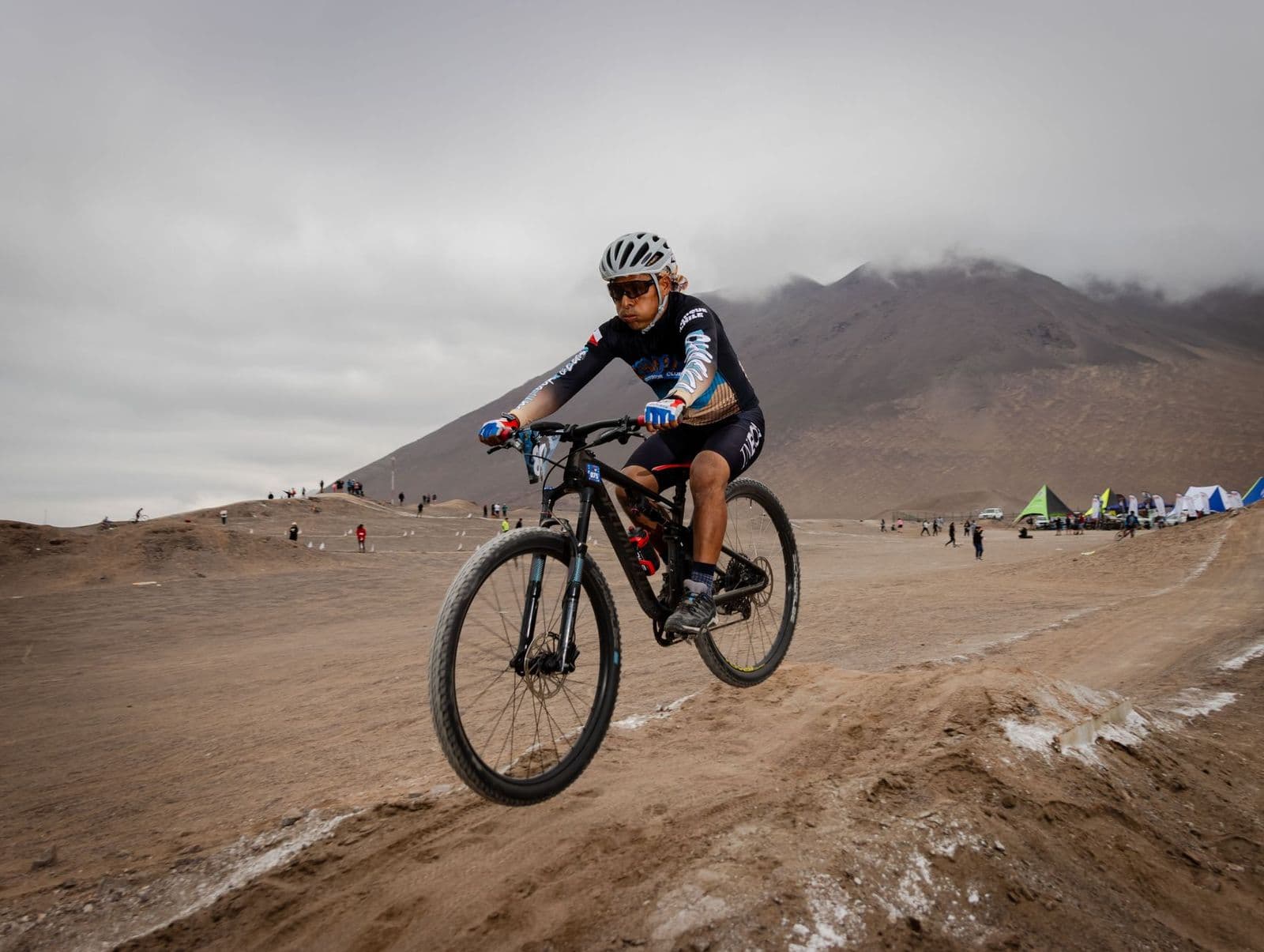
How to choose the best bike for mountain and road riding: compare frame, gearing, tires, and suspension to match your trail and pavement mix.
A bike that works well on both trails and pavement has to balance grip, comfort, rolling speed, and control. The best bike for mountain and road is not the toughest trail machine or the fastest road machine. It is the setup that matches how much of your riding happens on dirt, how much happens on pavement, and how much weight you carry. Use the feature sections below to see the main trade offs side by side before you look at prices.
This guide uses a simple checklist instead of product picks. Work through frame style, gearing, wheels, tires, suspension, and fit first. Then set a spending range that fits your riding mix. A clear checklist helps you avoid paying for trail capability you rarely use, or buying a fast road setup that feels harsh and unsure on loose ground.
Key Features of the Best Bike for Mountain and Road
The features below matter because mountain and road riding pull a bike in different directions. Trails reward traction, control, and a stable position. Pavement rewards efficient rolling, a comfortable reach, and gearing that suits steady speed. Judge each feature by your mix, not by a single headline number.
Features That Matter for Mountain and Road
Start with fit, tire clearance, gearing range, braking, and frame stiffness. A bike with wide tire clearance can run knobby tires for dirt and smoother tires for pavement. Strong brakes matter on steep descents and in wet road traffic.
A frame that feels stable at low trail speed but not sluggish on pavement is a good sign. A hybrid style option is covered in our guide to best mountain bike road bike hybrid. Check that mounts, fenders, and racks fit your plans, since those details affect daily use more than a small weight difference.
Bike Type and Riding Style
Cross country and trail bikes suit rough ground, while gravel and hybrid bikes suit mixed surfaces and longer pavement rides. A commuter e bike can suit hilly routes and loaded trips, but it adds weight and charging needs. Think about your longest ride, your steepest climb, and the roughest surface you ride each week.
A bike built for that hardest regular ride, rather than an occasional adventure, usually gives the best balance. See our guide to best mountain bike for road riding for mixed surface setups in more detail.
Drivetrain and Gearing
Gearing decides whether you can climb a steep trail and still pedal comfortably on flat pavement. A wide range helps, especially when you carry a bag or ride with a load. A single front chainring simplifies shifting and trail riding, while a double front setup can offer finer steps for road speed.
Check shift quality under load, chain retention on rough ground, and how easy the system is to service. Pedal choice is covered in our guide to best mountain bike pedals for road bike. Avoid gearing that leaves you spinning out on descents or walking up climbs you ride often.
Motor, Battery, and Range for E Bikes
For e bikes, compare motor position, battery size in watt hours, assist levels, and claimed range in real riding conditions. A mid drive motor often climbs well and feels balanced on trails, while a hub motor can suit smoother mixed routes. Range drops with hills, headwinds, soft tires, and heavy loads, so treat any single range figure as a best case estimate.
Check charging time, battery removal, and whether local rules set limits on assist speed or motor power. Never adjust settings, displays, or controls while riding.
Wheel Size and Tires
Wheel size affects roll over, handling, and fit. Larger wheels roll over roots and ruts with less effort, while smaller wheels can feel nimble on tight trails. Tubeless tires can lower pressure for trail grip and reduce pinch flats, but they need correct setup and sealant care.
For mixed use, look for a tire tread that grips loose dirt without dragging heavily on pavement. Check tire width clearance, since that choice limits how far you can adapt the bike later. For tire choice, see our guide to best mountain bike road tire.
Suspension and Travel
Suspension travel is measured in millimeters and should match your roughest regular terrain. Around 100 millimeters suits smoother trails and mixed routes, while 120 to 160 millimeters suits rougher descents and larger obstacles. A hardtail has suspension only at the front, so it is simpler, lighter, and easier to maintain.
Full suspension adds rear comfort and control, but it adds weight, cost, and service needs. Lockout or firm settings can help on pavement, but they do not turn a trail bike into a road bike.
Spending Levels to Consider
Use spending levels as a planning tool, not as a promise about quality. The right level depends on how often you ride, how rough your trails are, and how long you plan to keep the bike. The checklist below can help you compare the main bike types before you set a budget.
Lower Spending Level
A lower spending level can suit riders who mix gentle trails with pavement and ride a few times each month. Expect a simple hardtail or hybrid frame, basic suspension, and mechanical or entry level hydraulic brakes. Focus on correct size, reliable shifting, and tires that suit your surfaces. Spend any remaining money on a helmet, lights, and a basic service, since fit and safety matter more than a marginal upgrade in one part.
Mid Spending Level
A mid spending level often suits weekly riders who want better suspension control, wider gearing, and stronger brakes. You may find a lighter frame, tubeless ready wheels, and a more refined fork. This level can make rough trails feel smoother without the service demands of a high end full suspension bike. Compare the whole package, since a strong frame with average wheels may serve you better than a flashy fork on a frame that does not fit well.
Higher Spending Level
A higher spending level can suit frequent riders, steep terrain, or long mixed routes where comfort and control matter all day. Expect lighter materials, more adjustable suspension, and higher quality drivetrain parts. Even here, fit and tire choice matter more than small weight savings. Before paying more, confirm service access, spare part availability, and warranty support, since a bike you cannot maintain easily loses value fast.
Quick Buyer Checklist
- Does the frame size give a comfortable reach on both climbs and flat pavement?
- Can the bike accept tires wide enough for your roughest regular trail?
- Is the gearing low enough for your steepest climb with your usual load?
- Do the brakes feel strong and controlled on a steep descent?
- Does the suspension match your roughest trail, without feeling vague on pavement?
- Can you fit fenders, racks, or lights if your road use needs them?
- Is local service available for the suspension, brakes, and drivetrain?
- Does the total cost leave room for a helmet and basic safety gear?
Red Flags to Watch For
- Vague frame, fork, or brake details that make real comparison hard.
- No clear size chart or guidance for reach, standover, and rider height.
- A suspension fork with no service guidance or spare part support.
- Claims that sound absolute, such as a bike that never needs service.
- Very short warranty cover on the frame, fork, or electrical parts.
Setup and Care Tips
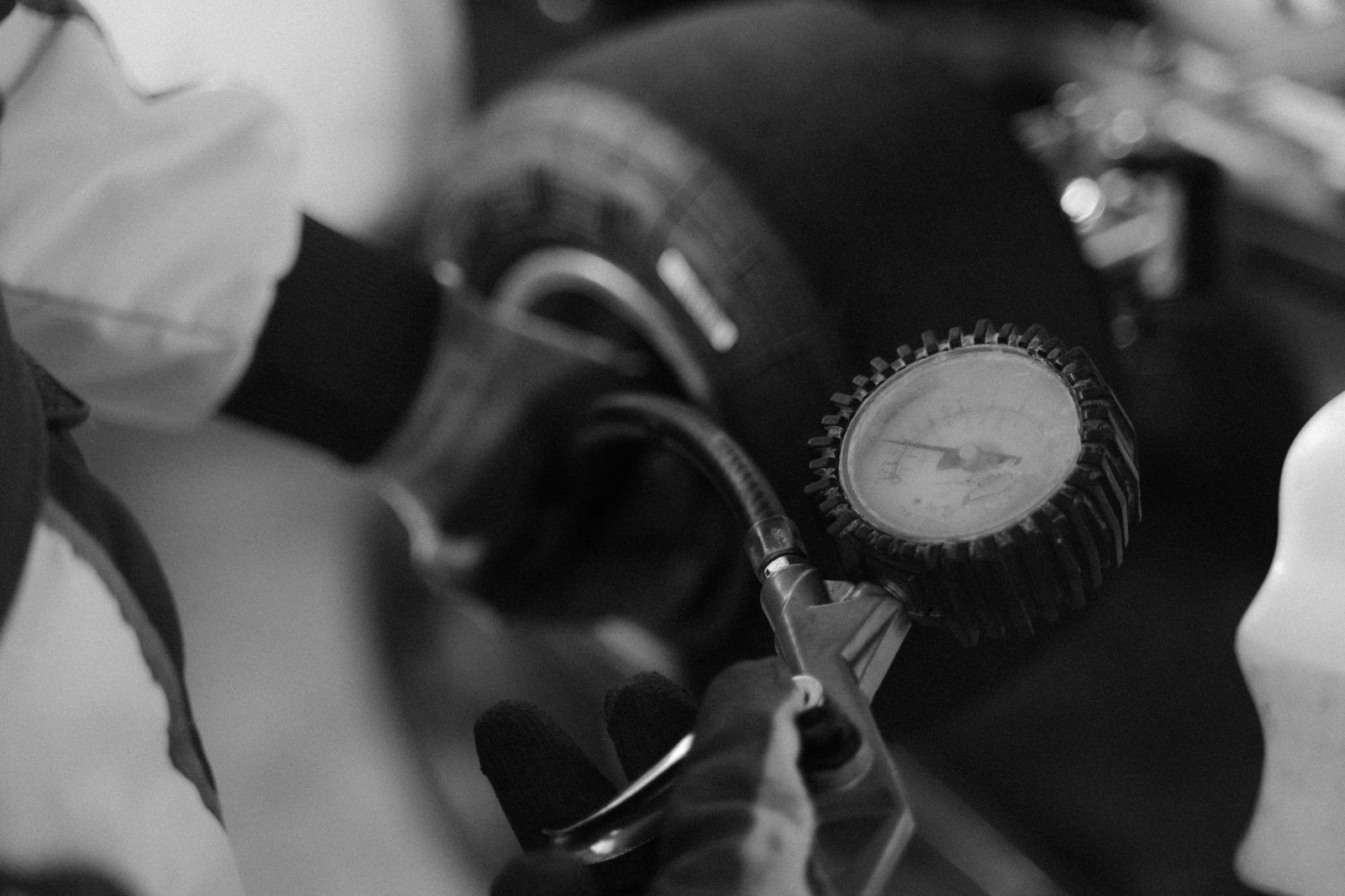
Check tire pressure before every ride, since pressure affects grip, comfort, and rolling speed on both surfaces. Clean and lubricate the chain every 100 to 200 miles, and sooner after muddy or wet rides. Have a professional tune up yearly, or sooner if shifting, braking, or suspension feels off.
Wear a helmet on every ride and never adjust controls while riding. Follow the helmet maker's instructions on replacing it after a crash. Keep bolts torqued to maker guidance and inspect the frame and fork after a hard impact.
Frequently Asked Questions
What features matter most in bikes for mountain and road?
Fit, tire clearance, gearing range, brakes, and suspension matter most for mixed riding, since fit decides comfort and control on climbs, descents, and long pavement stretches. Tire clearance lets you switch between trail grip and smoother road rolling. Gearing range keeps steep climbs manageable without wasting road speed. Strong brakes add control on descents and in traffic, while suspension should match your roughest regular trail.
How far can an e bike go on one charge?
Range depends on battery size, assist level, hills, wind, tire pressure, rider weight, and load. A gentle pavement ride at a low assist level goes much farther than a steep trail ride at high assist. Treat maker range figures as best case estimates, not promises for your route. If your regular ride is hilly or loaded, choose extra battery capacity or plan a charging stop.
What e bike class is legal where I live?
E bike classes and local rules vary, so check the rules where you ride before buying. Some places limit assist speed, motor power, or trail access for certain classes. A class that is legal on roads may not be allowed on every trail. Ask a local shop or check local transport guidance if the rules are unclear, since fines and trail bans can follow an incorrect choice.
Hardtail or full suspension for beginners?
A hardtail often suits beginners who ride mixed surfaces, since it is simpler, lighter, and easier to maintain. It also teaches line choice and body position on trails. Full suspension suits riders who regularly face rough descents and want extra comfort and control. If your trails are mostly smooth and your pavement miles are high, a hardtail usually gives better value and simpler care.
How much should I spend on my first bike?
Spend based on riding frequency, terrain, and how long you plan to keep the bike. Occasional mixed riders can start at a lower level and invest in fit and safety gear. Weekly riders on rougher trails may benefit from better suspension and brakes. Leave room in the budget for a helmet, lights, and a first service, since those items affect safety and long term enjoyment more than a minor part upgrade.
What size bike do I need?
Size depends on height, leg length, reach, and riding style, not height alone. Use the maker size chart as a starting point, then check standover clearance and reach in a riding position. A bike that feels stretched on pavement will feel worse on technical trails. If you fall between sizes, try both when possible and choose the size that feels balanced on climbs, descents, and flat riding.
Final Thoughts
Fit, tire clearance, gearing, and suspension control matter more than any single headline feature. Choose a bike for your hardest regular ride, not for an occasional extreme trip. The best bike for mountain and road is the one that feels stable on dirt, efficient on pavement, and comfortable enough to ride often. Use the checklist above to compare bike types, then confirm size and service support before you buy.