
Best Clipless Mountain Bike Shoes for 2026
Disclosure: We may earn a commission when you buy through links on this page, at no extra cost to you. As an Amazon Associate I earn from qualifying purchases. Learn more

Compare clipless mountain bike shoes by budget, fit, cleat compatibility, sole stiffness and walking comfort, so you can spend where it matters most.
Shopping for the best clipless mountain bike shoes can feel confusing because prices range widely, and the differences are not always obvious at first glance. This guide compares spending levels, fit, cleat compatibility and sole design in plain language, so you can see where extra money helps and where it does not. Use the comparison table below to narrow the field, then match the details to the way you actually ride.
A good pair should feel secure on the pedal, comfortable enough for the length of your rides, and practical when you step off the bike. The right choice depends less on chasing the highest price and more on fit, cleat style, tread and how much walking your rides include. Keep those four points in mind as you read, and the rest of the decisions become much simpler.

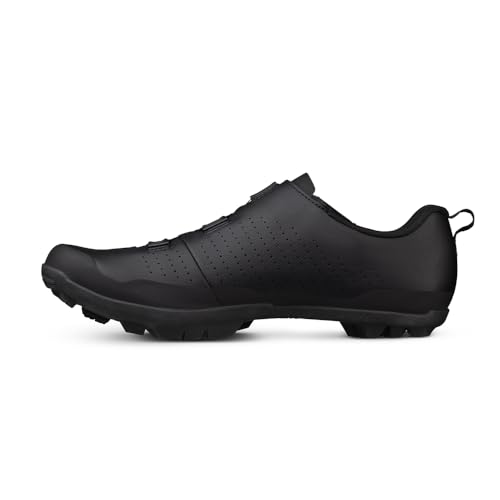


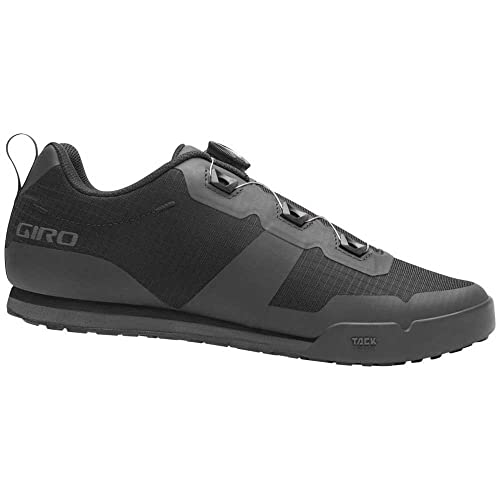

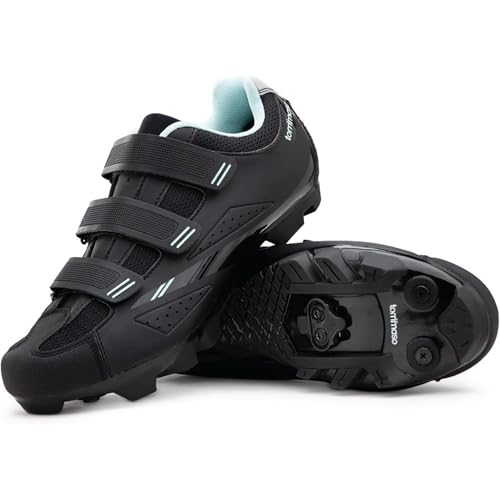
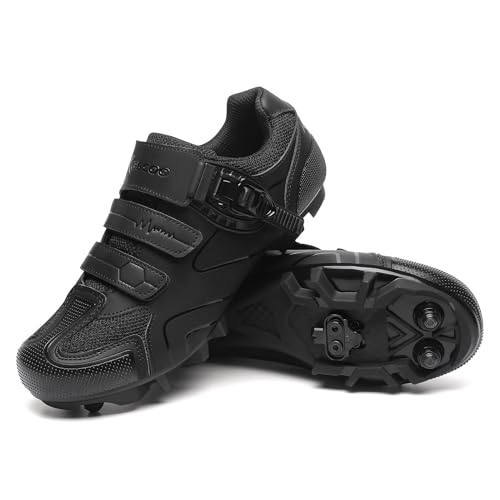

Spending Levels Compared
Budget, midrange and premium shoes differ mainly in sole material, closure quality, weight and finish. Budget pairs usually use a flexible nylon sole, simple straps or laces, and a basic tread pattern. They work well for shorter rides and for riders who are still learning to clip in and out.
Midrange pairs add a stiffer sole, a more secure closure system and better tread grip for walking on loose ground. Premium pairs use lighter materials, a carbon reinforced sole and a more refined fit, which matters most on long rides and in races where small gains add up.
| Spending level | Best for | Typical traits | Typical price |
|---|---|---|---|
| Budget | New riders and short rides | Flexible sole, simple closure | around $80 |
| Midrange | Regular trail riders | Stiffer sole, secure closure, grippy tread | about $120 to $180 |
| Premium | Long rides and racing | Light build, stiff sole, refined fit | about $200 to $300 |
Budget Level Shoes
Budget shoes suit riders who want to try clipless pedals without a large outlay. The sole is usually flexible enough to walk in, which helps on hike a bike sections and at trailheads. Closures tend to be simple straps or laces, so take time to set them evenly and check that your heel stays put.
The trade off is weight and pedalling efficiency, since a softer sole bends more under hard efforts. For rides under two hours on moderate trails, that trade off is often acceptable.
Midrange Level Shoes
Midrange shoes are the sweet spot for most regular riders. The sole is stiff enough to transfer power well, yet the tread still grips when you walk on dirt, rock or wet roots. Closures usually combine a dial or ratchet with straps, which lets you fine tune fit during a ride.
Ventilation and padding also improve at this level, so feet stay more comfortable on warm days. If you ride several times a week, this level usually gives the best balance of comfort, durability and price.
Premium Level Shoes
Premium shoes focus on weight, stiffness and a precise fit. A carbon reinforced sole keeps the foot stable and reduces wasted effort on climbs and sprints. Closures allow small adjustments, and the upper often uses lighter, more durable materials that hold their shape over time.
These gains matter most for racers and for riders who spend many hours in the saddle each week. For casual riding, the extra cost may not change your experience enough to justify it, so weigh your riding time against the price.
Features Worth Paying For and Ones to Skip
Some features improve every ride, while others only matter in specific situations. Fit and cleat compatibility sit at the top of the list, because a shoe that hurts or does not match your pedals will disappoint at any price. Sole stiffness matters next, followed by tread grip for walking.
Colour, branding details and exotic materials matter far less unless you ride at a competitive level. Spend first on the factors that affect comfort and control, and treat the rest as optional.
Fit, Sizing and Comfort
Fit matters more than any other feature. Your toes should have room to move slightly without sliding forward on descents, and your heel should stay seated when you pull up on the pedal. Try shoes later in the day when feet are slightly larger, and wear the socks you plan to ride in.
Width varies between makers, so a wide foot needs a wide last rather than simply a larger size. For fit guidance aimed at women riders, see our guide to best women's clipless mountain bike shoes, and for men riders, see our guide to best men's clipless mountain bike shoes. If a shoe pinches in the shop, it will almost certainly pinch on the trail, so do not expect it to break in enough to fix a poor fit.
Compatibility With Your Bike and Gear
Most mountain bike shoes use a two bolt cleat pattern, which suits the pedals most trail riders use. Check that your pedals accept that pattern before you buy, and confirm whether cleats are included or sold separately. Also check that the tread around the cleat lets you clip in easily and walk without the cleat striking the ground too hard.
If you already own pedals, bring that detail to your search, since a mismatch means extra parts or a return. New riders can also read our guide to best mountain bike clipless pedals for beginners before choosing a pedal system. A short check here saves a frustrating first ride.
Materials and Weight
Sole material drives both weight and pedalling feel. Nylon soles are affordable, durable and flexible enough for walking, while carbon reinforced soles are lighter and stiffer for power transfer. Uppers range from synthetic leather to mesh panels, with mesh improving airflow on hot days and sturdier panels improving protection on rough trails.
Lighter shoes feel better on long climbs, but durability and walking comfort matter more for most trail riders. Choose the balance that matches your terrain rather than chasing the lightest option by default.
Sole Stiffness and Walking Comfort
Sole stiffness is a trade off, not a simple case of stiffer being better. A very stiff sole transfers power well but can feel awkward on foot, especially on steep or rocky hike a bike sections. A moderately stiff sole still pedals well while letting you walk more naturally, which suits trail riding with mixed terrain.
Look at the tread depth and rubber coverage too, since a grippy tread helps on wet roots and loose gravel. If your rides include regular walking, favour a shoe that balances stiffness with a tread you can trust on foot.
Choosing Clipless Mountain Bike Shoes for Your Situation
Your riding style should shape the final choice more than any single specification. Trail riders who mix climbing, descending and walking need grip and comfort. Racers can favour stiffness and weight.
Commuters and tourers need durability and easy walking. Read the two sections below if either situation matches yours, and use them to filter the broader advice above.
Best Clipless Mountain Bike Shoes for Walking
For walking, use a recessed cleat, a flexible midsole and a full tread that covers the sole. Recessed cleats sit below the tread surface, so you can walk on firm ground without clacking or slipping. A slightly softer sole and a roomy toe box also help on longer walks, while a grippy rubber tread handles mud and wet rock. Avoid very stiff race soles here, since they make walking tiring and can feel unstable on uneven ground.
Best Clipless Mountain Bike Shoes under 100
Under 100, focus on fit, a two bolt cleat pattern and a durable tread, rather than on light weight or premium materials. At this price, expect a nylon sole, simple straps or laces, and a tread that handles short walks well. Check the closure carefully, since a secure fit matters more than a fancy sole at this level.
Also confirm whether cleats are included, so the total cost stays within your budget. For new riders, this level is a sensible way to learn clipless riding before spending more.
Common Mistakes to Avoid
- Buying the wrong size because you guessed from another brand, since sizing varies and a poor fit causes pain on every ride.
- Ignoring cleat compatibility, which can leave you with shoes that do not match your pedals.
- Choosing the stiffest sole by default, even when your rides include a lot of walking.
- Skipping a walk around the shop, so you only discover poor tread grip on a muddy trail.
- Forgetting to budget for cleats, which may be sold separately and add to the total cost.
Long Term Costs to Factor In
Cleats wear with walking and clipping in, so plan to replace them when engagement feels loose or release feels vague. Tread wear also affects walking grip, especially if you often walk on pavement. Insoles can be replaced to refresh comfort, and closures can sometimes be repaired with spare parts from the maker.
A higher priced shoe is not automatically cheaper over time, since a well fitting midrange pair that you maintain often lasts longer than a premium pair that never fit properly. Follow the maker guidance for cleaning and drying, and store shoes away from direct heat.
Clipless Mountain Bike Shoes: Your Questions Answered
How do I choose the right size for clipless mountain bike shoes?
Start with your usual shoe size, then check the maker size chart and measure both feet, since one foot is often slightly larger. Try shoes with your riding socks, and make sure your toes do not touch the front when you stand or lean forward. Walk around and check that your heel stays seated and the forefoot does not feel cramped. If you are between sizes, consider width options before sizing up, and remember that a shoe that feels tight in the shop rarely feels better on the trail.
What should I check for cleat compatibility?
Check that the shoe uses the two bolt pattern your mountain bike pedals accept, and confirm whether cleats come in the box. Look at how far the cleat recesses into the tread, since a deeper recess makes walking easier and protects the cleat. Also check float, which is the small amount of side to side movement the cleat allows, because it affects knee comfort. If you use a different pedal system, confirm the pattern before ordering, since returning shoes over a mismatch wastes time and money.
Are clipless pedals or flat pedals better for beginners?
Flat pedals are easier for beginners who want to put a foot down quickly, while clipless pedals offer a more connected feel once you learn the release motion. Beginners who choose clipless should practise clipping in and out in a safe, flat area before hitting trails. Set the release tension low at first, so unclipping feels easy and natural.
Many riders start on flats and move to clipless later, and that gradual path is sensible if you are unsure. Choose based on your confidence and terrain, not on what other riders prefer.
How often should I replace clipless mountain bike shoes?
Replace shoes when the sole loses stiffness, the tread no longer grips on foot, or closures no longer hold your foot securely. Cleats usually wear faster than shoes, so replace them first if clipping feels loose. Heavy riders and frequent riders wear parts faster, while occasional riders can expect several seasons from a well made pair.
Inspect the sole, tread and closures after muddy or wet rides, and clean off grit that speeds wear. When fit or safety suffers, replacement matters more than squeezing out extra months.
How do I make walking in clipless shoes more comfortable?
Choose a shoe with a recessed cleat, a flexible midsole and a grippy tread that covers the full sole. Keep cleat bolts tight and replace worn cleats, since a loose or worn cleat makes walking awkward. Walk with shorter steps on loose or wet ground, and avoid long pavement walks in very stiff soles.
If your rides include long hike a bike sections, a trail oriented shoe with a softer sole will feel much better than a race shoe. Comfort on foot is a real buying factor, not an afterthought, for mixed terrain riding.
Final Thoughts
Fit, cleat compatibility and sole design matter more than price alone when you choose the best clipless mountain bike shoes. A midrange pair that fits well and matches your pedals will serve most trail riders better than a premium pair that pinches or slips. Check the product table above once more, compare spending levels against your riding time and walking needs, and follow maker safety guidance for setup and use. Ride within local trail rules, practise clipping in and out before technical terrain, and let comfort guide the final call.


