Best Clip on Laptop Speakers: Budget, Midrange, and Premium Picks for 2026
Disclosure: We may earn a commission when you buy through links on this page, at no extra cost to you. As an Amazon Associate I earn from qualifying purchases. Learn more

Laptop users can compare the best clip on laptop speakers by budget, covering clip fit, sound output, connections, and the features worth paying for.
Laptop speakers are built to fit inside a thin chassis, and it shows. Dialogue gets muffled, music loses its low end, and you end up leaning toward the screen just to follow a meeting. A small speaker that clips to the top or side of your display fixes that without filling your desk with extra gear.
Prices for these speakers range from under $20 to well over $100, and the gap is not always obvious from a product photo. This guide to the best clip on laptop speakers breaks down what each budget actually buys, which features deserve your money, and which ones you can safely skip before you check the comparison table below.
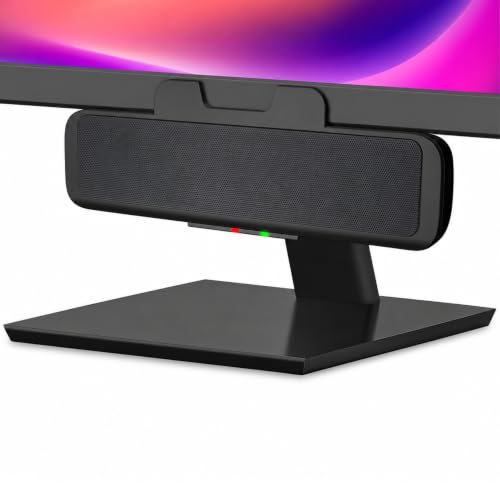


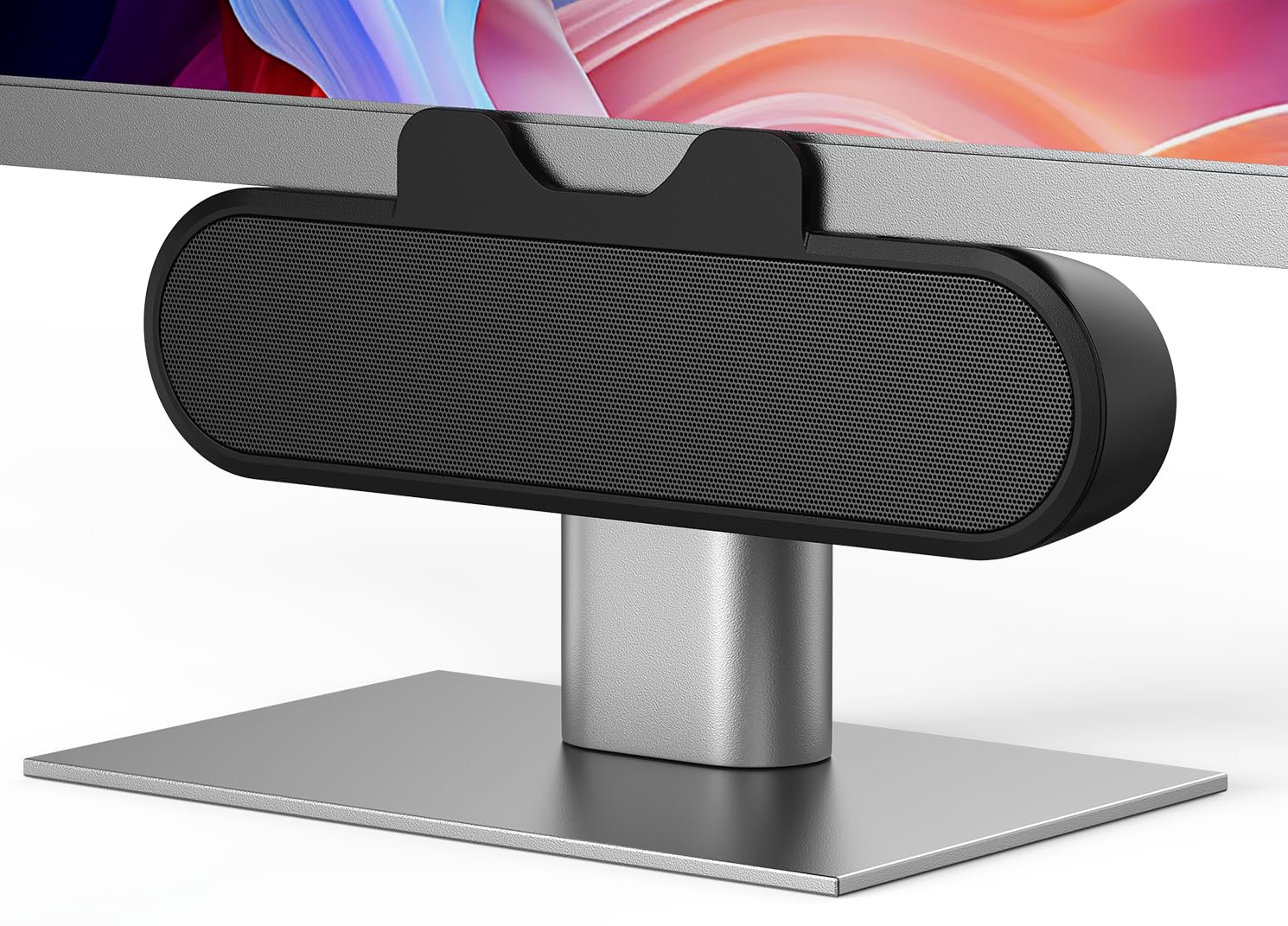
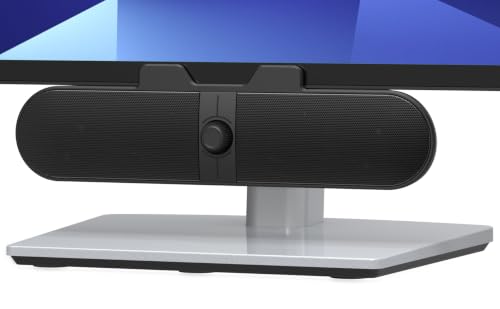
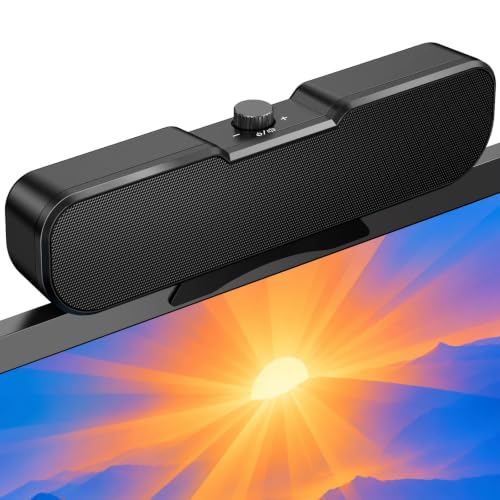
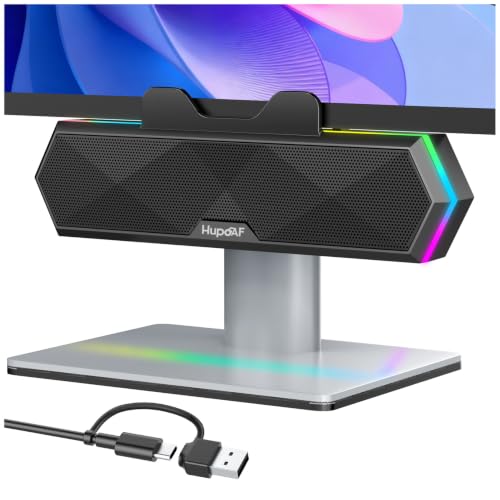
What a Strong Speaker Looks Like at Each Budget
Rather than naming specific models, use these profiles to judge any speaker in the product table above. Each profile describes who it suits, what it does well, and where it falls short.
The Budget Profile
A good budget speaker, usually around $20 to $35, focuses on clear speech and simple setup. Expect a single compact unit, USB power, and a wired connection that your laptop recognizes instantly with no software to install. Volume easily beats built in laptop speakers, and voices on calls sound noticeably cleaner. The limits are bass and build quality: low notes stay thin, the clip and housing feel light, and there are no extra controls beyond a volume dial on some models. For students and casual callers who just want to hear people clearly, this profile covers the need without waste.
The Midrange Profile
The midrange, roughly around $40 to $70, is where most buyers should land. Speakers here often use two drivers or a wider stereo layout, so music and video sound fuller and voices gain warmth. You may also get Bluetooth alongside the wired option, a sturdier clip with rubber padding, and controls for volume and mute placed where your hand can find them. Battery powered versions in this tier run for many hours away from a charger. The shortfall is usually size, since a wider speaker looks more obvious on a slim laptop lid. For daily work calls plus evening entertainment, this balance is hard to beat.
The Premium Profile
Premium clip on speakers, often around $80 to $130, sell refinement rather than raw loudness. Expect a metal or dense housing that resists vibration, carefully tuned drivers that stay clear at higher volume, and a built in microphone good enough for meeting rooms. Some add a rechargeable battery with USB C charging and multipoint Bluetooth for switching between a laptop and a phone. You are paying for polish, durability, and call quality, not for a dramatic jump in maximum volume. If your laptop is your office phone all day, that polish earns its keep. If you mostly watch videos, the midrange already does the job.
What Your Money Gets You at Each Price Tier
Budget Tier: What to Expect
At the budget tier, your money buys clarity rather than richness. A small driver aimed at your ears will still sound far better than downward firing laptop speakers, especially for speech. Setup is a single cable, and power draw is tiny. What you give up is stereo width, bass depth, and flexibility: no Bluetooth, no battery, and a clip sized for average screen thickness only. Treat this tier as a hearing upgrade, not a music upgrade, and it will not disappoint you.
Midrange Tier: The Sweet Spot for Most Buyers
The midrange adds the features people actually use every day. Stereo separation makes films and games feel wider, Bluetooth frees a USB port and untangles your desk, and a padded clip protects thin bezels. Call quality improves too, because larger drivers reproduce the full range of a human voice. Most speakers in this tier still skip advanced extras like companion apps, which keeps setup simple. Unless your needs are very basic or very demanding, this is the tier where each extra dollar still buys a feature you can hear.
Premium Tier: When Spending More Pays Off
Spending more pays off when the speaker becomes part of your work setup. Premium models justify themselves with microphones that pick up your voice clearly across a desk, housings that do not buzz at high volume, and batteries that last through a full week of calls. Finish and fit also improve, with clips that adjust to very thin or thicker display lids. What premium money does not buy is room filling sound, because physics limits what a small clip on unit can move. For that, a desk or wall speaker remains the better tool.
Features Worth Paying For (and Ones to Skip)
Driver Size and Sound Output
Driver size shapes sound more than wattage claims do. Small single drivers around one to two inches across handle speech well but struggle with music. Dual driver designs spread sound wider and usually sound less strained at the same volume. Ignore inflated watt numbers on listings, since there is no shared standard behind them. Instead, look for honest descriptions of stereo output and volume suited to a desk, which is about an arm length of listening distance. If a listing leads with huge wattage and says nothing about drivers, treat that as marketing rather than information.
Clip Design and Screen Fit
The clip is the whole point of this category, so check it carefully. Measure your display lid thickness, including any case or cover, and compare it with the clip opening range in the listing. Rubber or silicone padding matters because it grips without scratching and stops the speaker sliding when you tilt the screen. Screen thickness varies a great deal between models, a detail worth remembering from our guide to the best displays on laptops. A clip that mounts at the top center can block a webcam, so side mounting options or a low profile shape are worth paying a little more for.
Connection Options
Most clip on speakers connect by USB, a 3.5 mm audio cable, Bluetooth, or a mix of these. USB is the most foolproof for work laptops because it carries power and audio in one cable and avoids battery worries. Bluetooth adds freedom and works with phones and tablets, but it can introduce a slight delay that gamers and video editors may notice. A 3.5 mm connection suits older laptops and never needs charging. If you switch between devices often, a model with both USB and Bluetooth saves daily unplugging. Our guide to the best clip speakers compares connection styles across the wider clip on category.
Controls and Microphone Quality
Simple physical controls beat clever touch panels at a desk. A volume dial or large buttons let you adjust sound without looking, and a mute button with a visible indicator prevents embarrassing meeting moments. A built in microphone is worth paying for only if you take calls without a headset. Look for noise reduction claims paired with a sensible microphone placement near the front of the unit. If you already use a good headset for calls, skip the microphone premium and put the money toward better drivers instead.
Power, Battery, and Cable Management
USB powered speakers never run flat, which suits a fixed desk. Battery models free you from cables but add charging to your routine, so check that the battery lasts at least a full workday and charges over USB C, the cable you most likely already carry. Cable length matters more than people expect: too short and the speaker pulls at your screen, too long and it pools across your keyboard. A cable around one meter with a tidy route from the clip usually works best. Built in cable wraps or clips are a small feature that keeps a travel bag sane.
Long Term Costs to Factor In
The purchase price is only part of the cost. Budget for a short USB C cable or adapter if your laptop has few ports, and possibly a slim carrying case if the speaker travels daily, since clip hinges are the first thing to break in a loose bag. Battery models will eventually need replacement once run time fades, so a brand that sells parts or honors a two year warranty lowers total cost. Also weigh the alternative honestly: if your laptop speakers are the only problem, our guide to the best laptops with good speakers shows what a future upgrade could sound like, but a clip on speaker solves the problem today for a fraction of that price.
Clip on Laptop Speakers: Your Questions Answered
How long should a clip on laptop speaker last?
A wired clip on speaker should last three to five years of daily use, since it has no battery to wear out. Battery models usually give two to three good years before run time shrinks noticeably. The clip hinge and cable strain points fail first, so a speaker with a reinforced cable exit and a metal spring clip tends to outlast cheaper builds. Storing it clipped to the laptop rather than loose in a bag also extends its life.
Will a clip on speaker block my laptop webcam?
It can, if the speaker is tall and mounts at the top center where most webcams sit. Check the speaker height against the space above your screen, and prefer models that mount to the side of the display or sit low with a notch for the camera. Many designs angle the drivers from a slim bar that stays below the webcam line. If you join video calls daily, webcam clearance should rank alongside sound quality in your decision.
Is a single speaker or a stereo pair better for a laptop?
A stereo design sounds better for music, films, and games because it separates left and right channels and creates a sense of space. A single compact unit is enough for calls and spoken content, where clarity matters more than width. Remember that both speakers sit close together on a laptop lid, so the stereo effect is gentle rather than dramatic. Choose stereo if entertainment is half your use, and choose the simpler unit if your laptop is mainly a meeting machine.
Can a clip on speaker damage my laptop screen?
A well designed clip will not damage your screen, because padded jaws grip the lid frame rather than the display surface itself. Damage risk comes from clips with hard bare plastic, excessive spring force, or a poor fit that you force onto a lid that is too thick. Always match the clip range to your lid thickness and never twist the speaker sideways while it is attached. If your laptop has a very thin or flexible lid, a side mount or a lighter speaker reduces strain.
Do I need Bluetooth in a clip on laptop speaker?
You need Bluetooth only if you value a cable free desk or plan to use the speaker with a phone or tablet as well. For a laptop that stays in one place, a USB connection is simpler, delay free, and never needs charging. Bluetooth adds a small audio delay on many laptops, which is fine for music and calls but can annoy gamers. Treat Bluetooth as a convenience upgrade worth having in the midrange tier, not as a requirement.
Our Verdict
Start with fit, because a clip that does not suit your display makes every other feature irrelevant. Then choose your tier by use: budget for clear calls, midrange for the best balance of sound and features, premium for microphone quality and build. Compare the options in the product table above against those points, and the best clip on laptop speakers for your desk will stand out quickly.