
Best Climbing Shoes For Indoor Climbing 2026: How to Choose the Right One
Disclosure: We may earn a commission when you buy through links on this page, at no extra cost to you. As an Amazon Associate I earn from qualifying purchases. Learn more

Learn how to choose the best climbing shoes for indoor climbing by fit, rubber, and shoe shape, with tips for beginners, boulderers, and long gym sessions.
Indoor climbing rewards precise footwork, and the right shoe makes small holds feel larger. When you look for the best climbing shoes for indoor climbing, fit, rubber softness, and shoe shape decide how well you can stand on tiny edges. This guide explains those factors for gym climbing, so you can progress without painful feet.
The comparison table below gives a quick overview of the main choices. The sections that follow explain who each type suits, the types available, and the features that matter most, so you can narrow the choice to what fits your feet, routine, and budget.
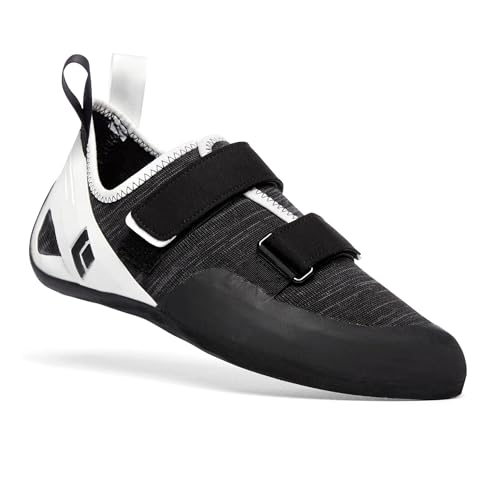


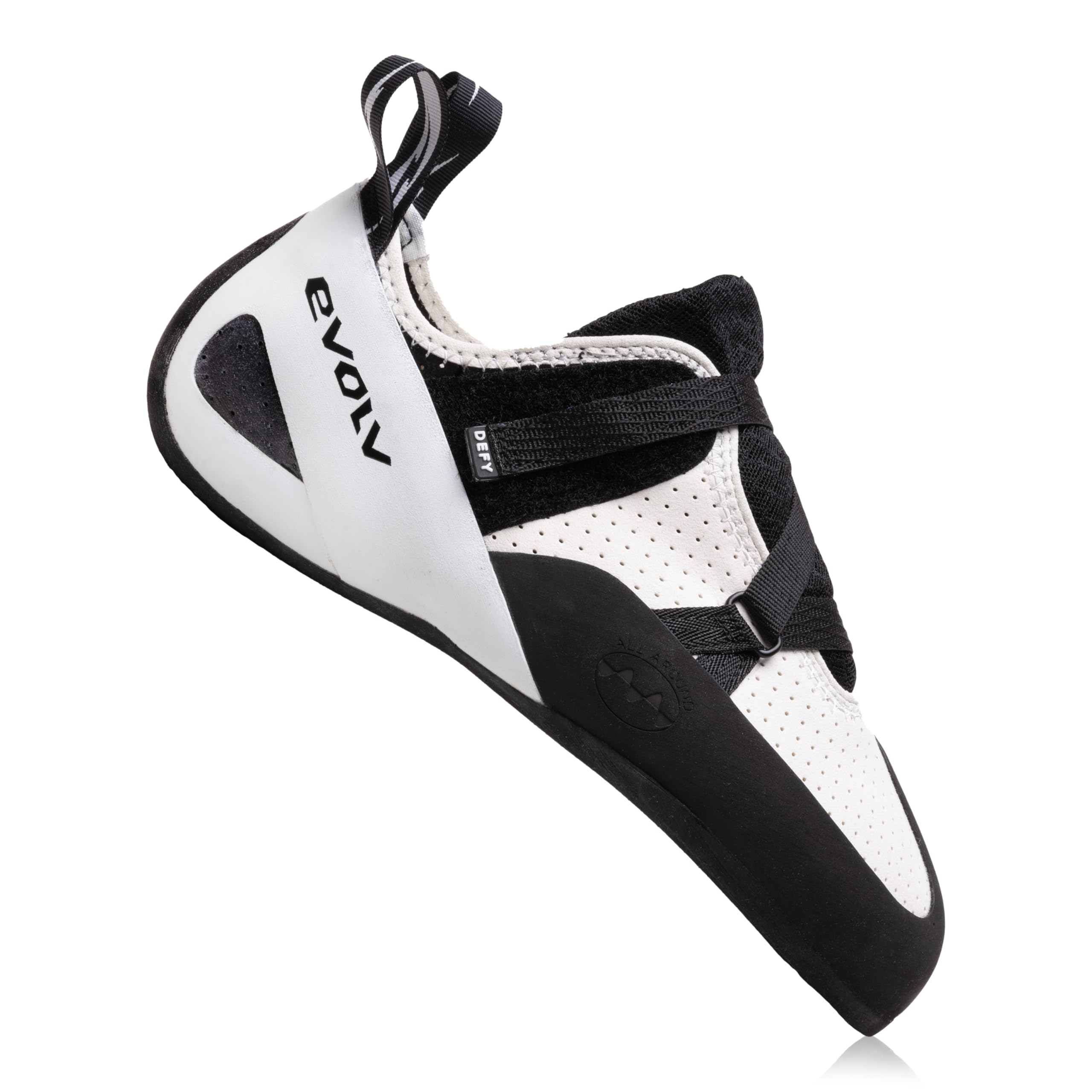

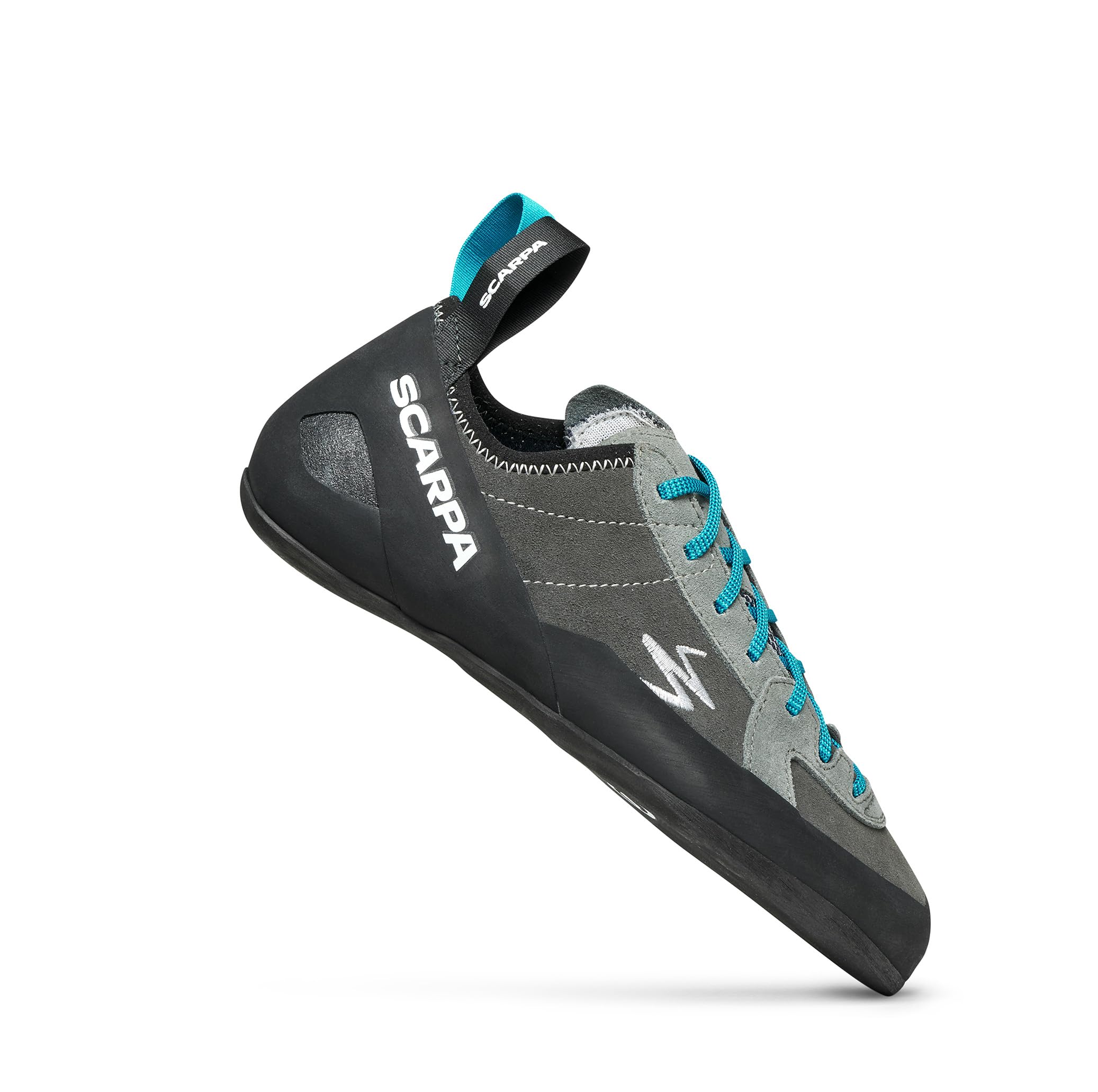

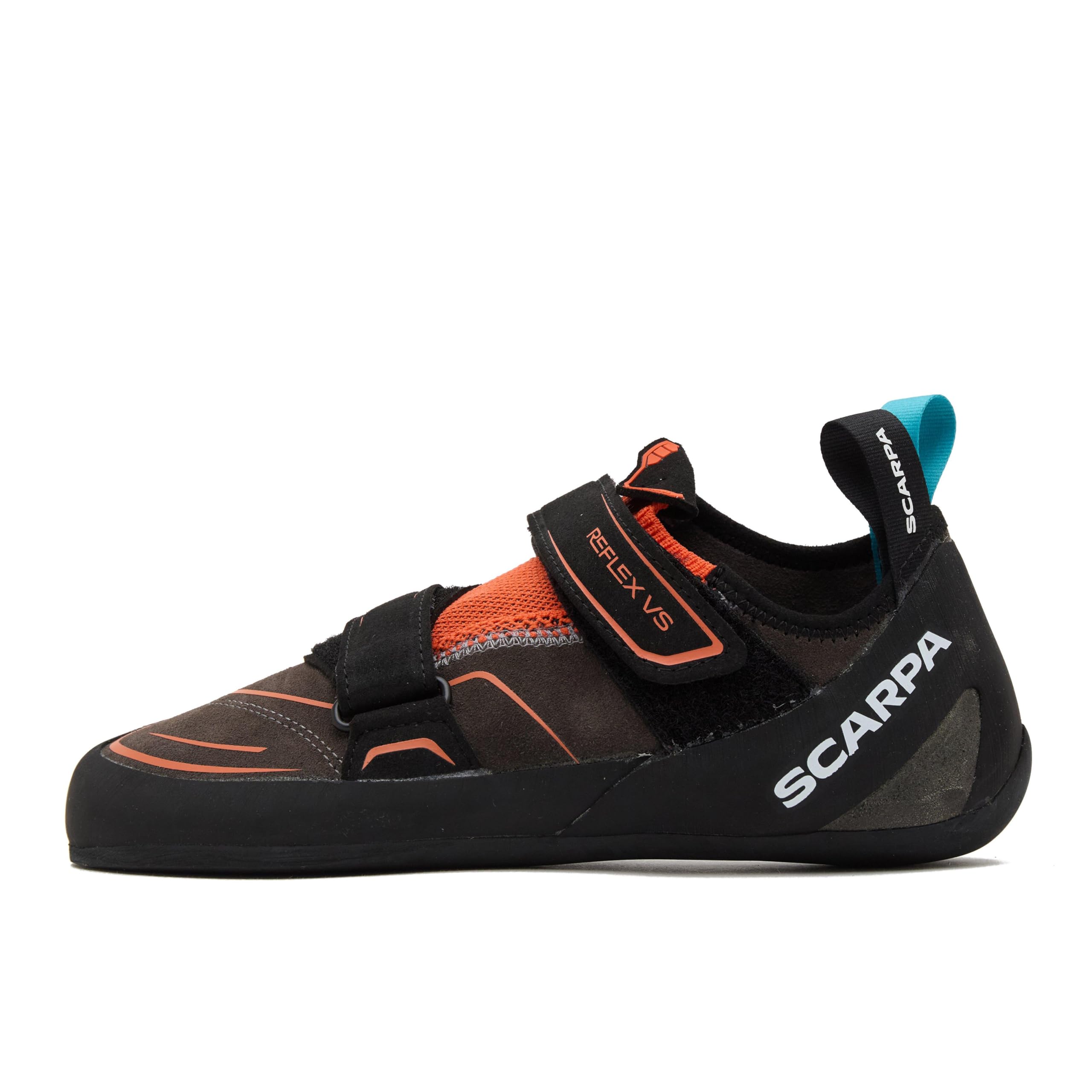


Who Should Buy Which Type
Different buyers need different strengths from climbing shoes for indoor climbing. The groups below cover the most common situations, and each one notes what to prioritize first.
For Beginners
Beginners should choose a comfortable, flat shoe with a roomy fit that allows long sessions without pain. A stiff, supportive shoe helps on larger holds and reduces foot fatigue. Avoid very tight, downturned shoes at first, since they hurt and discourage practice.
For Boulderers
Boulderers need a shoe that grips well on steep walls and volumes, with soft rubber for smearing. A moderately downturned shape helps on overhangs, while a snug fit improves precision. Choose rubber that feels sticky on gym holds, since gym surfaces vary.
For Route Climbers
Route climbers need comfort for longer climbs and a shoe that edges well on small holds. A slightly stiffer shoe supports the foot during sustained climbing. Prioritize a fit you can wear for a full session without removing the shoes between climbs.
Types Compared
The main types differ in size, performance, and upkeep. Comparing them side by side makes it easier to see which trade off you are happy to accept.
Flat Neutral Shoes
Flat neutral shoes suit beginners and long sessions, since they match natural foot shape and feel comfortable. They edge less precisely than downturned shoes, but they are kinder to feet. Choose them for your first pair and for all day gym use.
Moderately Downturned Shoes
Moderately downturned shoes curve downward at the toe for better precision on small holds and steep walls. They feel tighter than neutral shoes and suit progressing climbers. Break them in gradually, since a very tight fit can cause pain at first.
Aggressive Downturned Shoes
Aggressive downturned shoes maximize precision on steep, technical climbs, but they are the least comfortable. They suit experienced climbers for short, hard efforts rather than long sessions. Do not buy them as a first pair, no matter how advanced they look.
Related guides that may help: For indoor rock climbing shoes, see best indoor rock climbing shoes. For indoor bouldering shoes, read about best climbing shoes for indoor bouldering. For beginner indoor shoes, check best indoor climbing shoes for beginners. And for rock climbing bouldering shoes, explore best rock climbing shoes for indoor bouldering.
Key Features to Compare
Use the features below as a checklist when you compare options in the product table above. A model that scores well on the points that matter to you will usually serve you better than one with a long list of extras you never use.
Fit and Sizing
Fit is the most important feature in climbing shoes. Shoes should feel snug with no dead space, but toes should not be painfully curled for a first pair. Try several sizes, since sizing varies greatly between brands. Wear the socks, or no socks, that you plan to climb in.
Rubber Type
Rubber decides grip and durability. Softer rubber grips better but wears faster, while harder rubber lasts longer but grips less. Gym climbers often prefer softer rubber for volumes and smears, accepting shorter life. Check rubber thickness too, since thin soles wear quickly.
Shoe Shape
Shoe shape, from flat to downturned, decides precision and comfort. Flat shoes suit beginners and vertical walls, while downturned shoes suit steep walls and small holds. Match shape to the wall angles you climb most, not to the hardest grade you hope to reach.
Closure System
Closure affects fit adjustment and convenience. Laces give the finest adjustment, Velcro straps are quick for bouldering sessions, and slipper designs feel sensitive but adjust least. Choose laces for precise fit, Velcro for frequent on and off, and slippers for sensitivity.
Gym Rules and Hygiene
Most gyms require climbing shoes and clean, dry feet, and many offer rentals for first visits. Bring clean socks if you rent, and air your own shoes after every session to control odor. Respect gym rules on chalk and shoe cleaning, since they protect holds and other climbers.
Common Mistakes to Avoid
A common mistake is buying shoes far too small because someone said tight is better, which causes pain and short sessions. Another is choosing an aggressive shoe as a first pair, which hurts and does not improve technique. Start comfortable, learn footwork, and move to tighter shoes only as skill grows.
Getting the Most From Your Choice
Air shoes out after every session, since damp shoes develop odor quickly. Do not leave them in a hot car, which can soften glue and warp rubber. Resole shoes when rubber wears thin at the toe, since resoling early extends shoe life and costs less than a new pair.
Planning Your Purchase
Visit the gym and note the wall angles and hold types you climb most, since those decide shoe shape better than grade alone. Vertical walls suit neutral shoes, while steep walls reward downturned shoes, so match the shoe to your usual terrain.
Try several brands and sizes, since climbing shoe sizing varies greatly and no conversion chart replaces trying shoes on. Wear the socks you plan to climb in, and stand on a small edge if the shop allows it.
Start with one versatile pair and climb in it for a season before adding a specialist pair. Experience will teach you what your current shoes lack, whether grip, precision, or comfort, and that knowledge makes a second purchase far smarter.
Questions to Ask Before You Order
- Am I a beginner, or do I climb steep walls regularly?
- Do I boulder, climb routes, or both?
- How long are my typical sessions?
- Do I prefer laces, Velcro, or slippers?
- How often will I climb, and how fast will rubber wear?
Write down your answers before you order. They make it much easier to compare the options in the product table above without getting distracted by features you do not need.
Frequently Asked Questions
How tight should climbing shoes fit?
Climbing shoes should feel snug with no empty space, but a first pair should not cause sharp pain. Toes may touch the front firmly, yet you should be able to wear the shoes for a session. As skill grows, climbers often choose tighter shoes for precision, but comfort still matters for learning.
Do I need different shoes for bouldering and routes?
Not at first. A comfortable neutral shoe works well for both bouldering and routes in a gym. As you specialize, you may prefer softer shoes for bouldering and stiffer shoes for routes. Start with one versatile pair, and add a specialist pair only when a clear need appears.
How do I break in climbing shoes?
Wear new shoes for short sessions at first, and let them warm to your feet. Leather shoes stretch more than synthetic shoes, so fit them snugly at first. Do not force a very painful shoe, since pain does not always mean a better fit later.
When should I resole climbing shoes?
Resole when rubber wears thin at the toe but before it wears through to the rand. Early resoling preserves shoe shape and costs less. If the rand itself is damaged, resoling may still be possible but less reliable, so ask a resoler for advice.
Can I climb indoors in normal trainers?
Most gyms require climbing shoes, since trainers damage holds and grip poorly. Climbing shoes give far better precision and friction on small holds. Rent gym shoes for a first visit, and buy your own pair once you plan to climb regularly.
How do I choose between lace and Velcro climbing shoes?
Laces give the finest fit adjustment and suit climbers who want precise control. Velcro straps are faster for bouldering, where shoes come off often between problems. Slippers feel sensitive but adjust least, so they suit experienced climbers with a known size.
Final Thoughts
Among the best climbing shoes for indoor climbing, the right pair fits snugly without pain, grips your gym holds well, and matches the walls you climb most. Compare the product table above, try sizes carefully, and let comfort guide a first purchase. If foot pain persists, talk with your clinician about fit and climbing load.
Check the product table above once more against your shortlist, then choose the option that fits your feet, routine, and budget best.


