
Best Climbing Shoes for High Arches: What Actually Matters Before You Buy for 2026
Disclosure: We may earn a commission when you buy through links on this page, at no extra cost to you. As an Amazon Associate I earn from qualifying purchases. Learn more

Use our checklist to find the best climbing shoes for high arches, covering fit, instep volume, support, and value before you buy your next pair.
A high arch changes how a climbing shoe fits in ways that size alone cannot fix. The midfoot barely touches the sole, pressure concentrates on the heel and forefoot, and a tall instep can make snug performance shoes feel like a vice. This checklist for the best climbing shoes for high arches gives you clear pass and fail tests for fit, support, and construction, and the comparison table below lets you apply them to current options quickly.
Work through each criterion before you buy. A shoe that passes on volume, closure adjustment, and midsole support will climb better and hurt less than a famous model that fails your foot shape.


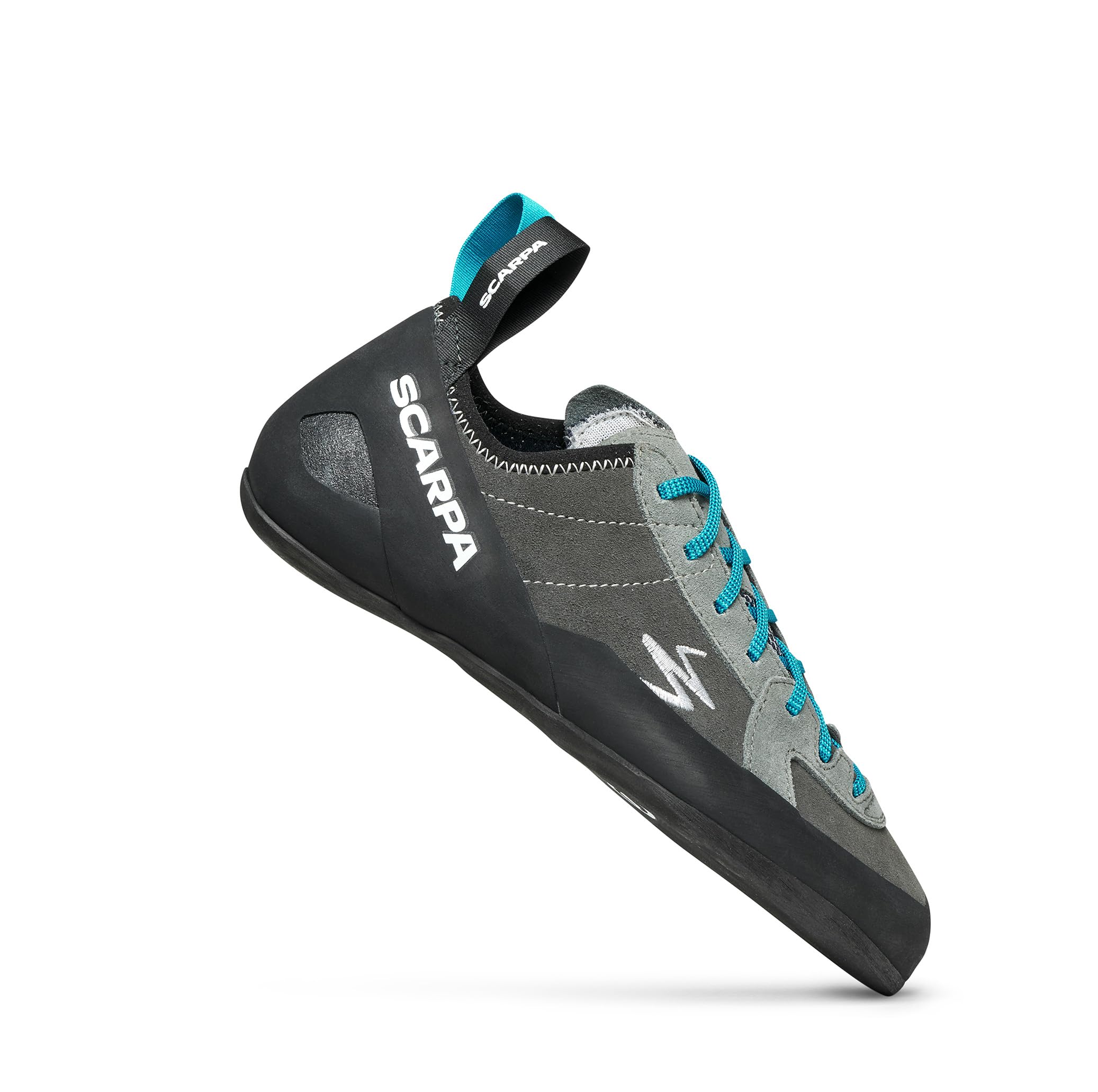

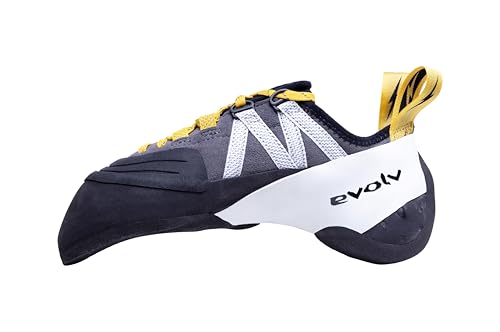
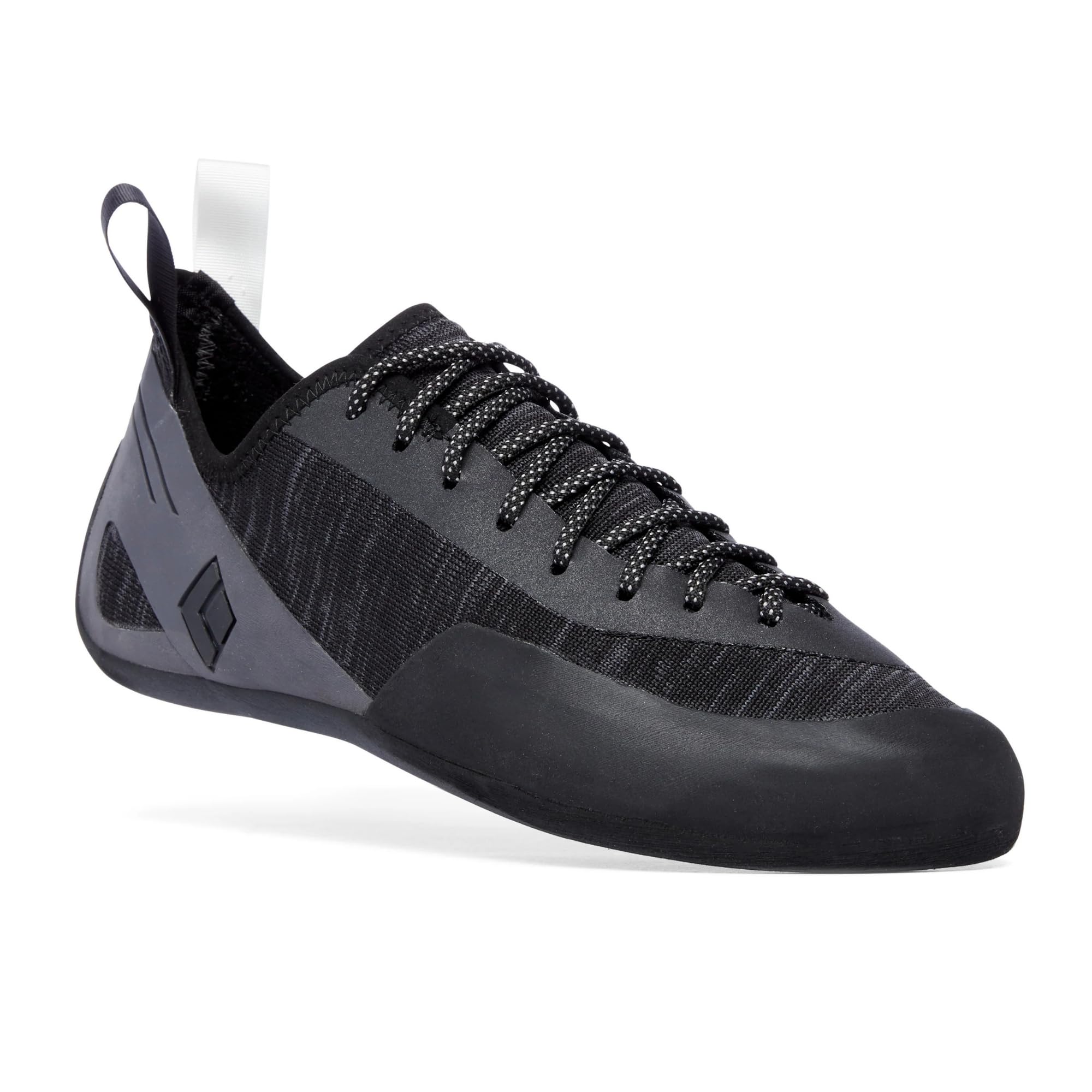

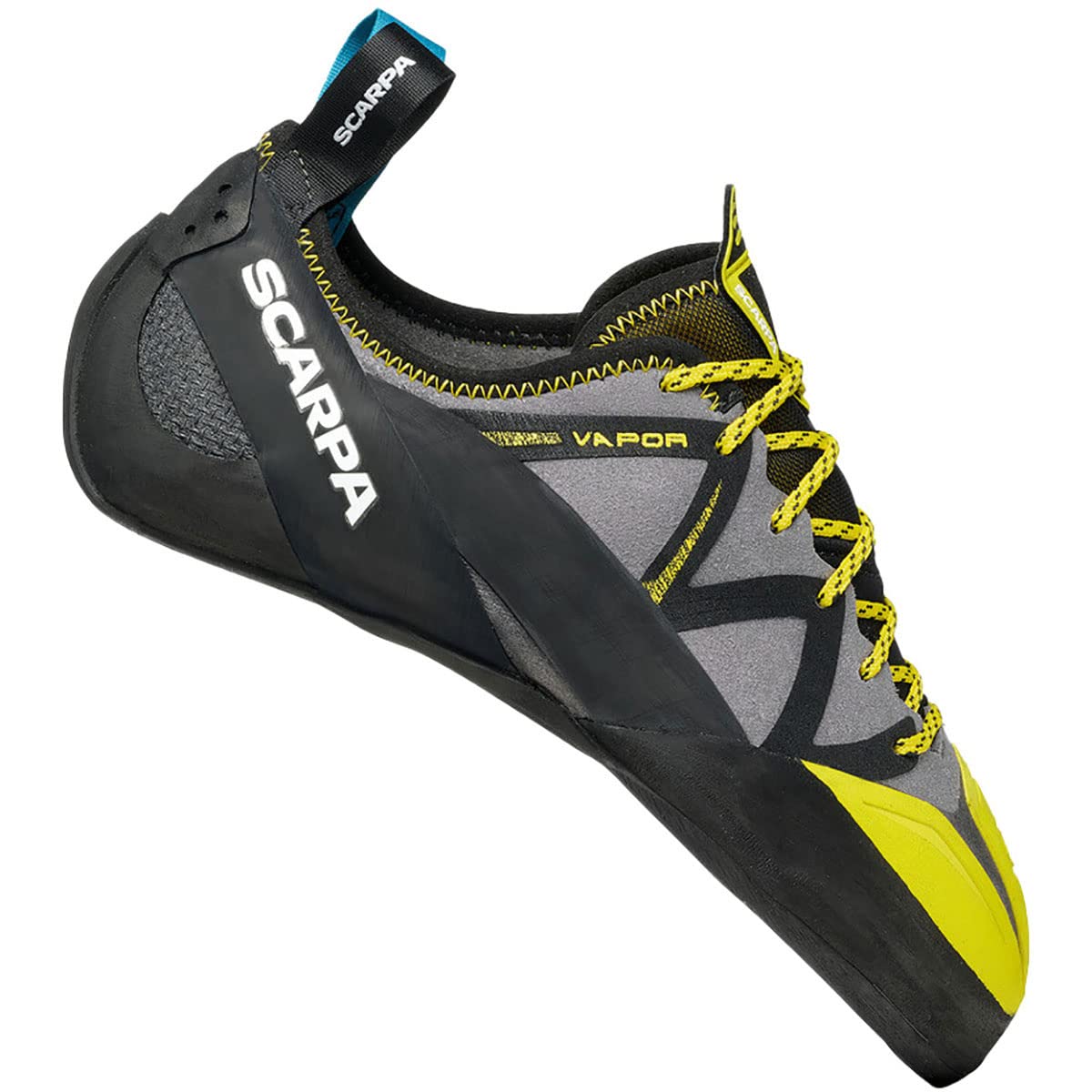
How to Evaluate Climbing Shoes
Treat the points below as a scoring sheet. A shoe does not need top marks everywhere, but it must pass on instep fit and arch behavior, because those are the areas where high arches cause real problems.
Features That Matter for High Arches
Look for a midfoot that can close down without crushing the instep. Lace closures score highest here because you can loosen the middle eyelets and tighten the ends. A moderately stiff midsole helps spread load away from the heel and forefoot. Avoid very soft, sock like shoes at first, since they let a rigid high arch roll inward on small edges and tire the foot quickly.
Skill Level and Intended Use
Beginners with high arches should choose flatter, supportive shoes that allow long, comfortable sessions. Intermediates can add moderate downturn, provided the instep still fits without numbness. Advanced climbers often accept a tighter, more asymmetric fit for steep ground, but even they benefit from one relaxed pair for training volume. Match the shoe to the climbing you actually do most weeks, not the grade you hope to try once.
Safety and Certifications
Climbing shoes carry no formal safety certification for arch support, so be wary of any listing that implies medical approval. Your real safety checks are construction quality, secure closures, and honest fit. Stop climbing and reassess if you feel sharp pain, tingling, or numbness, and talk with a clinician or a qualified foot specialist about persistent arch pain rather than pushing through it in tighter shoes.
Portability and Storage
Supportive shoes with stiffer midsoles hold their shape best when stored loosely stuffed and kept away from heat. A ventilated shoe bag keeps them separate from chalk and damp clothing in your pack. Because high arch climbers often rely on one carefully fitted pair, protecting that fit in storage matters more than squeezing the shoes into the smallest possible space.
Indoor vs Outdoor Use
Indoor walls reward sensitivity, so you can accept a slightly softer shoe if the fit is right. Outdoor rock adds rough texture, longer routes, and more standing on edges, which rewards support and a sturdier midsole. If you climb both, choose the supportive option first, because tired arches outdoors become a safety issue on walk offs and descents, not just a comfort issue on the wall.
Value and Included Accessories
Value for high arch feet means a shoe you can wear often, not the lowest price. Check resole potential, strap durability, and the exchange policy, since dialing in fit may take one swap. Some climbers add a thin aftermarket insole for easy routes, though most performance shoes have no room for one. Budget around $100 to $180 for a solid pair, and count a good fit as money saved on a second, corrective purchase.
Performance Characteristics
Judge grip by rubber quality and by how much of the sole your foot shape actually loads. A high arch loads the edges of the sole more than the center, so a shoe that edges cleanly matters more than headline softness. Stability on small holds, predictable smearing, and a heel that stays seated during hooks are the three performance tests worth doing in the shop before anything else.
Three Profiles That Pass Our Checklist
The profiles below describe what a passing shoe looks like at three levels, so you can compare them with the product table above instead of guessing from marketing claims.
Best Overall
The strongest all around profile pairs a lace closure, medium instep volume, and a supportive midsole with moderate downturn. It adjusts across the arch instead of squeezing it, edges well, and stays comfortable for a full gym session. Expect to pay around $150 to $190. For most high arch climbers who boulder and climb sport routes, this balance of adjustment and support is the one to beat.
Best Value
A value profile keeps laces or a wide opening strap system, a flatter last, and durable rubber, usually around $90 to $130. You lose some steep ground precision, but you gain a forgiving fit that tolerates foot swelling during long sessions. This is the sensible first pair while you learn how your arch behaves in climbing shoes and which volume suits you best.
Best for Heavy Use
For climbers training four or more days a week, prioritize a resoleable build, a robust upper, and a midsole that resists packing out. Slightly stiffer shoes protect a rigid arch from fatigue during high volume weeks. Paying around $160 to $200 for durability beats replacing soft, cheap pairs twice a season, and a second rotated pair extends the life of both.
Quick Buyer Checklist
- Can you adjust the closure over the instep without loosening the heel or toes?
- Is there no sharp pressure or numbness across the top of your foot after ten minutes?
- Does the midsole feel supportive rather than folding under your arch on an edge?
- Do your toes touch the front without curling hard enough to lift the arch further?
- Does the heel stay seated when you pull a gentle hook in the shop?
- Can the shoe be resoled, and does the seller allow size exchanges?
- Does the fit still work at the end of the day, when your feet are warm and slightly swollen?
Red Flags to Watch For
Walk away from listings with vague sizing guidance and no volume information, because fit is everything for this foot shape. Be cautious with very low volume shoes marketed as unisex when reviews repeatedly mention instep pain. Short warranties, peeling rubber on new pairs, and claims of medical grade arch correction are all warning signs. Finally, distrust any shoe that feels painful in the shop on the promise that it will stretch into comfort; leather gives a little, but instep pressure rarely improves enough.
For everyday footwear context, our guide to the best shoes for high arches explains the same support principles, and the best athletic shoes for high arches covers training shoes for the days between climbing sessions.
Picking the Right Climbing Shoes for Different Uses
Best Women's Climbing Shoes for High Arches
The phrase best women's climbing shoes for high arches usually points to lower volume heels paired with a higher instep, a combination many brands miss. Women with high arches should look for models with a narrow heel, adjustable laces reaching far down the toe, and enough midfoot height to avoid pressure on the top of the foot. Our guide to the best shoes for high arches women covers daily footwear with the same fit logic, which helps if you are comparing lasts across brands.
Tips to Get the Most From Your Climbing Shoe
- Store out of direct sun and extreme heat. Heat warps midsoles and weakens the glue that keeps supportive structure in place.
- Check wear before each use. Thin edges and peeling rands change how your arch loads the shoe, so inspect soles and straps regularly.
- Clean and dry after outdoor use. Brush off grit and air dry slowly so leather and linings keep the fit you chose.
- Break in gradually. Wear new shoes for short sessions first, which lets you spot instep pressure before it becomes a blister or bruise.
Climbing Shoes: Your Questions Answered
What features matter most in climbing shoes for high arches?
Adjustable closure over the instep matters most, followed by midsole support and suitable volume. Laces let you fine tune pressure across a tall arch, while a supportive sole spreads load off the heel and forefoot. If a shoe passes those tests and the heel stays seated, it will outperform a softer or more aggressive shoe that fits your arch poorly.
Indoor vs outdoor: does it matter?
It matters mainly for support needs. Indoor sessions are short and padded landings forgive tired feet, so a softer shoe can work. Outdoor days involve longer time in the shoe, edging, and rough approaches, so support and durability rise in importance. Many high arch climbers keep one supportive pair for outdoors and use any comfortable pair indoors.
Is it worth buying premium as a beginner?
Not usually. Premium shoes concentrate on steep ground performance, and their tight, low volume fits often punish high arches. Beginners gain more from a comfortable, adjustable pair worn for many sessions. Upgrade when your footwork is precise enough that shoe flex, not technique, is what limits you on small holds.
How long does it last?
Expect roughly six to twelve months of regular climbing before the sole thins, with the midsole gradually softening over the same period. High arch climbers load the edges heavily, so edge wear may appear sooner. Resoling restores grip but not midsole support, so a shoe that feels unsupportive even with fresh rubber is ready for retirement.
What size should I get?
Start at your street size and judge by instep comfort and heel hold, not toe pressure alone. Your toes should touch the end with a light curl, and the top of the foot should feel snug, never numb. Because your arch shortens your effective foot length under load, try sizes late in the day and walk, edge, and hook in them before deciding.
Wrapping Up
Run the checklist in order: closure adjustment, instep comfort, then midsole support. A shoe that passes all three will serve you indoors and out, while one that fails the first two will not improve with wear. Compare your finalists in the comparison table above, and remember that the best climbing shoes for high arches are the ones shaped like your feet, not the ones with the longest feature list. If arch pain persists across well fitted shoes, talk with your clinician about your personal needs before your next purchase.


