Best Cleaver for Your Home (2026): Smart Picks and a Quick Checklist
Disclosure: We may earn a commission when you buy through links on this page, at no extra cost to you. As an Amazon Associate I earn from qualifying purchases. Learn more
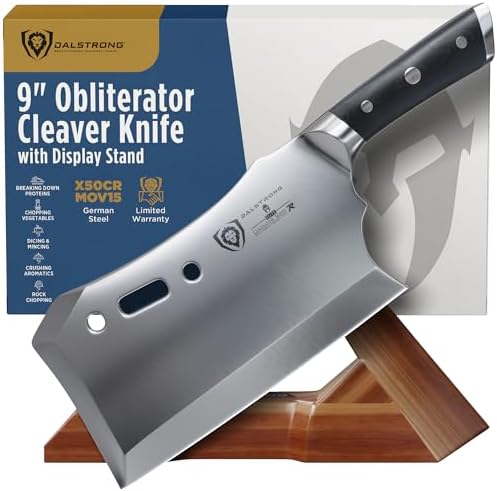
Chinese style, meat or Japanese: match the best cleaver to your board, your routine and your budget with a quick checklist that keeps the choice simple.
Picture a Sunday afternoon in a small kitchen. Cabbage, carrots, onions and a whole chicken all need prep, space is tight, and your usual knife keeps sticking to the food. A broad blade that slices and scoops in one motion can help. Finding the best cleaver for your home starts with your space, household size and how often you prep.
This guide focuses on daily life at home rather than pro kitchen speed. You will match size to your counters and storage, choose a type for your routine and set a budget. Start with the comparison table below, then use the checklist.
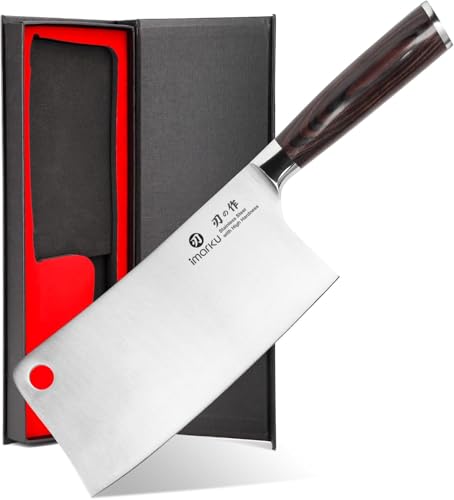
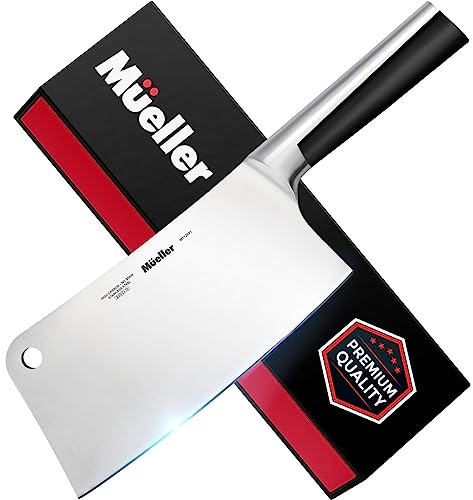
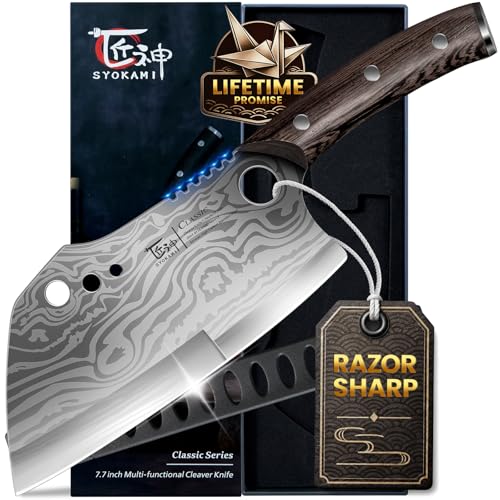

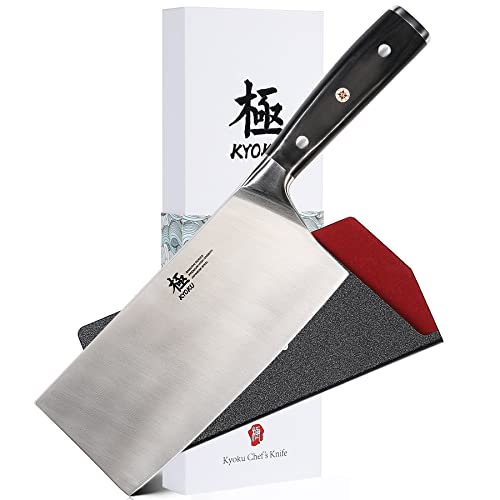

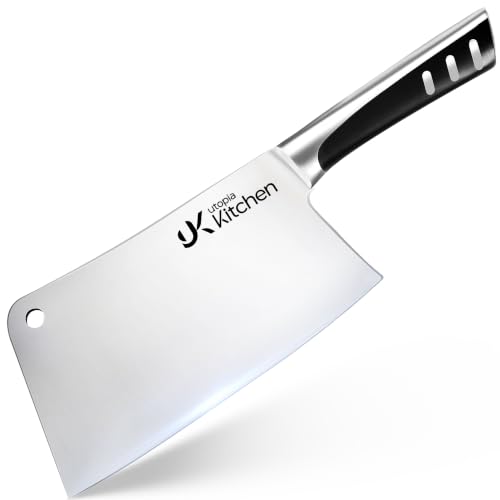
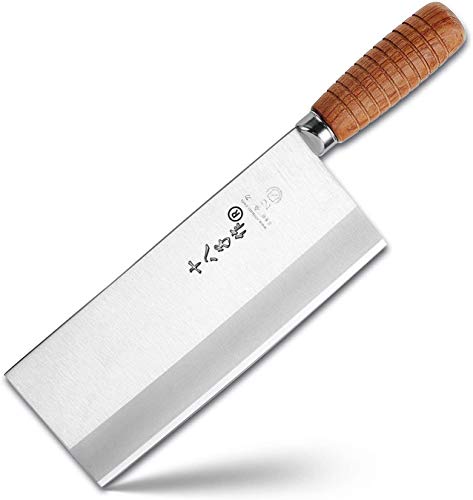

Quick Answer: Three Types in 30 Seconds
Most homes do not need a collection. One well matched type covers nearly everything. A second type only makes sense if your routine splits clearly between vegetables and meat on the bone.
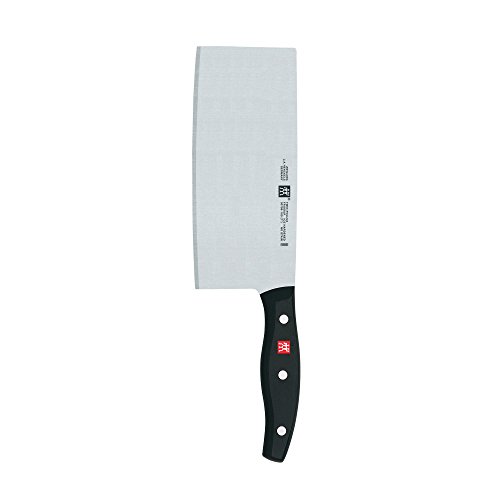
- Chinese style cleaver: A tall, thin and rectangular blade for vegetables, boneless meat, garlic and herbs. It also works as a scraper to lift chopped food from the board.
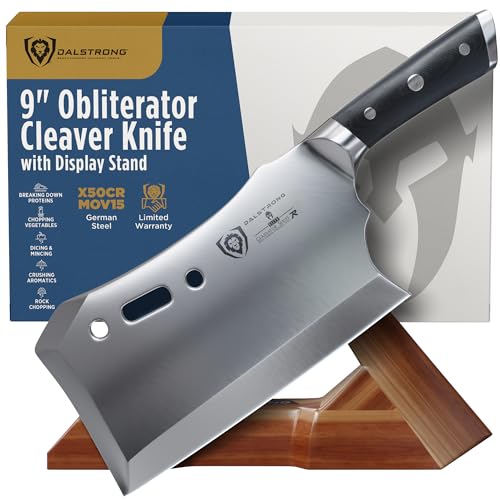
- Meat cleaver: A thicker and heavier blade built to divide poultry, ribs and other meat with small bones. It is a specialist tool, not a daily slicer.
- Japanese style cleaver: Often called a nakiri when shaped for vegetables, this type favors thin edges and precise cuts for produce heavy cooking.
If you cook mixed meals most days, start with the first type. Add a heavier type later only if bones regularly slow you down.
Before You Buy: A Quick Checklist for Choosing a Cleaver
Work through these six points in order. Size and type come first, because steel and price mean little if the blade feels awkward or wrong for the food you cook most.
Size: Match It to Your Space
Most home cleavers run from about 6 inches to 8 inches along the edge. A 6 inch blade suits small counters and cooks who prep for one or two people. A 7 inch blade is the balanced middle for most family kitchens, with room to work through a cabbage without crowding the board. An 8 inch blade helps with large squash and big batches, but it needs a larger board and deeper storage. Measure your board and storage spot before you order.
Which Type Fits Your Routine
List what you cut in a normal week, then match the type to that list. If produce and boneless proteins dominate, a Chinese style or vegetable type gives you speed and control. If you break down whole chickens or portion meat with bone most weeks, a bone or heavy duty type earns its space. Japanese style blades reward careful, produce focused cooking with clean cuts. Carbon steel needs drying after use, while stainless forgives a busy sink.
Steel Type and Hardness
Steel controls how sharp the edge can get, how long it stays sharp and how much care it asks from you. Hardness is rated in HRC, and many home cleavers sit around 56 to 60 HRC. Softer steel is tougher, less likely to chip and quick to sharpen. Harder steel holds a fine edge longer, but it can chip if it twists in hard squash or hits bone. Stainless resists rust in humid kitchens. Carbon steel needs wiping and drying, and in return it often sharpens with less effort.
Blade Geometry: German and Japanese Styles
German style blades tend to be thicker, with a more curved edge and a grind built for toughness. They feel forgiving when you rock the blade or work through dense roots. Japanese style blades tend to be thinner behind the edge, with a flatter profile that pushes straight down through produce. That thin grind glides through onions and greens with less wedging, but it asks for a straight, controlled stroke. Choose toughness for mixed work, and thin geometry for precise vegetable prep.
Handle, Bolster and Balance
Hold matters more than most buyers expect, because a cleaver is tall and its weight sits high. A handle should fill your palm without forcing your fingers tight, and it should stay secure when your hands are wet. Some blades have a bolster, a thick guard between blade and handle, which can add protection but can get in the way during sharpening. For balance, the knife should feel neutral near the pinch grip, not pulling toward the tip or the handle.
Realistic Budget Ranges
Under $30, expect simple stainless blades, basic handles and edges that need more frequent sharpening. That tier can be a sensible first step if you are trying this blade shape. About $30 to $50 is where many homes find stronger value, with better steel and smoother handles. About $50 to $100 usually buys finer fit, better balance and steel that holds an edge longer. Spending over $100 makes sense mainly for materials and finish, not basic cutting ability.
Three Types Compared: How to Choose by Home and Routine
Instead of chasing a single winner, compare the three types against your household. The right answer for a couple in an apartment will differ from that for a large family that cooks in bulk.
For Most Homes: A Versatile Chinese Style Cleaver
This is the default choice when your meals mix vegetables, boneless chicken, pork, tofu and herbs. The tall blade keeps knuckles clear, guides food against its flat side and scoops diced onion into the pan in one move. A blade around 7 inches covers family sized batches without feeling clumsy. Choose stainless steel if several people will use and wash it, because shared tools need simple care rules everyone will follow.
For Regular Meat Prep: A Heavier Meat Cleaver
If you portion whole birds, split ribs or buy meat in large pieces to save money, weight becomes a feature. A thicker spine and tougher edge let the blade do work that would damage a thin vegetable blade. This type is poor at fine slicing, so it should sit beside your regular prep knife, not replace it. Homes that cook meat on the bone only a few times a year can skip it and ask a butcher to portion large cuts.
For Precision Vegetable Prep: A Thinner Japanese Style Cleaver
Households that cook produce at nearly every meal will feel the benefit of a thin, flat edged blade. It moves through carrots and greens with even slices that cook at the same rate, which helps for stir fries and salads. The trade off is discipline. This type dislikes twisting, frozen food and any contact with bone. If prep is rushed and shared with teens, a tougher style may suit your home better.
How to Evaluate a Cleaver Before You Buy
Start with maker specifications for blade length, weight, steel type and hardness, and treat those numbers as the baseline. Then read verified buyer comments for patterns rather than single opinions. Repeated notes about a loose handle, a blade that chips on squash or an edge that dulls in a week tell you more than one glowing review.
Check three points before you commit. First, confirm the return window, because grip comfort is personal and hard to judge from photos. Second, look at the edge profile in side photos to see if it is flat for push cutting or curved for rocking. Third, note what sharpening tools the maker allows, since some fine edges should not meet a pull through sharpener.
Quick Guidance by Household and Space
For a produce heavy home, start with our guide to the best vegetable cleaver if your board sees greens, roots and squash daily. Its tall blade suits batch prep for soups and stir fries.
If you value very thin slices for salads and pickles, see our guide to the best japanese cleaver for options shaped around control and precision. Small kitchens often prefer this style in a shorter length.
For families that buy whole chickens and large cuts, our guide to the best bone cleaver covers the heavier end of the range. Keep that tool in a sheath, away from the everyday drawer.
Vegetable focused cooks can also read our guide to the best cleaver for vegetables, which looks at meal prep for larger households. Comparing both guides helps you settle blade height and weight.
Common Buying Mistakes to Avoid
- Buying the largest blade for a small board, so the tip runs off the edge and prep feels unsafe and cramped.
- Using a thin vegetable blade on bones or frozen food, which can chip the edge in a single stroke.
- Choosing by looks alone and ignoring handle size, so your hand tires halfway through a big batch.
- Storing a bare blade loose in a drawer, where contact with other tools dulls the edge and risks a cut.
- Paying for premium steel while owning no way to maintain it, so performance drops within a few months.
Cost of Ownership and Care
The purchase price is only part of what you will spend. Budget for a sheath or magnetic strip, a board large enough for the blade and a simple whetstone. Those items often cost about $20 to $40 in total at the basic level, and they protect the edge and your hands. A stable board also lowers the chance of slips. If a cut is deep, will not stop bleeding or affects finger movement, seek medical care promptly.
Sharpening is a skill worth learning slowly. Our guide on how to sharpen a cleaver explains angles and stone grit in plain steps, so you can restore an edge at home. Technique matters during use too, and our guide on how to use a cleaver covers grip, claw position and safe food transfer.
FAQ
What is the most reliable cleaver brand?
Reliability here tracks construction more than a name. Look for a blade made from a single piece of steel that runs through the handle, handles pinned or sealed with no gaps, and a clear warranty. A brand that publishes steel type, hardness and weight gives you facts you can check. Consistent quality across many buyer reports matters more than a famous label with mixed recent feedback.
How do you clean a cleaver?
Wash the blade by hand in warm water with dish soap, keeping the edge pointed away from your fingers and washing from the spine toward the edge. Rinse, then dry blade and handle at once with a clean towel. Never leave a cleaver soaking in a sink, where it can rust or cut a hand that reaches in unseen. Store it only once fully dry.
Is a cleaver worth it for a home cook?
It is worth it if you chop vegetables, herbs or boneless meat a few times each week and find a regular knife slow or cramped for that work. The tall blade speeds up scooping and keeps knuckles clear during large batches. If you mainly open packages and slice bread, it will sit unused. Count your actual prep sessions in a week before you decide.
How long does a cleaver last?
A sound home cleaver can last many years, often well over a decade, when stored dry, kept off bone unless built for it and sharpened on a stone. Lifespan shortens when it is left wet or tossed into a drawer. Small marks on carbon steel are normal. A cracked blade, a loose handle or a deep chip you cannot sharpen past are the real end points.
What is the best cleaver for a beginner at home?
Start with a mid sized Chinese style blade in stainless steel, around 7 inches, at a modest price. That mix forgives shared family use, needs simple care and covers the widest range of daily food. Learn grip and board control with soft vegetables first, then move to denser roots. You can upgrade or add a specialist type later with real experience.
Final Thoughts
Choose type first, then size for your board and storage, then steel and budget. That sequence keeps the decision tied to your home and your actual cooking. Review the product table above once more with your checklist in hand, and the best cleaver for your kitchen should stand out clearly. Prices and availability can change, so check the product page before ordering.